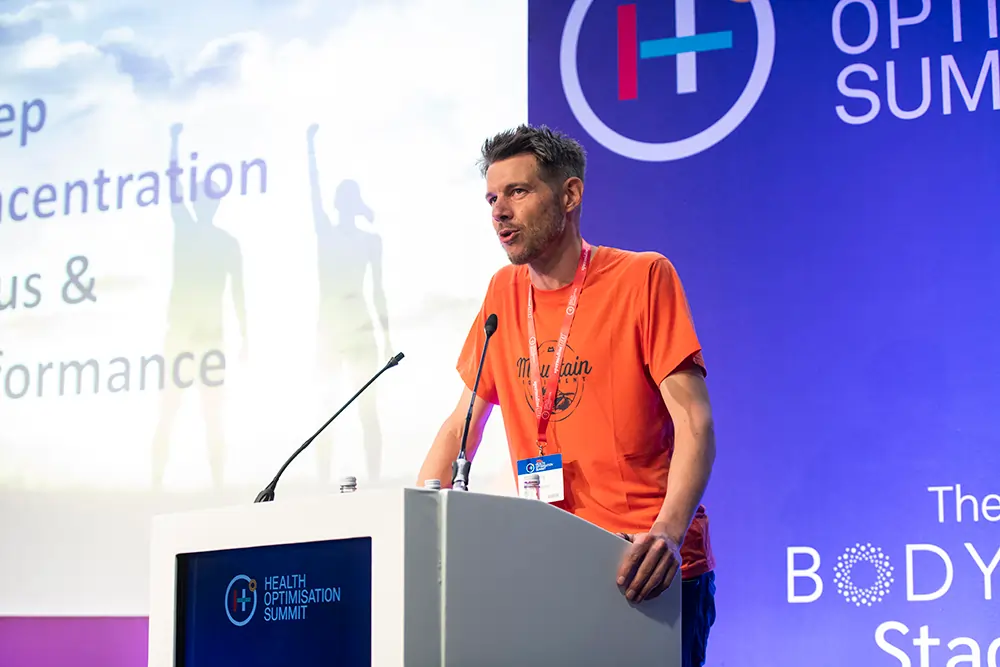
After a mysterious illness forced Sky Sports broadcaster Tony Wrighton off the air, he turned to science, self-experimentation and daily habits to rebuild his health. Now a leading voice in the burgeoning biohacking movement, he’s helping others take control of their wellbeing – one small change at a time, writes The European’s Dr Stephen Simpson
For more than a decade, Tony Wrighton was a familiar face on Sky Sports News, delivering live updates to millions of viewers. He also presented Sky News, ITV, and LBC, covering everything from breaking news to major sporting events. But his broadcasting career was interrupted by a sudden and mysterious illness that left him struggling to walk more than a few hundred yards. “I was completely wiped out,” he told me. “I couldn’t function, let alone present live TV.”
With conventional medicine unable to provide answers, Wrighton began searching for solutions on his own. That search led him into the world of biohacking – a growing global movement focused on using data, science, and daily habits to optimise how the body and brain perform. Once considered fringe, it’s now attracting entrepreneurs, professionals, and health-conscious individuals looking to improve energy, sleep, focus, and long-term wellbeing.
Biohacking can involve anything from fine-tuning diet and sleep routines to using wearable tech, tracking biomarkers, or exploring experimental therapies. The core idea is to make small, measurable changes that support physical and cognitive health over time.

Wrighton didn’t come to the field as a wellness expert but as someone simply trying to feel better. His recovery prompted a shift in direction, leading him to write and publish nineteen books and audiobooks covering topics including neuro-linguistic programming (NLP), health, and personal development. His work has since been translated into 13 languages. He went on to create Well Published Books, a programme for aspiring authors, and began contributing to platforms including The Huffington Post. In 2010, he signed a three-book deal with Virgin Books, part of Ebury Publishing.
“There’s a phrase from neuro-linguistic programming I’ve always liked: ‘Do what works,’” Wrighton, who is also a certified Master Practitioner in NLP, said. “That became my guiding principle. Biohacking is really just self-experimentation. It’s about tracking, adjusting, and refining your routines based on actual results.”
He started by improving his diet and experimenting with fasting. Then came supplements, wearable devices, light therapy, cold exposure, and breathwork. Not everything worked but the process itself, observing and adapting, helped him rebuild his health.
Today, Wrighton is recognised as one of the UK’s most prominent voices in biohacking. He hosts the podcast Biohacking News by Zestology, where he interviews scientists, technologists, and leading thinkers on topics like longevity, peak performance, and mental resilience. “We cover everything from sleep optimisation and gut health to red light therapy and stem cells,” he explained. “And yes, we have a bit of fun along the way too.”
He also continues to work as a voiceover artist, with credits on TV programmes aired globally. His background in broadcasting has shaped his ability to communicate complex science without the jargon.
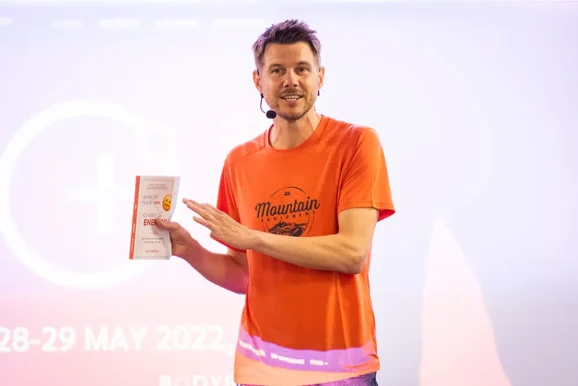
His new book, Biohacking for Life, focuses on low-cost, practical ways to improve wellbeing. “Some of the most effective tools are simple,” he said. “Morning light, better sleep hygiene, switching off devices, spending time outside. These aren’t high-tech solutions, but they work.”

On the more extreme end of the field, figures like Bryan Johnson have become known for spending millions on age-reversal therapies. Wrighton sees value in the motivation, if not always the methods. “There’s a mindset shift there – putting your health front and centre, instead of waiting for something to go wrong.”
Still, he’s cautious when it comes to unregulated treatments. “There’s a lot out there that hasn’t been properly studied. You have to be selective and ask questions. What works for one person might not be right for another.”
Now based in Portugal, Wrighton has shaped his daily routine around the principles he explores on the podcast: early morning light exposure, regular movement, tech-free time, and a strong focus on sleep and recovery. While biohacking is often associated with gadgets and extreme routines, his approach is more grounded: consistent habits backed by research and personal experience.
Looking back, he’s clear about what would have made the biggest difference earlier in his career. “When I was doing night shifts, I’d eat late, crash at odd hours, and just keep going. Prioritising sleep back then would’ve changed everything.”
Wrighton’s focus now is on sharing what he’s learned, continuing to explore new developments, and helping others cut through the noise in a fast-moving space. His work spans writing, broadcasting, podcasting, and mentoring, all shaped by the belief that there’s always something we can do to improve how we live and feel.
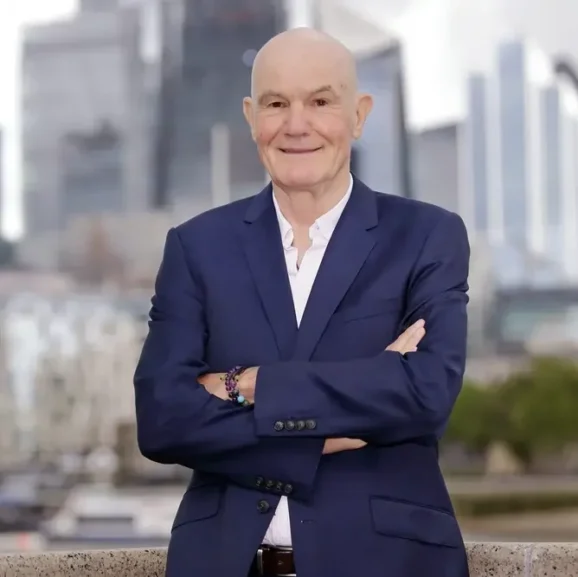
Dr. Stephen Simpson is an internationally acclaimed mind coach, TV and radio presenter, hypnotherapist, TEDx speaker, bestselling author, business consultant, and Fellow of the Royal Society of Medicine. With nearly 40 years as a practicing physician and extensive experience in elite performance coaching, mental health, hypnosis, and NLP, he has worked with top athletes on the PGA European Golf and World Poker Tours. Dr. Simpson holds an MBA from Brunel University and has served as Regional Medical Director for Chevron, contributing to global health initiatives with leaders like Bill Clinton and Bill Gates. He hosts popular shows such as “Zen and the Art of NLP,” and his YouTube channel boasts over 260 videos and 350,000 views. His latest book, “The Psychoic Revolution,” encapsulates his innovative methods for achieving peak performance.
Images: Courtesy Tony Wrighton