
Having worked with both Jimmy Savile and Rolf Harris, veteran TV producer Pip Burley asks how many more scandals it will take before Britain’s broadcasters learn to challenge their biggest stars, listen to their own staff and put the public interest first
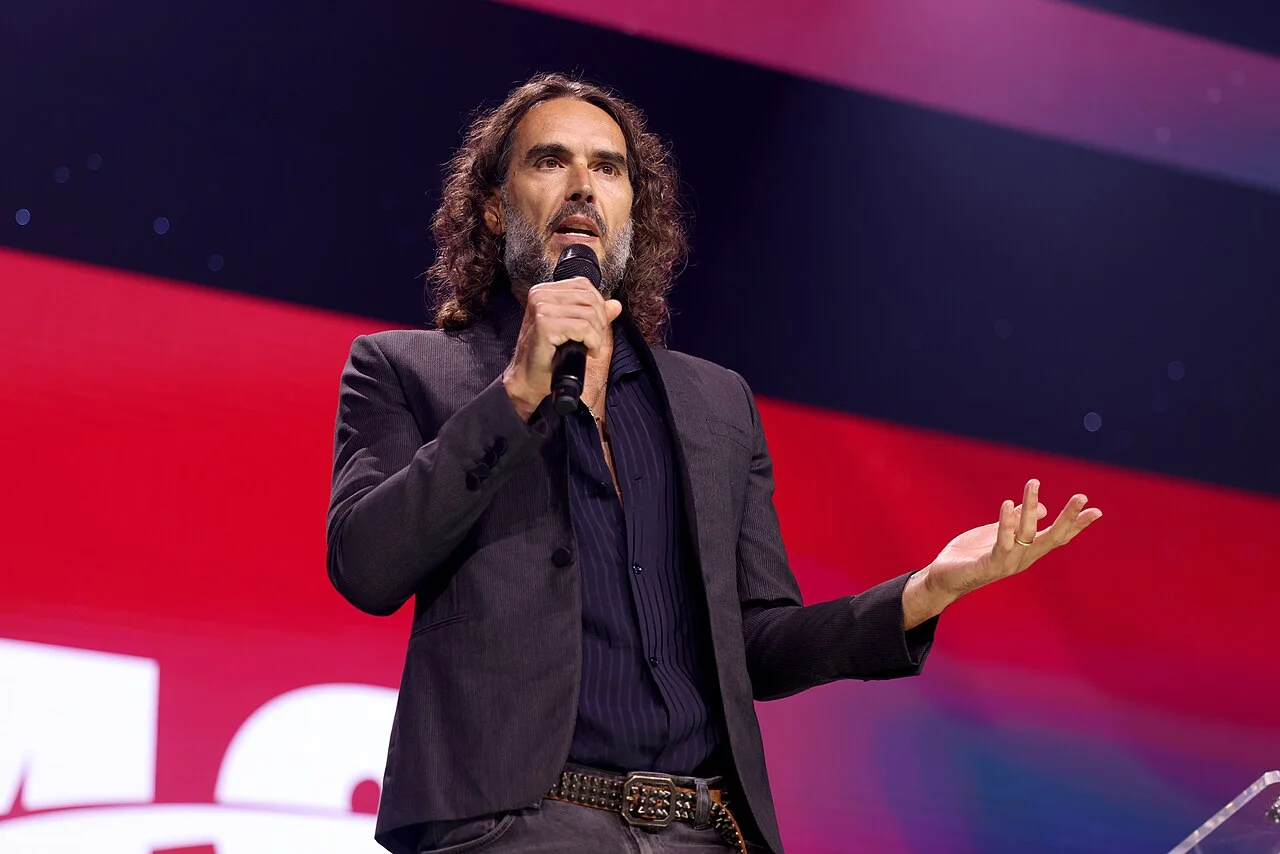
Comedian and actor Russell Brand was jailed earlier this month after being convicted of one count of rape and three counts of sexual assault against four women. The offences took place between 2004 and 2009. In the sentencing remarks in Brand’s case, the judge said the 2023 reporting by Channel 4’s Dispatches and The Times newspapers gave some women the confidence to come forward.
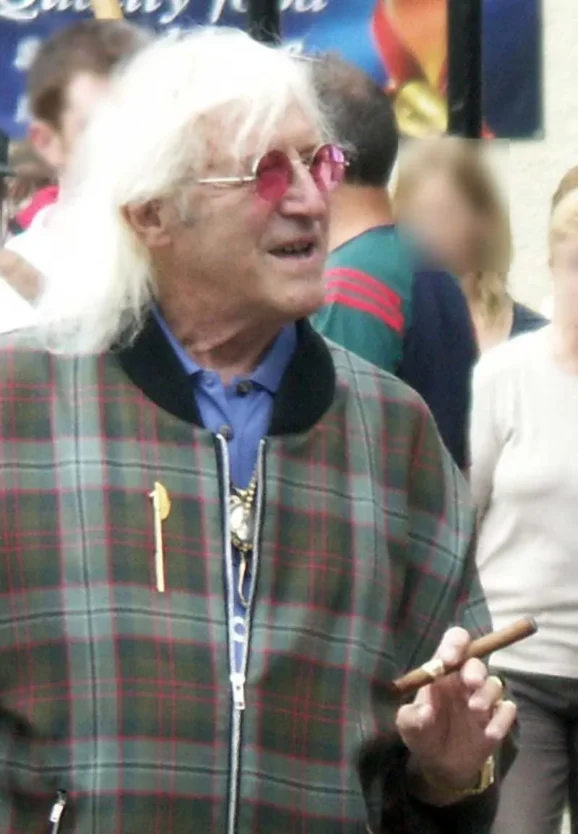
I knew and worked with two celebrities who subsequently fell spectacularly from grace: Jimmy Savile and Rolf Harris. At the time, I had no insight into what they got up to in private. The public image of a familiar entertainer can easily conceal what they are really like. Harris was convicted in 2014 on 12 counts of indecent assault. One conviction was later quashed.
Savile died before he could face trial.
In 2016, Dame Janet Smith, a retired Court of Appeal judge, published the findings of her independent review into Savile’s conduct at the BBC. Some junior and middle-ranking BBC staff knew of specific complaints or had seen behaviour that should have been reported. Smith found no evidence that anyone at head-of-department level (or above) knew of Savile’s conduct, nor any evidence that the BBC as a corporate body knew. But surely the BBC still had a responsibility to make sure those warnings reached someone who could take action?
Perhaps senior management should be spending more time on the shop floor.
What’s more, in 2011, the BBC’s Newsnight dropped an investigation into Savile while the BBC aired tribute programmes after his death. A review led by former Sky News head Nick Pollard found that the decision to drop the story was flawed. However, it found no evidence that the decision was made to protect the tributes, or that it resulted from any improper pressure. There was a serious editorial failure, and the corporation could not explain itself convincingly.
After the 2023 reports about Brand, the BBC reviewed complaints about his behaviour and apologised to staff who, again, felt unable to raise concerns. Channel 4’s inquiry into its handling of allegations about Brand found that a serious allegation about his conduct towards a member of staff in 2009 had stalled before reaching senior management and had been inadequately investigated. The inquiry found no evidence that Channel 4 employees knew about the alleged behaviour later reported in Dispatches.
‘Everyone knew’ is often asserted after the event – but why did the people who did know something at the time feel unable to speak up? And why did others feel under no obligation to do something about it? When a star is commercially valuable, awkward behaviour can be seen as eccentricity, bad manners or ‘just how he is’. The complaint becomes the problem and the complainant becomes the nuisance.
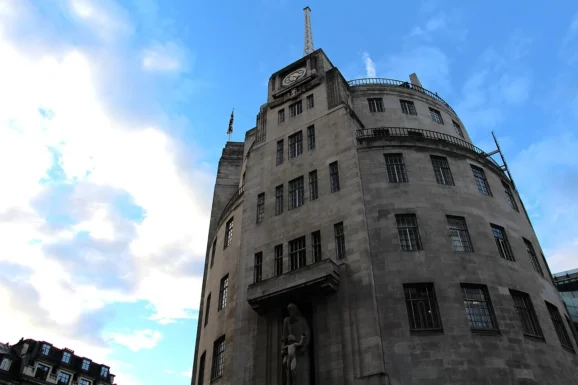
This was separate from the criminal case in which Edwards pleaded guilty in July 2024. Senior leadership was told in July, and the BBC later apologised for its handling of the complaint. This was separate from the criminal case in which Edwards pleaded guilty in July 2024. With the corporation’s most prominent newsreader involved, isn’t the public entitled to ask how well the system works for the whistle blower?
In a separate case involving a consensual relationship between adults, Phillip Schofield admitted having an affair with a younger colleague at ITV and lying about it. An external review found no evidence of a broadly ‘toxic’ culture at This Morning and concluded that ITV management had made considerable efforts to establish the truth about the relationship. One former junior employee told the review they knew about the relationship but chose not to report it at the time. The public sees the brightly polished front of television, while people inside the building may be worrying about losing their jobs if they challenge a star whose fame – and popularity – makes him appear untouchable.
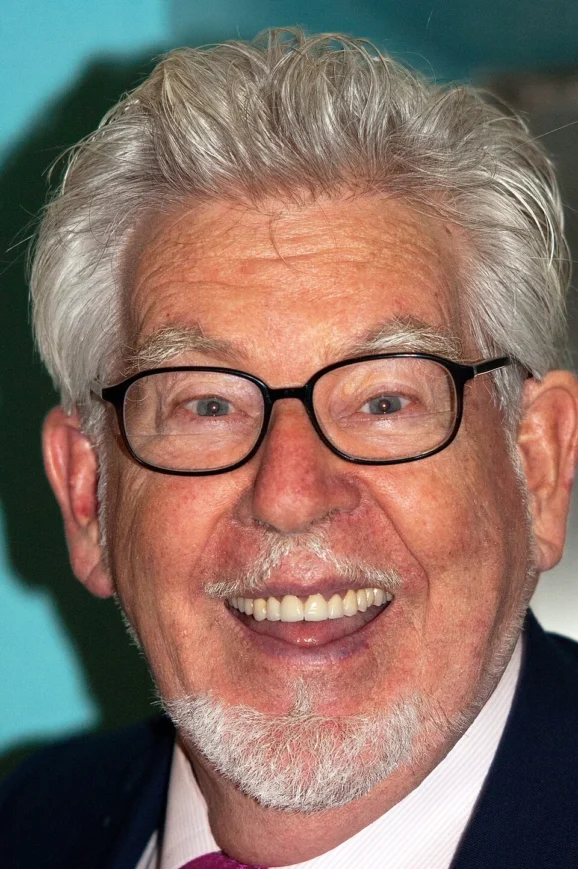
While the way broadcasters handle concerns about their stars can shake the public’s trust, sometimes that trust is also impacted when the broadcaster itself turns the cameras on someone.
I remember the hairs standing up on the back of my neck in 2014 as I watched BBC helicopter footage of police searching Sir Cliff Richard’s home. No charges followed. The High Court later ruled that the BBC had infringed Sir Cliff Richard’s privacy and awarded him £210,000 in general and aggravated damages. The judge apportioned the shared liability 65 per cent to the BBC and 35 per cent to South Yorkshire Police. The rush for the ‘big story’ trampled the rights of a man who was never charged.
In 2021, Lord Dyson’s inquiry into Martin Bashir’s 1995 Panorama interview with Diana, Princess of Wales, found that Martin Bashir had used forged bank statements to persuade Diana’s brother, Earl Spencer, to help secure access to her. Dyson also criticised the BBC’s subsequent handling of the matter. It was a scoop pursued by deceit, followed by a hopelessly inadequate response.
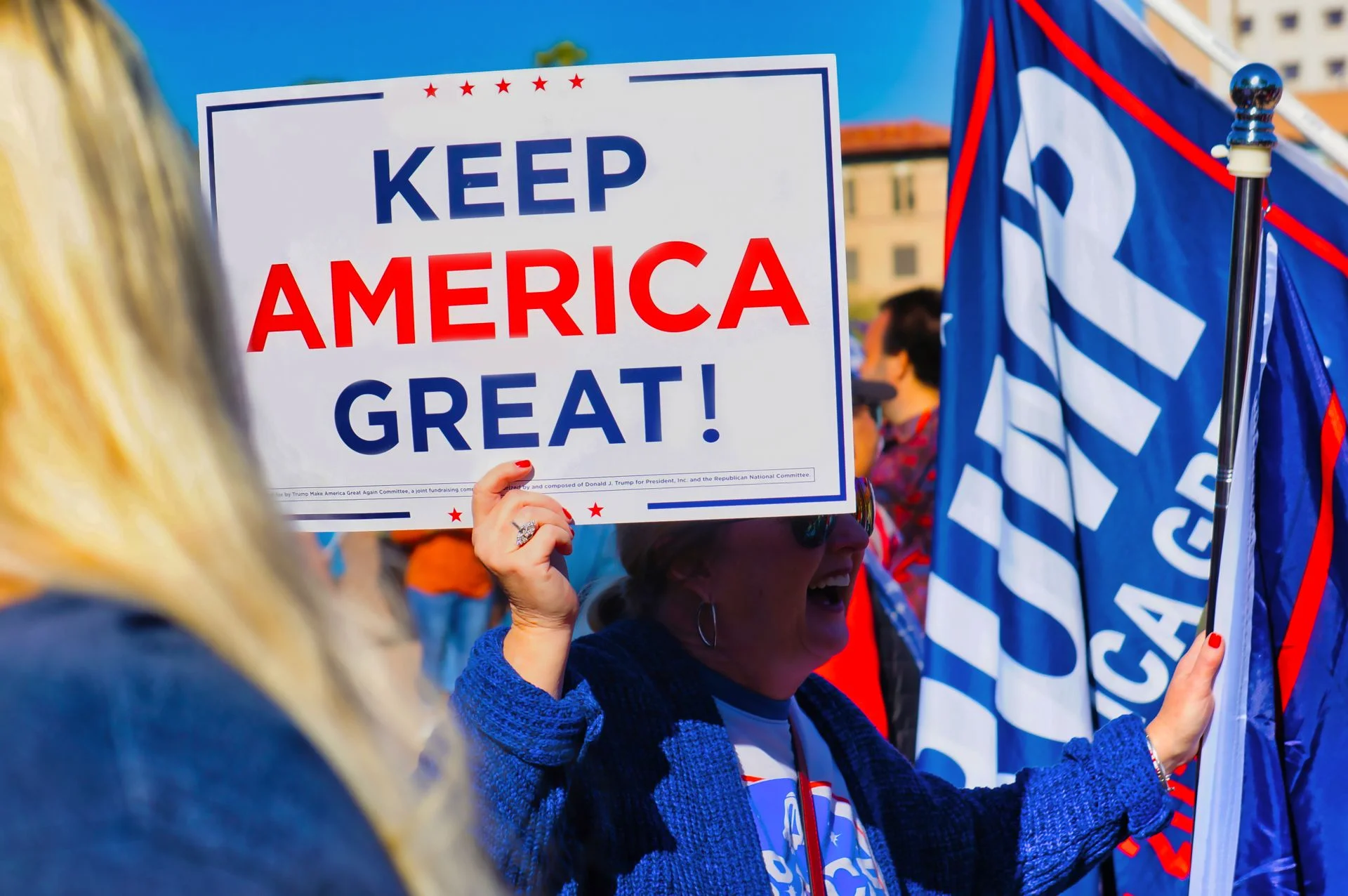
In November 2025, a row broke out over a Panorama programme that used extracts from different parts of Donald Trump’s January 6, 2021, speech, creating the impression of a single continuous passage. The BBC accepted that the edit had given the mistaken impression that Trump had made a direct call for violent action. It apologised and said it had no plans to rebroadcast the documentary. So what? In the end, Director-General Tim Davie and BBC News chief Deborah Turness resigned.
The fact is that if the BBC edits a politician’s words in a way that materially changes their meaning, it has failed a basic test of trust.
Viewers have to trust broadcasters to get the story right on air and to take concerns seriously behind the scenes. We’ve become less willing to accept the old deal: the star entertains us, so we conveniently ignore the rumours. The corporation gives us programmes we enjoy, so we overlook the people who got hurt making them. Social media can turn suspicion into a verdict before the evidence is tested – whilst treating status as a reason to leave suspicions unexamined carries dangers of its own.
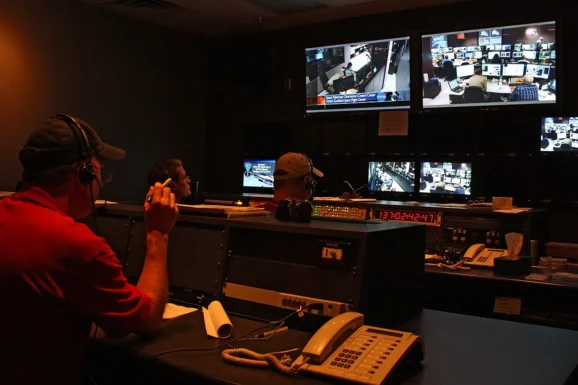
Perhaps surprisingly, the BBC remains comparatively trusted. Ofcom reported in 2025 that 68 per cent of regular BBC television news users rated its news highly for trustworthiness. A 2026 parliamentary report on the BBC Royal Charter review, citing Reuters figures, put trust in news overall at 30 per cent, down from 35 per cent in 2025. How much more trust the BBC can afford to lose remains to be seen.
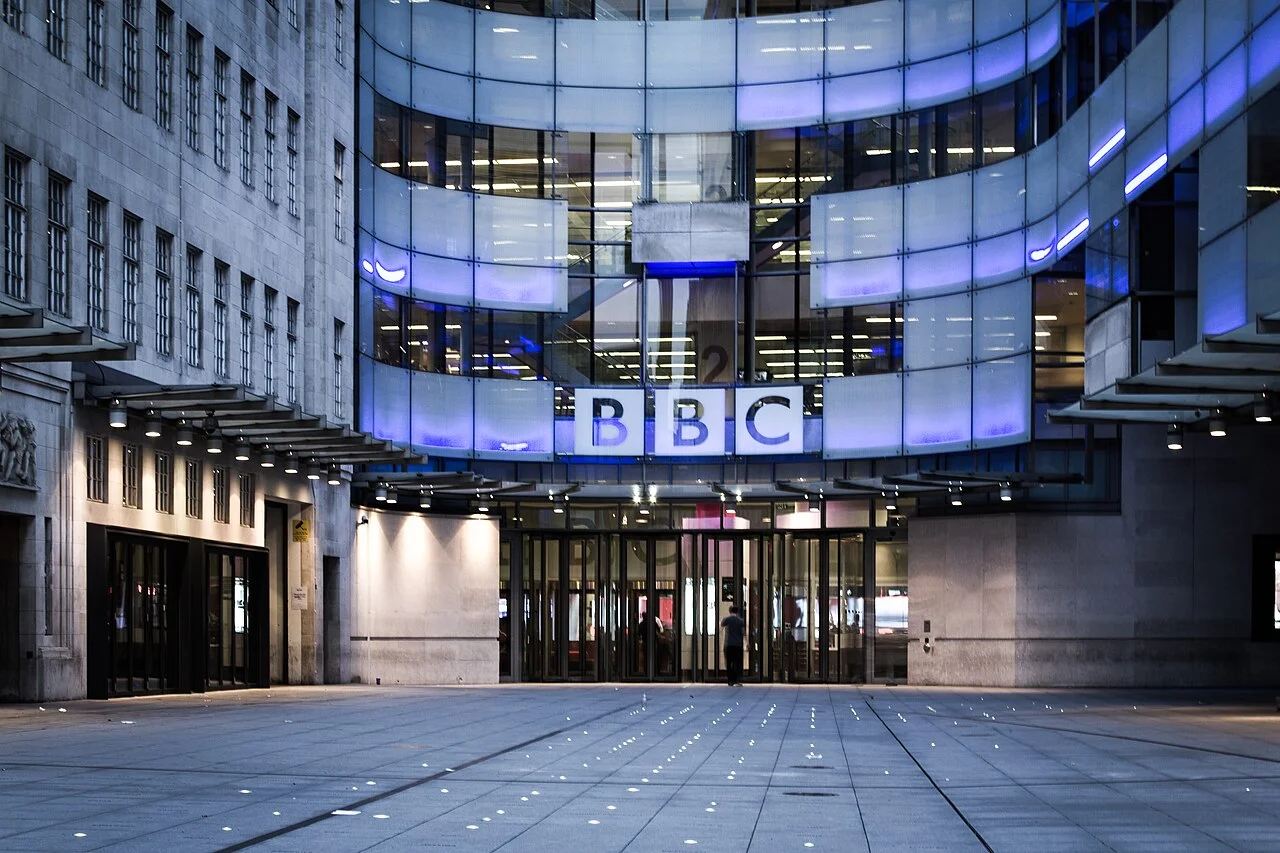
The licence fee gives the public a stake in how the BBC is governed. The current BBC Royal Charter expires at the end of 2027, and the new one is due to begin in 2028. The Charter review is precisely when the public gets to ask what the BBC is for and how it is governed. The national broadcaster is supposed to set the standard. When it fails, it should expect a harder examination than a commercial channel.
Anyone who has worked in showbusiness knows that talent and charm reveal little about character. A man can be brilliant on screen and appalling in private. A woman can be adored by millions and still be a nightmare to work with. Nobody is too famous to be managed, and nobody who spots unacceptable or damaging behaviour should have to decide whether their career is worth the risk of disclosing it.
Too many organisations have allowed cultures to develop in which commercially valuable celebrities are difficult to challenge and those working around them feel unable to speak out.
Public faith quickly wears thin when different rules apply because the name above the dressing room door is big enough. It wears away, too, when a broadcaster invades someone’s privacy, uses deception to get an interview or edits someone’s words in a way that changes their meaning.
The public is entitled to expect better from the people who decide what goes on air and who choose which concerns get acted on and which don’t.
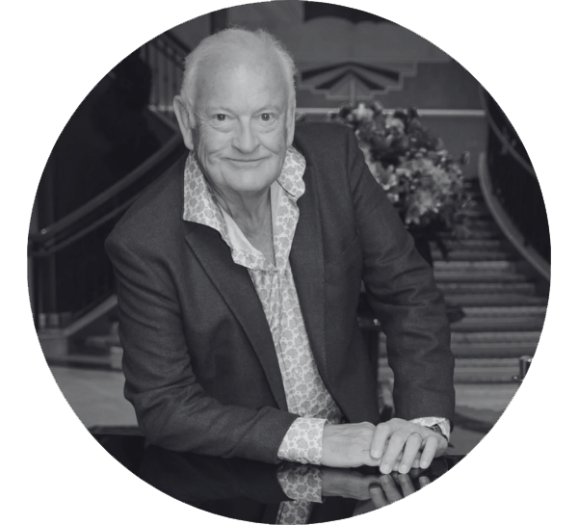
Pip Burley is a veteran television producer, author, novelist, composer and creative industries expert whose career has spanned more than six decades across television, music, theatre, advertising, publishing, business and writing. He founded television production company Excelsior and produced some of Britain’s best-known dramas, including The Darling Buds of May, A Touch of Frost and My Uncle Silas. He also composed the theme music for The Darling Buds of May, receiving an Ivor Novello Award in 1992. As novelist Philip G. Walsh, he is the author of the Harmony Legacy series of thrillers. As Television Production & Generational Affairs Correspondent for The European, he writes on broadcasting, creativity, leadership, ageism, intergenerational affairs and the role older and more experienced people can continue to play in public life.
READ MORE: Could the BBC survive without the licence fee?. With the BBC’s future funding under review, veteran television producer Pip Burley, whose credits include The Darling Buds of May and A Touch of Frost, asks whether the corporation could survive without the licence fee, and what Britain might lose if it did.
Do you have news to share or expertise to contribute? The European welcomes insights from business leaders and sector specialists. Get in touch with our editorial team to find out more.
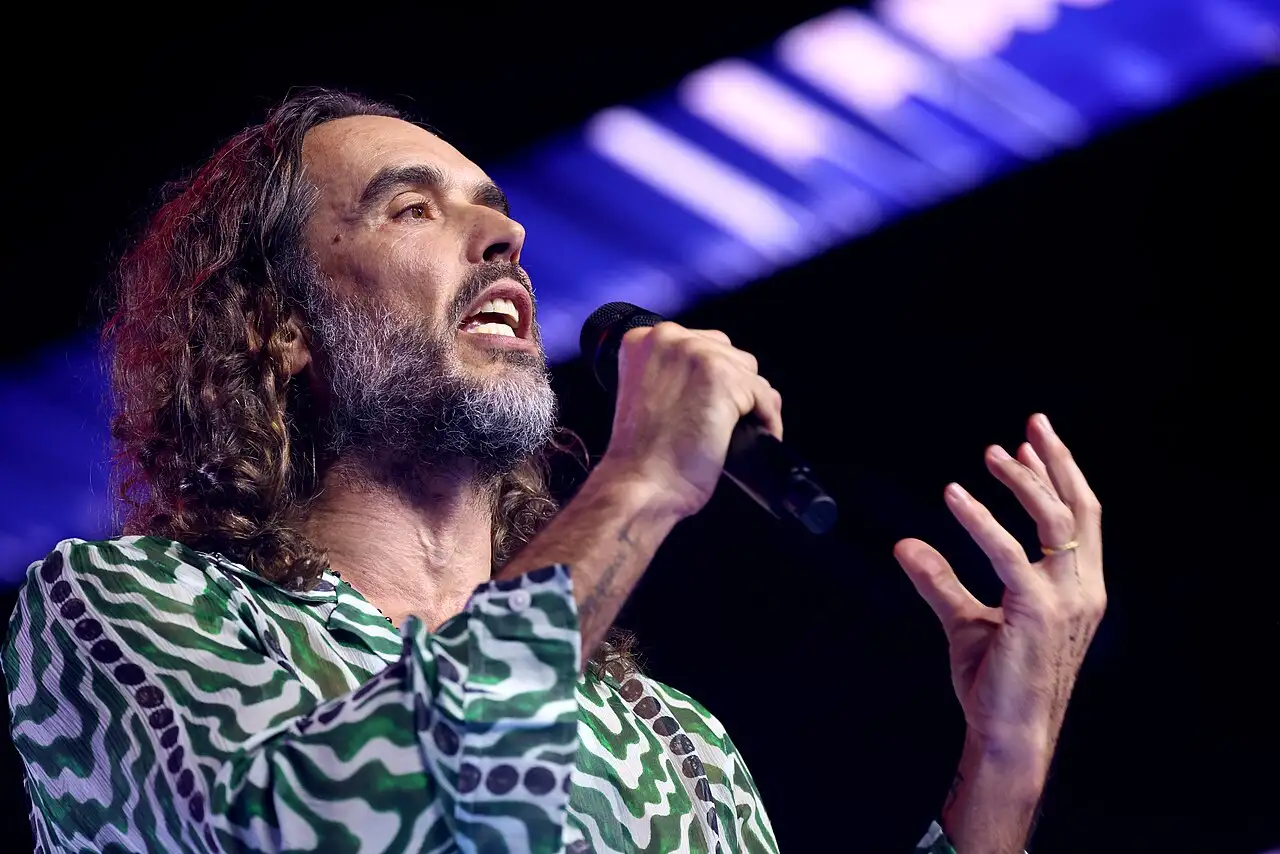
Main Image: Disgraced entertainer Russell Brand. Credit: Gage Skidmore (CC BY-SA 4.0)