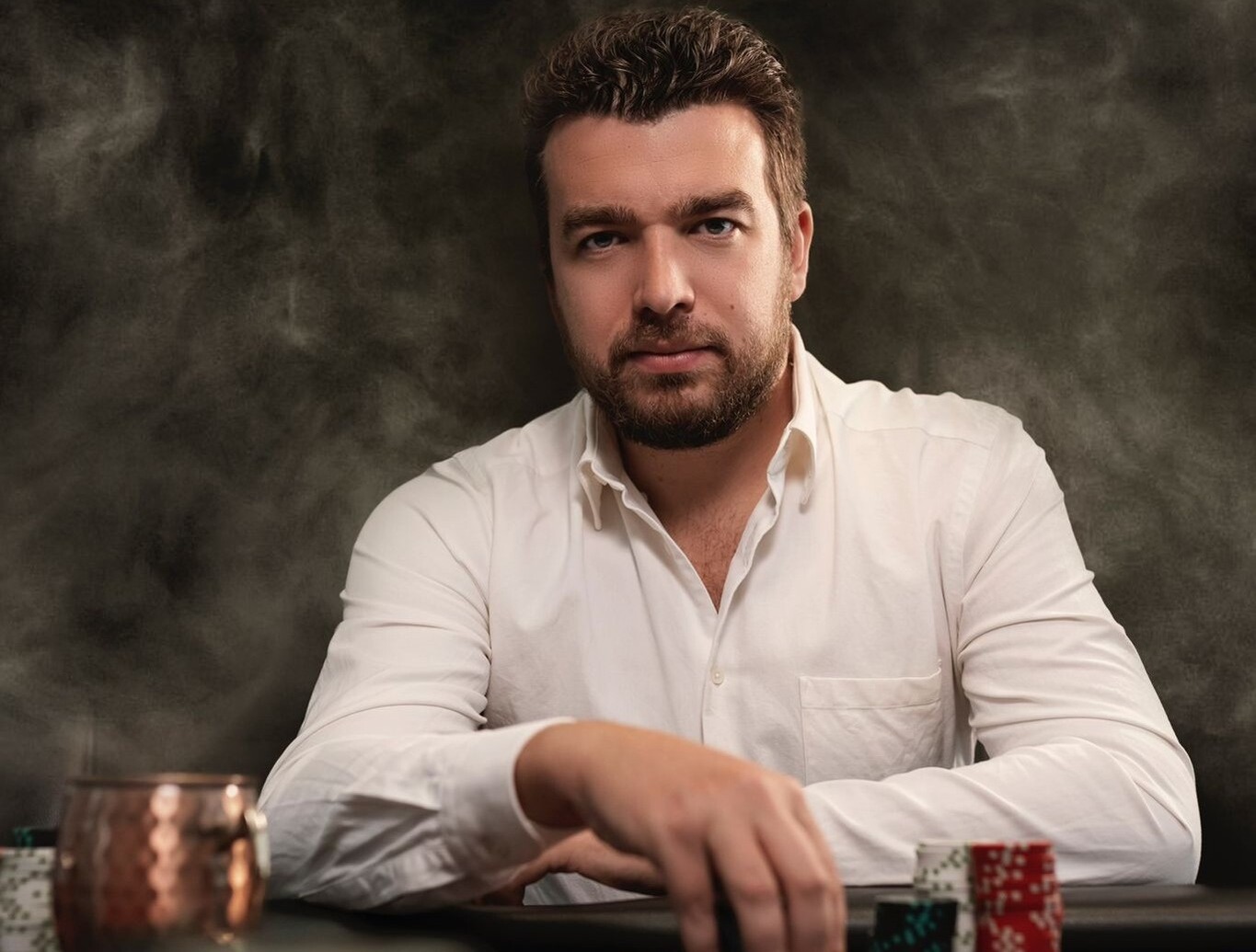
In the high-stakes world of professional poker, mental acuity is as critical as a strong hand. Players must navigate the psychological warfare of bluffing, reading opponents, and managing the emotional highs and lows of each card turn
Few understand the mental demands of the game better than Chris Moorman, an English professional poker player who has earned over $34 million and won a World Poker Tour title and two coveted World Series of Poker bracelets.
Chris has carved out a legendary career in the sport, yet he remains the modest boy next door who likes nothing better than playing a few hands with his friends.
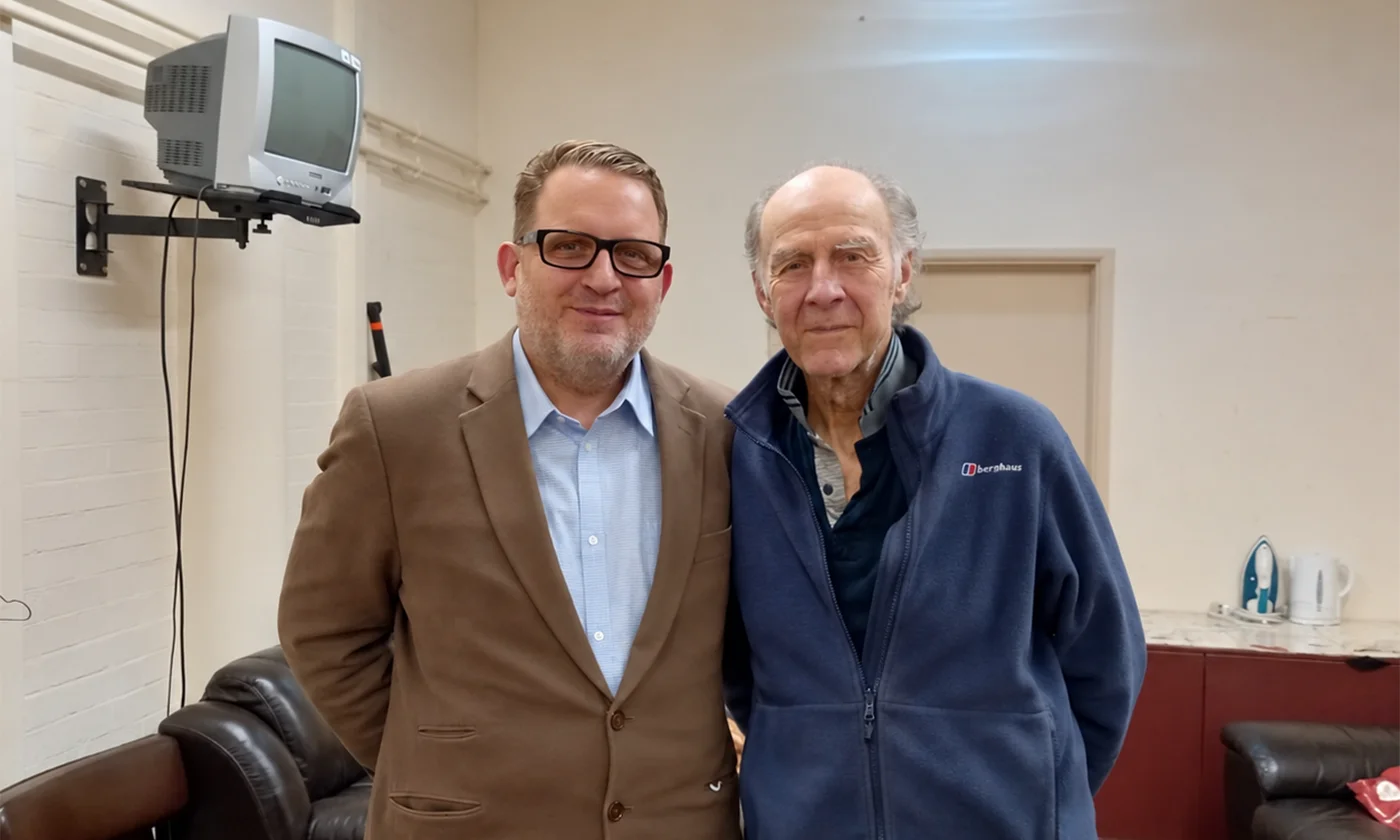
But behind every great player is a solid mental game honed through hours of practice and expert guidance. Dr Stephen Simpson, a mind coach whose work with elite athletes has helped them unlock new levels of focus, resilience, and peak performance, sits down with Chris, his longstanding client, to discuss the psychological aspects of poker, the mental techniques that separate the good from the great, and how mastering the mind can be the ultimate edge in one of the world’s most competitive arenas.
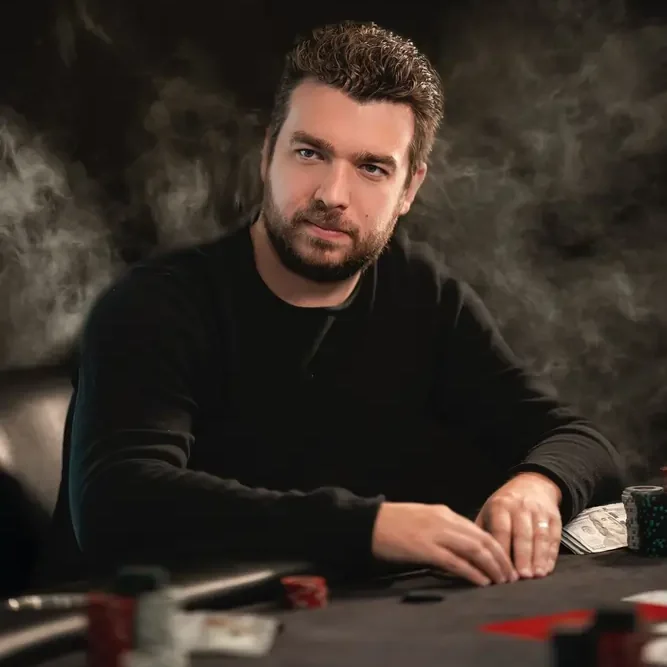
Dr. Stephen Simpson (Q): How did your poker career begin?
Chris Moorman (A): I played Bridge for England’s under-21s, so when I discovered poker and its earning potential, I was hooked. I played online during university, and it soon took over my studies. Seeing my friends make a living from it, I gave it everything and started playing cash games in 2005.
Q: Did you have any mentors?
A: Yes, David Gent and Paul Foltyn. I met them at the World Series of Poker in 2006, and they’ve been invaluable in my journey.
Q: What skills are vital for success?
A: Patience is huge. Many can play well for a while, but staying focused is key. A good memory is also crucial, as it helps to recall past hands and opponents’ tendencies.
Q: Is it possible to gauge the strengths of your opponents, and if so, how do you do it?
A: If I’m playing live poker at the casino, I like to try to talk to my opponents and find out information about them. Where they are from, what they do, and their experience level if I’ve never seen them before. You’d be surprised how open people are about things like that when any free information can hurt them. I also try to guess whether my opponent is strong or weak during a hand when I’m not involved in it to read them better when I play a pot against them later on.
Q: How do you handle bad days?
A: Everyone faces unlucky runs. Working with you as a mind coach has helped me keep perspective when things aren’t going well.
Q: What’s a typical day like for a poker player?
A: It varies. During poker series, I stay active before playing—pickleball or the gym—to keep my day balanced. I still play online three days a week to stay sharp.
Q: What misconceptions do people have about poker players?
A: People think pros are always winning. But I lose 75% of my online sessions. Tournament poker is about losing often but winning big when it counts.
Q: What advice would you give aspiring players?
A: You need to love the game. If you’re only in it for the money, it will be tough to handle the bad times.
Q: What are the most rewarding and challenging aspects of poker?
A: The reward comes when hard work pays off against a top opponent. The biggest challenge is enduring long periods of losses, even when playing well.
Q: How has poker changed since you began?
A: The rise of online poker and data analytics has transformed the game. Now, players use solvers for Game Theory Optimal (GTO) strategies, which has made the game less fun for me.
Q: What are your thoughts on AI and the future of poker?
A: I think live poker will always be of amazing value even with technological advancements, but online poker has some question marks hanging over its head. I know the poker sites are working incredibly hard to make it a safer place to play and eliminate/keep cheating at minimal levels.
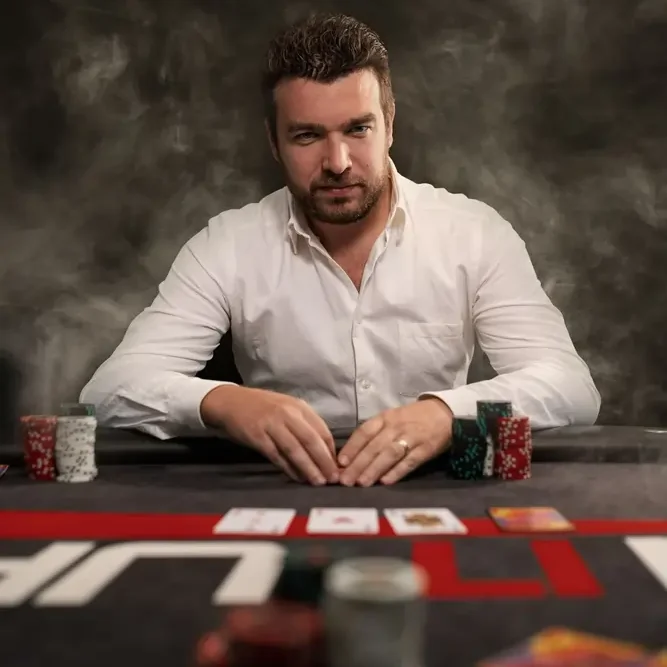
Q: What motivates you to keep playing?
A: I’m extremely competitive, and poker fulfils that need. Without it, there would be a big void in my life.
Q: What’s the biggest life lesson poker has taught you?
A: Rely on yourself. If you want something done right, it’s best to do it yourself.
Q: How do you balance poker with personal life?
A: I make time for activities outside poker, like racquet sports, golf, and travel. It helps me avoid burnout.
Q: If you weren’t a poker player, what career path might you have pursued?
A: I would have tried to get into something to do with the stock market. I studied economics at university, and business studies was one of the few subjects at school that interested me. I could imagine it being fun trading stocks, and I think I would be good at it, too.
Q: How do you recognise when you’re losing focus, and how do you regain it?
A: I start playing too fast and not thinking through my actions. When that happens, I change my playlist or listen to a podcast to distract myself from negative thoughts.
Q: Are there any weaknesses in your game that you actively work on?
A: You have to constantly evaluate your game. Poker is evolving, so it’s important to fix even small issues as soon as you spot them.
Q: What physical or behavioural cues do you find most revealing in opponents?
A; Less experienced players often have specific mannerisms based on how much they like their hand. For example, they pay more attention to the action when they have a strong hand. Observing these patterns helps in future plays.
Q: Can you give an example of exploiting an opponent’s psychological weakness?
A: When I sense a weak mental game, I target them early, playing aggressively to get under their skin. They often make reckless plays, which I can capitalise on.
Q: Do you use mental techniques to improve your game?
A: I stay focused on individual decisions and try to keep a level head, whether things are going well or poorly.
Q: How important is mental resilience for long-term success in poker?
A: It’s crucial, especially with the game getting more competitive. That’s why I’ve worked with you as my mind coach for over 10 years. Staying mentally tough through the ups and downs is key to remaining at the top. Many top players come and go, but staying elite over time is incredibly hard.
Q: What advice would you give your younger self?
A: Remember, there’s life outside of poker. I wish I had appreciated my success more instead of letting it consume me.
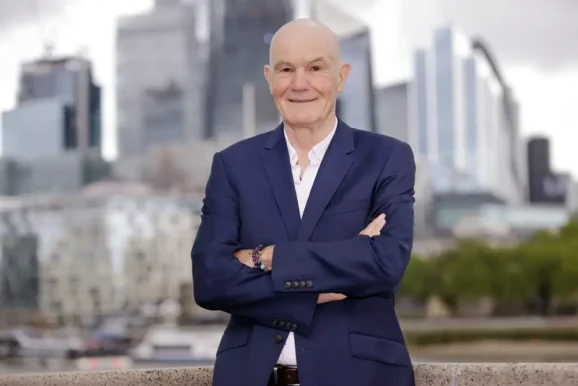
Dr. Stephen Simpson is an internationally acclaimed mind coach, TV and radio presenter, hypnotherapist, TEDx speaker, bestselling author, business consultant, and Fellow of the Royal Society of Medicine. With nearly 40 years as a practicing physician and extensive experience in elite performance coaching, mental health, hypnosis, and NLP, he has worked with top athletes on the PGA European Golf and World Poker Tours. Dr. Simpson holds an MBA from Brunel University and has served as Regional Medical Director for Chevron, contributing to global health initiatives with leaders like Bill Clinton and Bill Gates. He hosts popular shows such as “Zen and the Art of NLP,” and his YouTube channel boasts over 260 videos and 350,000 views. His latest book, “The Psychoic Revolution,” encapsulates his innovative methods for achieving peak performance.
Images: Courtesy Chris Moorman/Belters News