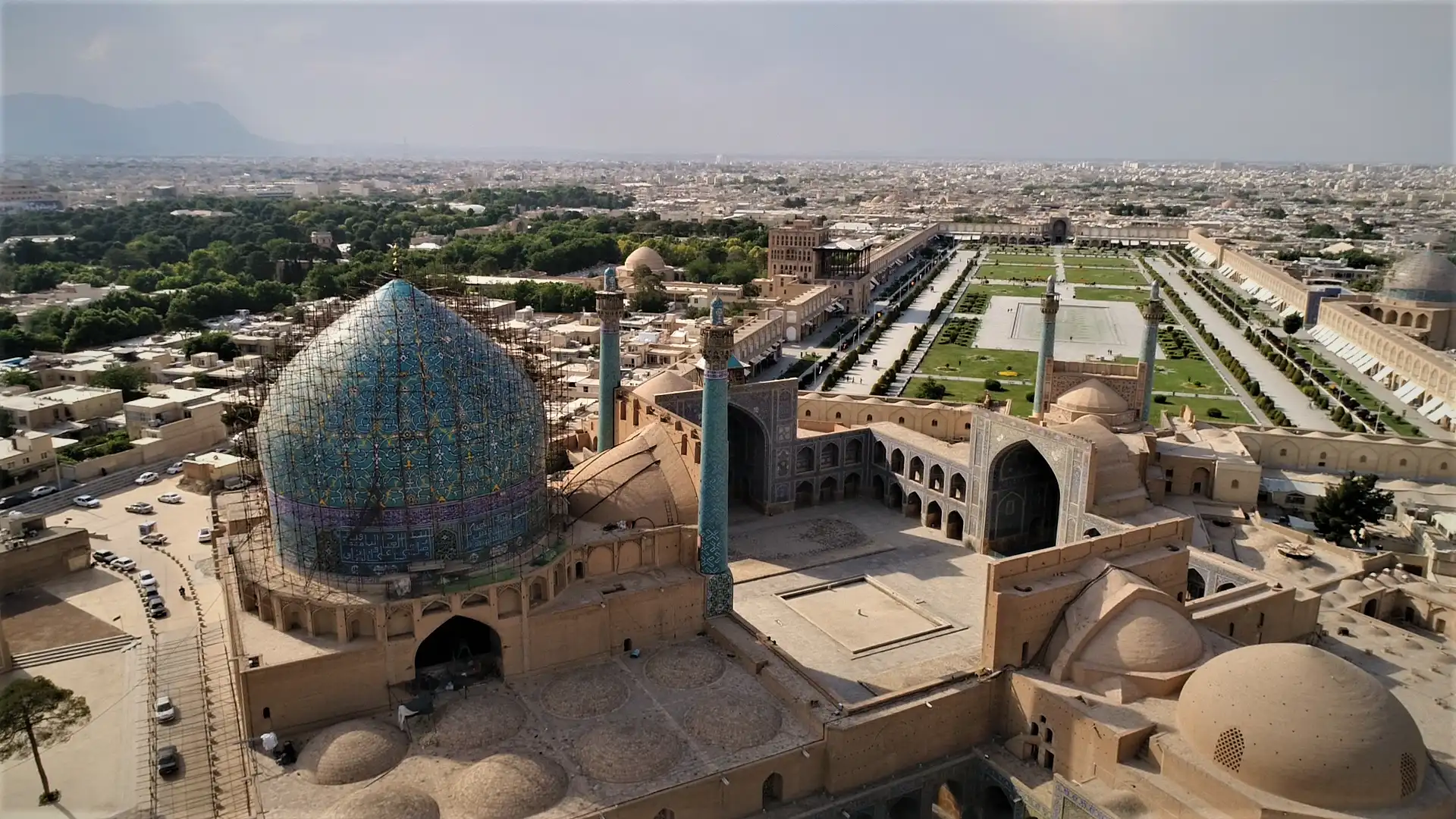
As war damages some of Iran’s most treasured historic sites, filmmaker and historical researcher Babak Mehrdadnia reflects on the craftsmen, marketplaces and traditions that preserve the country’s cultural identity, and why their survival deserves international attention
When I walk through the historic streets of Isfahan, Iran’s third-largest city, home to around 2.2 million people and situated some 420 kilometres south of Tehran, I am surrounded by the work of people who lived centuries before me. Their achievements are visible in the magnificent domes, intricate tilework, ancient buildings and bustling marketplaces that have helped define the city’s identity for generations.
I have photographed these places, written about them, filmed them and admired their beauty many times. I have also watched European and American visitors stand in amazement before buildings that local people pass every day, occasionally finding myself looking at familiar surroundings through their eyes.
This year, however, the American and Israeli military attacks on Iran have given our cultural heritage a new and troubling significance.
In March, airstrikes damaged historic monuments in Isfahan, including the 17th-century Chehel Sotoun Palace and Ali Qapu Palace. Explosions also affected buildings around Naqsh-e Jahan Square, one of the greatest achievements of Persian architecture and a place that has stood at the heart of the city’s life for more than four hundred years.
The scale of the damage extends across Iran. According to figures provided by the country’s Ministry of Cultural Heritage, Tourism and Handicrafts in September, 149 historic monuments in 18 provinces had been affected by the conflict.
Restoration specialists are working to secure damaged buildings, recover architectural fragments and prevent further deterioration. Their efforts are essential, and I hope the international community will provide the expertise and assistance necessary to protect these irreplaceable places.
Yet I believe there is another aspect of our cultural heritage that urgently deserves attention: the people whose everyday lives, livelihoods and traditions give these historic places their meaning.
I was reminded of this during a visit to one of Iran’s traditional handicraft bazaars.
The shops were open, their walls filled with beautiful handmade objects, yet customers were scarce. I noticed several young people examining an artistic object and initially assumed they intended to buy it. Instead, they appeared to be creating digital content, taking photographs of something that previous generations would have travelled to a market to encounter in person.
I cannot say precisely why that market was so quiet. Shopping habits have changed, and traditional businesses face pressures extending far beyond the recent conflict. Nevertheless, the experience made me think about how easily the human relationships associated with these places can disappear.
The mobile phone has increasingly become our principal shop window. We enlarge photographs instead of examining objects in person, read customer reviews rather than speaking to makers, and allow algorithms to influence what we see, admire and ultimately buy. The experience can be efficient and convenient, but I sometimes wonder how much we lose when our encounters with art and craftsmanship are reduced to images on a screen.
For centuries, our bazaars have been centres of commerce, craftsmanship and conversation. A visitor could examine a handwoven carpet, ask about an intricate piece of metalwork or discover the history of an object through a conversation with its maker.
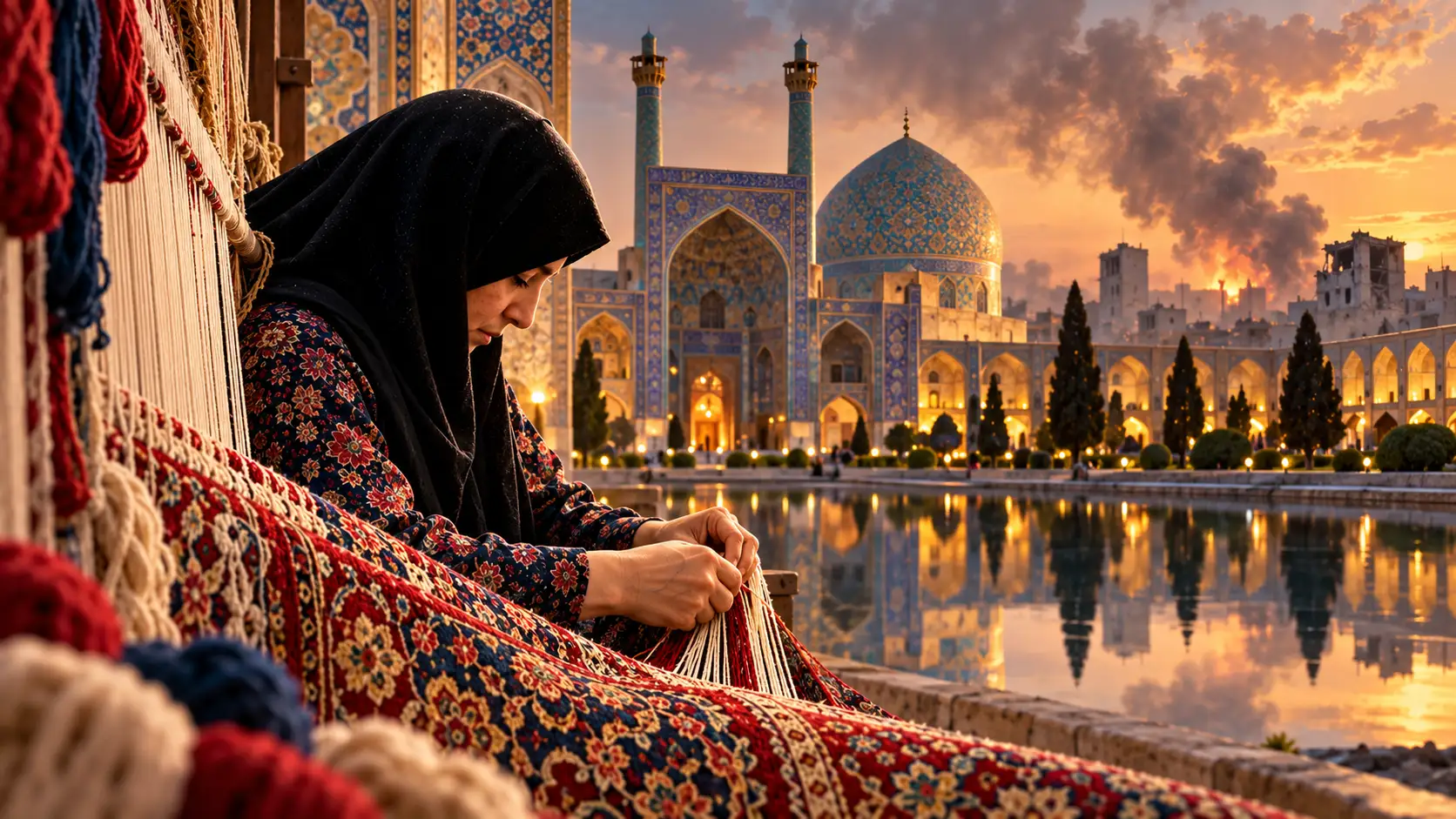
Among the traditional crafts practised in Isfahan are carpet weaving, qalamzani, the art of engraving metal, and minakari, the intricate enamelling of decorative objects. Each demands years of practice and an understanding of materials and techniques passed down through generations. The knowledge involved is part of the city’s inheritance, carried from one artisan to another over hundreds of years.
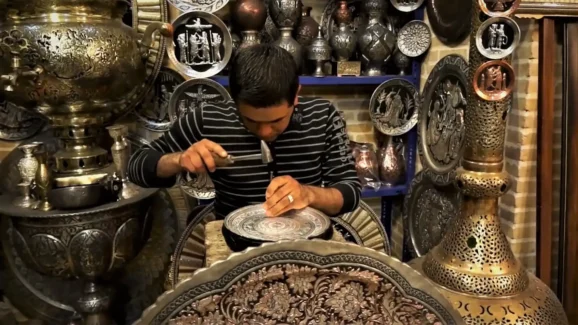
I have always been fascinated by these encounters. Several Iranian handwoven carpets hang on the walls of my home, alongside other examples of traditional craftsmanship. I value them partly for their beauty, and partly because each represents someone’s knowledge, patience and skill.
I like to know how an object was made, where its materials came from and how long its maker spent producing it. Sometimes the conversation surrounding a piece of craftsmanship can be as memorable as the object itself.
There is also something deeply satisfying about the physical experience of shopping in these places. I enjoy holding an object, feeling its weight, examining its texture and studying the small details that reveal the skill of its maker. I remember conversations with craftspeople who could explain the significance of an engraved line or the history behind a particular technique. Even leaving a market empty-handed could be rewarding if I had learned something about the art or traditions represented there.
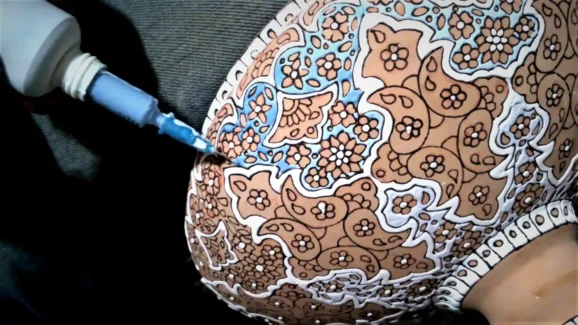
Iran’s living traditions extend beyond its workshops. Traditional clothing, regional foods and longstanding customs of hospitality remain important parts of everyday life. In Isfahan, I particularly enjoy the restaurants tucked away within the centuries-old bazaars, where Iranian dishes are served amid historic architecture. People also bring elements of this inheritance into their modern homes, sometimes furnishing a corner of even the most luxurious apartment in a traditional style. Our history remains present in the places where we eat, the objects we surround ourselves with and the customs we continue to practise.
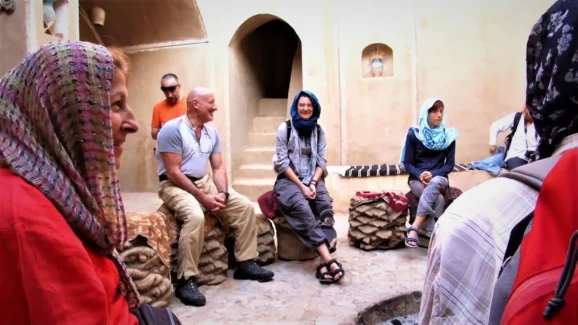
Such experiences become particularly precious when the traditions supporting them are under pressure.
Iran’s handmade carpet industry, for example, has suffered a prolonged collapse in exports. Once worth billions of dollars annually, the trade had contracted dramatically even before this year’s war, weakened by sanctions, restrictive trading conditions, economic difficulties and changing consumer demand.
The consequences extend well beyond commercial figures. When experienced craftspeople can no longer earn a living from their work, younger generations have fewer incentives to learn the skills. Techniques developed and refined over centuries can become increasingly difficult to sustain.
Military conflict adds another layer of uncertainty to an already fragile situation. Disruption to trade, the loss of visitors and the mounting pressures on household finances all present challenges to the communities that depend on these traditions.
I worry that discussions about cultural preservation can overlook this human dimension.
We rightly count the monuments damaged in war and assess the cost of restoring them. We document broken tiles, damaged walls and shattered architectural details. These are important records of destruction and essential starting points for conservation.
I would also like us to consider the future of the craftspeople who work within these historic environments, the businesses that support them and the younger people who might otherwise have inherited their skills.
The labourers, artisans, merchants, weavers and ordinary citizens who inhabit these places have helped sustain their cultural identity for centuries. Their work and daily routines give purpose to the streets and buildings we now regard as historic treasures.
A palace can be restored by specialists using surviving records and materials. Reviving a craft that has ceased to be practised, or rebuilding a community whose traditional livelihood has disappeared, may prove considerably more difficult.
I remember interviewing a group of Austrian tourists in a desert region east of Isfahan. One woman stood before a structure approximately two thousand years old, taking photograph after photograph. What struck me was that the group seemed far more interested in the historic building than in taking selfies or pictures of themselves.
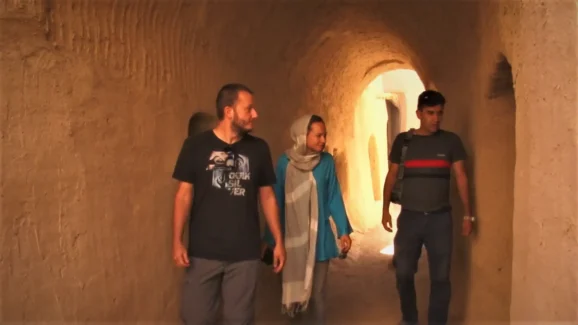
Their warmth and fascination stayed with me long after the interview was broadcast on Iranian television. They had travelled thousands of kilometres to encounter a fragment of our history, something that people living nearby might consider an ordinary part of their surroundings. I still remember the pleasure of that conversation and the connection we made beside a monument built so long before any of us were born.
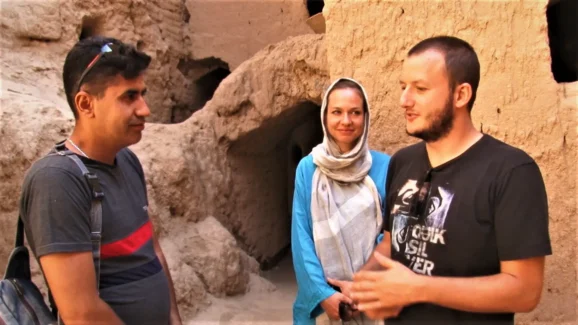
It reminded me that the cultural inheritance of a country can have meaning far beyond its borders.
I have often reflected on the strange relationship between familiarity and appreciation. In cities such as Rome, Paris, Vienna, York and Winchester, as in Isfahan, historic architecture forms part of the everyday surroundings of people who live and work there. A visitor may stop to admire something that a resident has passed hundreds of times without noticing. Familiarity can deepen the place a monument occupies in the identity and memory of a city, even when its residents rarely stop to admire it.
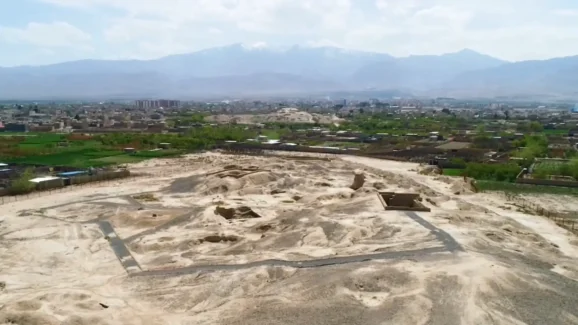
Near Isfahan, the ancient archaeological site of Sialk, close to Kashan, offers an even longer perspective, with evidence of human settlement stretching back approximately 7,500 years. Such places remind me how brief our own lives are compared with the history we inherit, and how much knowledge can be lost when we cease to take an interest in that inheritance.
This is particularly relevant during armed conflict. The historic buildings of Iran belong to the people who live among them and form part of the wider inheritance of human civilisation. Their protection is recognised under international law, including the 1954 Hague Convention for the Protection of Cultural Property in the Event of Armed Conflict.
UNESCO has communicated the locations of protected heritage sites to the parties involved in the conflict and launched emergency assistance for conservation work. These efforts deserve continued international support.
I sometimes wonder why global attention to threatened cultural heritage can seem so uneven. We celebrate great monuments as achievements of human civilisation, yet efforts to protect them do not always appear equal to the dangers they face. I would like to see the world’s concern for these places expressed with the same enthusiasm that visitors show when admiring them in more peaceful times.
I believe the longer-term response should also encompass the living traditions connected to these places.
Historic marketplaces need opportunities to remain working centres of craftsmanship and commerce. Artisans need viable livelihoods, younger generations need access to traditional skills, and cultural institutions should give greater attention to the knowledge transmitted through everyday human contact.
Digital technology could help with this work. The same young people I watched photographing handicrafts might introduce traditional Iranian craftsmanship to audiences around the world. International visibility can help support craftspeople, particularly when local markets are struggling.
The challenge is to ensure that such opportunities sustain the people who make these objects and the knowledge they possess.
I recognise how remarkable it is that someone in Europe can discover and purchase an object made in Tehran, Isfahan or another historic city without travelling thousands of kilometres. Technology has made cultural exchange possible on a scale previous generations could scarcely have imagined. Yet I believe we should distinguish between making something easier to buy and making the experience of buying it more meaningful. The speed of a transaction tells us very little about the quality of the human experience surrounding it.
War inevitably brings urgent concerns about human life, safety, displacement and economic survival. These must remain our priorities. The preservation of cultural heritage also has a place in recovery because historic environments, local traditions and shared memories contribute to the identity of communities trying to rebuild their lives.
As a researcher of art and history, I approach these events through the experience of ordinary people and the cultural inheritance they stand to lose. This makes political threats against an entire country particularly troubling to me.
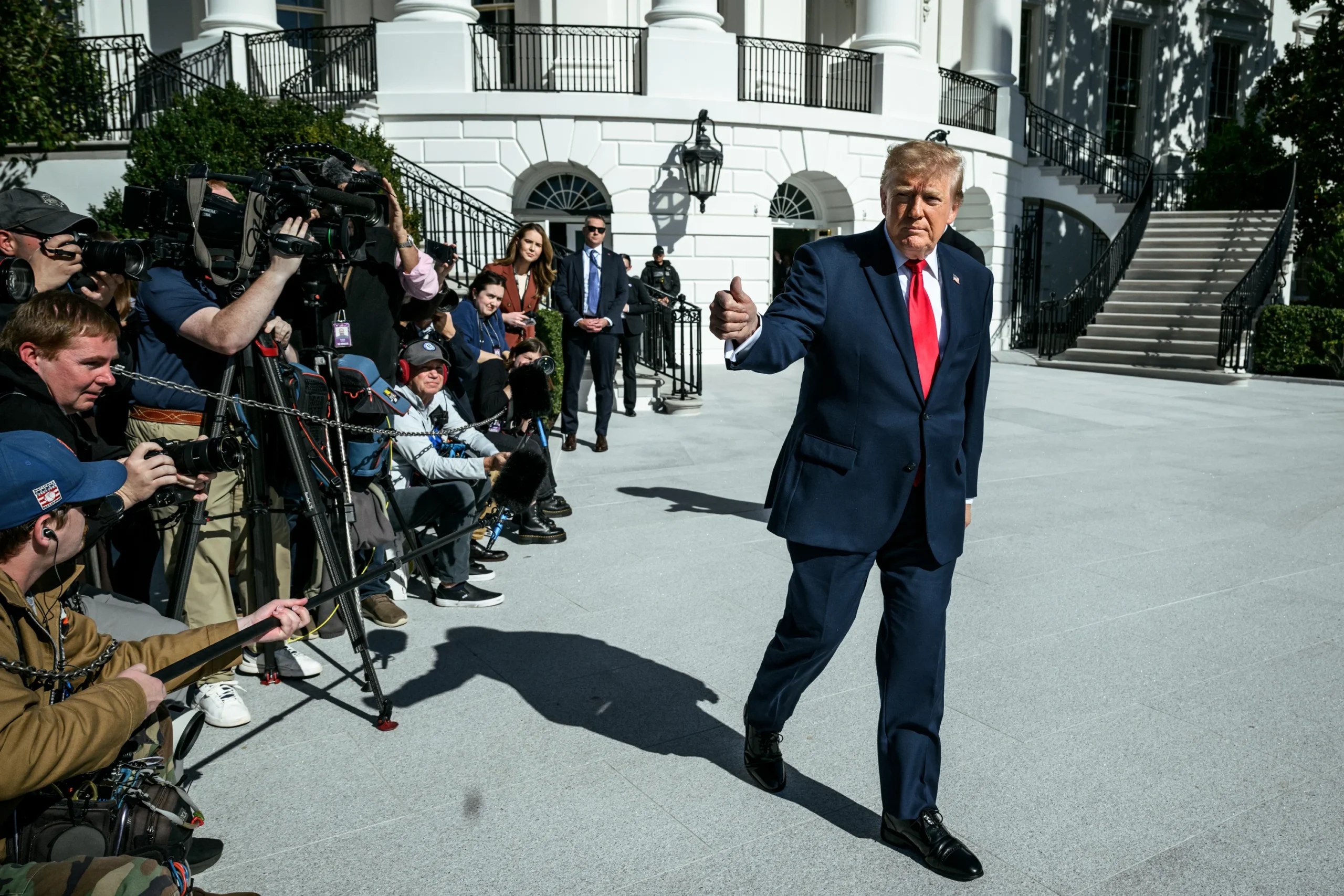
In April, Donald Trump declared that the United States would bring Iran “back to the Stone Age, where they belong”. I found those words extraordinary. I wondered whether the president had given any thought to the thousands of years of civilisation visible in the cities, buildings and traditions of the country he was threatening. Perhaps those advising him should have reminded him of that history before he spoke.
Iran has endured centuries of conflict, upheaval and reconstruction, and its people have continued to carry their cultural inheritance from one generation to another. No political declaration can erase that history. The danger, however, is that military action can destroy the buildings, communities and traditions through which so much of it survives.
I often return in my thoughts to Naqsh-e Jahan Square. Its extraordinary architecture has witnessed centuries of political upheaval, social change and daily life. The square has endured because successive generations have continued to use it, care for it and recognise its significance.
For me, the square is almost like a great painting created by architects centuries ago. Its design brought together political power, religion and commerce in one extraordinary public space. I find something remarkable in the way these different dimensions of urban life were united through architecture, and how their influence can still be felt today.
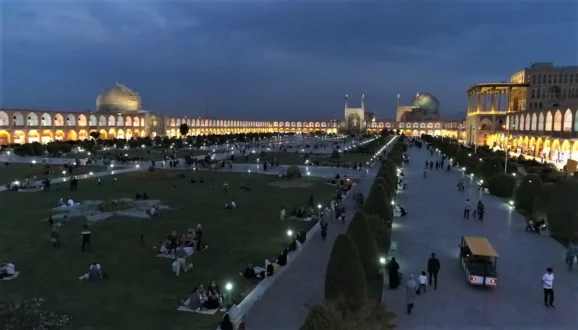
Even when airstrikes struck near the square, people continued to walk around its perimeter, surrounded by the magnificent buildings that have stood there for centuries. There was understandable alarm and anxiety, but as the immediate fear subsided, familiar routines resumed. The sight of people returning to their everyday activities amid such uncertainty has stayed with me.
I continue to see working bazaars, craftspeople pursuing their trades and families going about their lives despite the hardships around them. These everyday activities are part of the city’s history, just as surely as the monuments themselves. They remind me of the generations who have lived through earlier periods of destruction and reconstruction, maintaining their connection with familiar places even in the most difficult circumstances.
However many times I pass through familiar historic surroundings, I try to remain curious about them. I still find myself studying a building, noticing an architectural detail or wondering about the lives of those who created it. I have never wanted history to become merely a background to my daily routine. There is always something more to learn, even from a place I have known for years.
I would like future generations to enjoy that same experience. I want them to stand before its buildings, walk through its markets, speak with its craftspeople and feel the same curiosity that has accompanied my own encounters with Iran’s past.
As a student of history, I know that rulers and political systems come and go, while the lives of ordinary people continue to shape the places they inhabit. The history of Iran is part of the history of the wider world, and I believe future generations will continue to discover, study and appreciate it long after today’s political arguments have passed.
The damage inflicted on our historic monuments is a warning about how vulnerable even the greatest achievements of human civilisation can be.
We must repair what has been damaged and do everything possible to protect what remains. We must also ensure that the communities, skills and traditions which give our heritage life can survive the enormous pressures now confronting them.
If we succeed in saving the buildings but allow the knowledge and livelihoods surrounding them to disappear, future generations will inherit only part of what we were entrusted to preserve.
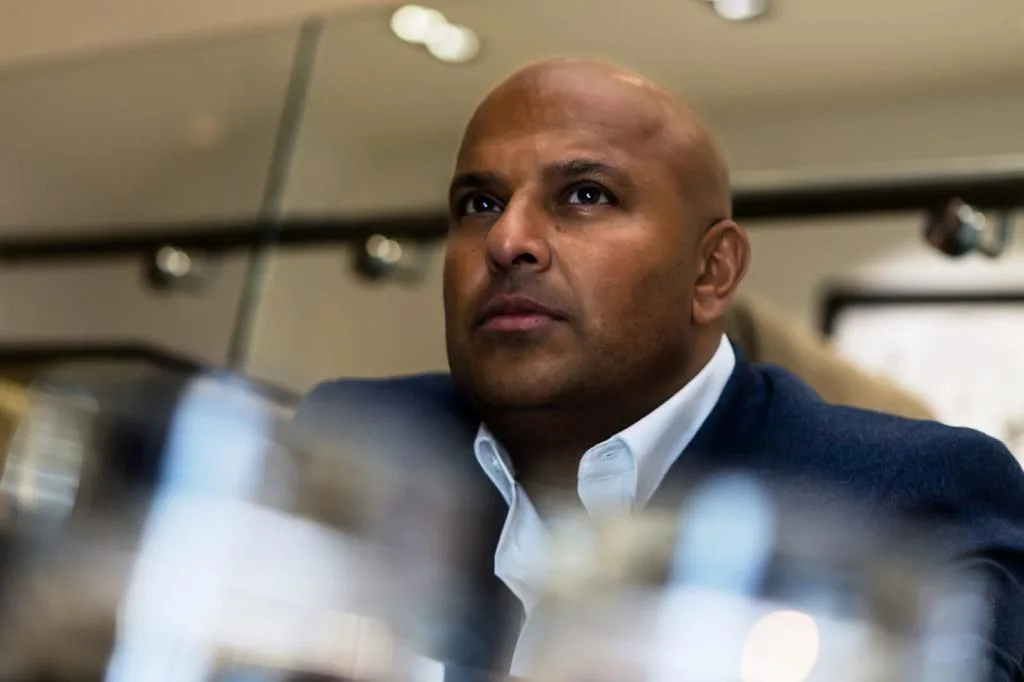
Babak Mehrdadnia is an Iranian researcher, documentary filmmaker, and producer, holding an M.A. in Art Research. As the CEO and founder of Ahura Film, he bridges visual storytelling with cultural semiotics. He is the author of several historical works, including Isfahan: From Roots to Tomorrow. His forthcoming 500-page book examines 7,000 years of beard and moustache history from Mesopotamia and Ancient Iran to modern cultures and religions. His peer-reviewed scholarship includes semiotic studies on masculine facial hair, identity, and social status in ancient civilizations, presented at international academic conferences.
READ MORE: Under fire, Iran’s carpet weavers fight to keep an ancient art alive. For generations, Iranian women have carried intricate carpet designs in their eyes, memories and hands, passing them from mother to daughter through watching, touch and repetition. Documentary filmmaker and researcher Babak Mehrdadnia has filmed weavers whose fingers can reproduce patterns that were never written down. With Iranian carpet exports collapsing from more than US$2 billion a year to below US$40 million and war bringing fresh disruption and uncertainty to communities at the heart of the trade, he reflects on an extraordinary form of cultural memory whose future now depends on the hands that still possess it.
Do you have news to share or expertise to contribute? The European welcomes insights from business leaders and sector specialists. Get in touch with our editorial team to find out more.
Main image: An aerial view of Naqsh-e Jahan Square in Isfahan, a UNESCO World Heritage Site dating from the early 17th century and one of Iran’s most celebrated architectural landmarks. (Babak Mehrdadnia)