Disabled musicians still face barriers that can prevent their talent from reaching record labels, from inaccessible studios and venues to problems with funding and promotion. It is time for the music industry to change the record and give them the same opportunity to compete, says Matthew Kayne
Britain spends a great deal of political energy talking about getting disabled people into work. Ministers discuss economic inactivity, welfare reform, employment support and the economic importance of helping more people with disabilities and long-term health conditions enter and remain in employment.
Yet there is a contradiction at the centre of that debate. We can’t continually ask disabled people to participate more fully in the economy without also asking whether the industries we are expected to enter are genuinely accessible to us.
That contradiction is particularly clear in the music industry. Disabled people are already singers, songwriters, producers, DJs and musicians. The question is whether the industry gives that talent the same opportunity to develop, be discovered and build a sustainable career.
Research from the Musicians’ Census found an average annual disability pay gap of £4,400 among musicians earning all of their income from music. Disabled musicians earned approximately £29,200 on average, compared with £33,600 for non-disabled musicians. Only one in 10 disabled musicians reported facing no career barriers, compared with one in five non-disabled musicians, while 22 per cent of disabled musicians surveyed were in debt.
Among disabled musicians who said they had experienced disability discrimination, 94 per cent said it had affected their ability to work or progress their career. Those figures expose the limitations of simply telling disabled people to be more ambitious. Ambition also needs the opportunity to turn into a career.
I have cerebral palsy and use a wheelchair full-time. I’m also a musician and DJ, and I’ve released music because I love creating it, because music gives me another way to communicate and because I want to develop seriously as an artist. I want radio stations to hear my songs. I want opportunities to collaborate with established artists and producers. And yes, I’d love record companies to listen seriously to what I am creating.
But I do not want those opportunities because I am disabled. Instead, I only ask for the opportunity to prove whether my music deserves them.
Disabled musicians should be judged against the same professional standards as everyone else, with unnecessary barriers removed so that we have the opportunity to meet them.
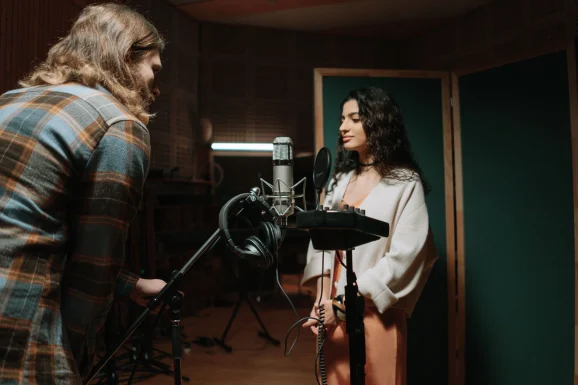
Some of those barriers are extremely practical. Can a wheelchair user enter the recording studio and use the toilet? Is there enough room to manoeuvre? Can a personal assistant accompany the artist? Is accessible transport available when a session finishes late? Can a disabled performer use the stage and backstage areas?
Those issues have nothing to do with whether somebody can sing, write or produce music, yet they can determine whether that talent ever reaches an audience.
The problem extends beyond recording studios. Attitude is Everything, a disability-led charity working to improve access to music and live events, found that one third of venue and festival websites provided no accessibility information at all, rising to two thirds among independent venues. Fewer than one in five websites surveyed provided what the organisation considered good accessibility information. For a wheelchair user deciding whether a venue is physically possible to enter, information that most people would consider administrative can determine whether participation is possible at all.
There are cultural barriers too. Research cited by Attitude is Everything found that 70 per cent of disabled artists surveyed had withheld information about a health condition or impairment because they feared it might cause problems with a promoter, venue or festival. Around two thirds had compromised their health or wellbeing in order to perform live.
Artists working in an industry supposedly built around individuality can therefore find themselves worrying that revealing what they need to do their job safely might damage their careers.
More recent research suggests similar concerns affect career development. In a survey of 71 Deaf, disabled and neurodivergent music creators, only 48 per cent felt confident applying for funding, 20 per cent felt confident sharing their access requirements and 10 per cent felt confident promoting their artist brand and music.
These pressures are becoming increasingly important because the job of being an artist has fundamentally changed. Musicians today are increasingly expected to become their own marketing departments. Creating good music is only the beginning. Artists need social-media videos, photographs, interviews, behind-the-scenes material and a constant stream of short-form content. They need to build audiences online before many parts of the traditional industry will pay attention.
For somebody like me, that creates a very practical challenge. I have ideas for videos, want to do interviews and commentary, and create more content around my music. But because of my disability, there are elements of filming and production that I physically need somebody else to help me with. Needing that practical support says nothing about my creativity.
Britain needs to become better at distinguishing between disability and inability. Requiring an adjustment doesn’t mean somebody lacks the ability to succeed as an artist. Sometimes relatively small amounts of support can enable somebody to use skills they already possess.
If ministers want disabled people to participate more fully in the economy, policy cannot concentrate exclusively on changing the individual. It also has to recognise the barriers that can prevent disabled people from developing sustainable careers in industries such as music.
That means looking beyond conventional employment and recognising that disabled people trying to build freelance and creative careers also need industries that give them a fair opportunity to develop and compete.
There is another barrier that statistics cannot entirely capture: visibility.
When disabled artists do receive attention, disability can become the entire story. I’m proud to talk about cerebral palsy. I’m proud to campaign for disability rights, and I want to use my platform to challenge inequality. But when I release a song, I also want somebody to ask me about the music: the lyrics, why I recorded it, who I want to collaborate with and what I want to make next.
Disabled artists shouldn’t have to choose between hiding disability and being defined entirely by it. True representation is reached when a wheelchair user can appear on television, perform on a stage or sign a record deal without the wheelchair automatically becoming the most interesting thing about them.
There are practical ways to improve this. Record companies should examine whether their talent-development processes are accessible. Recording studios should consider physical access as basic infrastructure. Promoters should routinely ask performers about access requirements rather than forcing artists to initiate potentially uncomfortable conversations. Broadcasters should look beyond the same established networks when seeking new musical talent. Funding bodies should make their processes genuinely accessible, and disabled artists themselves should be involved in designing the policies intended to support them.
Government also needs to recognise that the creative industries belong within the wider disability-employment debate. Britain cannot set national ambitions for closing a nearly 30-percentage-point employment gap while treating accessibility within individual industries as somebody else’s problem.
Greater accessibility also has a creative benefit. Music thrives on difference. Some of the greatest music exists because artists bring experiences, perspectives and emotions that somebody else could not replicate. Disability is part of the lives of millions of people. Disabled artists have stories about independence, relationships, exclusion, humour, frustration, ambition, joy and ordinary life that deserve a place within mainstream culture.
My own music journey is still developing, and I make no apology for being ambitious about where I want it to go. I want more people to hear my songs. I want radio play. I want to work with great producers. I want collaborations. I’d love a record company to hear something in my music and decide that it is worth investing in.
But I do not want success handed to me because I have cerebral palsy. Rather, I want access to the same starting line.
That is the wider challenge facing Britain. Disabled musicians are already writing, recording, performing, producing and trying to build careers. The talent already exists. Britain needs to stop putting unnecessary barriers between it and the microphone.
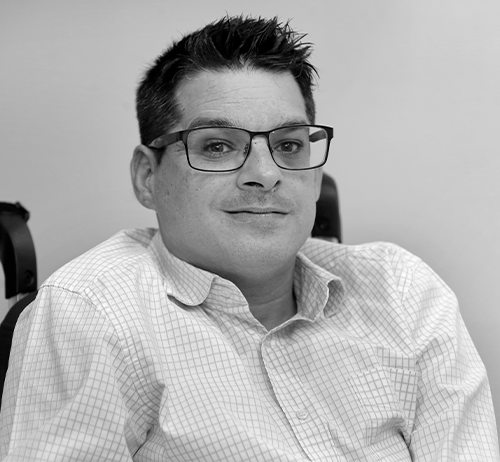
Matthew Kayne is a broadcaster, political campaigner and disability rights advocate who has turned personal challenges into platforms for change. He is the founder and owner of Sugar Kayne Radio, a DAB and online station dedicated to uplifting music and meaningful conversations, and the leader of a national petition calling for reform of the UK’s wheelchair service. Living with cerebral palsy and a survivor of bladder cancer, Matthew channels his lived experience into advocacy, broadcasting and songwriting. His long-term ambition is to bring this experience into politics as an MP, championing disability rights, healthcare access and workplace inclusion.
READ MORE: It’s time to set the wheels in motion to fix Britain’s broken wheelchair system. Changing the company delivering an NHS wheelchair service can promise a fresh start for users, yet ultimately leave the same problems in place. Real reform means fixing how wheelchair services are commissioned, monitored and held accountable, writes Matthew Kayne.
Do you have news to share or expertise to contribute? The European welcomes insights from business leaders and sector specialists. Get in touch with our editorial team to find out more.
Main Image: Pixabay / Pexels