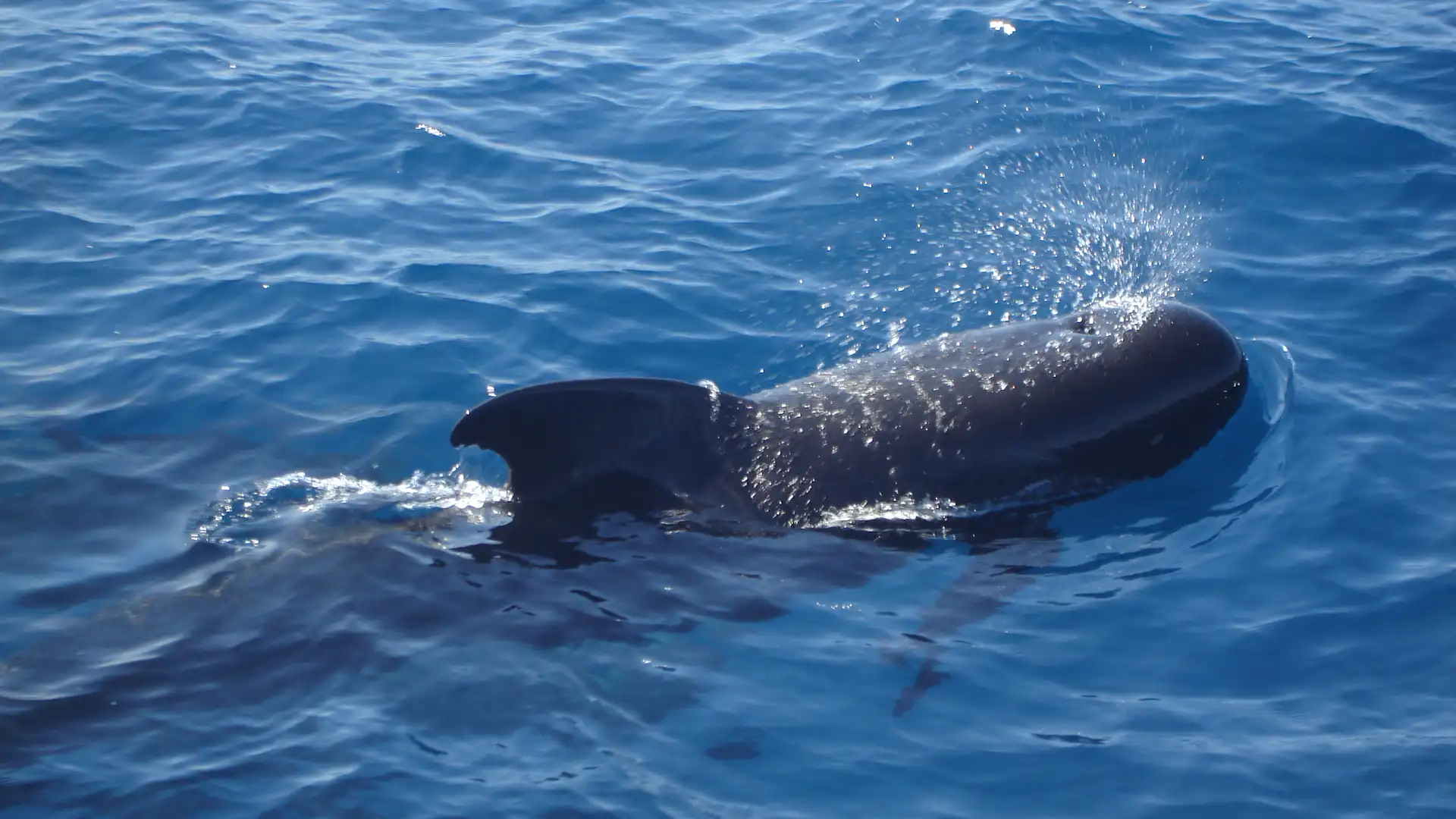
Aircraft, boats and specialist rescue teams were deployed after the long-finned pilot whales entered shallow waters around Gravesend, Tilbury and Rochester, with two animals later found dead
A major rescue operation was launched after a pod of around 25 pilot whales entered the Thames Estuary and moved into increasingly shallow waters.
Boats, aircraft and specialist marine mammal teams were deployed as the long-finned pilot whales travelled through waters around Gravesend, Tilbury and Rochester, amid fears they could become stranded.
British Divers Marine Life Rescue (BDMLR) and the Port of London Authority led efforts to monitor the animals – which grow to around 7.5m (25ft) – and encourage the main pod back towards the North Sea.
Civil Air Support was also brought in to transport specialist whale rescue equipment and carry out aerial searches.
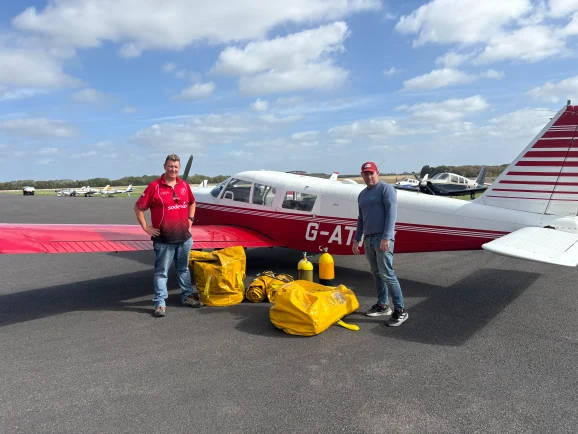
As the risk of stranding increased on Friday, the organisation flew a rescue kit from Turweston Aerodrome to Rochester in a PA-32 Cherokee Six.
The equipment included two large inflatable pontoons and a heavy-duty tarpaulin which can be used by trained marine mammal medics to support and refloat a stranded whale.
Later the same day, one whale separated from the pod and stranded near Rochester, allowing rescuers to deploy the equipment.
Meanwhile, a flotilla of boats spent around six hours following the main pod for more than 20 nautical miles towards the outer estuary and open sea.
Civil Air Support then launched observation flights on Saturday and Sunday to establish whether the whales were continuing towards the North Sea or turning back.
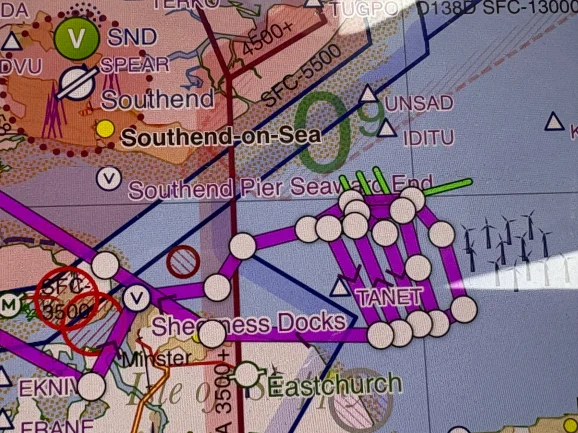
Sunday’s search covered the Medway Estuary, Southend, London Gateway, waters towards the offshore wind farms and stretches of coastline where stranded animals might have been found.
No further members of the main pod were spotted during the flight.
Graham Mountford, the transport operations manager for Civil Air Support, said: “This was a very good example of how CAS can support a specialist organisation such as BDMLR when a situation develops rapidly.
“Because we have an MoU in place and already understand each other’s capabilities, we were able to respond quickly without having to establish relationships or processes from scratch.
“We were able to move specialist rescue equipment from Turweston to the operational area within hours and then provide aircraft and crews for aerial observation as the situation developed.
“The strength of CAS is that we have pilots, observers and aircraft distributed around the UK. That means we can often put together the right combination of people, aircraft and specialist experience at relatively short notice, wherever it is needed.”
Two whales from the wider incident died.
One female was found dead near East Tilbury on Saturday, while another female which had separated from the pod was later found dead at Canvey Island.
BDMLR is working with the Cetacean Strandings Investigation Programme to recover the animals for post-mortem examinations.
The response also involved Coastguard teams, Kent Fire and Rescue Service and other local responders.
Mountford added: “In a mass stranding situation, time is critical and the more rescue equipment that can be brought to the site, the greater the potential to help the animals. CAS has supported BDMLR in the past by bringing equipment together from different parts of the country, and this incident was another example of how that capability can be used.”
READ MORE: China offers UK coastal rescue lessons as Yancheng wetlands hailed by conservation figures. China’s ambassador says Yancheng can help deepen cooperation with Britain and Europe on biodiversity and climate resilience, as Stanley Johnson and international conservation figures urge governments to treat coastal protection as a strategic priority.
Do you have news to share or expertise to contribute? The European welcomes insights from business leaders and sector specialists. Get in touch with our editorial team to find out more.
Main image: A long-finned pilot whale surfaces at sea. Around 25 of the animals entered the Thames Estuary, prompting a major operation to steer the pod back towards open water. Image: gailhampshire/CC BY 2.0