The government’s newly announced social media ban for under-16s is intended to protect young people online. But disability correspondent Matthew Kayne argues that unless policymakers proceed carefully, balancing protection with inclusion, disabled users of all ages could become an unintended casualty of the legislation
Britain has reached a turning point in its relationship with social media.
Concerns about mental health, cyberbullying, harmful content, body image pressures and excessive screen time have moved steadily from parenting conversations into mainstream political debate. The government has now announced plans to prevent under-16s from accessing major social media platforms altogether, with the restrictions due to come into force from Spring 2027.
The government says the objective is straightforward: protect children, reduce harm and create safer online spaces.
Yet I increasingly believe we are asking the wrong question.
Every generation experiences technological change. Television changed family life, the internet transformed access to information, and smartphones changed how we communicate.
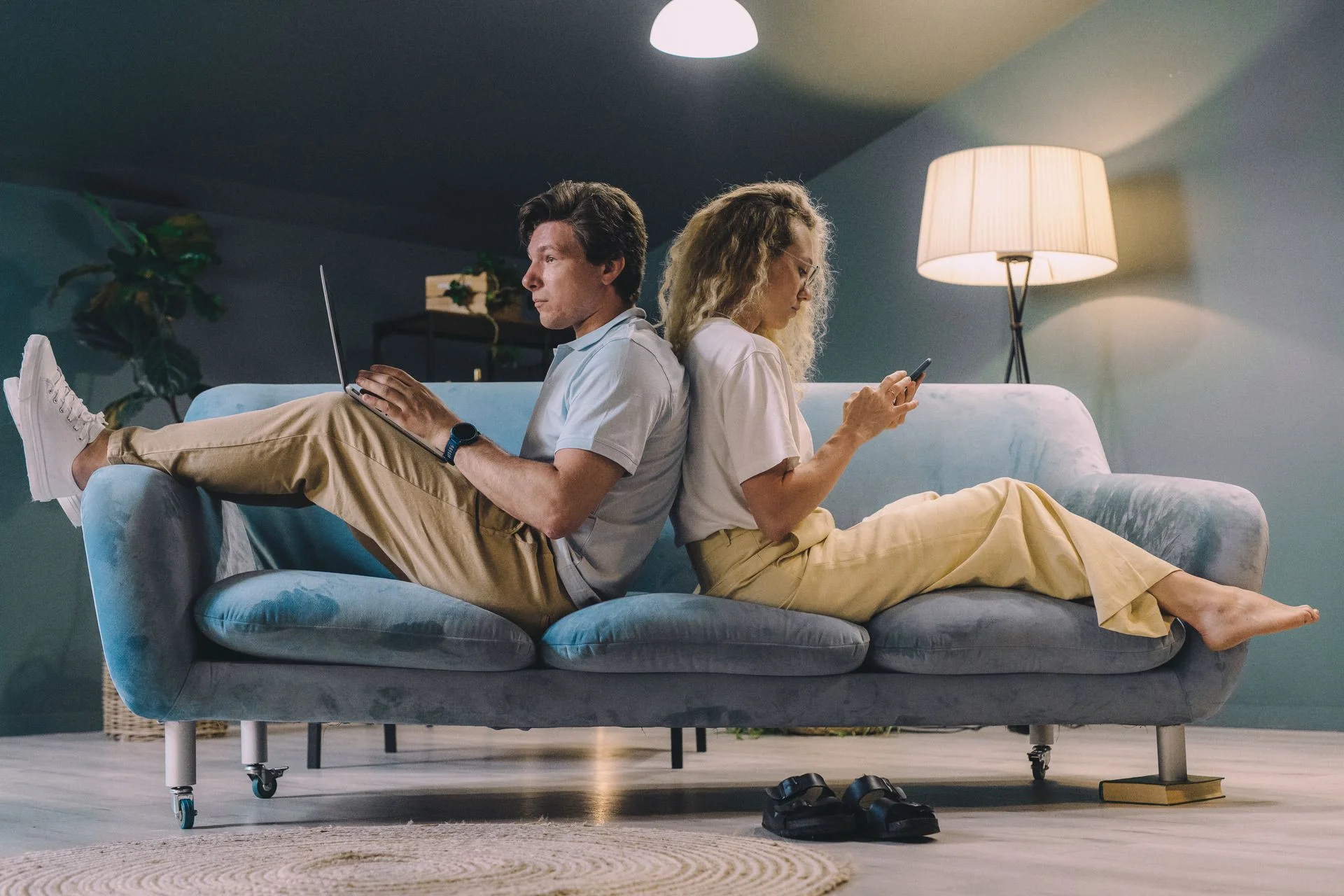
Social media has gone further still. For the first time, children are growing up inside algorithm-driven environments that constantly compete for their attention and play an increasingly important role in shaping identity, friendships and self-worth.
According to Ofcom, 66 per cent of children aged between eight and 14 use YouTube regularly, while 58 per cent use WhatsApp and 55 per cent use TikTok. These platforms are no longer occasional websites visited after school. For many young people, they have become extensions of their social world.
That level of influence would be remarkable under any circumstances. The fact that it is exercised largely by private technology companies makes it more remarkable still.
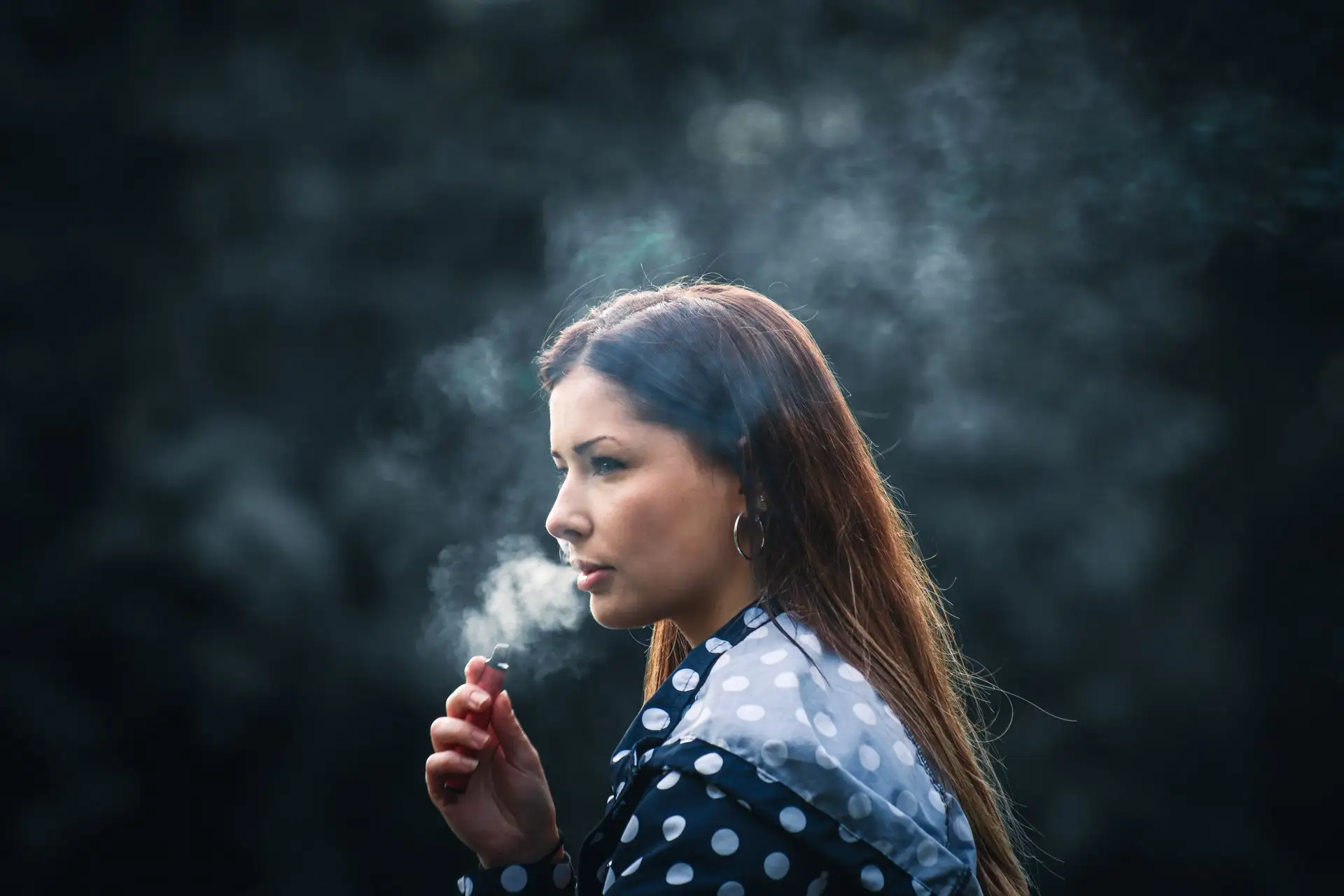
There are genuine reasons why this debate is happening. Parents see children spending hours online every day. Teachers report increasing concerns around concentration and anxiety. Mental health professionals have warned about the effects excessive screen use can have on sleep, self-esteem and emotional wellbeing.
No responsible society should ignore those concerns.
At the same time, simplistic answers rarely solve complex problems. Social media is neither entirely harmful nor entirely beneficial. It is a powerful tool that can bring both opportunities and risks, depending on how it is used and by whom.
So the current political debate extends far beyond social media, concerning how Britain defines childhood in the digital age and whether policymakers truly understand that young people do not all experience digital life in the same way. That is particularly true for disabled children.
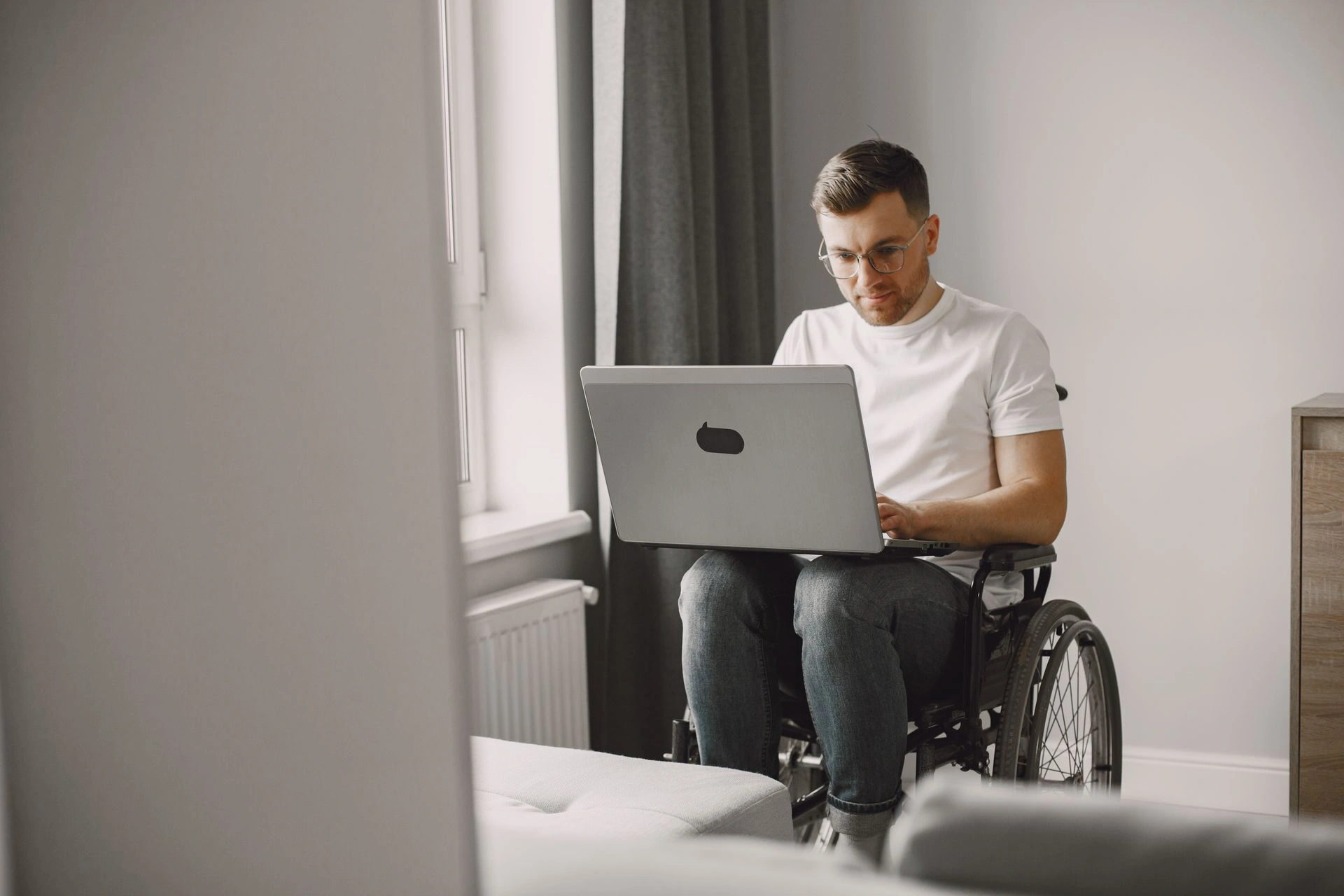
For many disabled children, social media is not simply entertainment. It can be a source of connection, independence and participation. Online communities often provide opportunities to meet people with similar experiences, access support and reduce feelings of isolation.
Many disabled children already face barriers elsewhere in society. Transport may be difficult, activities may be inaccessible, and opportunities for face-to-face social interaction can be more limited than they are for non-disabled peers.
Digital spaces can therefore play a particularly important role in helping them maintain friendships, build confidence and participate in wider society.
That does not mean those spaces are free from harm. Disabled young people can be exposed to many of the same risks as everybody else, and sometimes additional ones.
However, it does mean policymakers should think carefully before assuming that restrictions will affect all young people in the same way.
And the restrictions now set to be introduced also present practical challenges to disabled users of all ages, as age-verification systems risk creating barriers for people who rely on assistive technologies.
I’m not saying that the digital world should be exempt from scrutiny. The question of social media access is not simply a technology debate. It is also a public health debate, an education debate and a safeguarding debate. We regulate gambling, alcohol, medicines and television broadcasting because society recognises that children need protection while they develop.
At the same time, protection and participation must exist together. One should not come at the expense of the other.
The significance of this moment lies in the growing recognition that unlimited digital access was never a sustainable long-term strategy.
But if the response is to be thoughtful rather than reactive, accessibility cannot be treated as something to consider after policies have been designed and implemented. Unfortunately, that has happened repeatedly across public life, particularly impacting the UK’s disabled community.
Any future social media legislation must avoid repeating that mistake.
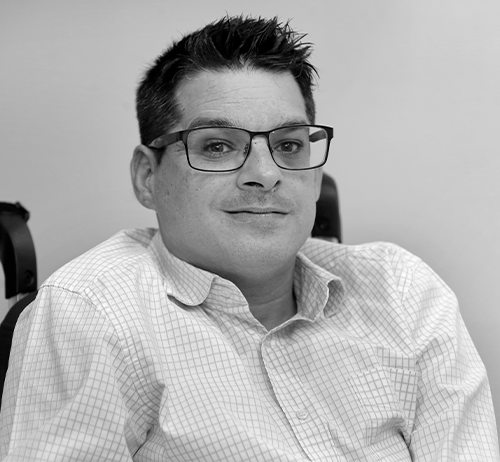
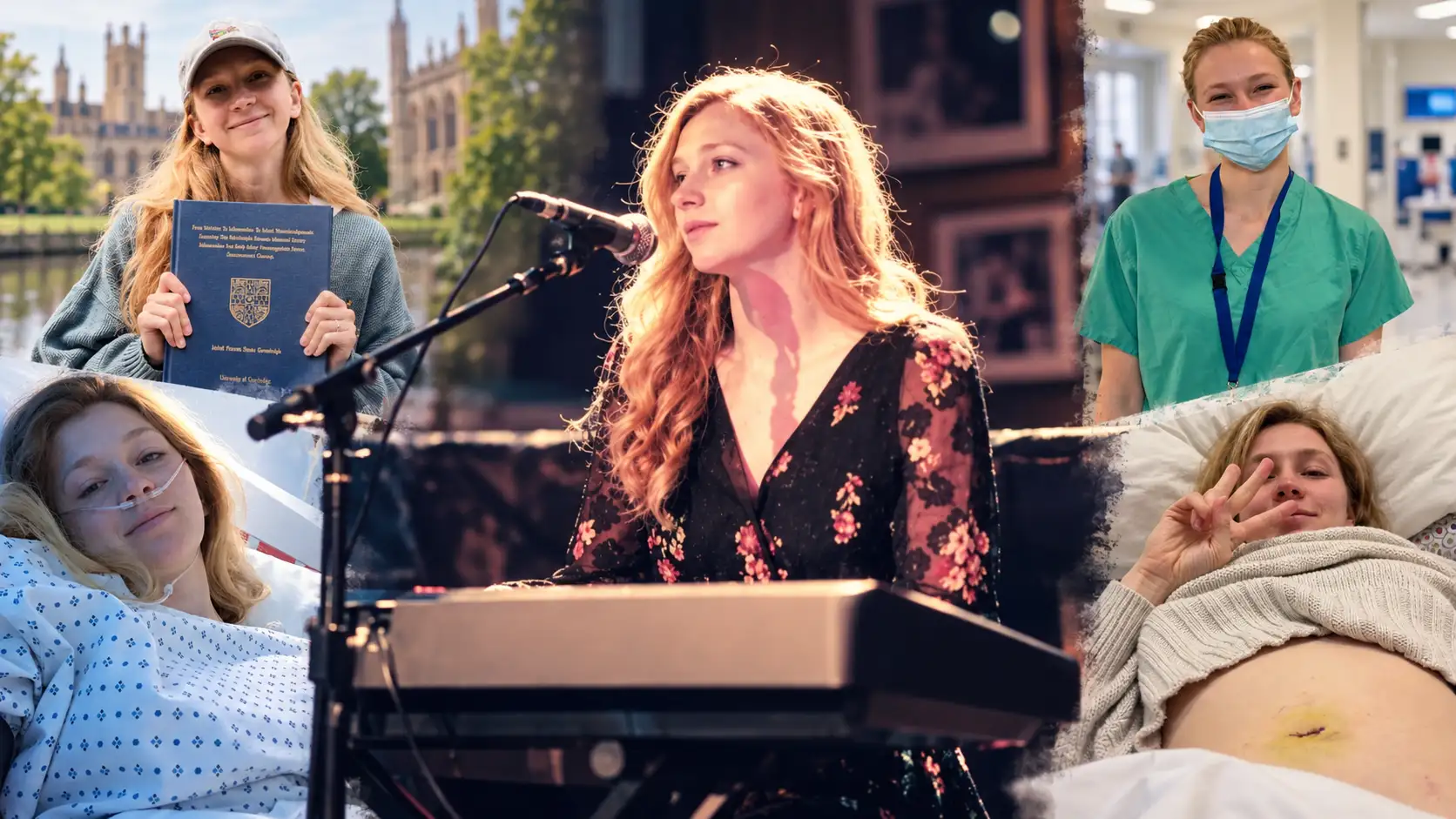
Matthew Kayne is a broadcaster, political campaigner and disability rights advocate who has turned personal challenges into platforms for change. He is the founder and owner of Sugar Kayne Radio, a DAB and online station dedicated to uplifting music and meaningful conversations, and the leader of a national petition calling for reform of the UK’s wheelchair service. Living with cerebral palsy and a survivor of bladder cancer, Matthew channels his lived experience into advocacy, broadcasting, and songwriting. His long-term ambition is to bring this experience into politics as an MP, championing disability rights, healthcare access, and workplace inclusion.
READ MORE: ‘Britain cannot claim to be united while disabled people still feel invisible‘. The government says Britain is becoming fairer, more united and more inclusive. Yet millions of disabled people still face inaccessible housing, overstretched services and political invisibility that leave those promises sounding increasingly detached from reality, writes Matthew Kayne.
Do you have news to share or expertise to contribute? The European welcomes insights from business leaders and sector specialists. Get in touch with our editorial team to find out more.
Main Image: Gustavo Fring/Pexels