As Europe sees mass street protests and political polarisation, historian Dr Linda Parker traces how the conditions that once gave rise to Mosley’s fascists are re-emerging – and why Britain must not forget the lesson of Cable Street
On 4 October 1936, the streets of East London became a battleground. Sir Oswald Mosley’s British Union of Fascists had planned to march through a Jewish neighbourhood under heavy police escort, with some 6,000 officers deployed to keep order. As the march advanced, it met an immovable wall of opposition: an estimated 100,000 people – Jewish residents, trade unionists, socialists, Irish dockers and local families – who filled Cable Street from end to end. When police attempted to force a passage through, clashes broke out across the district. After hours of disorder, Mosley’s column was turned back, and the episode entered history as the Battle of Cable Street – a defining moment of public defiance that helped stem the growth of fascism in inter-war Britain.
Within months, Parliament passed the Public Order Act of 1937, banning political uniforms and restricting extremist rallies.
That day has come to symbolise the moment when ordinary citizens stood up to hatred. Yet the deeper lesson is that the conditions that allow fascism to flourish – grievance, fear and scapegoating – are never banished for good. They return whenever politics grows weak, leadership uncertain and livelihoods insecure.
The 1930s provided exactly those conditions. Economic depression had hollowed out communities. Traditional parties appeared distant and paralysed. Across Europe, charismatic demagogues offered easy solutions and convenient enemies. Mosley’s Blackshirts drew from the same well of resentment that fuelled Hitler’s Germany and Mussolini’s Italy: nationalism, nativism and anger directed at “outsiders”.
Britain resisted the slide into dictatorship, but not because it was immune. It survived because its institutions, press and public ultimately refused to follow. The rhetoric that animated the British Union of Fascists – protection of the “native” population, suspicion of foreigners, disgust with politicians – has proved remarkably durable.
Ninety years on, those same ingredients are visible once more. Across Europe, parties once confined to the margins are edging towards power. Germany’s AfD is surging; Poland’s Law and Justice party continues to shape the national narrative; and Marine Le Pen’s National Rally stands within reach of the French presidency. The political cordon that once kept the far right from office is crumbling.
In Britain, the atmosphere feels uncomfortably familiar. Years of economic stagnation, political upheaval and eroded trust have left space for populism to grow. A succession of short-lived prime ministers has deepened public cynicism; a faltering economy has fuelled resentment; and an obsession with immigration has become a lightning rod for anger.
Figures such as Tommy Robinson, founder of the English Defence League in 2009, have continued to attract support from sections of the public opposed to immigration and cultural change. Groups including Hearts of Oak, For Britain, the BNP, Patriotic Alternative and Britain First have also been active in that space, organising rallies and campaigns focused on national identity, policing and border control.
Those tensions reached a new pitch in September, when Robinson’s “Unite the Kingdom” rally drew as many as 150,000 people into central London. The event descended into violence as police clashed with sections of the crowd, reportedly leaving dozens of officers injured and making multiple arrests. Elon Musk addressed the rally by videolink, criticising immigration policy and calling for a change of government in the UK.
The London rally, attended by an estimated 150,000 people, was among the largest events of its kind in recent decades and marked the emergence of a new party, Advance UK, led by Ben Habib, within this volatile movement.
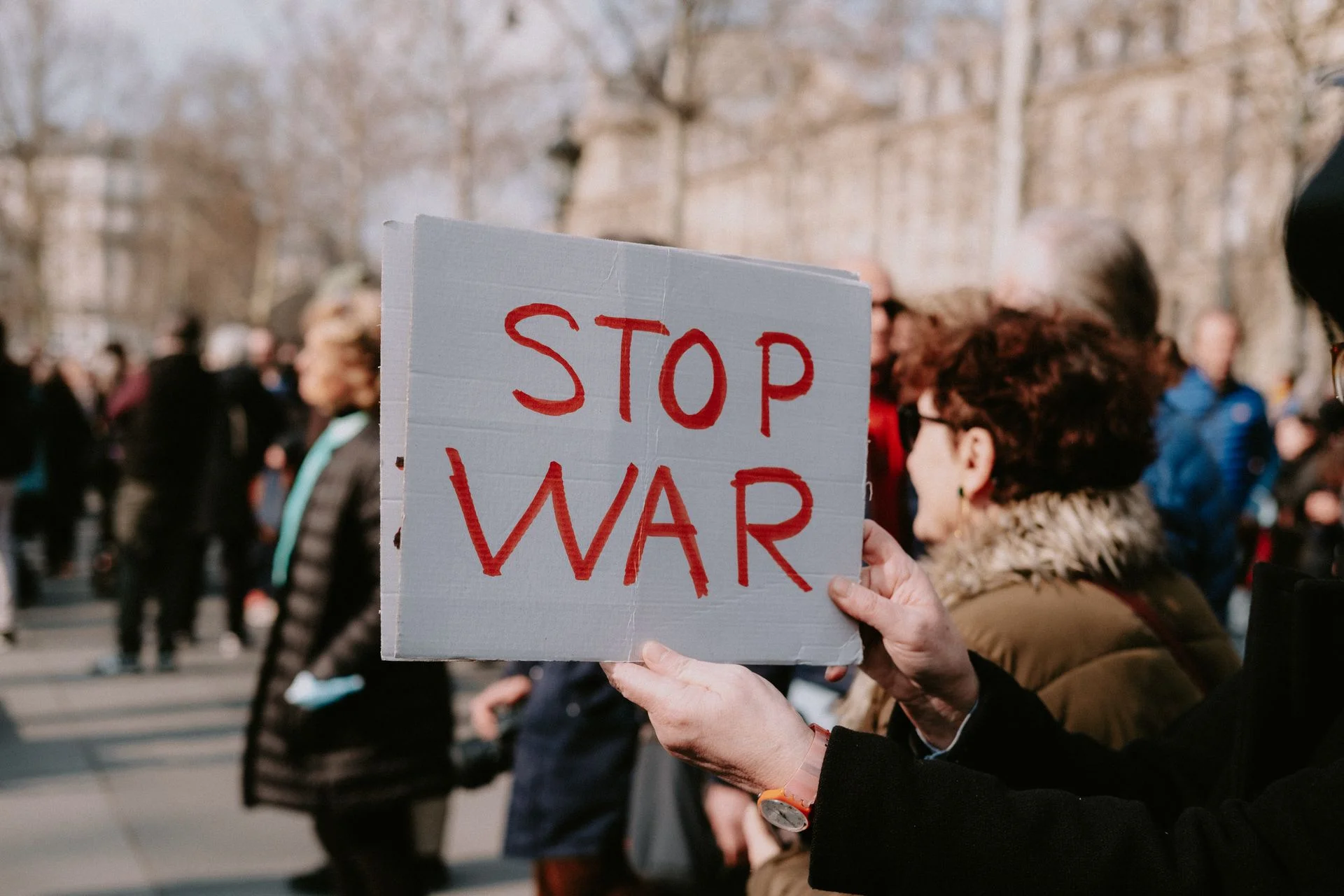
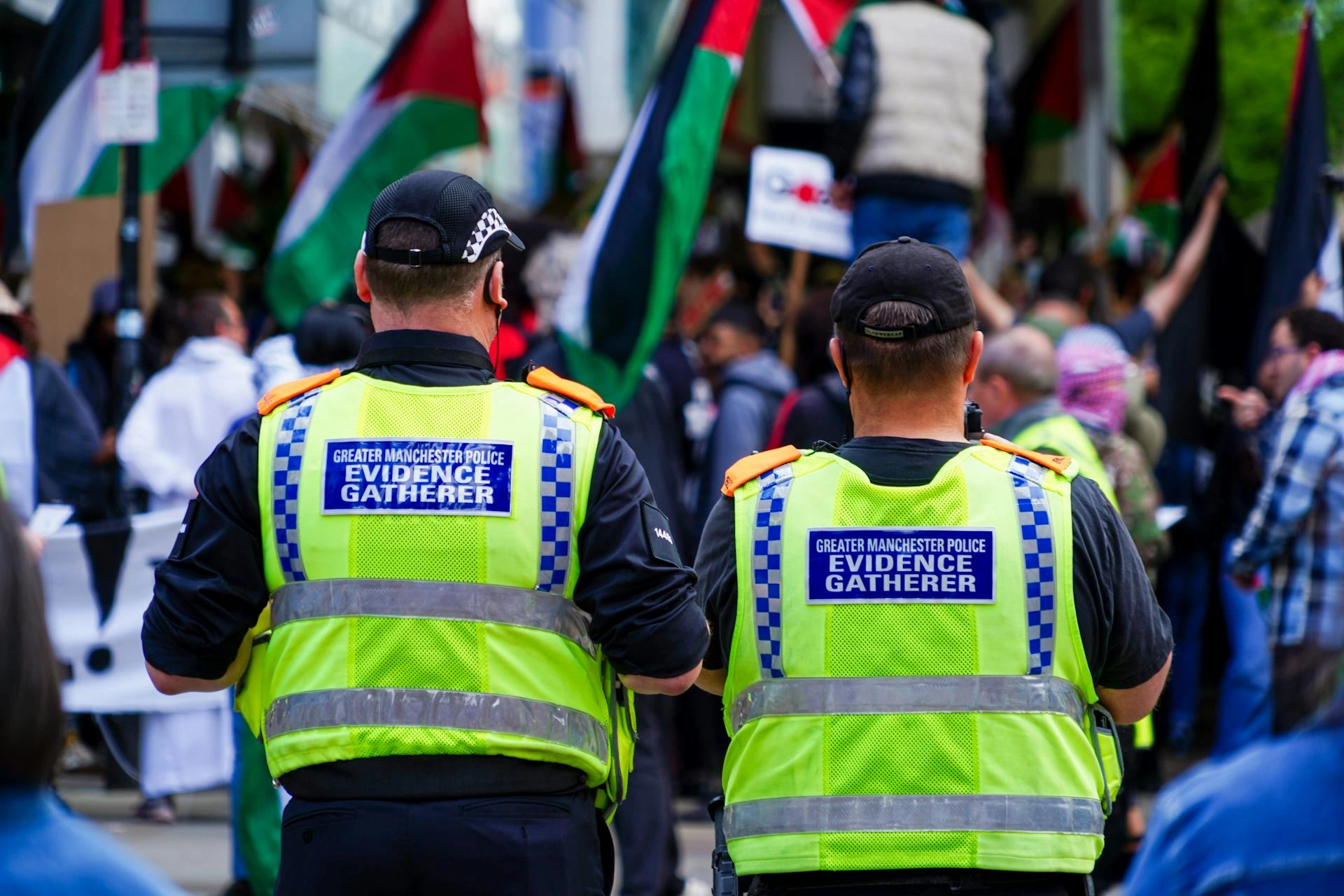
Barely a month later, London again found itself the stage for confrontation. More than 400 arrests were made during pro-Palestinian demonstrations following the attack on a synagogue in Manchester that left three people dead. Similar protests erupted across Europe – in Barcelona, Rome and Lisbon – as anger over Gaza boiled over. The political temperature is rising on both extremes, with grievances over foreign policy, migration and identity intertwining in the streets.
In that febrile atmosphere, scapegoating flourishes. The Community Security Trust reports that antisemitic incidents have risen by more than 100 per cent in two years, while hate crimes against Muslims remain at record levels. The same dangerous pattern that haunted the 1930s is taking shape again: minorities cast as the cause of national decline, populist movements feeding on distrust, and violent rhetoric spilling into real-world confrontation.
The targets may have changed – Jews and Irish immigrants then, Muslims, migrants and refugees now – but the mechanism is the same. When people lose faith in politics and prosperity, when institutions appear weak and governments indecisive, the appeal of strong language and simple answers grows irresistible.
The task now is not to romanticise Cable Street but to remember what it proved: that democratic societies collapse through the slow normalisation of hate when too many look away.

Dr. Linda Parker is widely considered to be one of Britain’s leading polar and military historians. She is the author of six acclaimed books, an in-demand public speaker, the co-founder of the British Modern Military History Society, and the editor of Front Line Naval Chaplains’ magazine, Pennant, which examines naval chaplaincy’s historical and contemporary role.
READ MORE: ‘Reflections on Northern Ireland’s evolving future‘. For decades, Belfast was synonymous with violence and bloody civil strife. Today, the Northern Ireland capital has reinvented itself as a tourism hotspot and has risen to become one of Europe’s top travel destinations. In this exclusive article, historian and author Forest Issac Jones reflects on the city’s incredible transformation and on the challenges it must still overcome.
Do you have news to share or expertise to contribute? The European welcomes insights from business leaders and sector specialists. Get in touch with our editorial team to find out more.
Main image: Mylo Kaye/Pexels