With next week’s presidential elections fast approaching, candidates on both sides of the U.S political spectrum continue to ignore the needs of senior citizens. Urgent action is needed to ensure that policies promoting in-home care and community support are prioritised, allowing OAPs to age with dignity rather than in isolation, warns our international affairs correspondent, Yasin Kakande
As the presidential campaigns draw to a close and Americans prepare to head to the polls next week, it’s clear that senior citizens have been largely overlooked in the candidates’ platforms. Kamala Harris has focused her campaign on reproductive rights and has rolled out specific plans targeting Black male voters and Latino men—but nothing addressing the unique needs of seniors. Similarly, Trump’s campaign has focused on restricting immigration, yet his platform offers no solutions for the impact this might have on senior citizens or people with disabilities. Without sufficient immigration to support an adequate pool of caregivers, there could be serious challenges ahead for these vulnerable groups.
As obvious as it may sound, people shouldn’t be left to die alone. Nor should they be forced into nursing homes if they can live at home with help. Yet, many elderly U.S. citizens will be institutionalized at great cost to their families and the government, and many will die alone, if legislation isn’t passed to allow more migrant workers to enter the country and serve as caregivers.
As someone who once worked as a home health aide, I know that the majority of people want to age in their homes. Others may prefer a nursing home or assisted living facility, but there are not enough beds to accommodate everyone. According to a recent CNN report, a whopping 75 per cent of Americans aged 65 and over live with multiple chronic health conditions, ranging from diabetes to dementia. The country’s healthcare system will collapse as it tries to keep sick seniors out of hospitals, assisted-living facilities, and nursing homes and instead have them cared for in their homes, because there is a severe shortage of healthcare aides. With 10,000 baby boomers in the U.S. turning 65 every day, the aging population will double in the next 20 years. Experts estimate that the overall employment of in-home aides is projected to grow 41 percent from 2016 to 2026 — translating to 7.8 million job openings.
Immigrants can help address the shortage of people taking home health aide jobs. According to the Migration Policy Institute (MPI), immigrants account for 38 percent of the 492,000 home health aides in the U.S.
The absence of senior citizens in the current presidential platforms isn’t a new phenomenon—and even when seniors have been included in past campaigns, the promised benefits rarely materialized. During his campaign, President Joe Biden pledged an ambitious $770 billion investment to revamp and strengthen the caregiver economy.
“Home health workers do God’s work, but aren’t paid much. They have few benefits, and 40% are still on SNAP or Medicaid. It’s unacceptable. I’ll give caregivers and early childhood educators a much-needed raise,” Biden tweeted, vowing to address the needs of caregivers and, by extension, the seniors they serve. Yet, as his term nears its end, those recommendations remain unfulfilled.
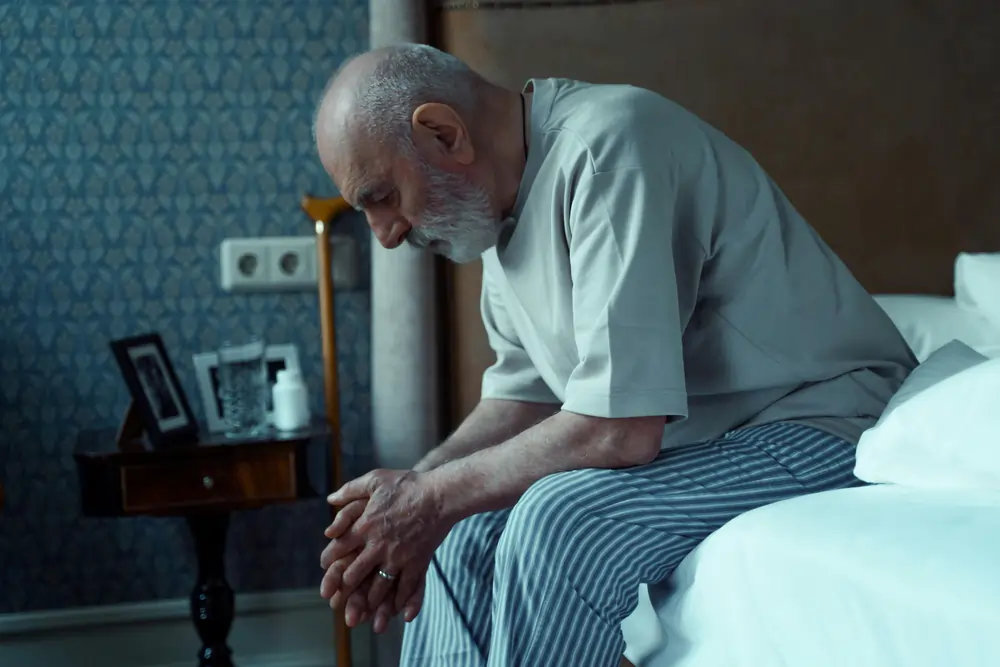
This issue resonates with me personally. Last year, my 72-year-old neighbour in western Massachusetts passed away in his apartment. Before I learned of his passing, I noticed some unusual signs that something was amiss, including air fresheners placed outside his door and a notice from the property management explaining that the unit was sealed and off-limits.
When I inquired with another neighbour, I learned he had been gone for at least ten days. His doctor had requested a welfare check after he missed two appointments. He had been battling cancer and had just completed another round of chemotherapy a month before. Despite his struggles, he was determined not to be a burden and often refused help, even while managing the stairs with two bags of laundry.
This tragic event reminded me of what I previously read about Japan, which has blocked migrants from coming, and where there are so few caregivers that many of Japan’s elderly are dying alone. NLI Research Institute, a Tokyo think tank, estimates that about 30,000 people nationwide die this way each year. Their bodies are sometimes discovered several weeks after they have passed, after their mailboxes fill up or they fall behind on their rent.
Local newspapers in Japan are full of reports of solitary death. This phenomenon is known as kodokushi. A New York Times report summarized the phenomenon:
“A single-minded focus on economic growth, followed by painful economic stagnation over the past generation, had frayed families and communities, leaving them trapped in a demographic crucible of increasing age and declining births. The extreme isolation of elderly Japanese is so common that an entire industry has emerged around it, specializing in cleaning out apartments where decomposing remains are found.”
As the number of lonely deaths has grown, so too has Japan’s lonely-death-cleanup industry. Numerous firms offer this kind of service, and insurance companies have started selling policies to protect landlords if their tenants die inside their properties. The plans cover the cost of cleaning the apartment and compensate for loss of rent. Some will even pay for a purifying ritual in the apartment once the work is done.
Some elderly in Japan are so desperate for assistance, stability, and community that they commit minor crimes so they can spend the rest of their lives in prison. Japan is constructing special prison wards just for elderly inmates to address the record number of crimes committed by senior citizens. With the elderly crime rate nearly quadrupling over the past two decades, around 20 percent of women in prisons are now senior citizens. In most instances, the crime they commit is generally minor and petty, usually shoplifting. For them, living the remainder of their lives behind bars is a better alternative to being alone in their homes.
As the ageing population continues to grow in the U.S, the need for comprehensive support systems for seniors becomes increasingly urgent. My neighbour’s story is a poignant reminder of the vulnerabilities many face, underscoring the necessity for candidates to prioritise the needs of older Americans in their platforms. Without substantial legislative action to improve access to caregiving, we risk repeating the tragic patterns observed in other countries, where seniors suffer in isolation. Addressing this issue is not only about enhancing the quality of life for our elderly citizens but also about affirming our commitment to a society that values compassion and community. As we prepare to head to the polls, let us advocate for policies that ensure no one has to face their final days alone, and recognize the essential role caregivers play in creating a more inclusive and supportive environment for all.

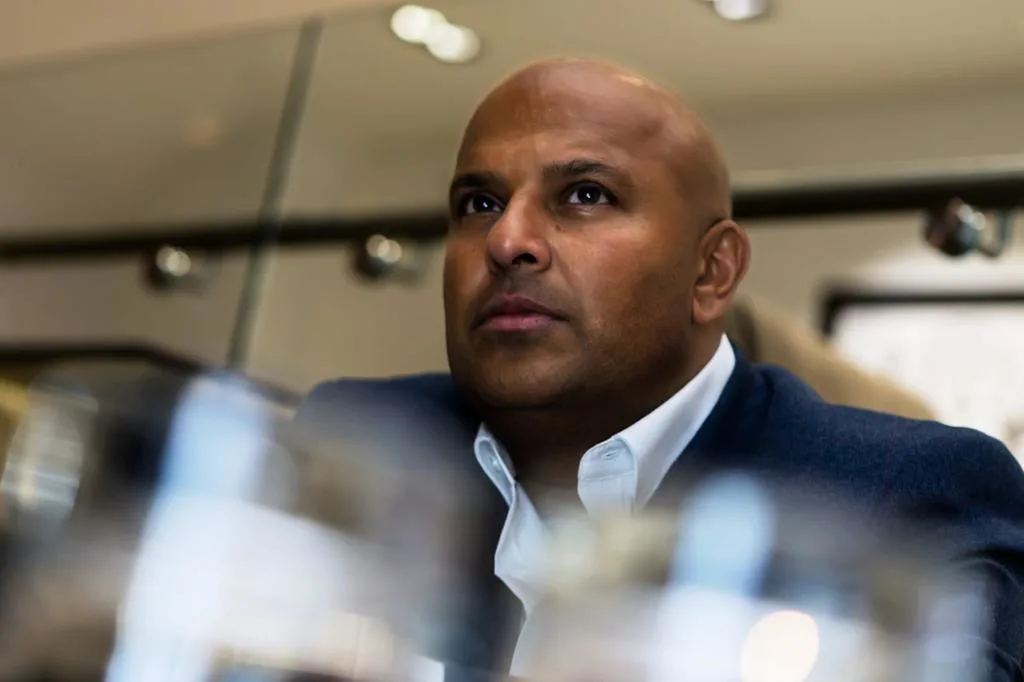
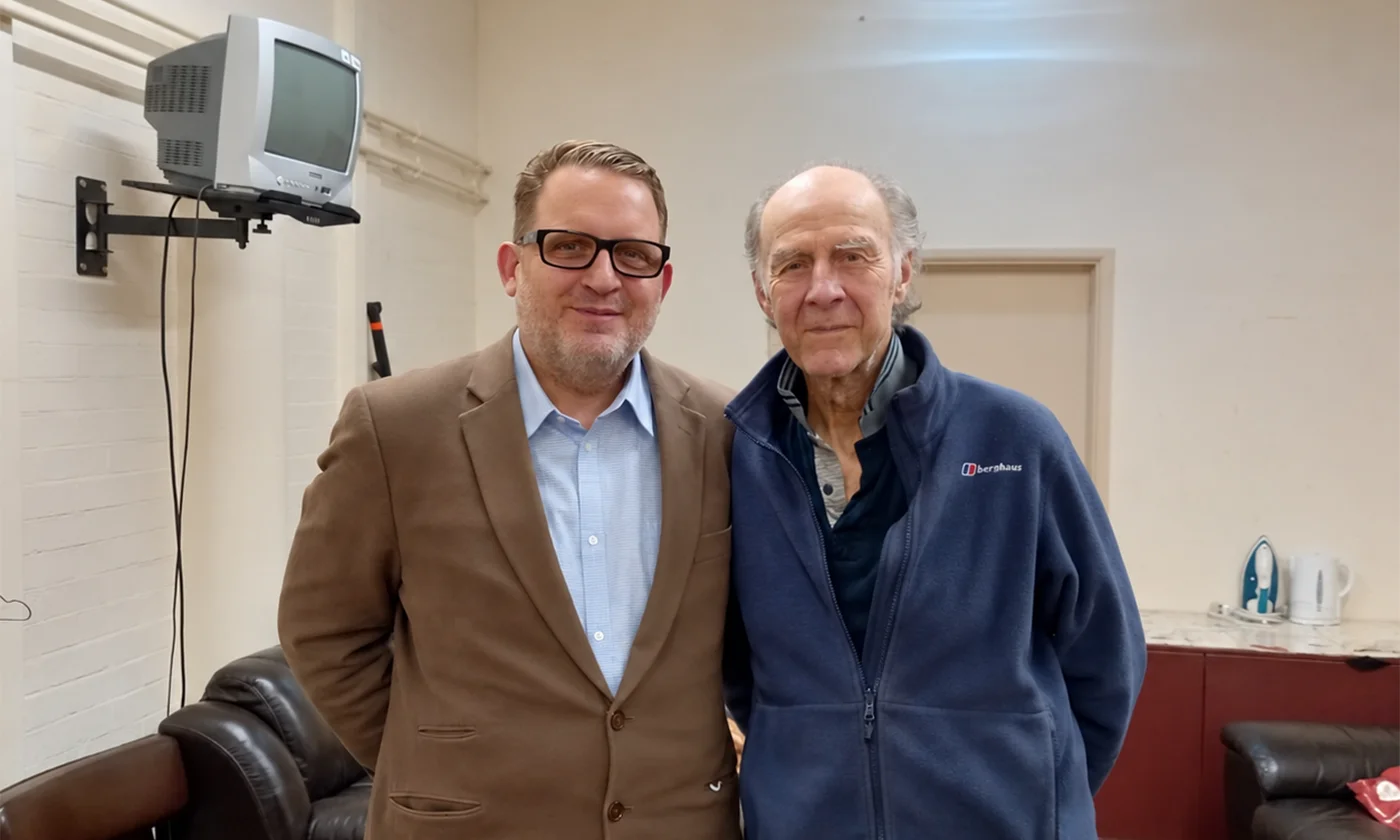
Yasin Kakande, pictured, is an international journalist, a TED Global Fellow, and the author of a number of critically acclaimed non-fiction books offering a fresh perspective on immigration and geopolitics, including Why We Are coming, and Slave States. As a migrant from Uganda now based in the US. following asylum, his journalism career spans international outlets including The New York Times, Thomson Reuters, Al Jazeera, The National, and The Boston Globe. His latest book, A Murder of Hate, is out now.
Main image: Courtesy Pexels