
From renewing car insurance to growing our own vegetables, technology expert Ian Copeland reveals how artificial intelligence could free us from everyday chores, reduce household bills and give us back precious time
I spend much of my working life developing technology, using technology and writing about technology. Artificial intelligence is becoming an increasingly important part of that. Yet when I think about the developments I’m most looking forward to in 2027, they have surprisingly little to do with computers.
What interests me most is the prospect of AI taking responsibility for things that currently demand our time and attention, often unnecessarily.
Having written a novel exploring the dangers of entrusting too much to AI, The Exodus Directive, I’m well aware of the irony. But it’s very tempting to let AI deal with my council tax paperwork, keep my vegetables alive when I’m travelling and stop my house wasting money on heating.
Some of these technologies already exist in various forms, others are still experimental, but the pace of development suggests that 2027 could be an interesting year. Here are five areas where I’m particularly looking forward to making progress.
1: The bureaucracy of everyday life
I’m convinced that a considerable proportion of adult life is spent dealing with things nobody particularly wants to do and that consume an extraordinary amount of time: insurance renewals, household bills, council tax, MOT reminders, subscriptions, government forms and the seemingly endless correspondence that accompanies them.
I’d love to have an AI assistant that genuinely manages these responsibilities rather than simply reminding me about them.
For example, when my car insurance is approaching renewal, it could research alternatives, compare the actual terms rather than simply the headline prices, identify anything worth considering and present me with a recommendation. Once I’ve approved it, the AI could handle the remaining administration.
Open-source projects such as Paperless-ngx are already making it easier to organise and understand documents, while emerging AI agents are beginning to interact directly with websites and online services.
There are obvious concerns around reliability, security, privacy and giving software access to sensitive accounts. These will need addressing before we can trust such systems outright with anything important. Nevertheless, the prospect of reclaiming hours currently wasted navigating bureaucracy is enormously appealing.

2: Making the working day easier
As managing director of the digital agency Six Ticks, I spend a great deal of time thinking about how technology can make businesses more efficient.
It’s also about making employees’ working lives easier and more enjoyable. At Six Ticks, we’re particularly interested in AI that can help organise workloads, automate manual tasks, identify conflicting priorities and customise each aspect of the business to individual clients’ needs, giving them a personalised service even at scale.
Intelligent assistants could also help teams collaborate more effectively, particularly when colleagues work remotely or across different time zones.
Of course, there’s a danger that businesses will simply use AI to increase expectations or use it to get rid of staff entirely. I think both of those would be a mistake. The real opportunity is to make existing employees more productive without increasing their workload, ideally reducing it, while improving efficiency and working conditions.
And, perhaps most importantly, people might actually finish work feeling that they’ve accomplished something, rather than simply having survived another day of emails and notifications.
3: Growing my own vegetables
I’ve always liked the idea of growing my own vegetables. There’s something appealing about producing your own food, knowing exactly where it has come from and enjoying something you’ve grown yourself.
The problem is finding the time. Between running a business, life and travelling regularly, maintaining a vegetable garden isn’t particularly practical. Plants need watering, soil conditions need monitoring and problems don’t conveniently wait until you’re home.
I’ve been looking at open-source projects such as OpenHarvest, which uses AI to help people plan and manage gardens, taking factors such as growing conditions into account. Combine that intelligence with relatively inexpensive soil sensors, weather information and automated irrigation, all linked up to a small computer such as a Raspberry Pi, and the possibilities become considerably more interesting.
We’re not quite at the point where an inexpensive AI system can independently manage an entire vegetable garden. However, I think we’re approaching a point where much of the day-to-day work could become automated without spending a fortune.

I’d still like to do the planting and harvesting myself. I simply don’t want everything to die because I’ve been away at a conference.
4: Taking control of household energy
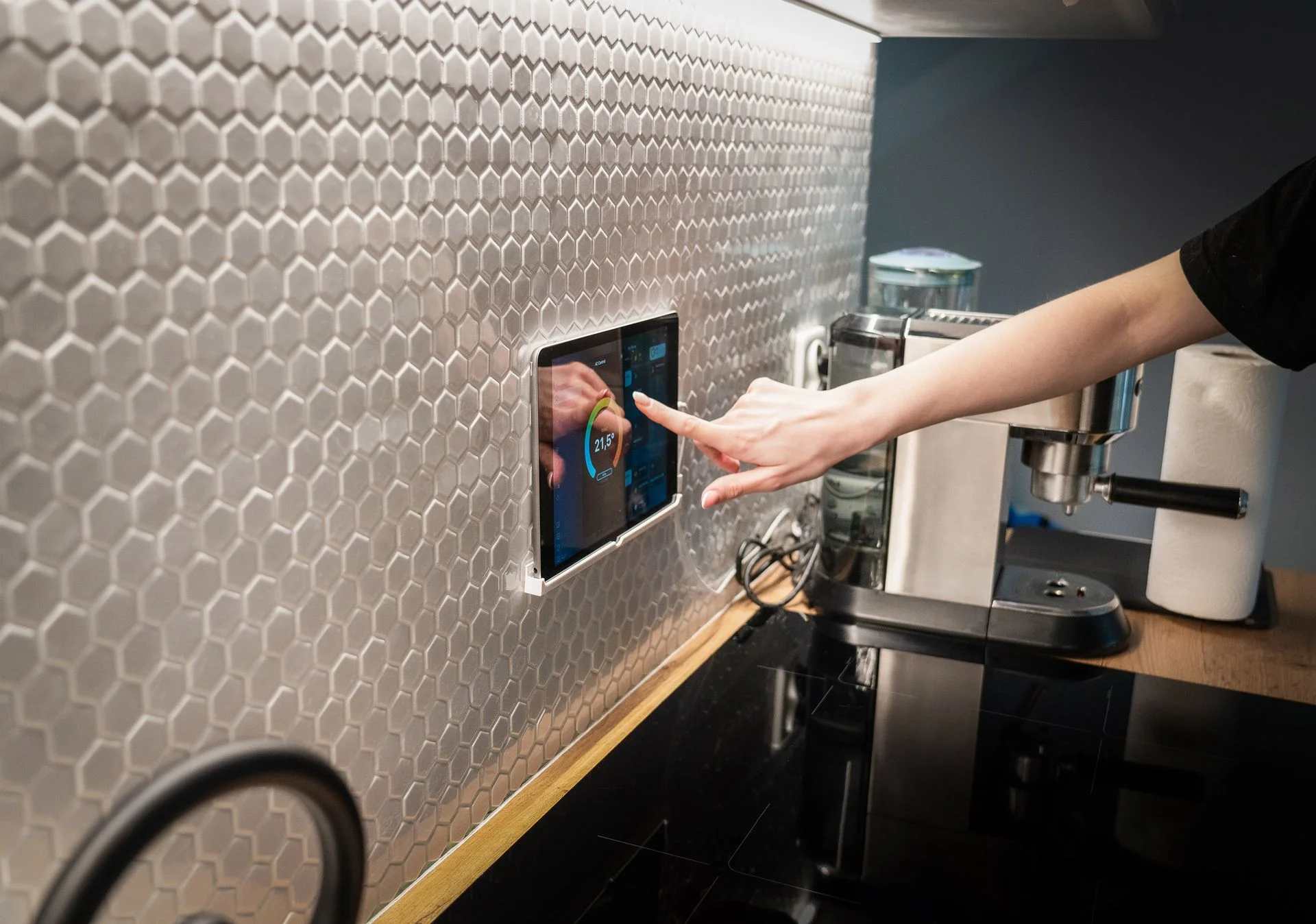
With household energy costs placing considerable pressure on families, this is one area where I think intelligent home automation could make a meaningful financial difference.
We already have smart thermostats, automated lighting and devices capable of monitoring electricity consumption. However, much of today’s technology still relies on relatively basic schedules and rules.
What I’d really like is a home that understands how it’s being used and adjusts itself accordingly. If nobody is using a room, there’s little reason to keep heating it unnecessarily. If a window has been left open, the system should recognise the problem and respond appropriately, potentially closing it automatically where suitable motorised mechanisms are installed.
When everybody leaves the house, the heating could reduce. When the system detects someone getting closer to home using GPS information from their phone, it could calculate when to begin warming up again.
It could also identify opportunities to use electricity when it’s cheaper, particularly for households with variable tariffs, solar panels or battery storage. Depending on the tariff, that might mean recommending delaying the washing machine until night-time.
Open-source platforms such as Home Assistant already support many of the individual components needed for household energy management.
The interesting development will be combining them with AI that learns household behaviour and makes increasingly intelligent decisions without requiring someone to programme every possible scenario.
Of course, there’s little point spending thousands of pounds on automation equipment to save a few pounds on heating. But as sensors become cheaper and AI becomes more accessible, I think this could become one of the most useful applications of the technology in ordinary homes.
5. Maintaining my home
Most of us don’t think particularly seriously about maintaining our homes until something breaks. A boiler stops working, a pipe begins leaking, an appliance fails or damp starts appearing somewhere it shouldn’t. By the time we notice the problem, it can already be expensive to resolve.
I’d like to see AI become much better at preventative home maintenance.
Imagine a system that monitors your heating equipment, appliances, plumbing and environmental conditions, learning what constitutes normal behaviour and identifying changes that might indicate a developing fault.
Perhaps a boiler is cycling more frequently than usual, an appliance is drawing an increasing amount of electricity or humidity levels suggest that moisture is accumulating somewhere. Rather than waiting for something to fail, the system could alert you to a potential problem, explain what might be causing it and recommend an appropriate course of action.
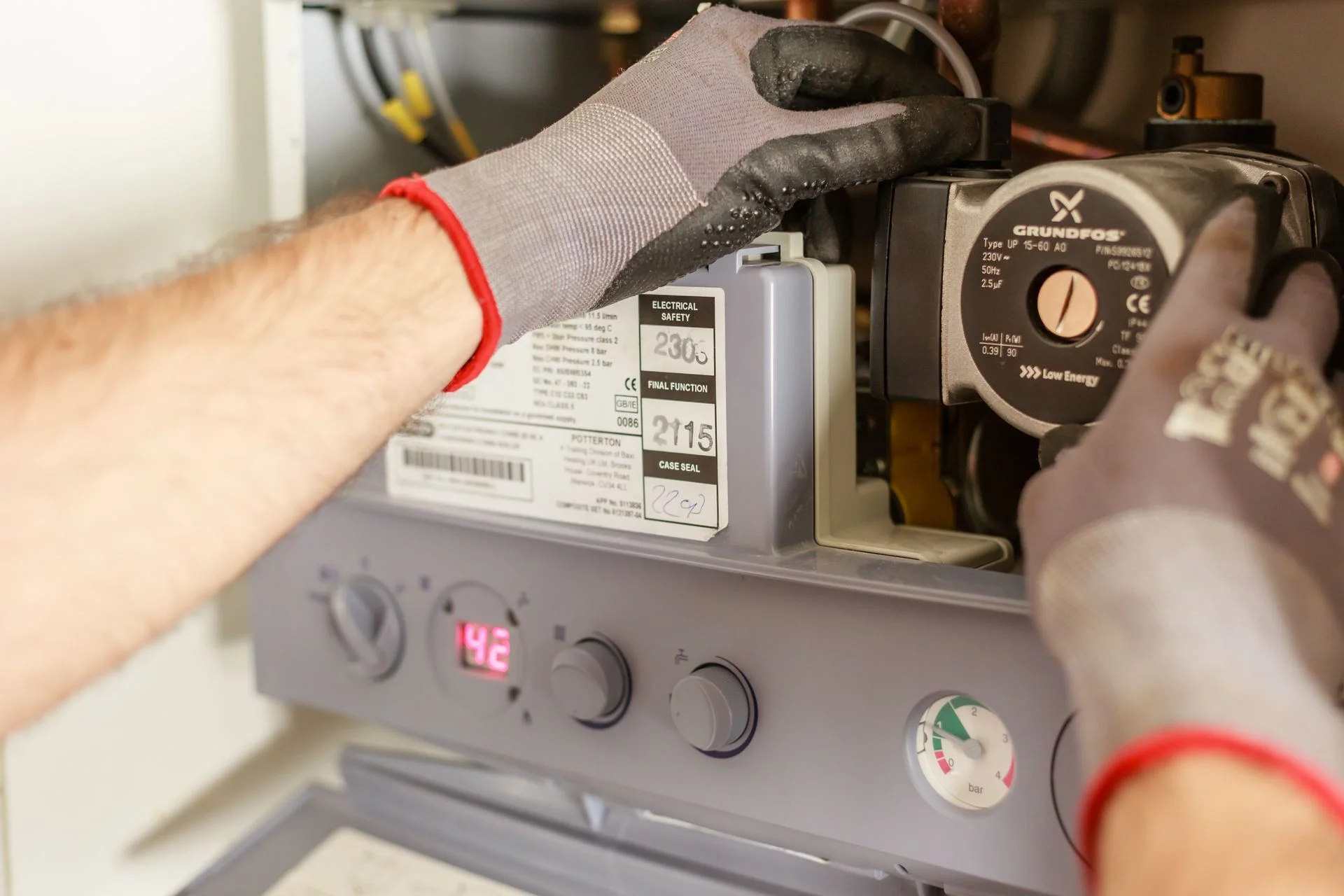
Projects such as Home Assistant and its open-source Maintenance Supporter integration already provide ways to organise maintenance activities and trigger reminders using sensor data.
Adding more sophisticated AI analysis could take these systems considerably further. If AI can help households avoid even a handful of expensive repairs, the technology could quickly justify its cost.
I don’t expect all five of these ambitions to become fully realised during 2027. Some will develop faster than others, and there are still significant challenges around reliability, security and cost.
What encourages me is the growing availability of open-source software, relatively inexpensive hardware and AI-assisted coding, making it possible for individuals to experiment with technologies that would previously have required substantial investment or knowledge.
Increasingly, I hope we’ll be able to give AI a responsibility and trust it to manage the routine work involved, while retaining control over important decisions.
For someone who spends much of his working day surrounded by technology, the prospect of needing to interact with it less is particularly attractive.
And if, by this time next year, I can return from a trip to a warm, efficiently heated house, a healthy vegetable garden and an inbox that doesn’t contain a few hundred overdue renewal reminders, I’ll consider that a pretty good start.

Ian Copeland is a British technologist, entrepreneur and author with more than two decades’ experience designing complex enterprise IT and digital systems. Founder of a UK-based digital agency and author of The Exodus Directive, he specialises in artificial intelligence, blockchain infrastructure, quantum computing and digital identity. As Techno-Sociology & Futures Correspondent for The European, he writes on AI governance, decentralised systems, automation, digital power structures and the long-term societal consequences of emerging technologies.
READ MORE: Cancer treatment technology firm sees orders jump 24% to €242m. Belgian medical technology group IBA has reported a sharp rise in orders for its equipment, fuelled by demand for advanced cancer treatment systems, as its experimental ultra-fast radiotherapy technology enters human trials in the United States.
Do you have news to share or expertise to contribute? The European welcomes insights from business leaders and sector specialists. Get in touch with our editorial team to find out more.
Main Image: Jakub Zerdzicki / Pexels