As increasing heatwaves drive more people into open waters, governments and the growing outdoor-swimming industry must invest far more seriously in education, safer access and drowning prevention, writes Ben Hooper
I have spent much of my life being drawn towards water while understanding exactly what it can do. I drowned during a school swimming lesson in Belgium when I was five years old, being resuscitated at the poolside. Decades later, in 2016, I attempted to swim across the Atlantic from Africa towards Brazil. Between those two moments lies almost a lifetime of learning one uncomfortable truth: water does not care how confident, strong or experienced you believe yourself to be.
The debate around wild swimming during heatwaves has become increasingly frustrating. Every time temperatures rise, the pattern repeats. People head for rivers, lakes, reservoirs and beaches. There are tragedies and emergency services issue warnings. Newspapers publish stories about cold-water shock and parents are told to speak to their children. Then the temperature falls and the conversation disappears until the next heatwave.
This cycle is no longer acceptable.
Open-water swimming has undergone one of the great recreational transformations of recent years. Once associated mainly with Channel swimmers, hardy eccentrics and a few people in woollen hats, it has become a mainstream cultural movement.
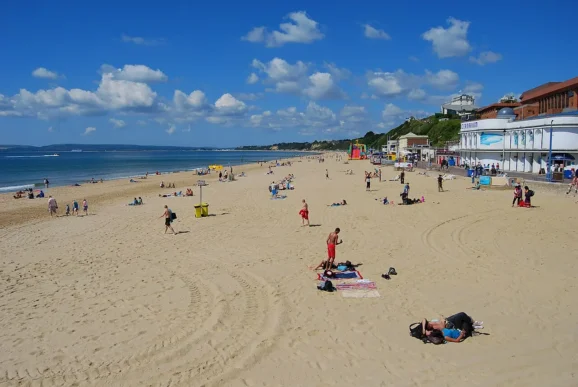
Millions of adults now swim in lakes, rivers and the sea each year, while regular participation has more than doubled over the past decade. That growth deserves to be celebrated. Outdoor swimming can provide community, adventure, connection with nature and an extraordinary sense of personal freedom. Coastal and rural communities benefit from visitors, while businesses have grown around equipment, coaching, events, changing robes, wetsuits, holidays and managed venues.
Yet the growth of the commercial market has not been matched by serious investment in the risks that accompany it.
Britain is getting hotter. Individual warm days cannot always be simplistically attributed to climate change but extreme heat is becoming a more significant part of the environment in which governments, councils and emergency services must plan.
Research examining almost 2,000 UK drowning deaths found that the risk of unintentional drowning increased by 7 per cent for every 1C rise in daily maximum temperature. Recent heatwaves have again been accompanied by a succession of water-related deaths, many involving children and teenagers.
Those fatalities should be described accurately. Some people enter the water intentionally while others fall in. Many deaths are associated with everyday activities such as walking and running. Careless statistics create careless policy. Prevention measures must reflect how and where people are actually getting into difficulty to be effective.
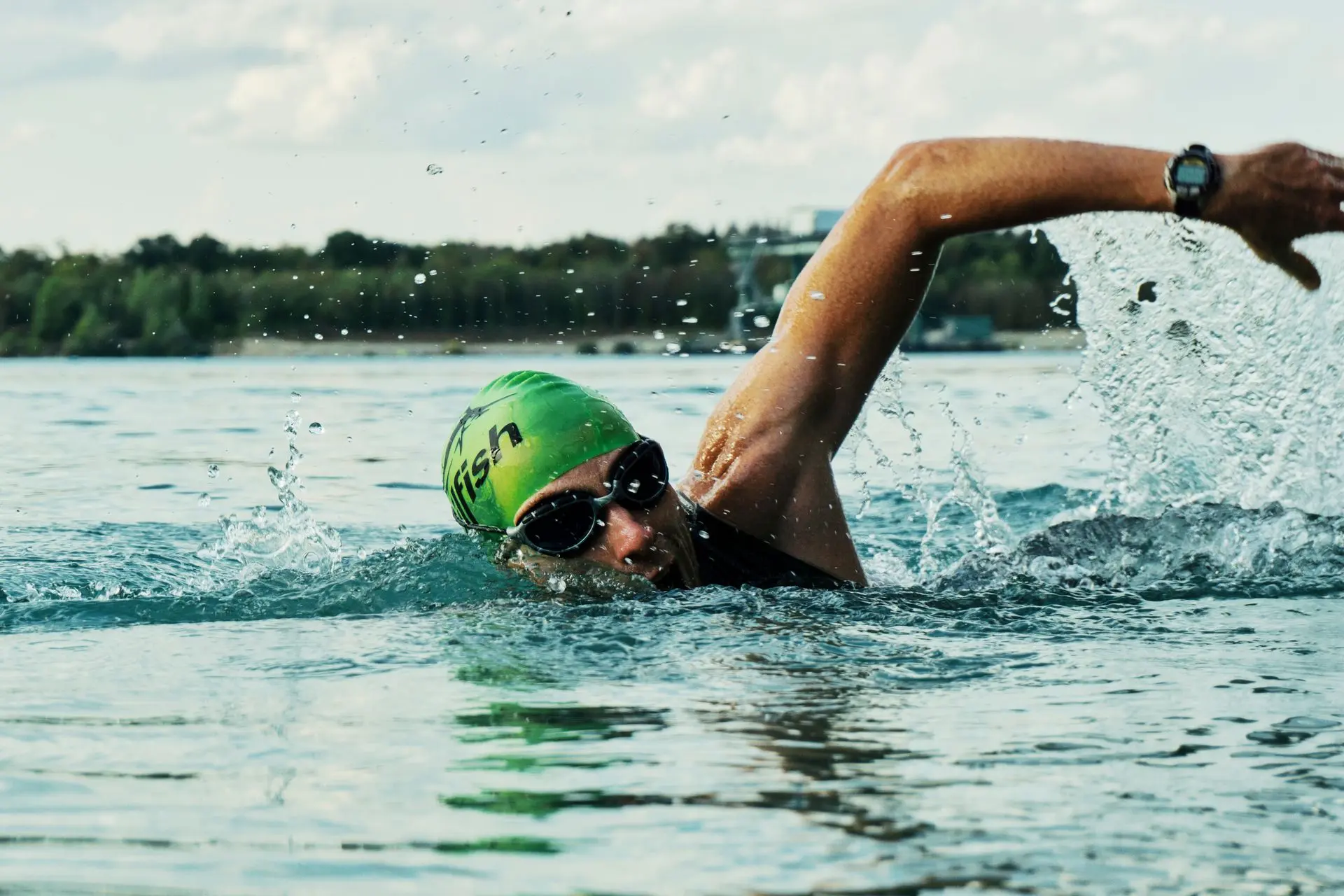
Equally, the phrase ‘wild swimming’ has become almost uselessly broad. It can describe an experienced swimmer who checks the weather, water temperature, tides and exit points, enters gradually, swims with others and carries visible equipment. It can also describe a teenager who jumps from a bridge into a river on the hottest afternoon of the year. The risks are plainly different.
The air can be scorching while the water remains cold. Sudden immersion can trigger an involuntary gasp and rapid breathing: cold-water shock. Someone expecting a refreshing swim can find themselves fighting panic within seconds. Inland waters may also contain hazards invisible from the bank, including sudden changes in depth, currents, submerged objects, weeds and difficult exits. Confidence in a heated pool does not amount to competence in a river, lake, quarry or open sea.
Even highly capable swimmers remain vulnerable. Marathon swimmers drown, triathletes suffer cardiac arrest mid-swim and competent swimmers who attempt rescues can still succumb.
What can be stated with confidence is that Britain now has far greater exposure to open water during increasingly intense periods of heat without an equally rapid development in the systems needed to keep people safe. The immediate priority must therefore be to make the public better informed, better prepared and safer.
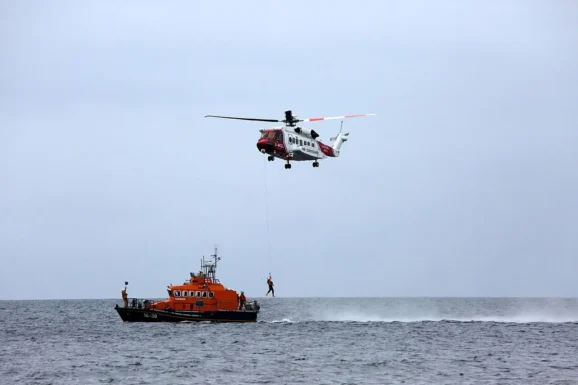
The public message needs to become as familiar as CPR: call 999, tell the person to float if they can and throw something that provides buoyancy. Entering the water may create another casualty. For the person in difficulty, the RNLI’s ‘Float to Live’ advice remains beautifully simple: tilt your head back, control your breathing and allow your body to float.
Yet while public messaging saves lives, slogans alone cannot carry the burden of national water safety. Filmmaker and water-safety advocate Ed Accura makes a similar case in his recent documentary No Lifeguard, which argues that drowning prevention must begin long before somebody enters the water, through better education, preparation and awareness of risk.
Alcohol, drugs, peer pressure and overconfidence can all play a part in drowning, yet simply repeating ‘do not enter open water’ ignores the millions of people who are already swimming.
Where people repeatedly swim, local authorities should consider whether managed access could reduce risk. Identified entry and exit points, rescue equipment, emergency location markers, seasonal supervision and site-specific signage would all be more useful than a generic ‘Danger: Deep Water’ notice that regular users eventually ignore.
Urban areas should also consider safe, affordable outdoor swimming and cooling spaces during extreme heat. Water-safety education should be embedded throughout childhood rather than delivered as a hurried assembly after a local teenager dies.
The commercial industry that benefits from the open-water boom should contribute more directly to prevention. Major event organisers, outdoor brands, managed venues, tourism bodies and equipment companies all benefit from its growth.
Industries routinely invest in the conditions upon which their future depends. For the open-water industry, public confidence is one of those conditions. Every preventable death devastates families, while also reinforcing the idea that outdoor water itself is something to fear and prohibit. Better safety would support sustainable growth.
Heatwaves also expose inequalities in access to safe places to cool down. Some families can retreat to air-conditioned spaces, private gardens, swimming pools or coastal holidays. Others live in flats that overheat, in neighbourhoods with little shade and limited access to affordable leisure facilities. For a teenager with no money, no car and nowhere cool to go, the local river or reservoir may be the most attractive place available.
Research highlighted by Loughborough University has argued that heatwave drownings should be understood through the lens of inequality and climate adaptation. Children from the most deprived areas face a higher drowning risk, while rising temperatures will increase the pressure on people to seek places to cool down. Telling everyone to stay away from the water is easy advice to give from an air-conditioned office, but it offers no complete public policy.
Access to safer water must therefore form part of the wider conversation about adapting to a warmer climate. Europe has spent years debating how to cool homes, redesign cities, plant trees and protect vulnerable people during heatwaves. Our blue spaces belong in that conversation too.
Open water can never be made completely safe, of course. The sea changes, rivers move, weather turns and bodies react differently to cold. But that is precisely why water safety cannot be left to occasional warnings or the judgement of individual swimmers alone.
Britain needs a permanent, coordinated approach involving government, councils, schools, leisure centres, rescue organisations and the governing bodies of swimming. Free or subsidised lessons should be more widely available, while places where people regularly enter open water should be assessed for safer access, rescue equipment, supervision and emergency planning.
The industry must also accept a share of that responsibility. This need not mean a punitive tax on swimming. A government-backed national water-safety partnership, supported by event organisers, outdoor brands, tourism bodies, equipment companies and managed venues could fund local prevention work and ensure that investment reaches the places where the risks are greatest.
At present, responsibility is fragmented while the market continues to grow. A unified national strategy would recognise the reality that people will keep seeking water during hotter summers and plan accordingly, rather than returning each year to the same warnings after more lives have already been lost.
I know what it is to be frightened of water and I also know what it is to love it. Fencing off every river and closing every lake would leave future generations experiencing nature from behind a warning sign. Romanticising wildness so completely that preparation appears less authentic is equally irresponsible – there is nothing unadventurous about coming home alive.
The wild-swimming boom is here. Commercial growth has followed it, and hotter summers are already arriving. Only our safety culture remains lagging.
We have become very good at selling the freedom of open water. Now we need to become equally serious about the responsibility that comes with it.
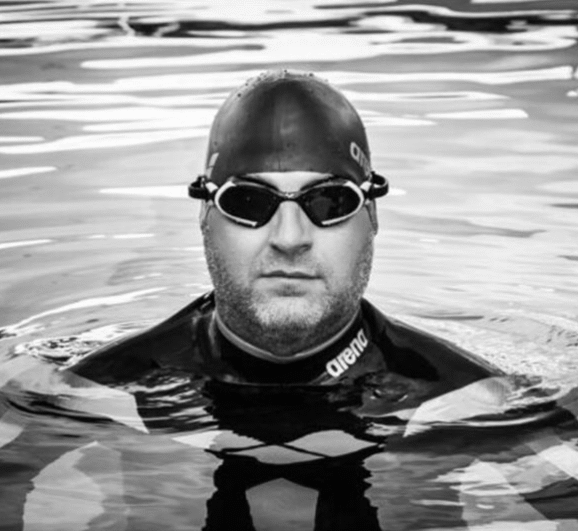
Ben Hooper made global headlines with his bid to swim every mile of the Atlantic Ocean — a challenge Sir Ranulph Fiennes OBE called “the last great bastion to be conquered.” His four-month, 2,000-mile route from Senegal to Brazil, known as Swim the Big Blue, was derailed mid-Atlantic after his support vessel was damaged by storms, despite him surviving a near-fatal encounter with thousands of Portuguese Man O’War. He remains the only person with a WOWSA-verified attempt at the feat. Follow him on Instagram and X @TheBenHooper or via www.thebenhooper.com
READ MORE: I drowned as a child – every parent should watch this water safety documentary. Around 300,000 people die from drowning each year worldwide, many in circumstances shaped long before they got into difficulty. Here, Ben Hooper explains how he nearly died as a child and speaks to water safety campaigner Ed Accura about his new documentary, No Lifeguard.
Do you have news to share or expertise to contribute? The European welcomes insights from business leaders and sector specialists. Get in touch with our editorial team to find out more.
Main Image: mali maeder/Pexels