A new documentary by The European‘s Public Safety & Inclusion Correspondent Ed Accura examining drowning prevention has been released ahead of World Drowning Prevention Day, as concern grows over water safety following a soaring number of deaths during Europe’s recent heatwaves
A new documentary exploring global attitudes towards water safety has been released as concern grows over the soaring number of drowning deaths across Europe during this summer’s extreme heat.
No Lifeguard, produced by British filmmaker and water safety advocate Ed Accura, came out just days before World Drowning Prevention Day on 25 July.
Its release follows dozens of drownings across Europe in recent weeks, including 40 deaths in France alone as soaring temperatures drive people to seek relief in the water.
Against the backdrop of those tragedies, the 50-minute documentary examines whether current approaches to drowning prevention place too much emphasis on rescue rather than prevention.
Rather than relying solely on emergency services, the documentary argues that people also need to take greater personal responsibility for their own safety.
The documentary, released through Accura’s production company SpaceDNA STUDIO and available worldwide on YouTube, explores how individual decision-making, education and community awareness can help reduce preventable deaths before intervention becomes necessary.
Filmed in Ghana, Sri Lanka and London, it introduces what Accura describes as a “lifeguard ecosystem”, arguing that safety should begin long before anyone enters open water.
The film suggests that broadening public understanding of responsibility around water could help reduce drowning deaths.
Accura, The European’s Public Safety & Inclusion Correspondent, said: “The current understanding of a lifeguard suggests that responsibility for safety rests with the individual standing watch at a beach or swimming pool.
“We’re proposing a broader understanding – that anyone who takes responsibility for guarding a life, beginning with their own, has an important role to play.
The first decisions that protect life are often made long before somebody enters the water.”
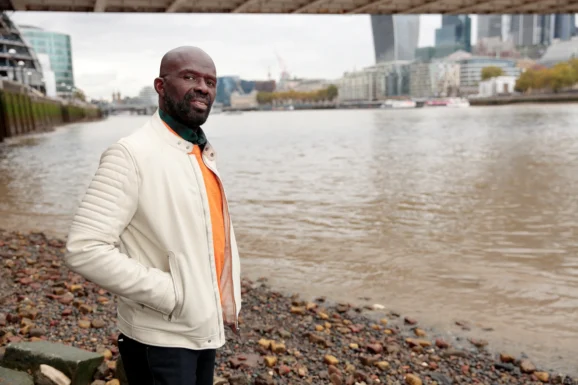
According to the World Health Organization, around 300,000 people die from drowning every year, making it one of the leading causes of preventable accidental death worldwide.
The burden falls disproportionately on low- and middle-income countries, particularly across Africa and Asia, where access to swimming education, water safety awareness and trained rescue services is often more limited.
But recent weeks have also seen drowning deaths soar across Europe as record temperatures encouraged more people to seek relief in rivers, lakes and reservoirs.
France reported 40 drowning deaths over a five-day period in June, while authorities in Germany also warned of a series of fatal swimming incidents, prompting renewed safety appeals over the dangers of entering unsupervised open water.
The incidents have intensified calls for drowning to be treated as a major public health issue. Earlier this month, leading water safety experts urged the UK Government to recognise drowning as a “public health disaster” after 20 people, including 14 children, died in water-related incidents during a single week.
Most of those fatalities occurred in inland waters, where lifeguards are generally absent, prompting renewed calls for greater public awareness of the risks posed by open water.
No Lifeguard draws together interviews and discussions with people living in countries particularly affected by high drowning rates, including Ghana and Sri Lanka.

The film also features interviews with members of Britain’s Black community, whose participation in swimming remains disproportionately low. Figures from the National Child Mortality Database show that children from Black, Asian and minority ethnic communities are 3.5 times more likely to drown than White children.
Together, they examine how culture, education and access to swimming opportunities can influence attitudes towards water safety and help explain why drowning continues to claim hundreds of thousands of lives every year.
Accura, who is co-founder of national charity the Black Swimming Association (BSA), said that the project is designed to communicate water safety messages in ways that traditional public information campaigns do not always achieve.
“I’ve always believed that creative media can reach people differently. This isn’t about blame. It’s about helping people understand that protecting life begins before the emergency.
“If communities become more aware of risk, more honest about their abilities and more prepared before entering the water, we can prevent avoidable tragedies.”
The documentary also features discussions between Accura and entrepreneur Danielle Obe, a fellow co-founder of the BSA, exploring barriers that continue to discourage participation in swimming among ethnic communities and the importance of widening access to water safety education.
e BSA, exploring barriers that continue to discourage participation in swimming among ethnic communities and the importance of widening access to water safety education.

Alongside the film, Accura has also produced two original songs – 1 LIFE and No Lifeguard – intended to reinforce the documentary’s message around personal responsibility and drowning prevention.
Accura has previously produced documentaries including Blacks Can’t Swim and Changing the Narrative, which examine issues surrounding water safety, representation and inclusion, and have been released on platforms including Amazon Prime, Sky and Apple TV.
Speaking about No Lifeguard, which was released on 23 July, he added: “The documentary isn’t asking people to fear water.
“It’s asking them to respect it. Professional lifeguards remain absolutely vital, but if people begin thinking about safety before they step into the water, rather than after something has gone wrong, then we’ve already started to save lives.”
READ MORE: ‘A New Year wake-up call on water safety‘. As a new year begins, Ed Accura challenges one of the most comfortable assumptions we make around water: that someone else is responsible for keeping us alive. Drawing on his work in water safety and inclusion, he argues that survival depends on a shared system of awareness, skills and accountability, with the individual placed firmly at its centre.
Do you have news to share or expertise to contribute? The European welcomes insights from business leaders and sector specialists. Get in touch with our editorial team to find out more.
This article was originally published on June 25, 2026. It has been updated following the release of No Lifeguard, which is now available to watch on YouTube.
Main Image: James Heming/Pexels