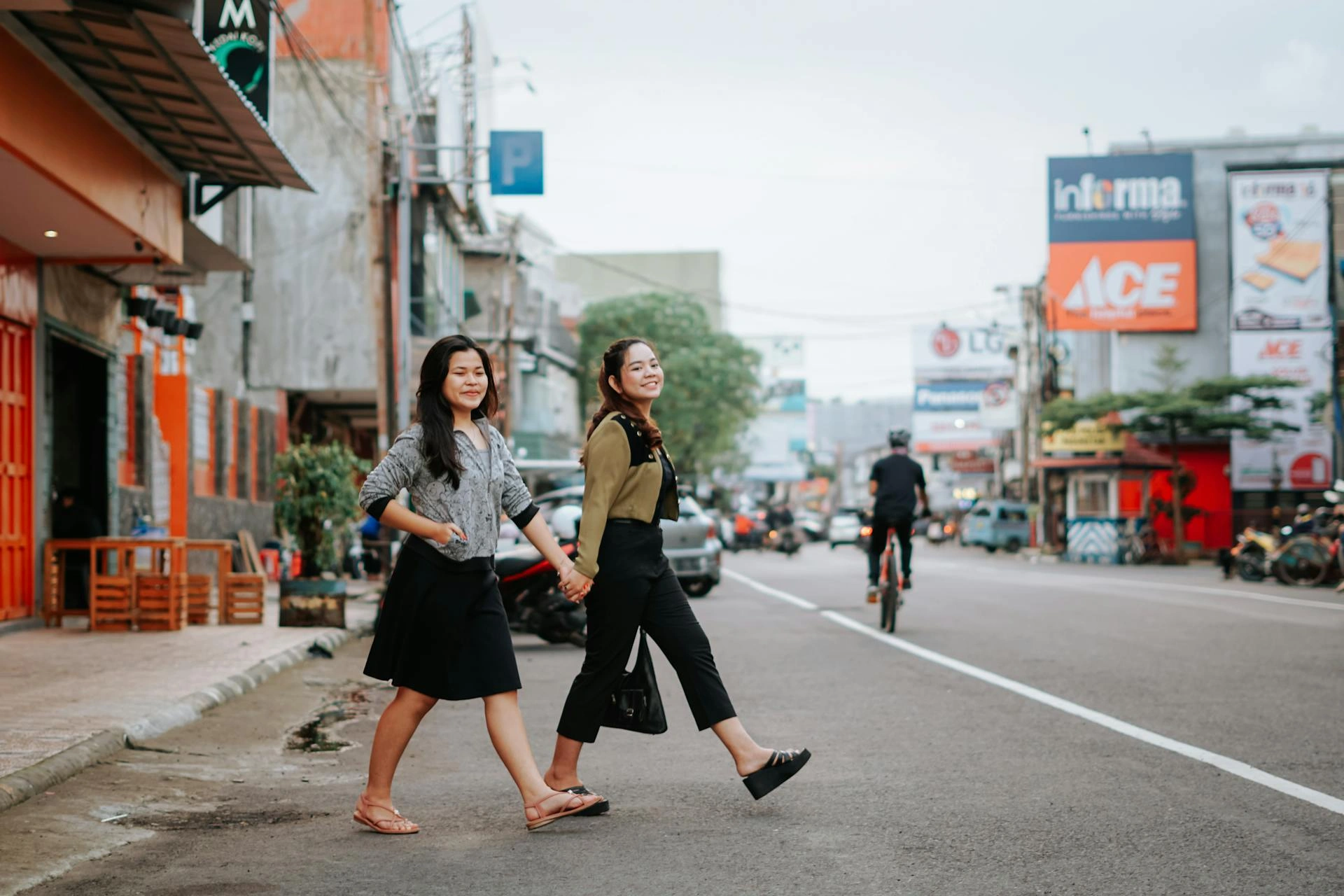
From Vietnam to South Korea and India, profound social change is reshaping gender politics across Asia, while the West becomes increasingly trapped in backlash and polarisation, writes Dr Stephen Whitehead
For decades, the West assumed it was the unquestioned centre of feminist progress. The frontier of women’s rights ran from LA to London and stopped somewhere around Brussels. New York and Paris were imagined as the engines of gender equality while Asia was cast as socially conservative and lagging behind.
That assumption, however, now looks increasingly outdated.
The most symbolically important feminist development of the past month did not happen in Europe or North America, as one might expect.
It happened in Vietnam.
Last month, Vietnamese authorities publicised and reinforced legal measures making it unlawful for husbands to prevent wives from participating in social life or effectively confine them to the home. The measures form part of the country’s strengthened domestic violence framework and reflect something much larger than legal reform alone: the growing recognition that women are autonomous social actors with rights, mobility and agency.
The irony is extraordinary. A country long stereotyped in the West as socially conservative has moved to legislate against domestic coercive control in ways that most Western governments would currently struggle to achieve politically. In today’s Britain or America, where gender politics has become entangled in populist backlash and culture war conflict, legislation explicitly framed around male control over women’s autonomy would likely face immediate ideological resistance.
Western media barely noticed, and yet this is precisely the point. Some of the most important transformations in gender politics are no longer unfolding in the West but, instead, are taking place across Asia. This may be happening unevenly, imperfectly and often contradictorily, but it’s taking place at remarkable speed.
What makes this even more striking is the timing. Across much of the West, feminism is no longer advancing with confidence. It is increasingly encountering political exhaustion, cultural backlash and the rise of reactionary populism.
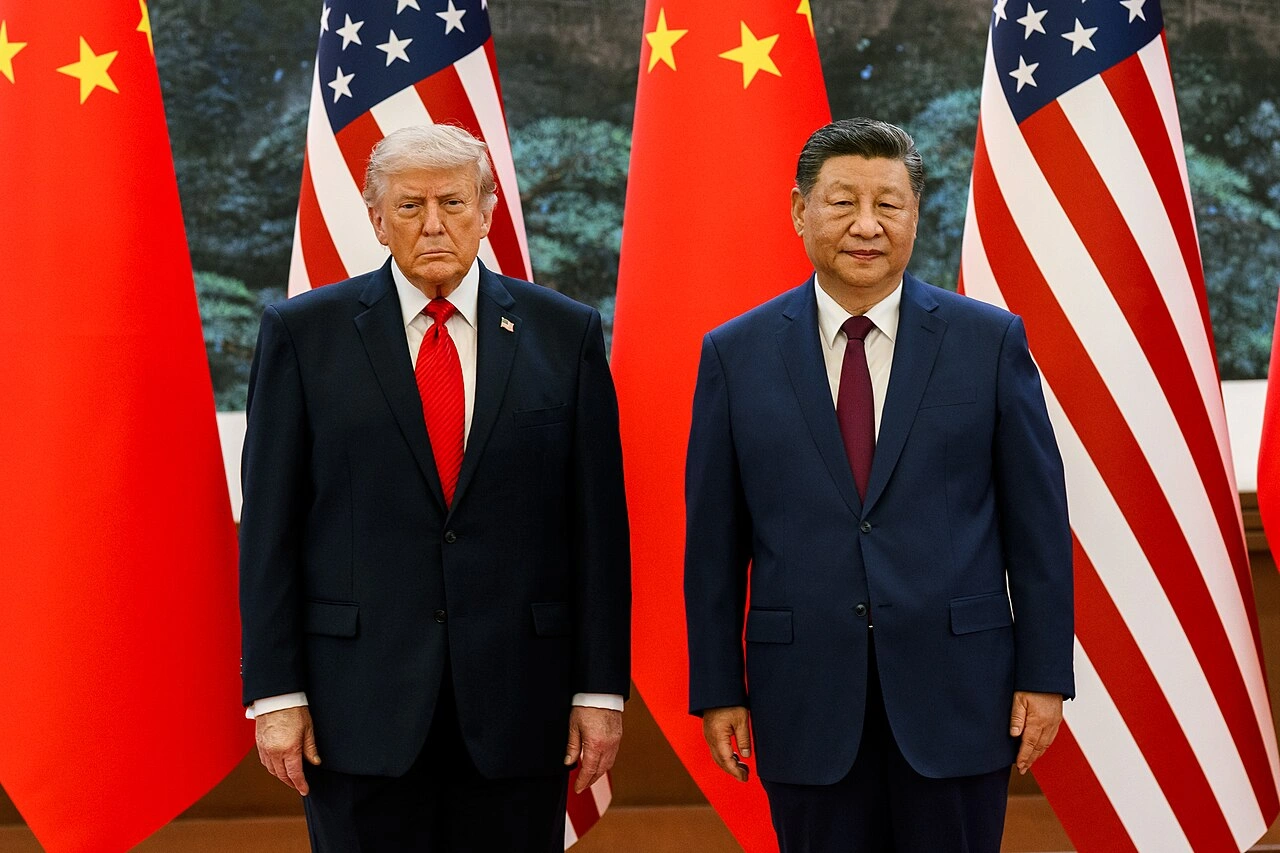
In the United States, the return of Donald Trump has coincided with a broader resurgence of right-wing cultural politics centred on nationalism, traditional masculinity and hostility towards so-called “woke” values. Abortion rights have already been rolled back in several states following the overturning of Roe v Wade. Online misogyny and anti-feminist rhetoric have become increasingly mainstream within parts of digital culture, amplified by influencers who present feminism as the cause of male alienation, loneliness and social decline.
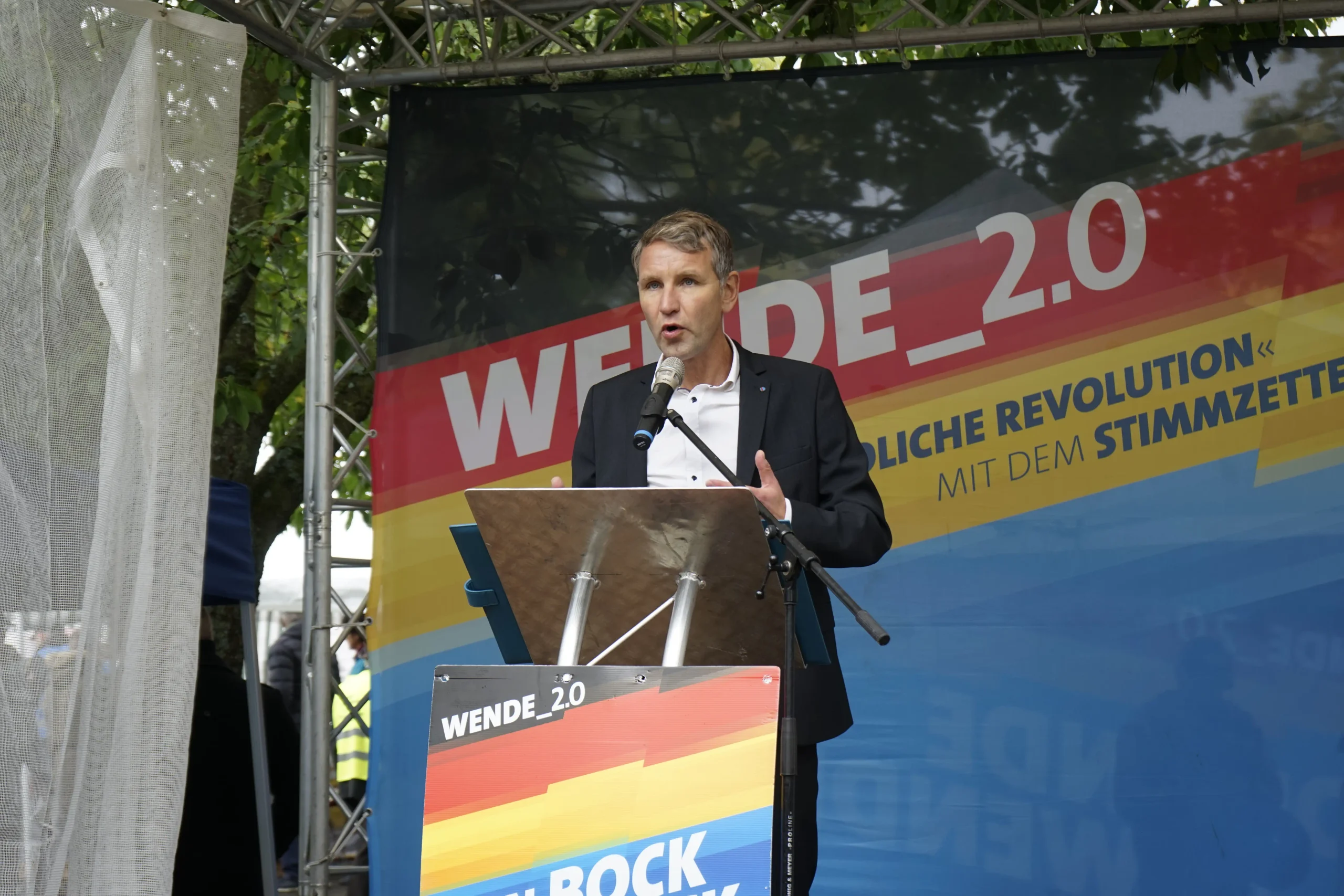
Britain is hardly immune. Political discourse around gender has become increasingly polarised and toxic. Feminism itself is frequently reframed not as a movement for equality but as an elite ideology associated with metropolitan liberalism and cultural division. Populist political figures increasingly position themselves as defenders of “traditional values” against progressive social change. Young men, in particular, are drifting towards online cultures shaped by resentment, anti-feminism and what I have elsewhere termed ‘male fundamentalism’ — a defensive ideological response to rapid gender change.
This backlash signals something deeper: The West no longer possesses a clear or unified vision of gender progress, shared by both women and men.
At precisely the moment parts of Europe and North America are retreating into culture wars, Asia is undergoing profound structural transformation. Look across the region and the evidence is everywhere.
In South Korea, women are engaged in what increasingly looks like a demographic rebellion. The country’s fertility rate fell to 0.72 in 2023 — the lowest ever recorded globally. Governments continue to frame this as a birth-rate crisis. But many young South Korean women see it differently. They are rejecting a social model that still expects women to excel professionally while carrying disproportionate domestic and emotional burdens.
Movements such as 4B — no marriage, no childbirth, no dating and no sex with men — emerged directly from these frustrations. South Korea’s demographic collapse is a social verdict on gender inequality.
Japan is confronting similar tensions. The nation has long projected an image of technological modernity while retaining deeply traditional gender structures underneath. Yet younger women are increasingly delaying or rejecting marriage, contributing to demographic decline and forcing wider questions about work, identity and family life.
Thailand, meanwhile, became the first country in Southeast Asia to legalise same-sex marriage in 2025. Taiwan had already led Asia on marriage equality back in 2019. Nepal has recognised a third gender category for years and moved further on LGBTQ+ recognition than many Western observers expected from South Asia.
India may represent the most important case of all, simply because of scale.
The structural inequalities facing many Indian women remain severe. Yet beneath these realities something transformative is happening. India’s younger women are becoming more educated, more economically visible and more politically conscious at extraordinary speed.
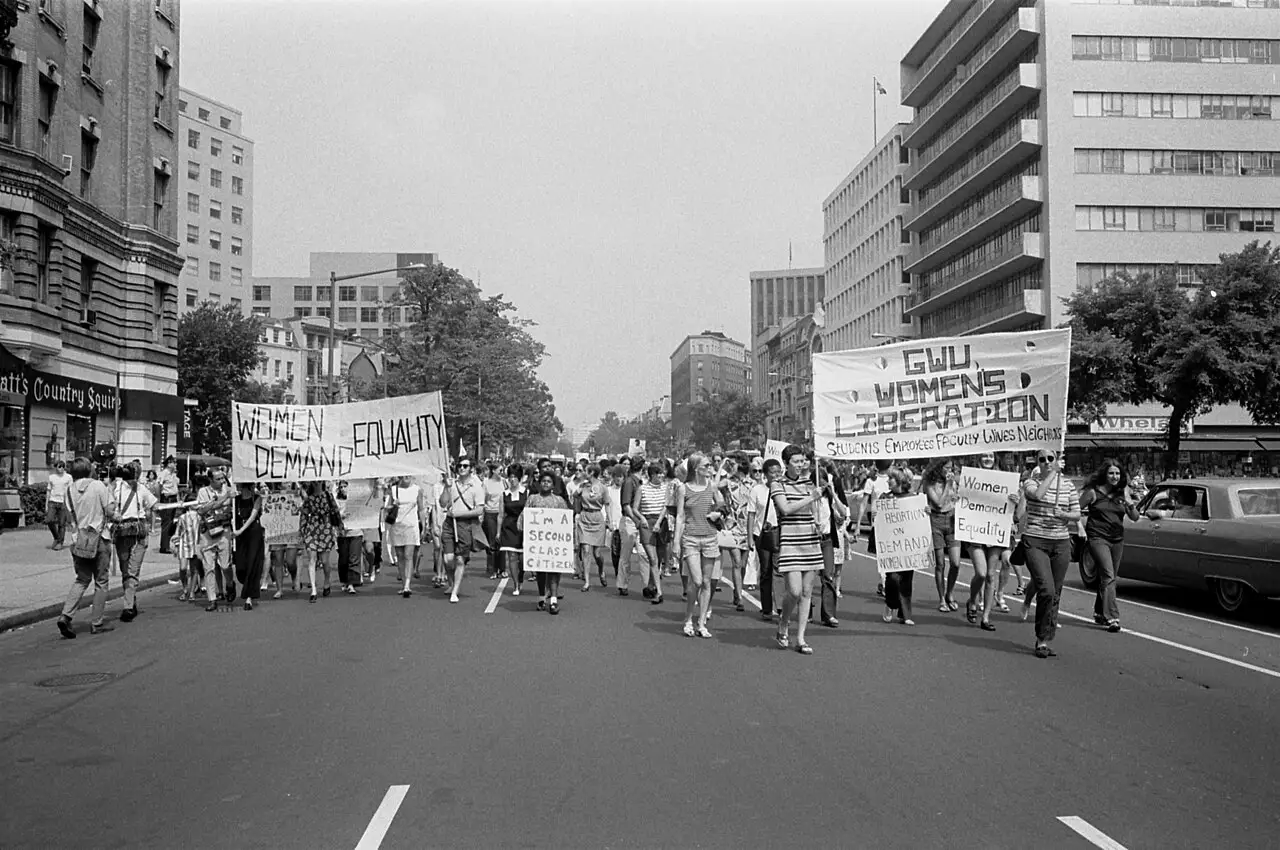
Women now outnumber men in parts of Indian higher education. Feminist activism has expanded significantly since the 2012 Delhi protests and subsequent #MeToo campaigns. Surveys consistently place India among the countries with the highest levels of feminist self-identification globally — often ahead of Britain and the United States.
This is significant because India has more than 700 million women. Social change at this scale reshapes not only one country but the future direction of global gender politics itself.
Even China reveals the tensions of the moment. The state publicly promotes women’s advancement while simultaneously censoring feminist activism and suppressing independent organising. Yet China’s collapsing birth rate reveals that younger women are increasingly unwilling to return unquestioningly to older expectations around marriage and motherhood.
This is the deeper story connecting Vietnam, South Korea, India, Thailand and beyond.
Across Asia, women are renegotiating the terms of intimacy, work, family and identity. In some places this is producing progressive legislation. In others it is producing delayed marriage, declining fertility, political backlash and widening tensions between younger men and women.
Everywhere, though, the effects are structural.
The irony is that many Western observers still rely on an outdated map inherited from the late 20th century: progressive West, traditional East.
The contemporary reality is far more complicated. In parts of Europe and North America, gender politics increasingly revolves around backlash, resentment and polarisation. Across much of Asia, meanwhile, societies are wrestling — often painfully — with the realities of female autonomy, educational expansion and changing expectations around intimacy and equality.
None of this means Asia has solved gender inequality. Far from it. Patriarchy, violence and discrimination remain deeply embedded across many societies, and conservative nationalism remains powerful. But revolutions are rarely tidy.
What matters is that millions of Asian women are increasingly unwilling to accept older gender arrangements as fixed or inevitable. And governments are being forced to respond.
Vietnam’s recent legal measures capture this wider historical shift. A state once imagined externally as socially conservative is now formally recognising that restricting women’s movement and participation constitutes coercive control. That would have been politically unthinkable in many parts of Asia a generation ago.
So, the future of feminism will not be decided solely in New York or London. Increasingly, it may be shaped in Hanoi, Seoul, Bangkok, Delhi and Taipei. The global centre of gender transformation is moving eastward and the West simply has not realised it yet.

Dr Stephen Whitehead is a gender sociologist and author recognised for his work on gender, leadership and organisational culture. Formerly at Keele University, he has lived in Asia since 2009 and has written 20 books translated into 17 languages. He is based in Thailand and is co-founder of Cerafyna Technologies.
READ MORE: ‘Thailand’s Land Bridge: The world’s next great trade route‘. A US$31 billion infrastructure project spanning southern Thailand’s narrow isthmus has been stirring in political imagination for centuries. Now, with the Strait of Hormuz under pressure and global shipping routes in flux, Bangkok is moving fast. But getting this right means listening to the people who already call this coastline home, writes Dr Stephen Whitehead.
Do you have news to share or expertise to contribute? The European welcomes insights from business leaders and sector specialists. Get in touch with our editorial team to find out more.
Main Image: Muhammad Dzaki Zaidan/Pexels