Europe’s organisations are awash with diversity policies, but too often they amount to little more than paperwork. According to Dr Stephen Whitehead, the reason is that inclusivity cannot be selective — it must be total, or it collapses entirely
When I told a friend I was writing a book called Total Inclusivity, her reaction was instant: “Wow, that’s a massive concept.” She was right, because when it comes to workplace inclusivity, anything less than ‘total’ commitment is bound to failure.
Across Europe and beyond, diversity, equity, inclusion and justice (DEIJ) have become the organisational buzzwords of the early 21st century. Fifty years ago, the phrase was ‘equal opportunity’. Before that, such policies were rare.
So we have made progress on diversity — but not nearly enough. And too often we have mistaken documentation for transformation. Most reasonably well-run organisations now have an equal opportunities statement —yet it’s something usually filed away and seldom revisited.
Here is the uncomfortable truth at the heart of the Total Inclusivity concept: it cannot be partial. The moment inclusivity becomes selective — applied in some areas but not others, for some groups but not all — it loses its meaning.
Opportunity must be genuinely equal, and inclusivity must be comprehensive. Anything less is a gesture towards fairness rather than its delivery.
An organisation cannot claim to value its female employees while tolerating a culture of misogyny in certain departments. It cannot promote racial diversity while its board remains entirely white. It cannot celebrate LGBTQ+ inclusion while workplace culture leaves colleagues feeling unsafe. Partial inclusivity does not lead to meaningful change. Rather, it undermines it by fostering cynicism.
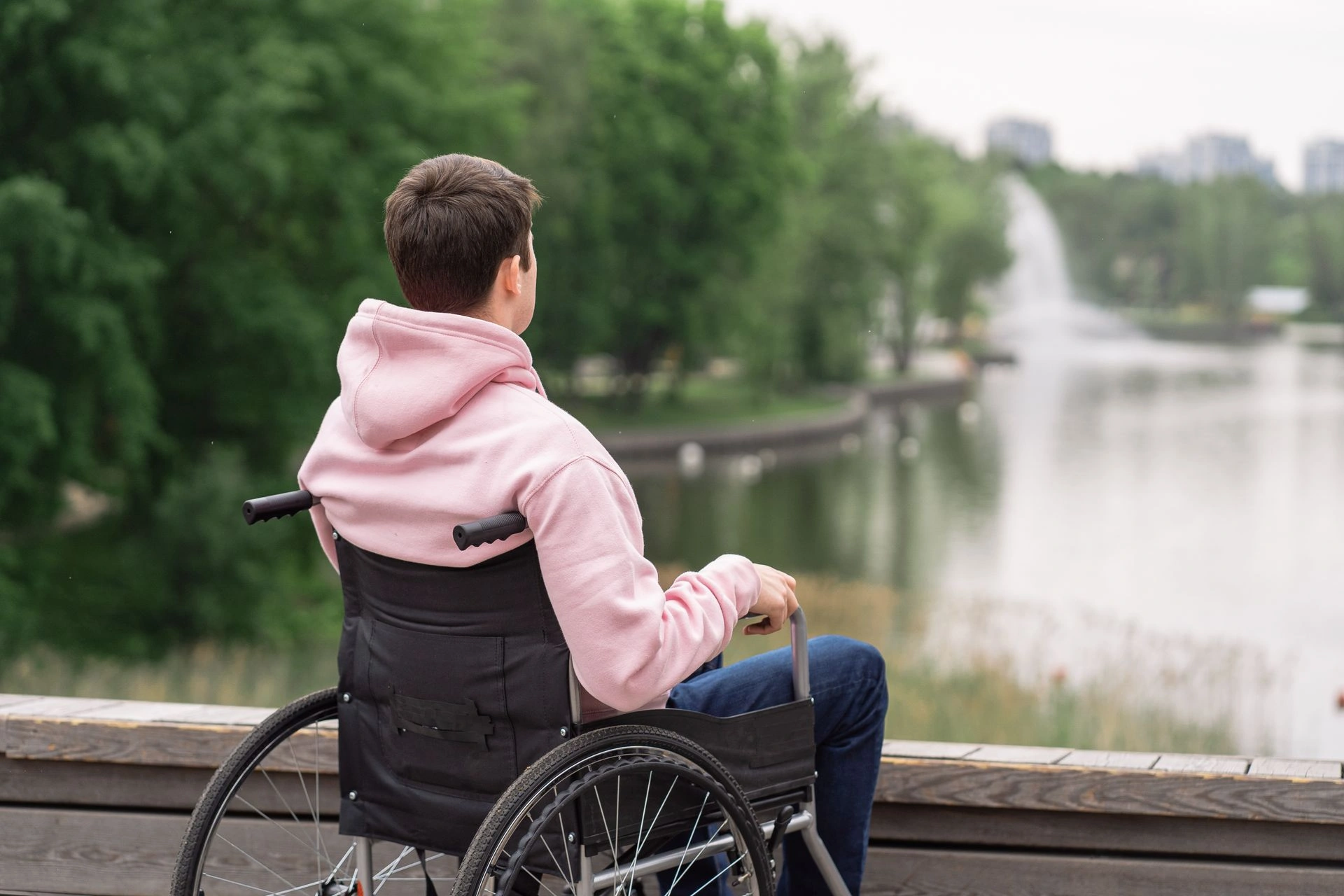
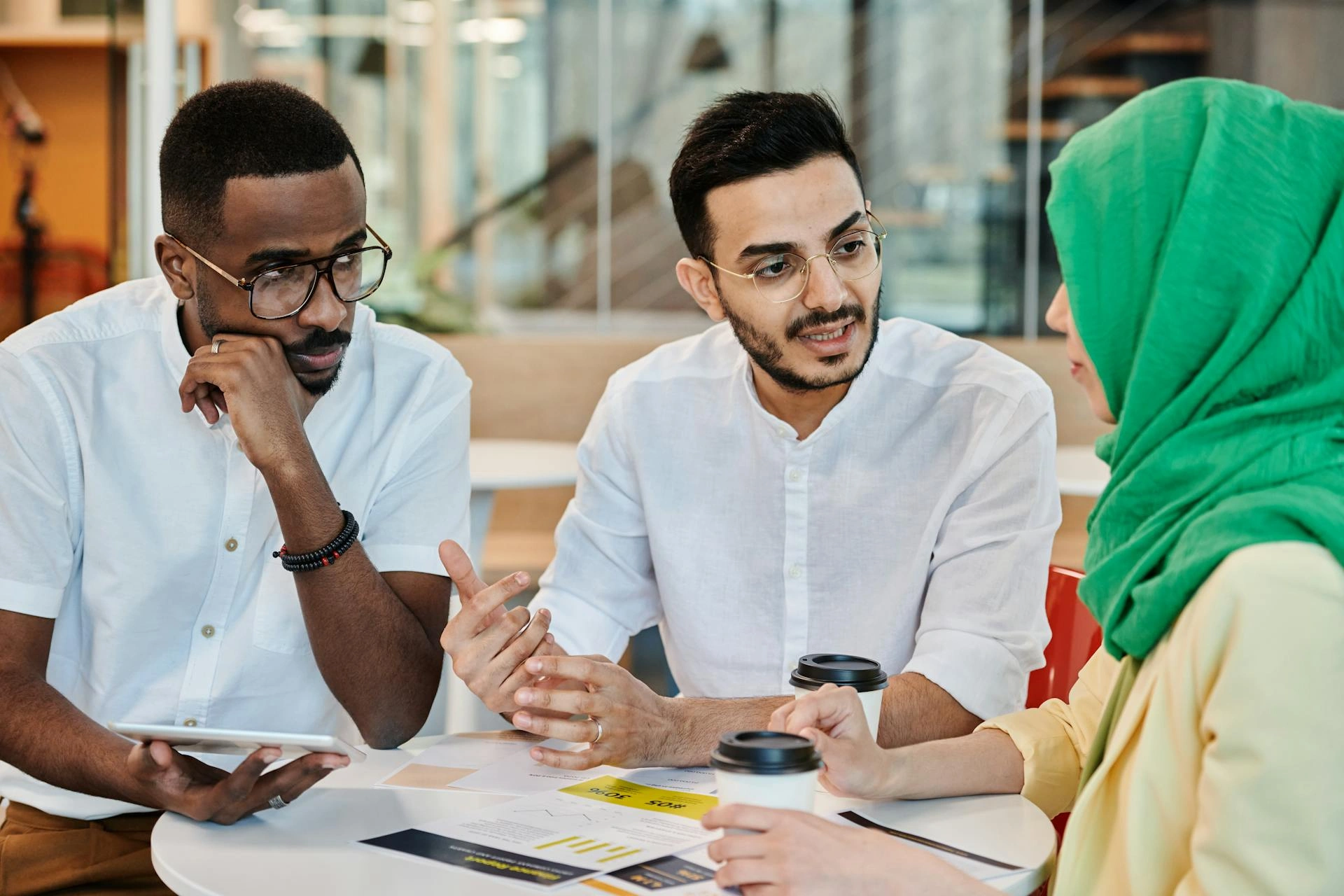
Total Inclusivity means recognising, valuing, protecting and nurturing diverse identities — including those of race, gender, sexual orientation, class, disability, age, religion and language — and doing so universally, not selectively, across every part of an organisation.
That definition is broad but non-negotiable. If it resonates, you are already on the path to becoming what I describe as an Advocate for Total Inclusivity. Without such advocates at every level, the concept will remain an idea rather than a lived reality.
We do not need to make the case for inclusivity. The argument has already been made — repeatedly, and often at great cost.
The evidence is everywhere: sexual harassment scandals in public life; racist abuse directed at Black footballers; antisemitic incidents on university campuses; violence against women at levels the World Health Organization has described as a global health crisis. In Poland, towns have passed anti-LGBTQ+ resolutions. In the UK, hate crimes against Asian communities have surged in recent years. Across the continent, the misogynist incel movement has been discussed as a potential security threat.
The question, then, is whether we are moving fast enough.
But why focus on organisations? Because they are more than places where people earn a living. They shape identity. For many, work plays a greater role in defining who we are than family or community.
Over a lifetime, we spend roughly a third of our waking lives — around 90,000 hours — inside organisations. Add commuting, remote working and the spillover of work into personal time, and that figure rises further.
Yet our relationship with organisations is deeply conflicted. We depend on them, but often experience them as impersonal and, at times, damaging. Toxic workplace cultures are driving one in five US workers to quit, while 64% of UK employees report that a poor work environment has affected their mental health. Similar trends are visible across Europe and beyond.
Any organisational leader reading those figures should pause and ask whether this is acceptable.
‘Community’ is one of the most frequently used — and misused — words in organisational language. Alongside ‘family’, it is deployed constantly in branding and recruitment. The reality often falls short: environments driven by performance, where belonging is conditional and identity is instrumentalised.
Globalisation has not produced the connected world many expected. In parts of Europe — from northern England to post-industrial regions elsewhere — it has fuelled dislocation and frustration. Many people feel more isolated and insecure despite material progress. The growth of the global wellbeing industry reflects that gap between rhetoric and lived experience.
Total Inclusivity is not a wellbeing initiative or a training programme. It is a fundamental shift in organisational culture, requiring organisations to function as genuinely inclusive communities — places where diversity is valued, identities are respected and every individual matters. That cannot be achieved through occasional training or carefully worded policies. It requires change at every level.
History shows that values can evolve. In 1943, race riots in Detroit led to dozens of deaths and received limited attention beyond the city. In 2020, the killing of George Floyd sparked one of the largest global movements against racial injustice. This reflects a broader shift in societal expectations — what sociologist Norbert Elias described as a long-term civilising process.
Progress has been made, but it remains incomplete. Structural inequalities persist, and many groups continue to face discrimination and exclusion.
This is why Total Inclusivity matters now. A society that claims to value human rights cannot afford selective inclusion. When inclusivity is inconsistent, it becomes performative.
Responsibility does not sit with a single individual or department but instead belongs to everyone within an organisation. Previous approaches — equal opportunities policies, diversity programmes, unconscious bias training, corporate social responsibility — have often been treated as initiatives imposed on organisations rather than practices embodied by individuals. That is why they stall. They produce compliance, sometimes resistance, and rarely lasting change.
Total Inclusivity begins at an individual level. It requires the ability to move beyond one’s own perspective and engage with others’ experiences with empathy. When that happens, difference becomes less threatening and shared identity becomes possible.
The rise of artificial intelligence adds urgency to this discussion. AI does not carry human bias in the same way, but it also lacks human empathy, compassion and moral judgement. If organisations become less human in response to technological change, the consequences will be significant. If they instead strengthen what makes them human — connection, belonging and shared purpose — inclusivity becomes both a moral and strategic priority.
Across cultures and societies, people want the same thing: to be recognised, respected and accepted. That desire is universal.
Total Inclusivity is not in question. The issue is how soon it becomes reality — and that depends on all of us.

Dr Stephen Whitehead is a gender sociologist and author recognised for his work on gender, leadership and organisational culture. Formerly at Keele University, he has lived in Asia since 2009 and has written 20 books translated into 17 languages. He is based in Thailand and is co-founder of Cerafyna Technologies.
READ MORE: ‘The dating imbalance: why highly educated women are struggling to find partners‘. Across the developed world, women now outperform men in education. That shift has brought enormous gains, but according to Dr Stephen Whitehead it’s also quietly reshaping the dating market — leaving many women struggling to find compatible partners and many men feeling excluded.
Do you have news to share or expertise to contribute? The European welcomes insights from business leaders and sector specialists. Get in touch with our editorial team to find out more.
Main Image: Edmond Dantès/Pexels