As counterfeit Banksy prints flood online marketplaces, MyArtBroker’s Ian Syer tells The European’s Dr Stephen Simpson why authentication matters more than ever — and how even seasoned buyers are being caught out
The internet has been good to forgers. High-quality printers are cheap, provenance can be faked with Photoshop, and platforms like eBay offer global reach with minimal oversight. For works by anonymous street artist Banksy — whose limited-edition prints now fetch up to six figures — the lure has proved irresistible to counterfeiters.
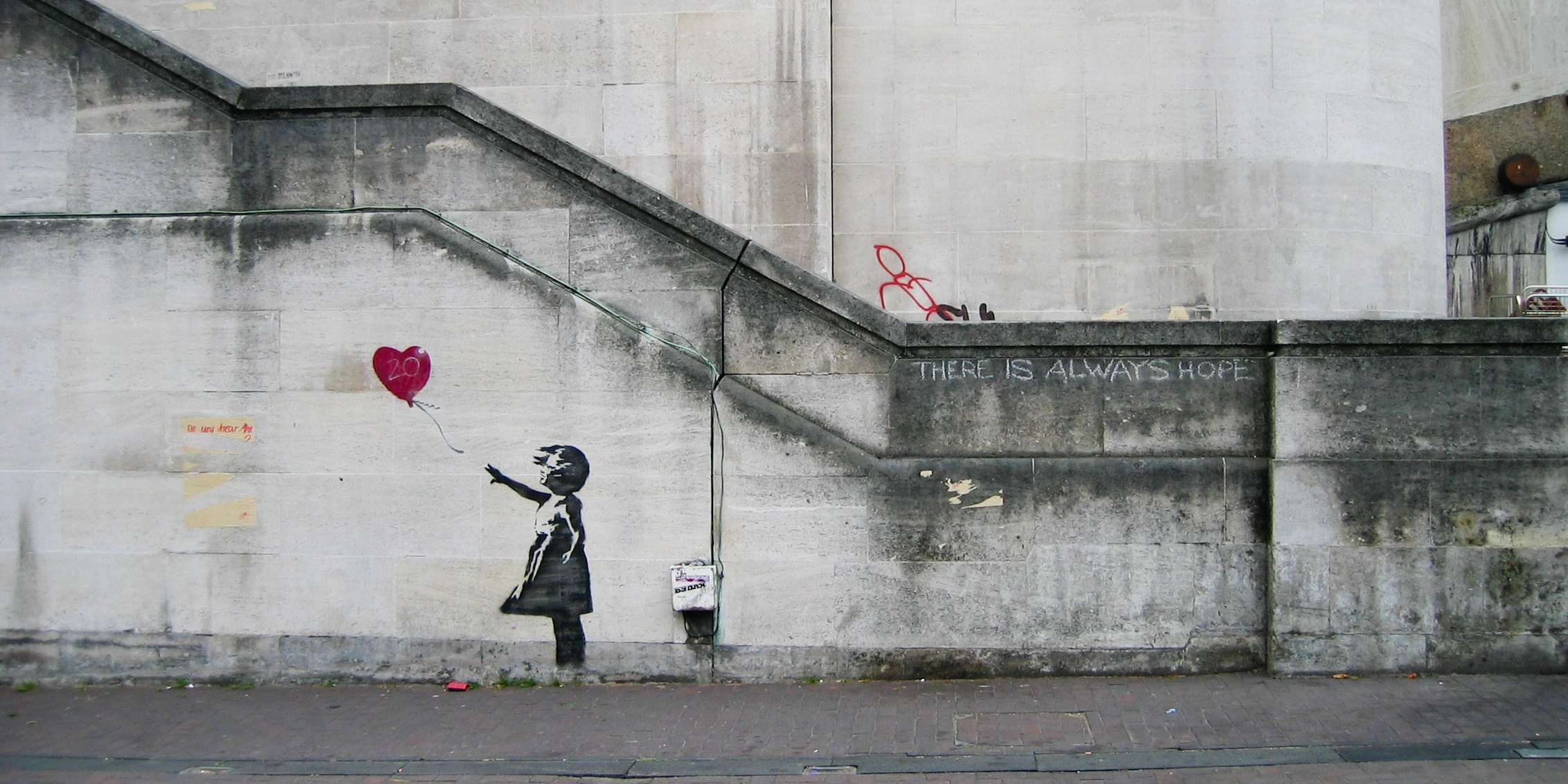
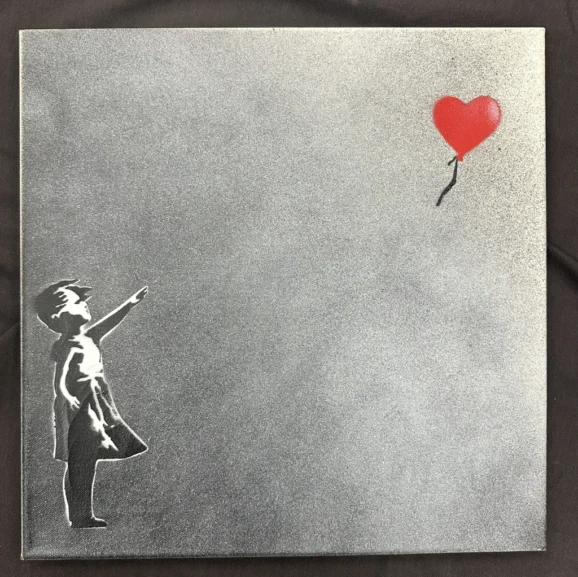
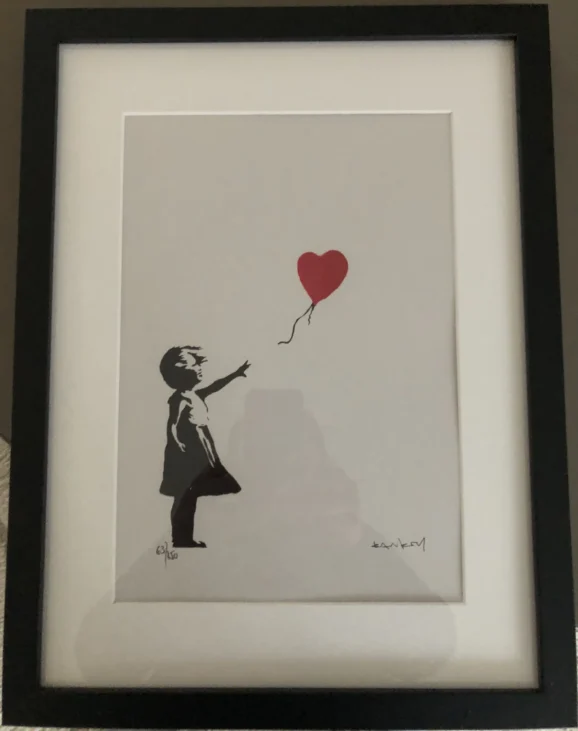
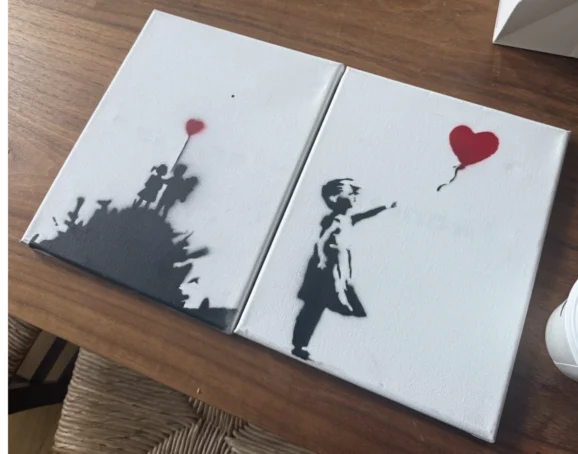
“The number of fakes on the market is staggering,” Ian Syer, co-founder of MyArtBroker, the world’s largest platform for buying and selling modern prints, told me last week. “Especially Banksy’s Girl With Balloon. We see more forgeries of that image than anything else. Poor proportions, dodgy signatures, colours slightly off. Even fake Pest Control certificates have turned up.”
Pest Control is Banksy’s official body for issuing Certificates of Authenticity (COAs). Each COA includes a unique code and a defaced tenner bearing the Queen’s face — a nod to the artist’s early work. But even these are being forged. “We won’t touch a Banksy without that certificate,” says Syer. “And even then, we verify everything. Size, medium, material — it has to match known authentic works. Otherwise, it’s a no.”
MyArtBroker was born from the frustration of resale gaps in the traditional art world. “I worked in galleries,” Syer said, “and we’d have clients come back wanting to resell pieces. But the galleries wouldn’t take them — margins didn’t allow it. We realised there was a gap for a resale platform with proper oversight.”
Launched in 2010 by Ian and his brother Joe, MyArtBroker now facilitates millions in transactions across the print and editions space. From Warhol to Hockney and, of course, Banksy, the company acts not just as a middleman but as the seller of record, taking full responsibility for the authenticity of each piece.
“It’s like buying a house through an agent,” Ian explained. “You want someone who understands both sides of the deal. That’s what we do. We don’t just list a piece and hope for the best. We broker it, verify it, handle logistics, and provide proper paperwork.”
So why the surge in fakes — and why now?
Syer points to two main drivers: tech and temptation. “Printing tech is better. Scammers can now produce forgeries that look decent enough to fool someone scrolling late at night. And there’s more money in it. We’ve seen Banksy prints listed online for £50,000 or more. That’s serious cash.”
Often, he says, it starts with an email from someone claiming to have picked up a print at a car boot sale. “No receipt. No paperwork. Just a story. And they want to know if it’s worth tens of thousands. Spoiler: it usually isn’t.”
Even seasoned buyers are vulnerable. The combination of hype, high prices, and limited supply has created a market where desperation can override due diligence. “We get people sending in stop signs with stencilled rats on them. Paint still wet.”
The worst offenders, Syer says, are online marketplaces where sellers aren’t vetted and buyers don’t know what to ask for. “eBay’s a perfect example. No specialists. No filters. And you’ve got people sending cash in the post or handing over thousands in car parks. It’s mad.”
He adds: “It’s not just the image. It’s the paper, the edition size, the colour palette. A real Girl With Balloon print has very specific proportions. If the image fills too much of the space, it’s probably a fake.”

At MyArtBroker, every piece undergoes a rigorous process. For high-value works, this includes forensic-level scrutiny — signature analysis, UV checks, and in some cases, handwriting comparison. “We’ve got specialists who’ve handled hundreds of the same edition. They can tell just by touch whether it’s right.”
Banksy’s Pest Control service adds a further — if occasionally frustrating — layer of security. “They’re notoriously slow,” Syer admitted. “It can take months, even years, to get a COA. But that’s a good thing. It stops the fakes flooding in.”
While technology plays a major role in MyArtBroker’s operations, it’s always backed by human expertise. “We scrape data from 400 auction houses,” Syer said. “Use AI to clean it, match it, and then run it past specialists. It means our valuations aren’t just opinion — they’re based on facts.”
That data underpins tools like SingularityX, an algorithmic pricing engine for the prints market, and MyPortfolio, which lets users track and manage their collections in real time.
Transparency, Syer says, is key: “We want clients to challenge valuations. If they disagree, we’ve got the data to talk through it.”
Unlike one-off originals, prints are produced in editions, are often signed, sometimes numbered, and always easier to track. That makes them attractive to new investors as well as seasoned collectors.
“You can enter the market with £5–10k,” Syer said. “Maybe a Tracey Emin or an unsigned Banksy. Then, once you’re comfortable, you trade up. We see clients go from starter pieces to six-figure portfolios.”
Because the market has liquidity — unlike high-end originals that might sit unsold for years — it appeals to buyers looking for smart alternative assets. “You can track value over time. Plot it like a stock chart. That’s a huge benefit.”
But Syer is quick to caution against viewing art purely as investment. “It’s a passion asset,” he warned. “Like a classic car. You buy it because you love it. If it goes up in value, great. But you’re getting joy from owning it — and that’s priceless.”
While Syer sees opportunity for growth, especially in Europe, he’s in no rush to dilute the model. “We’ve looked at branching out into other luxury assets, but the art world still has so much untapped potential. We’re not done here yet.”
With deep pockets, smarter tools and a no-compromise approach to authenticity, MyArtBroker now finds itself challenging the very institutions it once admired from afar.
“I think we’ve become a threat to some of the big auction houses,” Syer explained. “They take 21 days to give you a valuation. We can do it in minutes. If you offer people speed, trust, and quality, they’ll come to you.”
And with fakes on the rise, that trust is more valuable than ever.

Dr. Stephen Simpson is an internationally acclaimed mind coach, TV and radio presenter, hypnotherapist, TEDx speaker, bestselling author, business consultant, and Fellow of the Royal Society of Medicine. With nearly 40 years as a practicing physician and extensive experience in elite performance coaching, mental health, hypnosis, and NLP, he has worked with top athletes on the PGA European Golf and World Poker Tours. Dr. Simpson holds an MBA from Brunel University and has served as Regional Medical Director for Chevron, contributing to global health initiatives with leaders like Bill Clinton and Bill Gates. He hosts popular shows such as “Zen and the Art of NLP,” and his YouTube channel boasts over 260 videos and 350,000 views. His latest book, “The Psychoic Revolution,” encapsulates his innovative methods for achieving peak performance.
Main photo: The original Banksy mural, ‘Girl With Balloon’, on Waterloo Bridge, London, 2004. Photo: Dominic Robinson/Wikipedia (Creative Commons)