Even in a brutal heatwave, the French capital retains its style, charm and sense of escape. Deborah Lyon finds refuge in its museums, churches, cinemas, gardens and shaded streets
When the thermometer in the Uber hits 43 degrees, the driver describes the city as “l’enfer” (hell) and you spot a chic Parisian lady with a bag of frozen peas on her head, you know it’s the ‘canicule (heat wave) of canicules’.
Such was the wall of oven-like heat into which we walked for a Paris weekend break in late June, learning a host of tips to stay cool in the fierce temperatures, whilst still enjoying the magic of this wonderful city.
Shade and air conditioning became our watchwords and our favourite game was to spot the iconic, green cast-iron Wallace Fountains, many of which have built-in misting systems, along with drinking water, to cool down in the heatwave. These can be tracked down on the Eau de Paris map, which pinpoints all the fountains across the city; to save wastage the misting system only kicks in when the temperature climbs. Pretty smart.
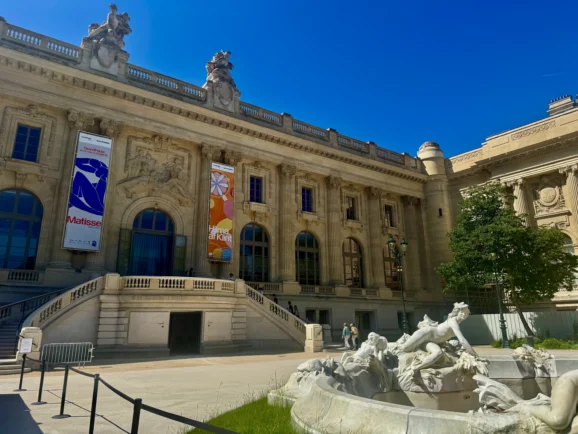
Museums were a good call; we particularly enjoyed the Matisse exhibition at the Grand Palais. Focusing on the later period of Matisse’s artistic output from 1941 to his death in 1954, room after glorious room unfolds with more than 300 works on show, including famous paper cuts, iconic paintings and instantly recognisable drawings.
The recent €466 million, four-year refurbishment of the Grand Palais has restored this fine old Parisian lady to her former glory, sensitively enhancing the building’s traditional features whilst improving and unifying public access. Completed in June 2024 for the Paris Olympics, this stunning refurbishment (including, thankfully, air conditioning) is definitely worth a few hours of your time.
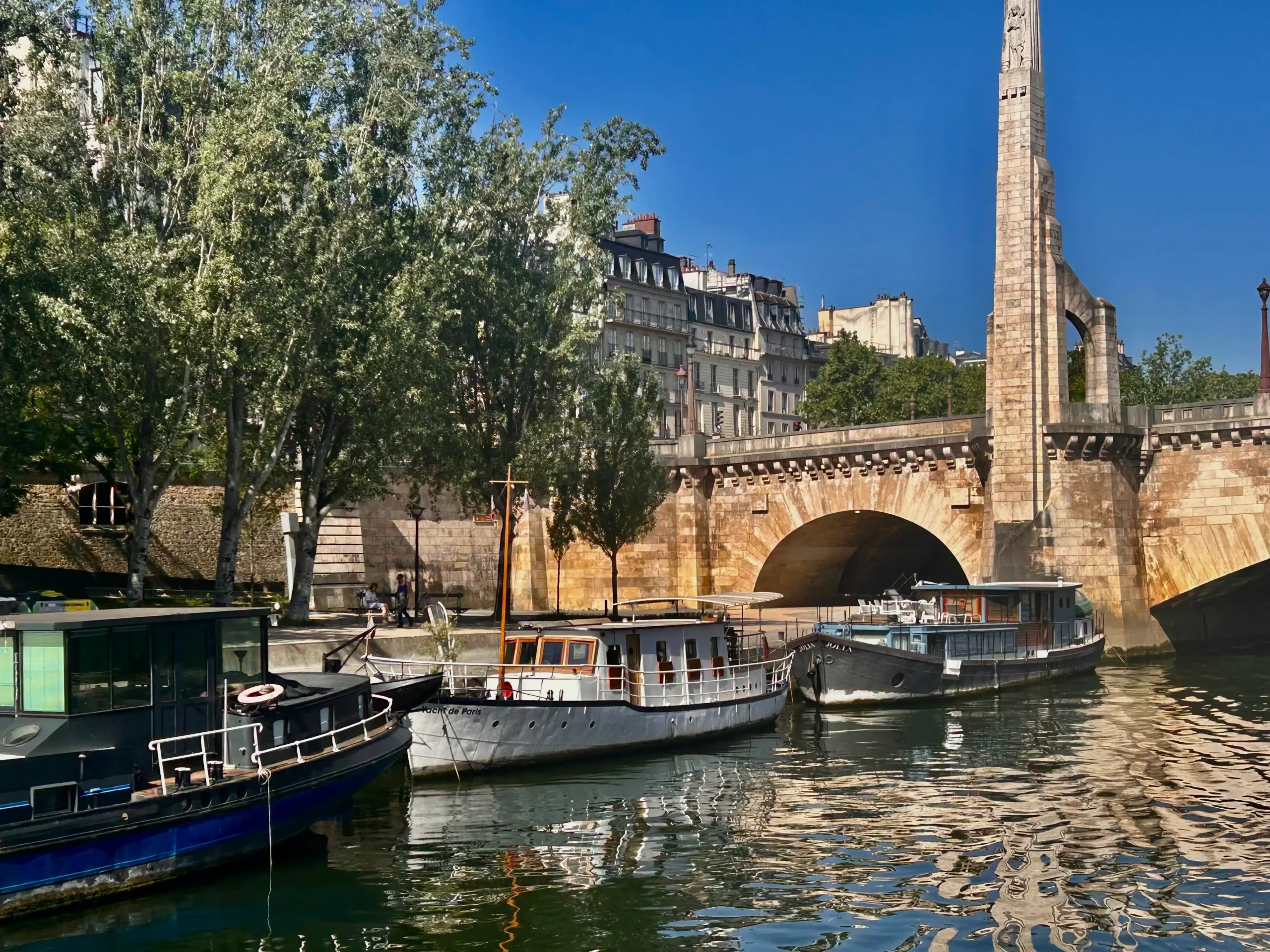
A trip on the Bateaux-Mouches from the Port de la Conférence at the Pont de l’Alma (close to the Grand Palais) is another good idea when it’s hot, providing a quick, visual introduction to the city. Whilst it was too stifling to sit up top for long, the shaded downstairs seating area still provided lovely views of Paris with a river breeze to cool us. You can’t book a specific time slot but it’s definitely worth getting on the first cruise out, which leaves at 10am, to beat the heat and the crowds.
Paris is a city with the Seine at its heart, and the trip, which lasts approximately one hour, passes many of the notable Parisian sites: the Louvre and the Tuileries Gardens, Notre Dame and the Conciergerie as it heads upstream before taking in the Musée d’Orsay, the Assemblée nationale and the Eiffel Tower on the downstream leg.
On our second day, we decided to enjoy a mix of shopping, culture and sightseeing, starting out in the beautifully air-conditioned Galeries Lafayette. The elegant, stained-glass dome of the central cupola, spanning over 1,000 square metres with 10 glass panels, was designed by master glassmaker Jacques Gruber. Completed in 1912, it dominates this iconic department store; the dome is worth a visit in itself, as are the views from the open-air terrace. For shopping, the food and beauty halls are particularly dazzling, whilst the newly installed Jellycat Café on the fifth floor is a popular must for younger ones.
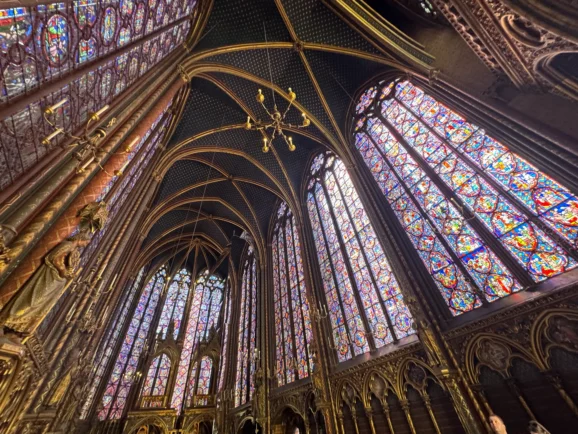
Continuing on a stained-glass theme, we headed to the world-famous Sainte-Chapelle. The 1,113 windows of this Rayonnant Gothic church are truly one of the great wonders of Paris; the wait outside though in the heat is less enjoyable so bring sun cream, cooling sprays and a hat. Built in the mid-13th century, its windows create an effect of walls formed entirely of coloured light. The constant echoes of “wow” as visitors come up the stairs from the crypt and see these miracles for the first time make for a moving refrain.
In the afternoon, we did what the Parisians do when temperatures climb. We went to the cinema. French movie theatres recorded a dramatic spike in attendance during the heatwave compared to the same week in 2025, as people sought refuge in a cool, dark, air-conditioned space. Some cinemas even offered free tickets between 1pm and 4pm to vulnerable citizens to help them get out of the heat. In a country where film plays a vital cultural role, there’s a huge choice of venue, from art house to multiplex. We enjoyed cooling off in the historic Cinema du Panthéon, one of the oldest cinemas in Paris, thankfully equipped with all the modern amenities.
The heat abated just a little on our final day so we decided to brave a walk, exploring the Quartier Latin in the fifth arrondissement. So named because the academic community around the Sorbonne would converse in Latin, this is one of the most ancient areas of Paris, dating back to Roman times and home to one of the oldest universities in the western world.
We started our walking tour on a literary pilgrimage, having a coffee and croissant at the Place de la Contrescarpe, mentioned in Hemmingway’s A Moveable Feast. It’s only a stone’s throw round the corner to 74 Rue du Cardinal Lemoine, where a plaque marks Hemingway’s former home. Further down the Rue Mouffetard, on the Rue du Pot-du-Fer, lived George Orwell, who also wrote about these streets in his novel Down and Out in Paris and London.
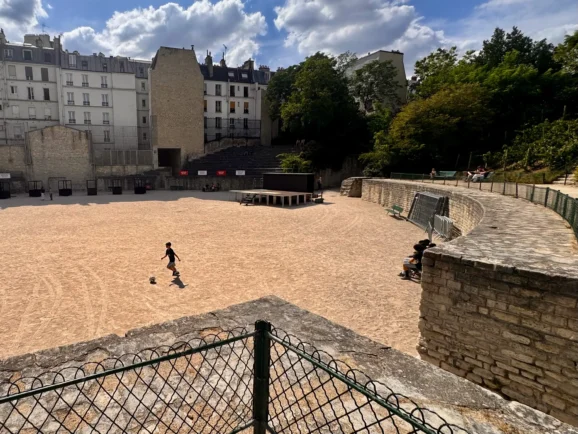
Heading down Rue Lacépède, we made for the Arènes de Lutèce, one of the most important Roman sites in Paris. Tucked away beside the Rue Monge, this gladiatorial amphitheatre, which seated more than 10,000 gore-hungry spectators, was discovered in 1869 when a tramway network was being built. Threatened with destruction, a campaign to save the arena was launched by a host of luminaries including Victor Hugo.
Thankfully, the protest succeeded and nowadays, it’s used by locals as a place for boules and football games, with a delightful children’s play park softening the shadows of its bloody past. Stepped terraces, sheltered by canopies of trees and twisting vines, offer a welcome spot to watch everyday Parisians still enjoying this ancient meeting place.
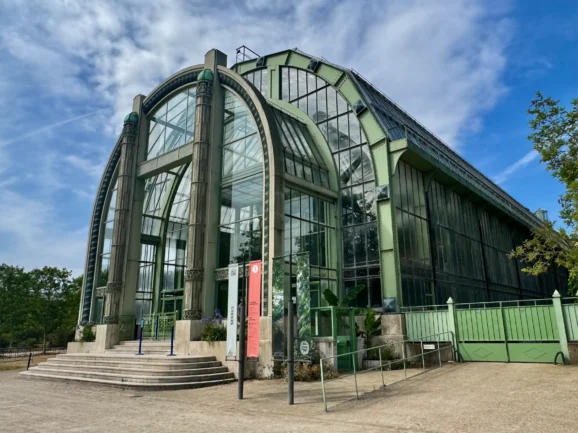
From the arena, it’s a short walk to the magical Jardin des Plantes. Open to the public for nearly 400 years, the 28 hectares of botanical and medicinal gardens offer serenity from the noise and heat to locals and tourists alike. Some of the galleries are closed at the moment for a major refurbishment, but the stunning greenhouses and famous petting zoo are still open.
Down the road from the Jardin des Plantes, the highlight of our last day was to take a mint tea in the cafe of the Grande Mosquée de Paris. One of the largest mosques in France, it was inaugurated in 1926 to celebrate Franco-Muslim friendship, solidarity and courage during the First World War. The selection of sweet treats and sorbets in the colourful, tiled tea rooms, served by attentive and friendly waiters, is a delight, all under an occasional cooling mist of water spray.
Replete on baklava, it was a short walk back up the Rue Mouffetard, a narrow medieval thoroughfare still lined by eateries and market stalls of every ethnic origin, to reach the beautiful Eglise Saint-Etienne-du-Mont. A stone’s throw from the Panthéon, this lovely church blends Gothic and Renaissance architecture in its gleaming and cool interior, with a rare, richly carved rood screen. As it contains the shrine of St Geneviève, the patron saint of Paris who saved the city from destruction by the Huns, it seemed a fitting and noble place to end our walking tour of the endlessly fascinating fifth arrondissement.
Despite the intense heat, with a bit of sensible planning we really enjoyed our Parisian break. There are always corners of shade to explore, fountains of cool water to sip, secret gardens to seek out, cooling churches in which to find sanctuary. This is a city that has been through so much, with history written in its every stone. Now it faces new challenges, as unprecedented temperatures become the norm and its famous zinc-covered roofs turn into nearly uninhabitable pressure cookers for those who swelter beneath them.
As a lover of the city, one can only hope it will continue to adapt, survive and thrive, bearing in mind the words on the carved stone plinth at the entrance to the Arènes de Lutèce: “As you pass through this early monument of Paris, consider for a moment that the city of the past is also the city of the future, and that of your hopes.”
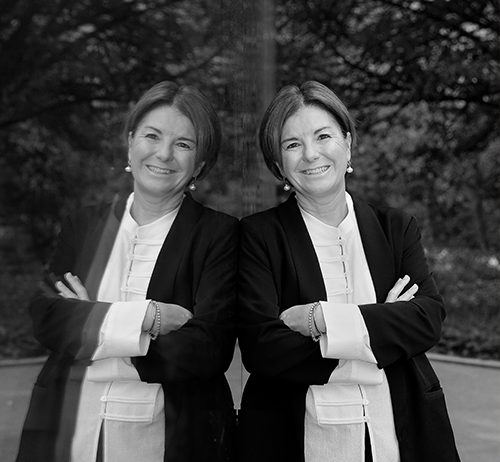
Deborah Lyon is a writer, editor and hospitality entrepreneur based in the Lake District. She left London two decades ago to restore a derelict Victorian estate near Windermere, now The Heaning — a five-acre collection of self-catering properties rooted in local craftsmanship and Cumbrian heritage. Alongside running the estate, she writes about landscape, place and belonging, drawing inspiration from the fells and literary traditions that surround her. Her first novel, the acclaimed children’s book Timewaif & The Roman Road, was praised for its evocation of Roman Cumbria and its “human stories told with tenderness and truth”. She is also the author of Lake District Unlocked, a family travel guide to the region’s hidden landmarks.
READ MORE: ‘Is 2026 the summer of the staycation?‘. With more Britons choosing to holiday closer to home, hospitality entrepreneur and The European’s Travel, Hospitality & Culture correspondent Deborah Lyon explores why staycations are no longer seen as second best.
Do you have news to share or expertise to contribute? The European welcomes insights from business leaders and sector specialists. Get in touch with our editorial team to find out more.
Main Image: The Seine provides more than postcard views, with riverside walks and boat trips offering one of the most enjoyable ways to explore Paris while staying cool. Credit: Supplied