Tokyo’s charming Higashi-Azabu district offers thrill-seeking travellers a side of Japan few tourists ever see, writes author and British expat, Elizabeth Hendrick
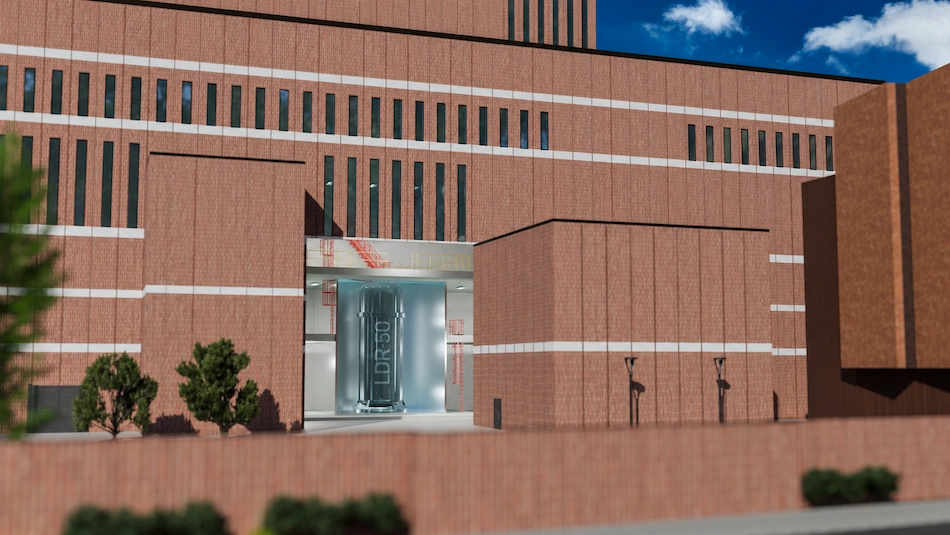
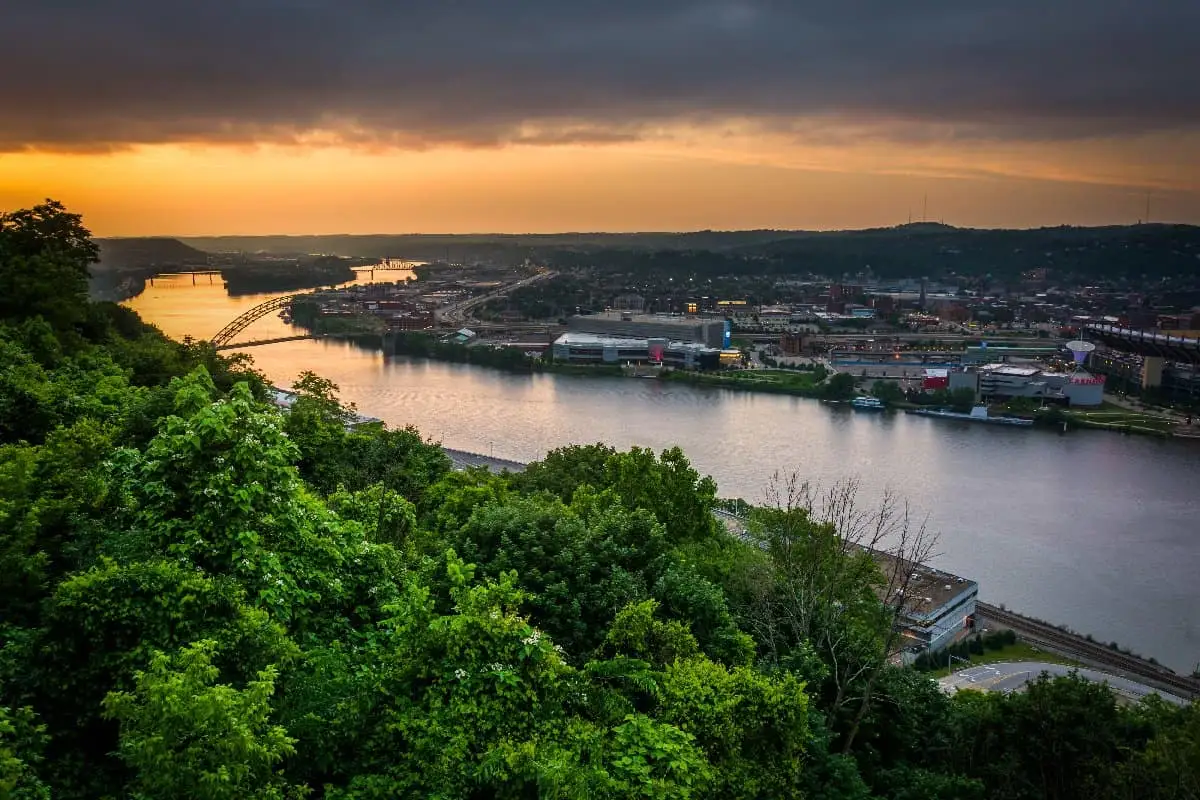
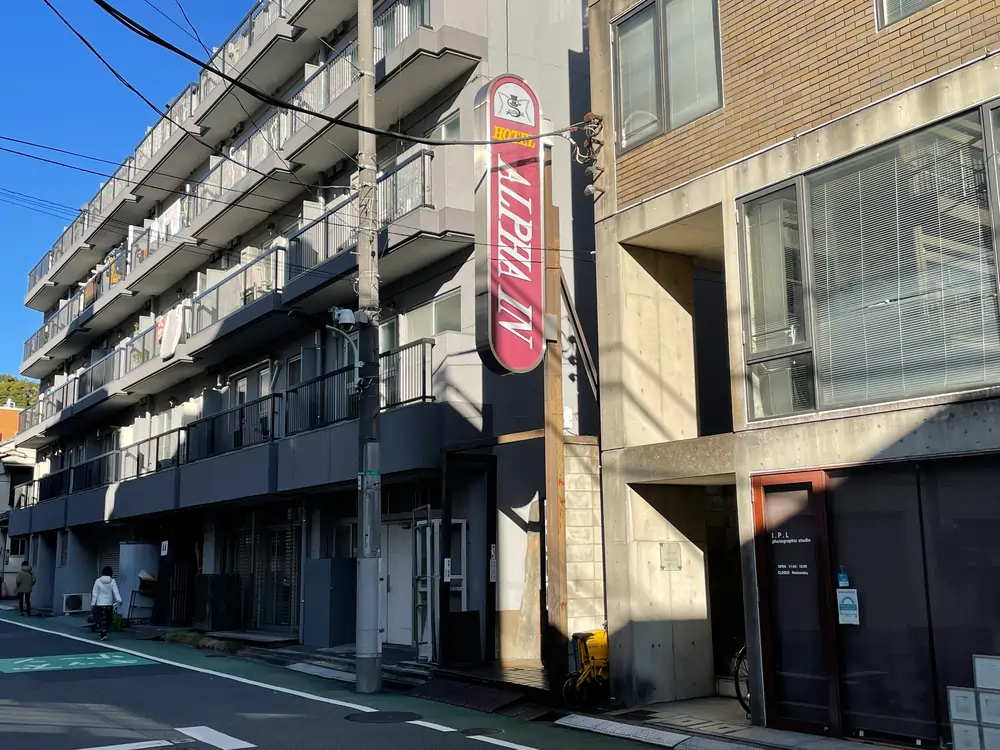
From the top floor of the upmarket Tokyo American Club, the eagle-eyed tourist might spot a monstrous brick building in the Higashi-Azabu district some distance to the south. It is six storeys high, and, thanks to its window bars and shutters, which are forever closed, resembles an inner-city prison. It is a place few European visitors know about and fewer still have entered. Questions about its purpose are tactfully avoided by the Club’s employees.
But for the adventurous holidaymaker seeking a truly original, off-the-beaten-track adventure in Japan, the ‘Alpha In’, as this mysterious building is known, and the affluent Higashi-Azabu district itself, should be at the top of their tick list.
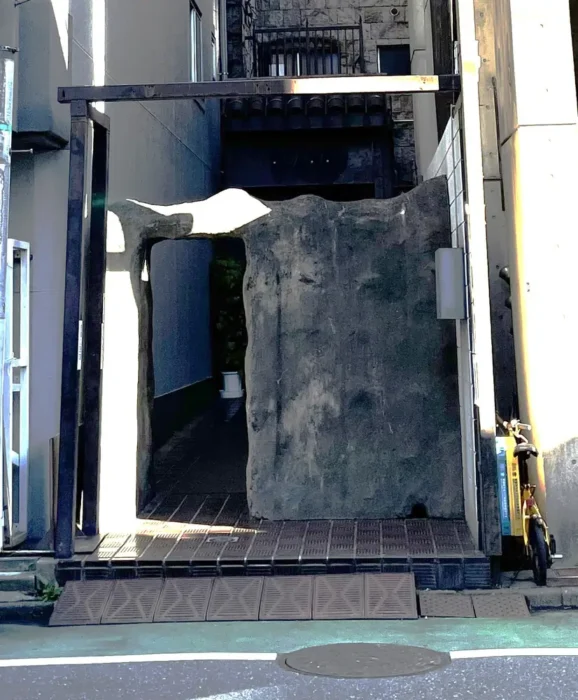
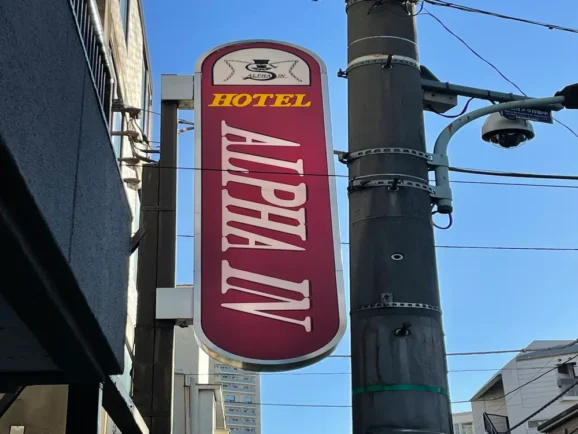
The Alpha In is, to put it bluntly, an infamous love hotel nestled between two residential blocks. It is unique in every possible way. Its main entrance sits behind a strange, cave-like façade, for example. Through it, an electric door slides open – triggering a wind charm jingle to signal your arrival – and a warm “irasshaimase!” – Welcome! greets visitors from a receptionist peeking out from a hole in the wall. A digital screen, similar to an airport departure board, provides up-to-the-minute information on what rooms are currently available.
Sordid as it may sound, the Alpha In attracts wealthy customers from all over the world. During peak hours, it is almost certainly fully booked. Taxis come and go throughout the day, dropping off elegant women and rich businessmen. It is as much of a Tokyo institution as the American Club but appears in few – if any – guidebooks.
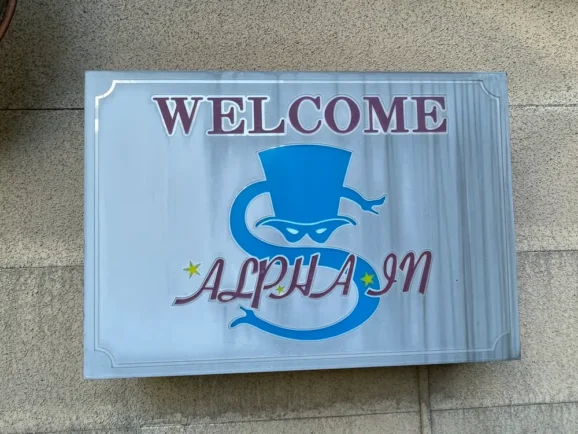
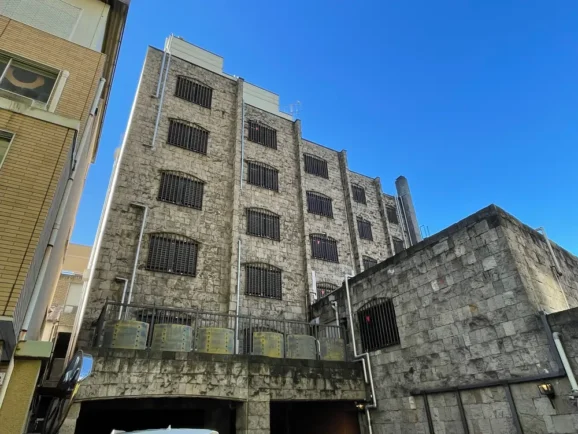
The building’s history is as colourful as its services. Up until about thirty years ago, the Alpha In – operating under a different name at the time – was struggling. Whilst love hotels were thriving in backstreets across poorer neighbourhoods, the Alpha In’s location – in a moneyed residential district – was its downfall. Faced with the prospect of closure, it did what the Japanese do best and reinvented itself…with a BDSM theme. The hotel was refurbished, and its rooms redesigned with spanking benches, strap-in chairs and other paraphernalia.
The risk paid off in spades.
Within a few years, the newly named ‘Alpha In’ became the city’s go-to destination for BDSM practitioners. The timing was perfect: in the 90s, the underworld of fetish was exploding in Tokyo and its popularity spread fast by word of mouth.
Today, the Alpha In is busier than ever, thanks in no small part to the object of curiosity it has become for the adventurous traveller; Insta-tourists with selfie sticks are an increasingly frequent sight.
The Higashi-Azabu district itself is no less fascinating. Azabu, which literally means “hemp cloth,” was originally used for agriculture until the Edo period when it became highly sought-after real estate and reserved for the Samurai. Much of this prestige has lingered until the present day and is prominent in areas such as Moto-Azabu (Original Azabu) and Nishi-Azabu (West Azabu). Higashi-Azabu (East Azabu), however, was originally the home of the ‘burakumin’, the butchers and tanners, who were scorned upon, and the area became stigmatised – perhaps the very reason why a love hotel like ‘Alpha In’ might sprout from within.
During the Meiji Restoration and later under Taisho reign, Azabu developed into a bustling and popular area, abuzz with theatres, department stores and even red-light districts. Sadly, the whole district was flattened during the fire-bombing of 1945. Reinventing itself once more, Azabu has since arisen from the ashes as the affluent, commercial, and residential area of Tokyo it is today. It is also one of the city’s most culturally diverse places with authentic Indian, Italian, and other ‘foreign’ restaurants a plenty. Just across the road from the ‘Alpha in’, there is even an English bakery called ‘Mornington Crescent’ – named, one assumes, after the London tube stop – which is a must for hot cross buns during Holy Week.
For thrill-seeking travellers seeking a truly pleasurable experience, this part of Japan is as unforgettable as it is unconventional.
Elizabeth Hendrick is a multi-award-winning British author and memoirist who has lived in Tokyo for more than 16 years. Her latest work, EXODAI – A Shockingly Honest Memoir of Love, Obsession and Torture, offers a candid look into her journey of self-discovery through BDSM. In the memoir, Elizabeth recounts her experiences in Tokyo’s underground BDSM scene, including her time spent in the infamous Alpha In. Through her writing, Elizabeth explores themes of love, obsession, and the complexities of power dynamics, offering readers a raw and unflinching perspective on her life and the emotional and physical challenges she faced.