

Born on the streets of Philadelphia, Black Friday has spread to at least 129 countries as culturally and economically diverse as Brazil, Nigeria, Egypt and India. On Black Friday 2026, Babak Mehrdadnia explores how this American shopping tradition became a global phenomenon, what its extraordinary expansion reveals about the power of commerce to shape human behaviour and cultural traditions, and where it might go next
From New York to São Paulo, Lagos to Cairo, and London to Tokyo, retailers this morning will be competing for the attention of shoppers under a single commercial banner. Remarkably, the global shopping phenomenon that is Black Friday owes its existence to an American public holiday – Thanksgiving – that most of the world does not celebrate.
Few retail events have crossed geographical, cultural and religious boundaries so successfully, or become so firmly established in the commercial calendars of countries with such different economies and traditions.
The transformation of Black Friday from a localised American phenomenon into an international shopping event took several decades, although much of its expansion beyond the United States has occurred since 2010.
Multinational retailers, digital marketplaces and increasingly sophisticated advertising networks have helped create an annual shopping ritual that requires neither a shared language nor a common cultural heritage.
Its success raises a wider question about the extent to which commercial enterprises can create and export traditions of their own, and what happens when those traditions begin to influence the behaviour of entire societies.
The expression Black Friday was in fact used to describe a financial disaster long before it became associated with shopping. On 24 September 1869, two American financiers, Jay Gould and James Fisk, attempted to corner the US gold market, triggering a collapse in prices and widespread financial disruption. The day became known as Black Friday.
The shopping event has entirely different origins. In the mid-20th century, police officers in Philadelphia began referring to the Friday after Thanksgiving as Black Friday because of the traffic congestion, overcrowded streets and extra policing duties caused by shoppers and visitors arriving for the annual Army–Navy football game.
Concerned that the negative connotations might discourage shoppers, local businesses attempted to rename the occasion “Big Friday” in the early 1960s, but the name failed to catch on.
Retailers subsequently popularised a more favourable explanation, suggesting that Black Friday marked the point in the year when businesses moved from making losses, traditionally recorded in red ink, to making profits, recorded in black ink. Although this explanation became widely accepted, it was a commercial reinterpretation of the term.
By the end of the 20th century, Black Friday had become firmly established in the American retail calendar, with department stores and shopping centres competing for customers through extended opening hours, substantial discounts and time-limited offers.
The emergence of shopping on this day beyond America quickly crossed geographical boundaries, reaching distant continents and becoming an annual practice.
Today, it has spread to an estimated 129 countries, encompassing almost two-thirds of the world’s nations. Across Latin America, Western Europe, the Middle East and Africa, it has become a major sales opportunity for retailers of technology, household appliances and other consumer goods.
In parts of Asia, however, it faces strong competition from established cultural celebrations such as India’s Diwali and major commercial events such as China’s Singles’ Day.
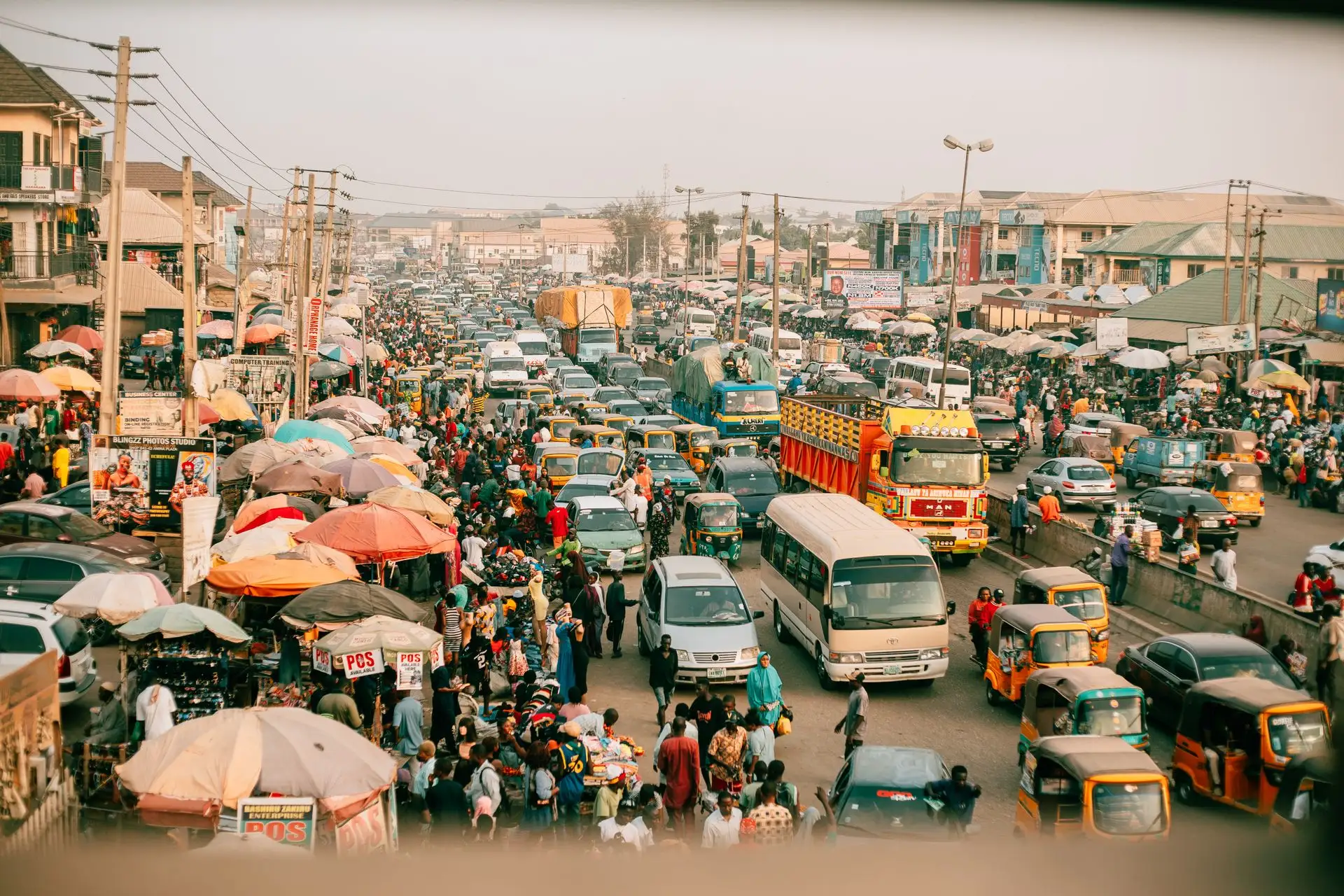
This raises an important question: how have countries with different cultures accommodated a shopping event that did not originate in their own calendars or traditions? In Iran, India and Vietnam, occasions such as Nowruz, Diwali and Tet stem from family and cultural traditions. In Arab countries, Ramadan and Eid al-Fitr are important periods for family shopping, while in Morocco pre-Ramadan shopping has also traditionally held a particular place. In Japan and South Korea, meanwhile, gift-giving and family gatherings influence consumer behaviour.
By contrast, events such as China’s Singles’ Day and the Dubai Shopping Festival have expanded largely through commercial initiatives and marketing. Mexico’s El Buen Fin national programme and France’s legally regulated seasonal sales offer two different examples of how governments and formal market structures shape the shopping calendar.
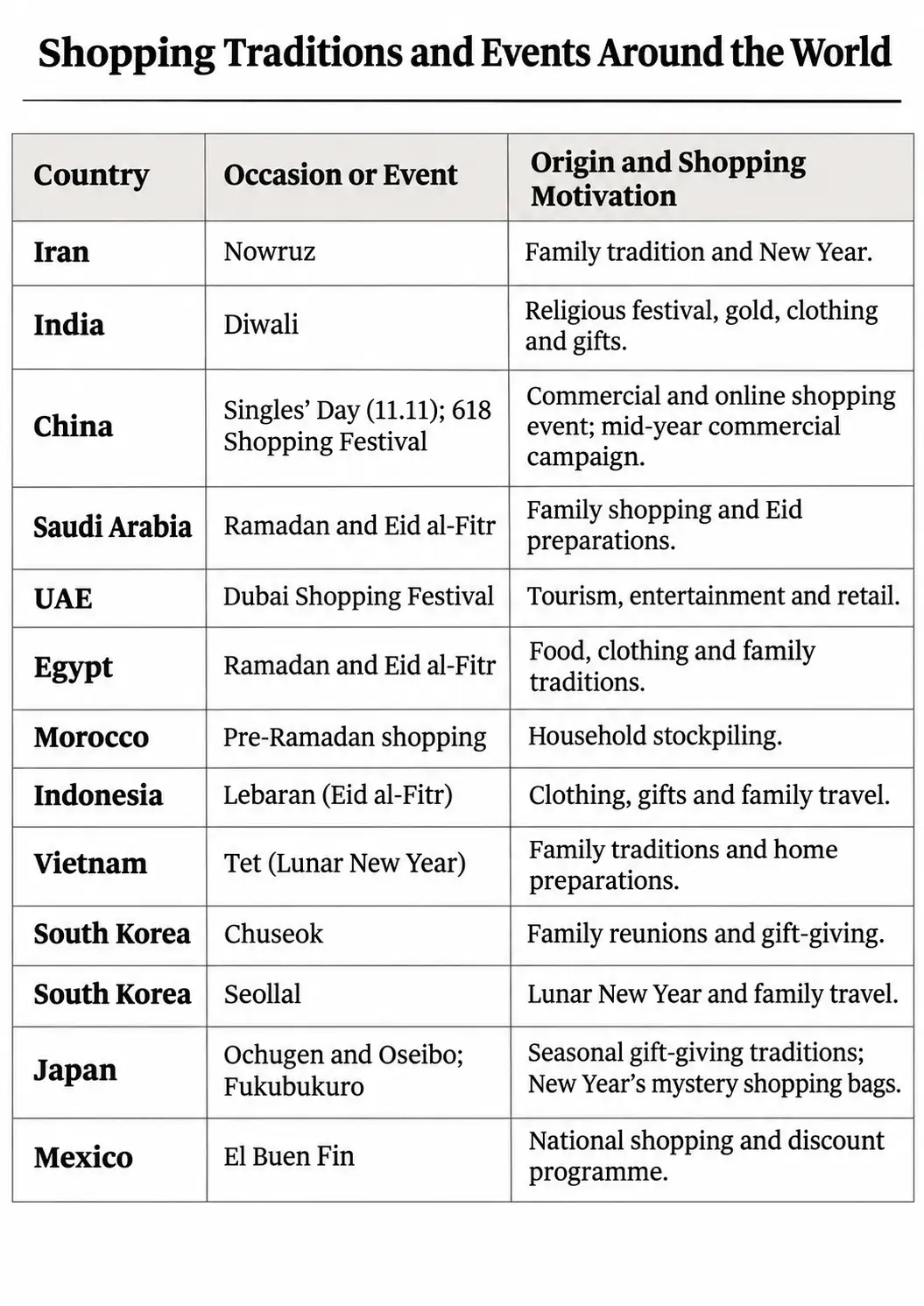
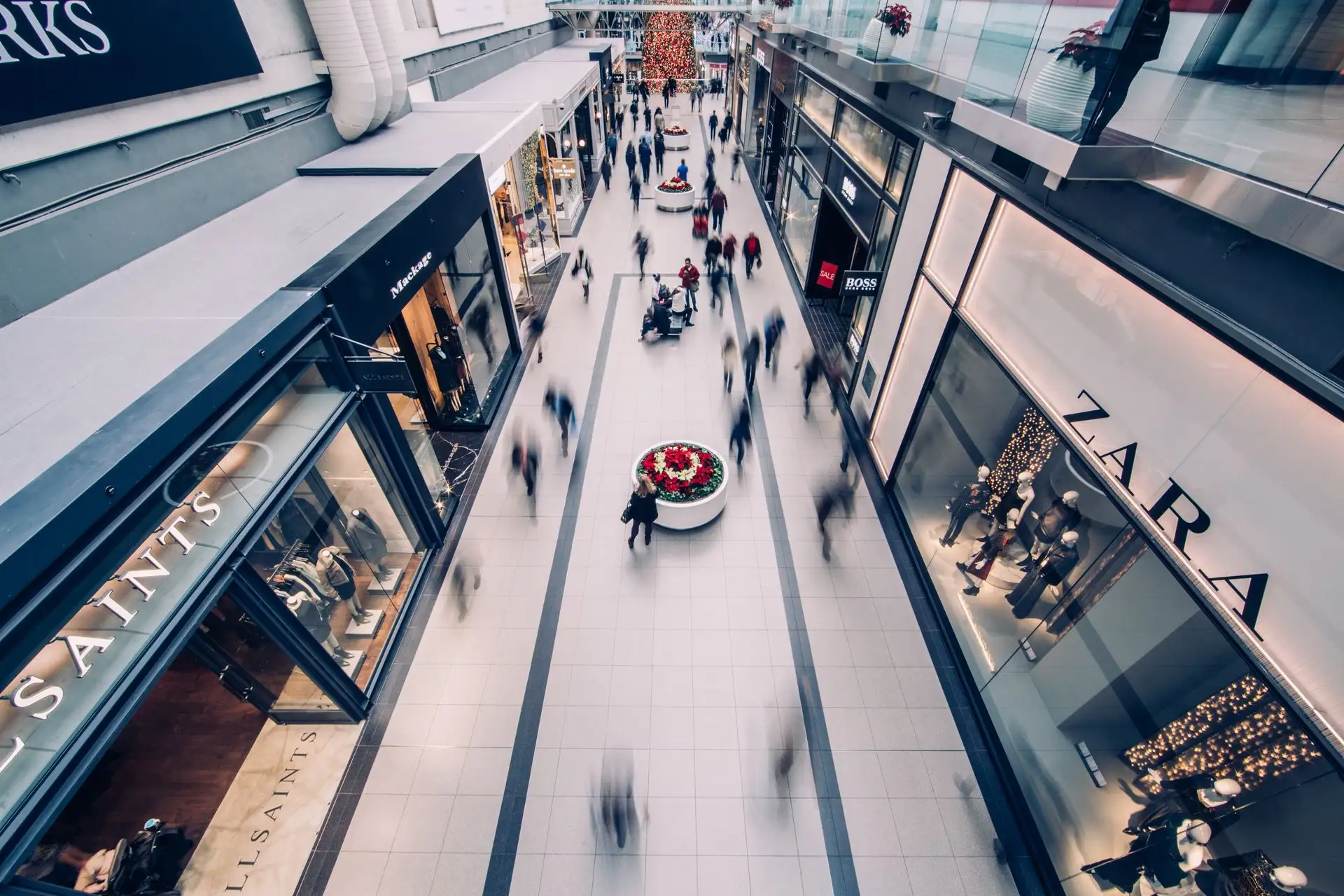
Perhaps the most interesting aspect of Black Friday is the stress and excitement experienced by shoppers and retailers alike. Both face time pressure and, in some cases, have only a short period in which to achieve the outcome they want. This competitive atmosphere can sometimes become so intense that it leads to tension, anxiety and nervous behaviour among shoppers in some stores.
Time limits and promises of greater discounts encourage some consumers to search more quickly and make hasty decisions. At the same time, not all stores enjoy the same level of trust. Some customers trust particular retailers and return to the same outlets each year for a new experience, while they may distrust other stores, even when those stores offer more attractive deals.
Black Friday illustrates the market’s power to shape human behaviour. Shoppers may believe they are making independent choices, but their decisions are influenced by advertising, time pressure, trust and the excitement of the occasion. There is an irony here: retailers are desperate to sell more and shoppers are eager to save more, yet both are competing under conditions dictated by the market. Despite the growth of online shopping, the crowds that gather in stores each year suggest that the physical shopping experience still holds considerable appeal.
The table below highlights some of the factors that influence consumer behaviour during these events.
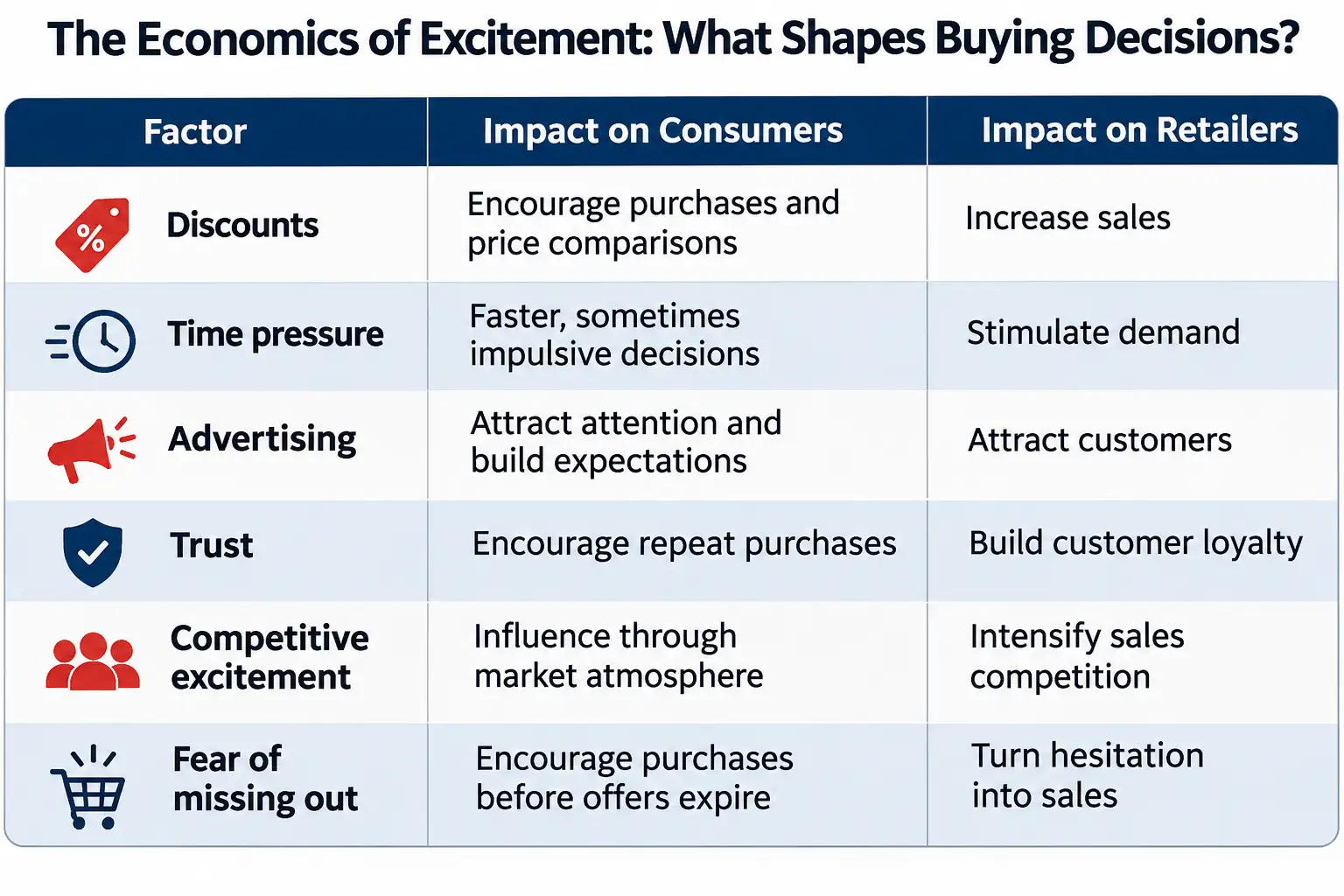
How, then, is artificial intelligence changing Black Friday? Online shopping has already transformed consumer behaviour, allowing people to compare prices and purchase goods without visiting a store. Yet for many, browsing shop windows, discovering new products and experiencing the excitement of sale days remain important social activities.
AI represents the next stage of this transformation, with consumers increasingly able to delegate product searches, price comparisons and purchasing decisions to automated tools. Shopping assistants that monitor prices across multiple retailers could reduce the influence of conventional advertising, expose misleading discounts and identify the best time to buy.
According to Adobe Analytics, American consumers spent $11.8 billion online on Black Friday in 2025, an increase of 9.1 per cent on the previous year. Across the broader November–December shopping season, traffic to retail websites from generative AI tools increased by 693.4 per cent year on year, albeit from a relatively low base.
This has significant implications for an event whose success has historically depended on persuading shoppers that exceptional savings are available for a limited time. Nevertheless, Black Friday’s popularity shows little sign of diminishing. A 2026 Boston Consulting Group (BCG) study of 10,220 consumers across 10 markets in Europe, North America and Australia found that 95 per cent were familiar with the event. Of those, 81 per cent intended to shop.
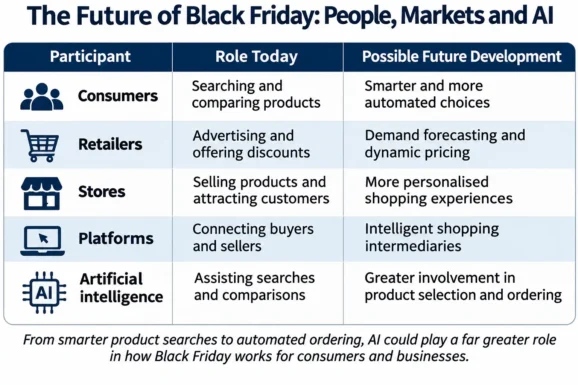
Further international expansion is likely, particularly in emerging markets where improvements in internet access, digital payments and distribution infrastructure are supporting the growth of e-commerce. AI could fundamentally alter how retailers compete for these customers, as illustrated in the table below.
Consumer confidence in Black Friday discounts remains an issue. The BCG study also found that only 54 per cent of consumers trusted advertised discounted prices. As AI makes it easier to compare prices and identify genuine savings, retailers may find it increasingly difficult to rely on promotional campaigns alone.
A 2026 DHL report, based on a survey of 29,000 online shoppers across 29 countries, meanwhile, found that 88 per cent of Black Friday shoppers had used or intended to use AI to compare prices. Although more than 80 per cent of e-commerce businesses offer discounts during the event, only around 41 per cent of online shoppers make a purchase.
Retailers will increasingly use AI themselves to forecast demand, manage stock and determine the timing and scale of discounts. Genuine savings, product quality, delivery speed and customer trust could become more important competitive advantages, alongside product durability and environmental credentials.
The expansion of international shopping events also presents operational challenges. Manufacturers, retailers and distribution companies must accommodate periods of concentrated demand, while independent businesses may feel pressured to offer discounts despite limited financial benefits. Larger competitors are generally better equipped to absorb reduced profit margins, negotiate favourable supplier terms and finance extensive advertising campaigns.
Even national economic statistics can be affected. In the UK, Black Friday fell within the December reporting period in 2024 but within November in 2025, when unadjusted retail sales volumes rose by 11.9 per cent compared with the previous month, according to the Office for National Statistics.
More than six decades after Philadelphia police officers began using the expression, Black Friday continues to demonstrate the ability of commerce to establish traditions across national and cultural boundaries. Further expansion is possible, particularly in emerging markets where internet access, digital payments and distribution infrastructure are improving.
Its long-term success, however, may depend on how retailers respond to increasingly informed and technologically empowered consumers. For the Philadelphia police officers who once dreaded the Friday after Thanksgiving, the problem was how to manage the crowds. For the international retailers who inherited their expression, the challenge in the decades ahead may be persuading consumers that there is still a reason to join them.

Babak Mehrdadnia is an Iranian researcher, documentary filmmaker, and producer, holding an M.A. in Art Research. As the CEO and founder of Ahura Film, he bridges visual storytelling with cultural semiotics. He is the author of several historical works, including Isfahan: From Roots to Tomorrow. His forthcoming 500-page book examines 7,000 years of beard and moustache history from Mesopotamia and Ancient Iran to modern cultures and religions. His peer-reviewed scholarship includes semiotic studies on masculine facial hair, identity, and social status in ancient civilizations, presented at international academic conferences.
READ MORE: Shop till Ai drop? AI agents set to buy for us as tech boss warns of retail revolution. EXCLUSIVE – tech chief predicts a future in which artificial intelligence chooses what we buy and which businesses get our money, with some companies already reporting that chatbots drive up to 30 per cent of sales conversions.
Do you have news to share or expertise to contribute? The European welcomes insights from business leaders and sector specialists. Get in touch with our editorial team to find out more.
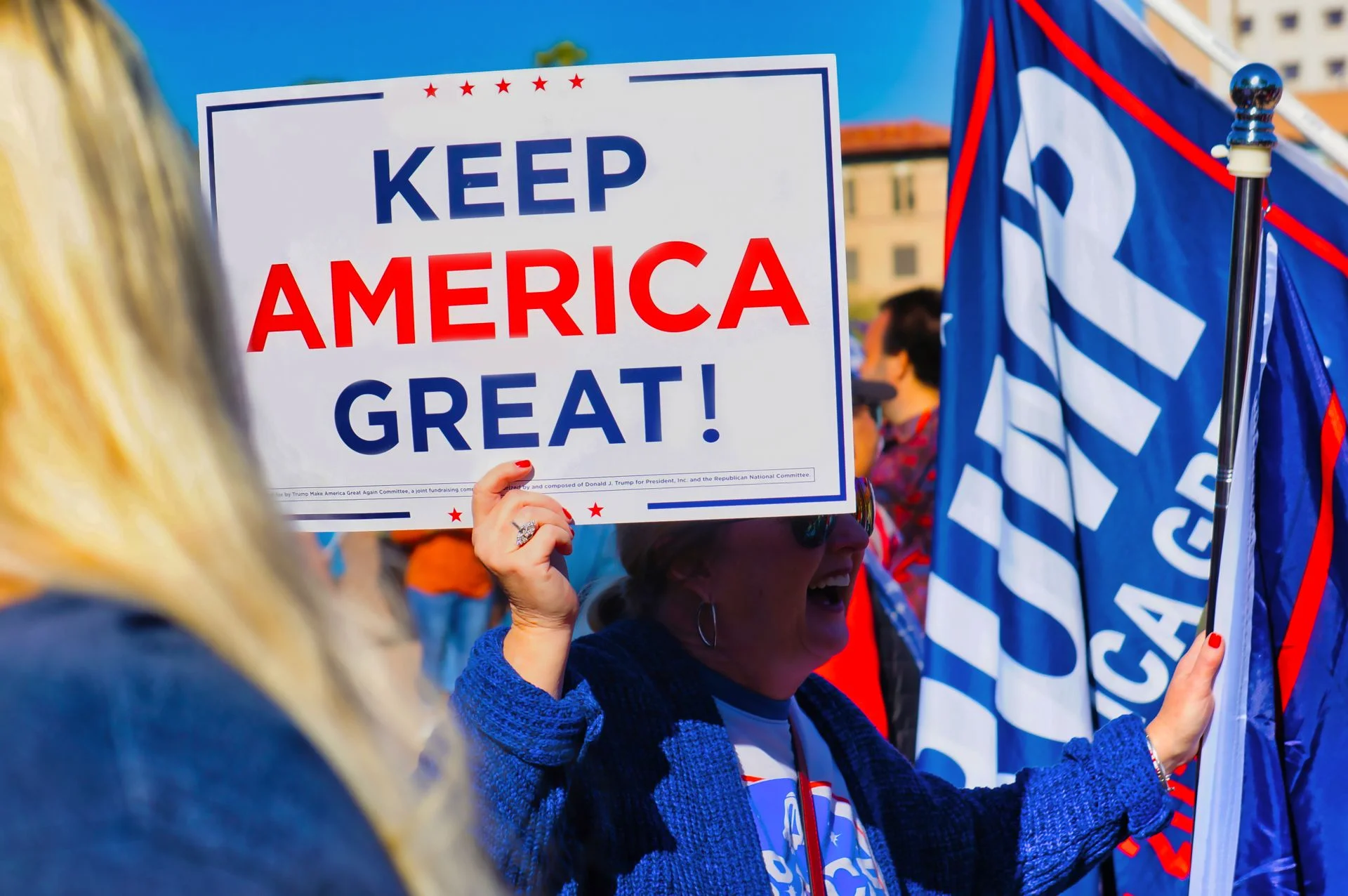
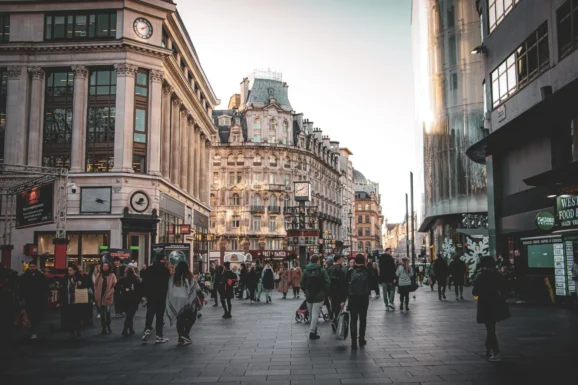
Main image: From its origins in Philadelphia, Black Friday has spread to an estimated 129 countries, becoming one of the world’s most widely observed commercial events. Credit: The European