As defence spending rises in response to global threats, the UK risks overlooking a more immediate danger: the erosion of the services that keep people safe at home. True national security must be defined as much by policing and social safeguarding as by military strength, writes Phil Cleary
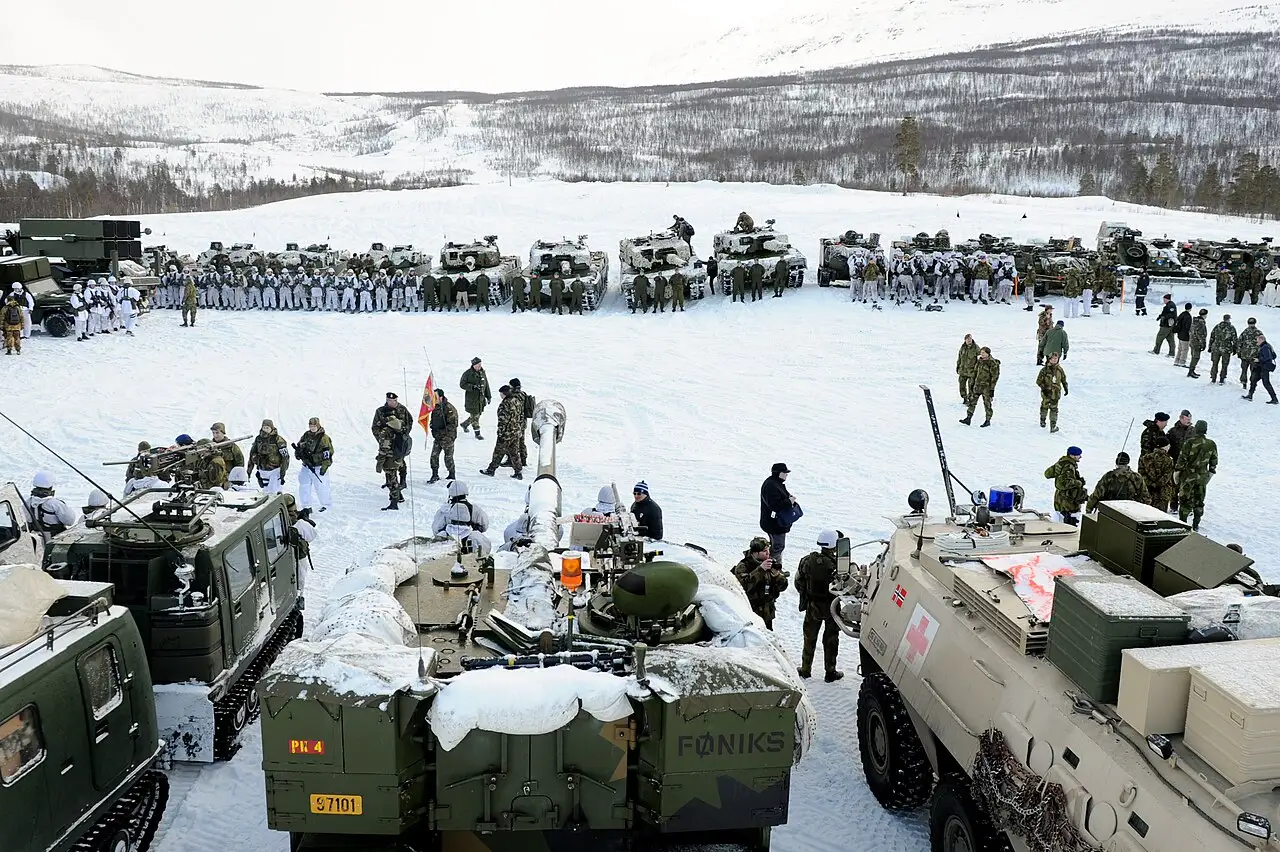
As global threats intensify, it is right that Britain strengthens its military and invests heavily in defence. In response to pressures from Russia, China and Iran, the UK is already committed to raising defence expenditure to 2.5% of GDP by 2027, with ambitions to go further still — a necessary response to a more dangerous world.
National security, however, is broader than military strength alone. The government’s first duty is the safety of its citizens — both from external and internal threats. A country is not safe if its borders are protected while its streets and communities are left exposed.
Security at home depends on effective policing, resilient mental health services, social safeguarding, and early intervention. The 2023 Nottingham attacks — in which three people were killed in attacks carried out by an assailant suffering from paranoid schizophrenia — show the cost of allowing that domestic infrastructure to weaken.
The killer, Valdo Calocane, had long been known to services, including multiple detentions under the Mental Health Act. A fragmented and overstretched system failed to manage the risk he posed. This was part of a wider pattern also seen in grooming scandals in towns such as Rotherham, Rochdale and Telford.
Last year, I argued that chronic underfunding created the conditions in which child grooming gangs were able to flourish across the UK. Yet in the wake of each new inquiry into child exploitation or preventable violence, attention returns to those at the sharp end: the social worker managing impossible caseloads, the police officer making split-second decisions, the mental health nurse stretched beyond capacity.
Their actions are scrutinised, often years later and under intense pressure. Repeated reports show that these failures are rarely the result of individual negligence. They reflect systems under strain, where rising demand meets diminishing support and prevention gives way to crisis management.
In the child grooming cases, vulnerable girls were exploited over extended periods while authorities failed to intervene effectively. Inquiries did not uncover widespread indifference among frontline staff. Instead, they pointed to high thresholds for action, weak communication between agencies and chronic underfunding, leaving professionals firefighting rather than preventing harm.
The Jay report into Rotherham, for example, highlighted the loss of youth services that might once have identified children at risk. Social workers, often newly qualified and overstretched, were left to make critical decisions without sufficient support.
The same pressures were evident in Nottingham. Calocane’s history included assaults, threats and repeated hospital admissions followed by discharge into a community system that struggled to cope. Reviews by NHS England and the Care Quality Commission described disjointed services, inconsistent information sharing and limited follow-up when patients disengaged. His family raised concerns about his deteriorating condition, but these were not consistently acted upon. For months before the attacks, he had no contact with specialist mental health services after being referred back to primary care.
The consequences extend well beyond individual cases. Police officers, often without specialist training, are increasingly drawn into managing mental health crises. Across the country, forces respond to large volumes of such incidents each year, reflecting growing pressure on health and social care services. The same dynamics were evident in grooming cases, where responsibility shifted to agencies without the resources or expertise to respond effectively.
When systems weaken, risk does not disappear but, instead, shifts elsewhere. Less experienced professionals take on greater responsibility, often without adequate supervision. Thresholds for intervention rise. In child protection, caseloads frequently exceed recommended levels. In mental health services, referrals have risen sharply while resources have struggled to keep pace. Early intervention becomes harder to sustain.
These pressures have built over time. Since 2010, local government funding has declined significantly in real terms, with the largest reductions in more deprived areas. Police numbers fell substantially during the same period, while the range of demands placed on officers has expanded. Mental health services have seen rising demand, long waiting times and increasing reliance on temporary staff, despite headline increases in funding.
The connection between grooming scandals and the Nottingham killings reflects the same underlying problem: sustained pressure on essential services and a reluctance to confront its consequences. Responsibility too often settles on frontline workers, while the causes remain insufficiently addressed.
Safeguarding children from exploitation, ensuring people with severe mental illness receive consistent care and preventing violence in communities are central responsibilities of the state. These are not secondary concerns, and while political debate has increasingly focused on external threats and defence spending, protecting the public also requires sustained investment in the systems that operate within our borders.
Addressing these challenges will require difficult decisions. It means reassessing how resources are allocated, prioritising prevention and ensuring that funding is directed to the services that most directly protect citizens.
These are necessary changes if national security is to be taken seriously. Without them, costs will continue to fall elsewhere — on emergency services, the criminal justice system and repeated inquiries into preventable failures — and, ultimately, in avoidable loss of life.

Phil Cleary is one of the UK’s leading technology entrepreneurs and a former covert operations specialist in British policing. He is the co-founder and former CEO of The SmartWater Group (now DeterTech), the world’s foremost forensic marking company, whose technologies are used by millions across more than 20 countries. A Fellow of the Royal Society of Arts and a recognised expert in security and modern warfare, Phil also holds a Master’s in Military History. His debut political thriller, Elixir, has received critical acclaim for reimagining humanity’s quest for immortality as a global threat greater than AI.
READ MORE: ‘Inside the child grooming scandal: one officer’s story of a system that couldn’t cope‘. When an anonymous police officer wrote to Phil Cleary describing a child protection case that went tragically wrong, it raised a question still unanswered: what could have been done differently? Cleary, a former policeman himself, asks whether austerity and political neglect, rather than race or culture, lie at the root of Britain’s grooming scandal.
Do you have news to share or expertise to contribute? The European welcomes insights from business leaders and sector specialists. Get in touch with our editorial team to find out more.
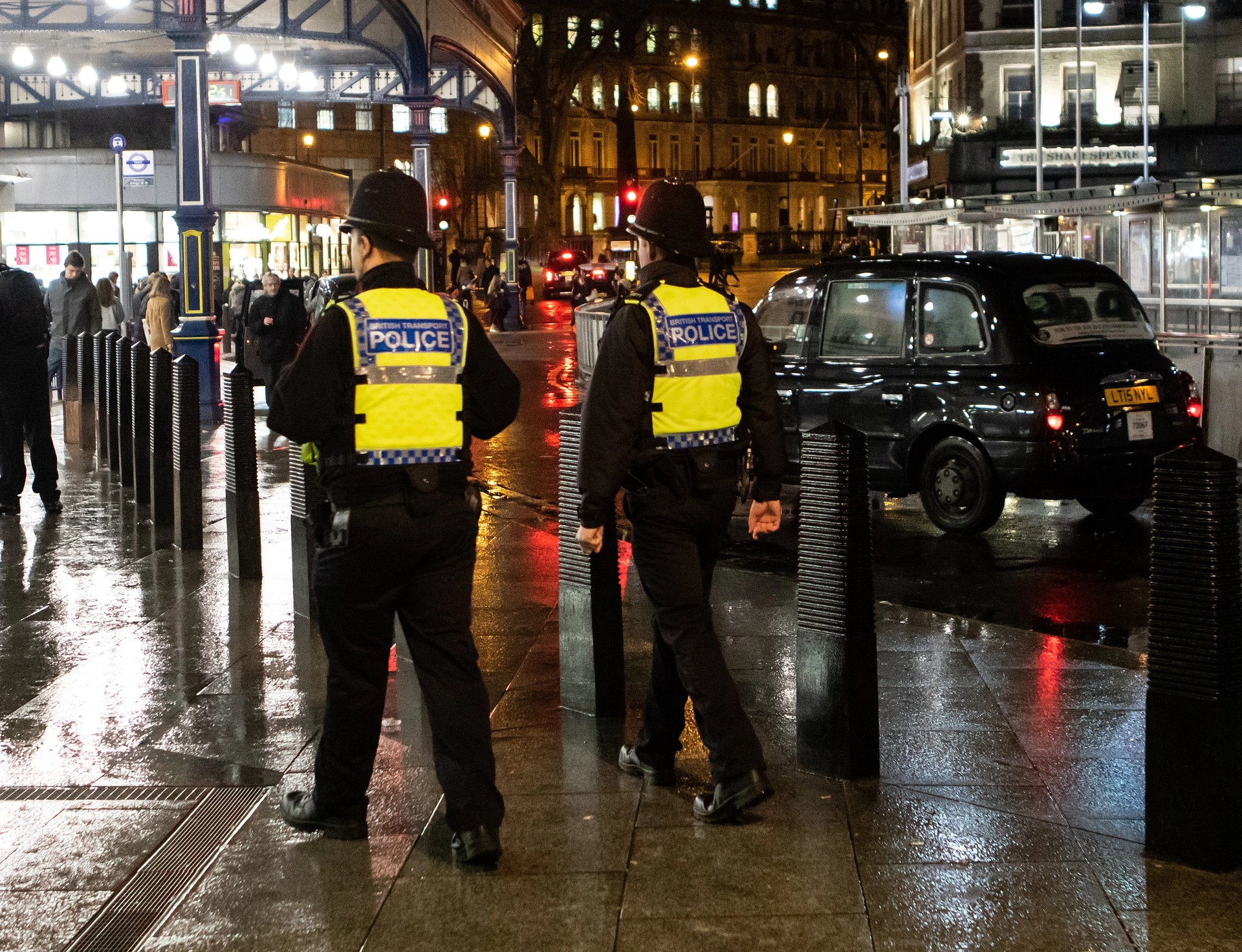
Main Image: TheOtherKev/Pixabay