Kostas Sfaltos, the veteran hotelier now leading London’s The Berkeley and The Emory, believes the most effective leadership decisions often come down to a deceptively simple test. In this exclusive interview with Dr Stephen Simpson, he explains how a lesson from an Olympic rower shaped his winning approach to strategy, culture and performance
More than 20 years ago, veteran hotelier Kostas Sfaltos heard a piece of advice that would shape the way he made decisions for the rest of his career.
But Sfaltos, who leads The Berkeley and The Emory in London’s Belgravia — two flagship properties operated by British ultra-luxury hotel group Maybourne, which also owns Claridge’s and The Connaught — didn’t receive that guidance from a management guru or business strategist.
Instead, the key insight that has stayed with him came from a British Olympic rower he met at a leadership conference. Speaking about the marginal gains that define elite sport, the rower explained that every change to equipment and technique was judged against just one question: “Will it make the boat go faster?”
If the answer was no, the idea was discarded.
That principle, Sfaltos says, has guided many of his decisions since.
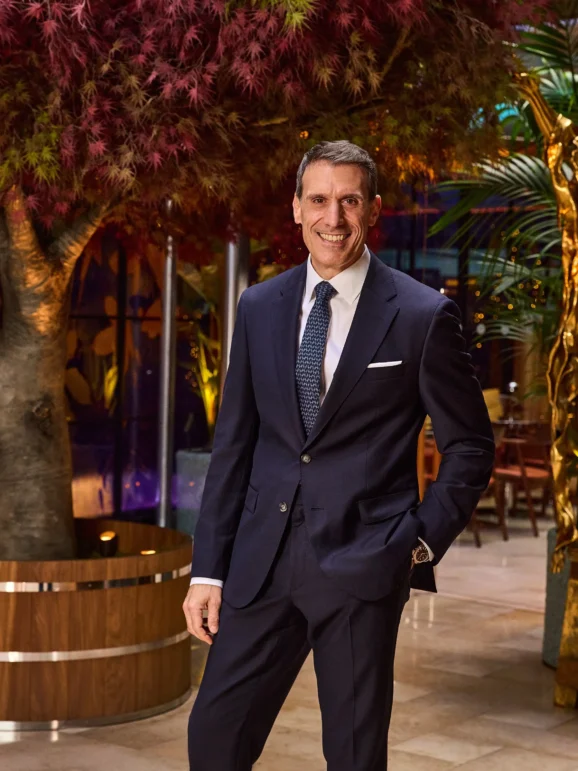
Sfaltos, who has spent more than three decades in luxury hospitality and previously served as managing director of the Bvlgari Hotel London in Knightsbridge, describes it as a simple filter for deciding which ideas deserve attention.
“The London hotel scene is highly competitive,” he says.
“So whenever someone brings an idea forward, the first question I ask is whether it will genuinely make us a better hotel.
“That’s the first filter. If the person presenting the idea can explain why it would make us a better hotel, then I’m always very open to exploring it.”
The principle is not about dramatic reinvention or sweeping strategic change. Often, progress is built through small, incremental improvements.
“Innovation isn’t always about reinventing the business,” says Sfaltos. “Sometimes it’s the one-percent improvements that move you forward.”
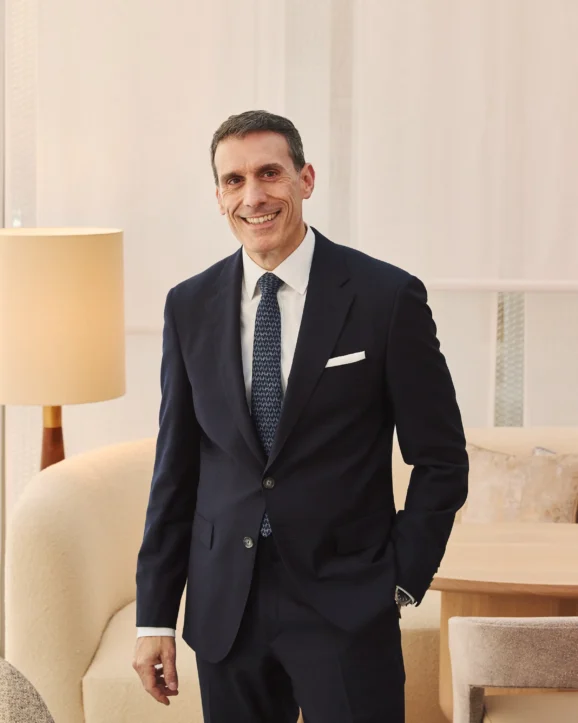
Those improvements rarely emerge from a single source. In an industry like the hotel sector, which is shaped by hundreds of daily interactions with guests, valuable insights often come from the people closest to the operation.
“There are so many things my team see that I cannot see,” he says.
“There are so many things they experience that I don’t experience.”
Encouraging those observations to surface is therefore essential. Leaders who dismiss ideas too quickly risk shutting down the very conversations that help organisations improve.
“It’s horrible when people are shut down,” Sfaltos says. “Once that happens, they won’t come back with another idea.”
Creating the right environment, he believes, is therefore as important as evaluating the ideas themselves.
“We’re all adults in the organisation. Ninety per cent of our purpose is the same — to represent the hotel in the best possible way. Only ten per cent is our technical expertise.”
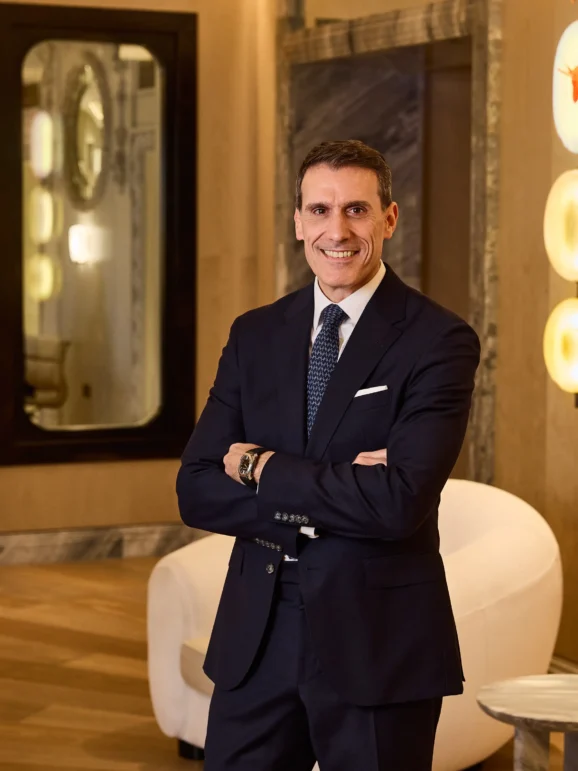
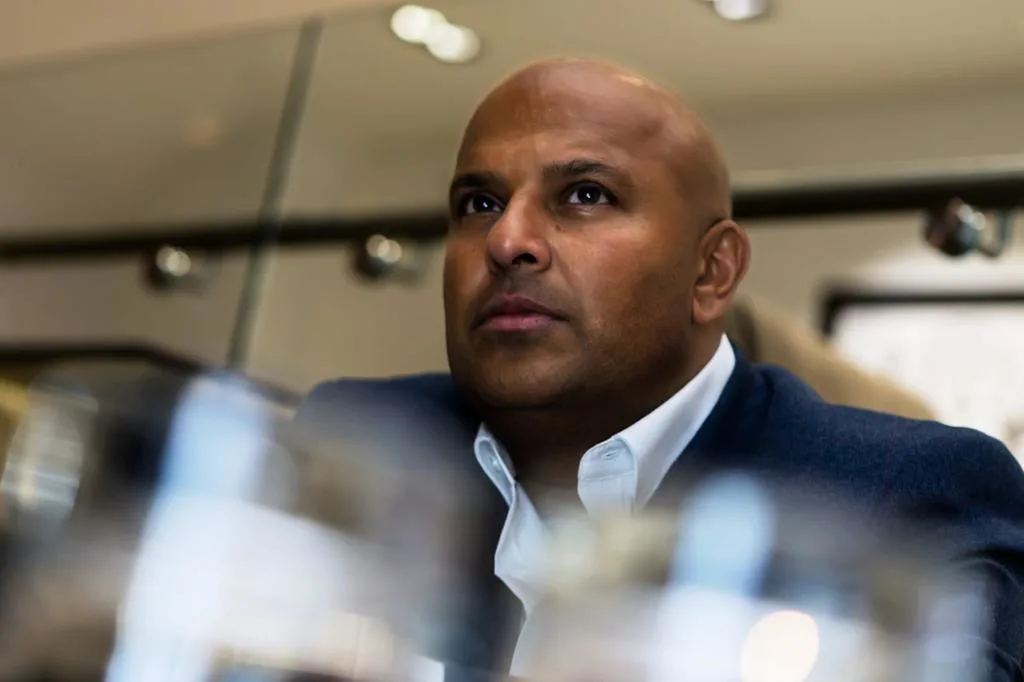
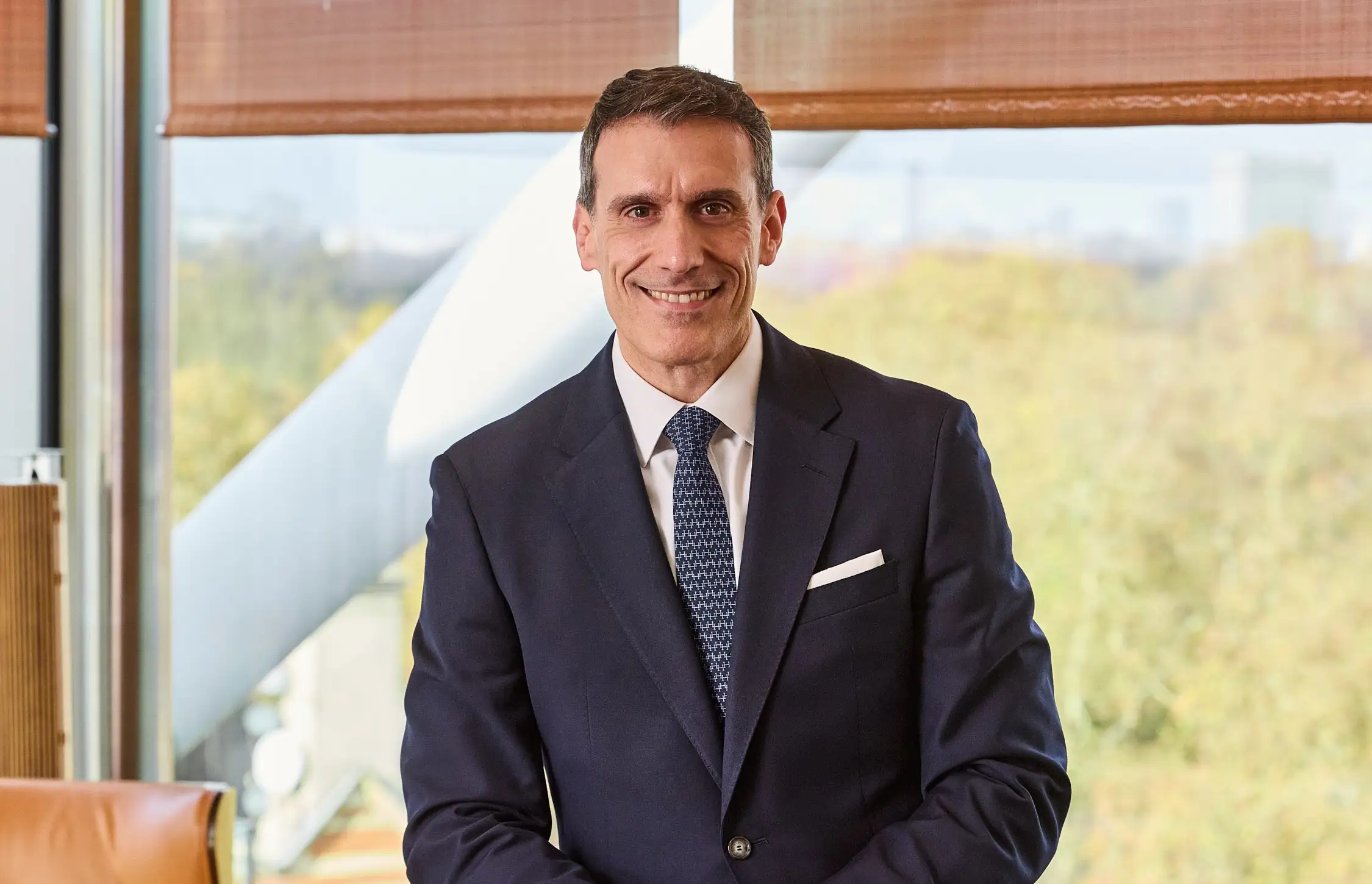
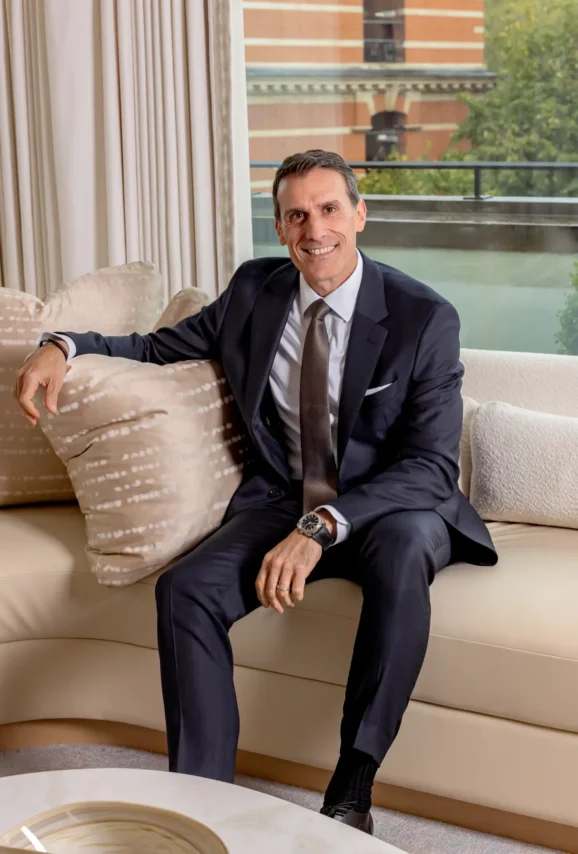
market, Sfaltos believes the best ideas often come from the teams closest to
guests. Credit: Berkeley Portraits
His thinking about leadership was also shaped by an early lesson in management — one that arrived in uncomfortable circumstances.
Fresh from university and military service in his native Greece, Sfaltos had just begun his first management role in London when he was asked to oversee a major hotel event. Confident in his team and keen to empower them, he assumed everything had been prepared.
On the day of the event, however, problems began to surface.
“I hadn’t inspected properly,” he admits. “I hadn’t checked the detail.”
The event was eventually recovered, but the experience left a lasting impression. It reinforced a piece of advice his manager had offered beforehand but which he had initially dismissed: “You can never expect what you don’t inspect.”
At the time, Sfaltos had interpreted the remark as unnecessarily cautious. After the event, however, he realised the point was about leadership responsibility rather than mistrust.
“You can trust people completely,” he continues, “but you still need to stay close enough to understand what’s happening.”
Today, Sfaltos approaches that idea less as strict oversight and more as preparation. Before major events or operational changes, he encourages teams to walk through scenarios together, anticipating potential challenges before they occur.
The process resembles a form of mental rehearsal.
“You visualise the experience,” he says. “You imagine the moment a guest arrives, what else might be happening at the same time, what could go wrong, and how you would respond.”
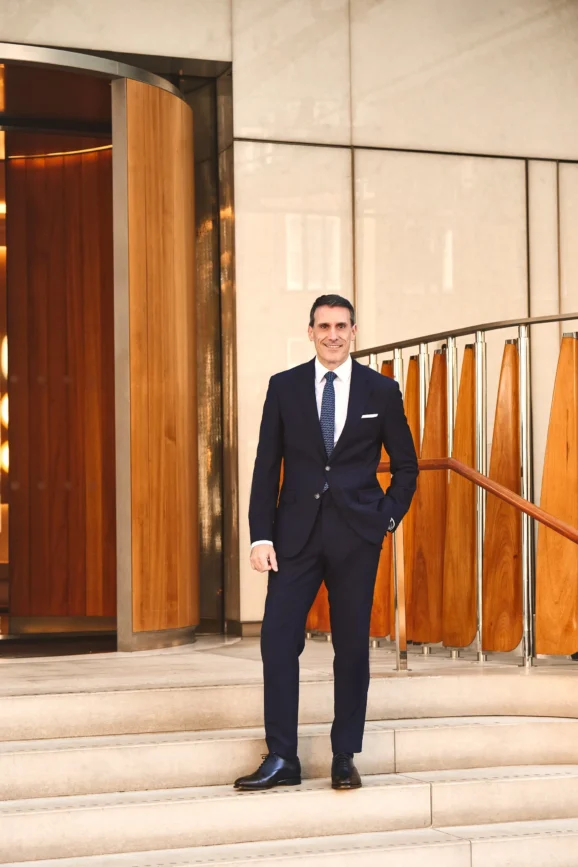
By the time the real event takes place, the team has already thought through the critical decisions.
That preparation allows people to focus on delivering the experience itself rather than scrambling to solve problems in the moment.
Leadership, however, is not only about systems and planning. For Sfaltos, much of it comes down to relationships.
“The greatest strength I have as a leader is my ability to connect with people,” he says.
That connection shapes the tone of an organisation. When employees feel recognised and respected, engagement follows naturally.
“Energy and engagement in a workplace create results. That’s when businesses perform.”
The idea echoes one of his favourite observations from Peter Drucker, often credited as the inventor of modern management:
“Culture eats strategy for breakfast.”
“You might have the best strategy in the world,” Sfaltos says. “But if the culture isn’t right — if people don’t care or don’t collaborate — the strategy will never come to life.”
Maintaining perspective is equally important. Honest feedback, he says, often comes from those closest to him — particularly his wife, who has occasionally reminded him to keep his feet firmly on the ground.
“She once said to me, ‘I don’t like this, Kostas — just be yourself again,’” he recalls.
His father offered similar advice throughout his life: remember where you started, stay humble and stay grateful.
Those reminders have shaped his belief that leadership is less about position than about continual development.
“I don’t think growth ever stops,” Sfaltos says. “There’s always more to learn.”
Which brings him back to the lesson that has stayed with him for more than two decades.
In sport, business and leadership alike, the most effective ideas often share one characteristic: they make a real difference.
And sometimes the best way to judge that difference is with a single question.
Will it make the boat go faster?
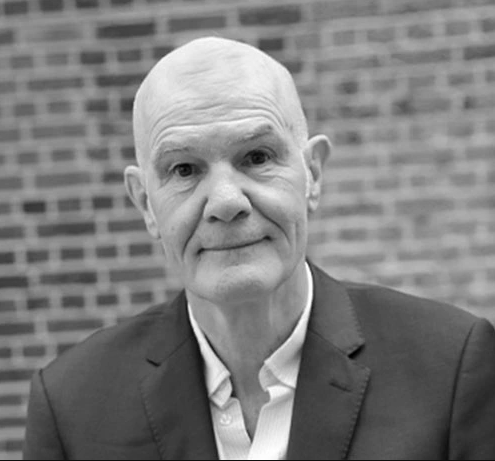
Dr. Stephen Simpson is an internationally acclaimed mind coach, TV and radio presenter, hypnotherapist, TEDx speaker, bestselling author, business consultant, and Fellow of the Royal Society of Medicine. With nearly 40 years as a practicing physician and extensive experience in elite performance coaching, mental health, hypnosis, and NLP, he has worked with top athletes on the PGA European Golf and World Poker Tours.
Dr. Simpson holds an MBA from Brunel University and has served as Regional Medical Director for Chevron, contributing to global health initiatives with leaders like Bill Clinton and Bill Gates. He hosts popular shows such as Zen and the Art of NLP, and his YouTube channel boasts over 260 videos and 350,000 views. His latest book, The Psychoic Revolution, encapsulates his innovative methods for achieving peak performance.
READ MORE: ‘Small Prophets becomes BBC’s biggest new scripted launch of 2026 so far‘. Mackenzie Crook’s Small Prophets has drawn 7.7 million viewers for its opening episode over 28 days, giving the BBC its biggest new scripted launch of the year to date and its strongest comedy start on BBC Two in a decade.
Do you have news to share or expertise to contribute? The European welcomes insights from business leaders and sector specialists. Get in touch with our editorial team to find out more.
Main image: Kostas Sfaltos Credit: Berkeley Portraits