As Washington turns its focus towards China and pushes Europe to shoulder more of the defence burden, the Alliance is boosting its military muscle while grappling with rising political strain across the Atlantic, writes Tomás Nagy
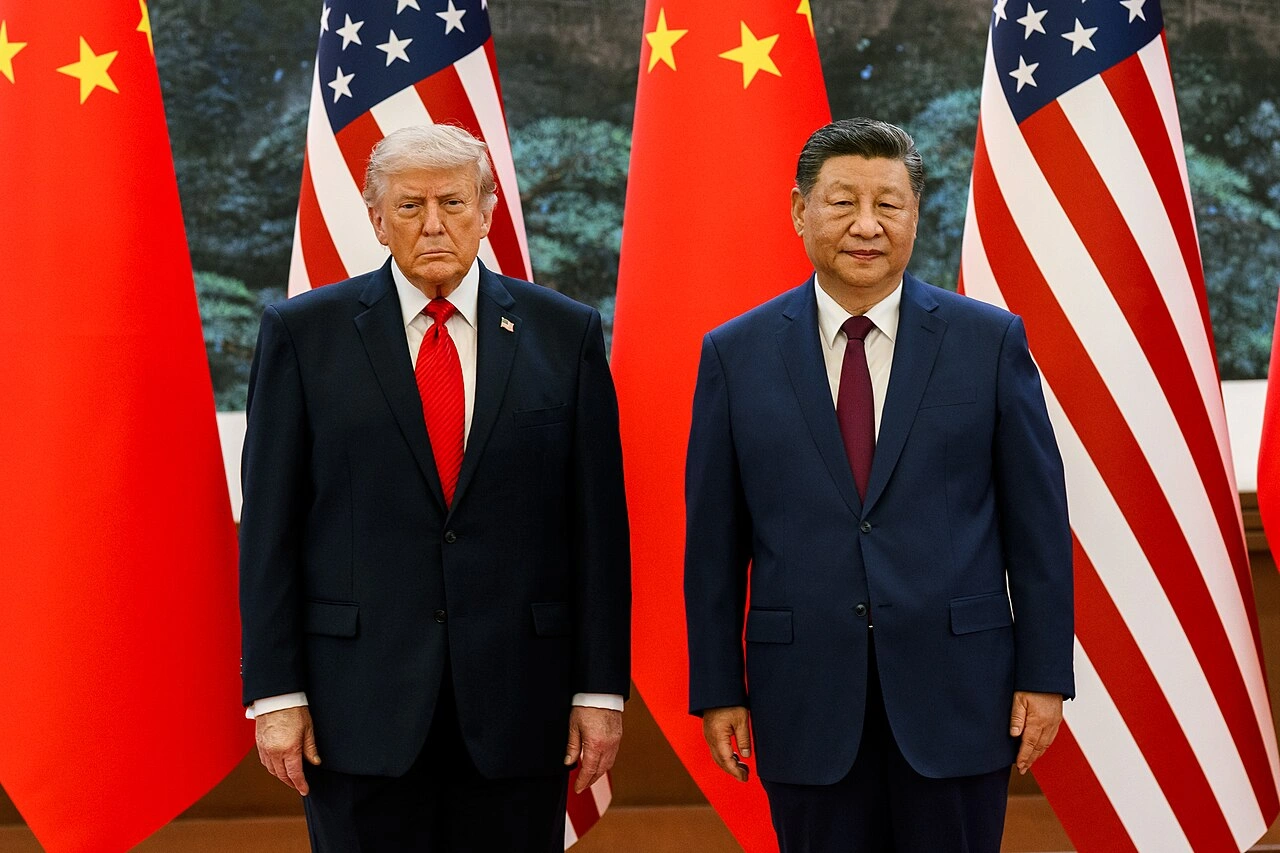
NATO is going through one of the most significant internal shifts in its history. Unlike previous changes, such as post–Cold War enlargement, the shift after 9/11, or the refocus on territorial defence after Russia’s aggression in 2014, this current change isn’t mainly caused by a new external shock. Russia’s war against Ukraine, China’s rise, and the gradual shift in global economic power are all important factors, but the primary driver of change is the United States’ re-evaluation of its long-term strategic priorities and limits.
The U.S. faces a well-known challenge: maintaining military dominance simultaneously in Europe, the Indo-Pacific, and other areas is becoming more expensive, politically disputed, and operationally complex. Clearly, Europe is no longer the top priority in American grand strategy, and this fact has significant implications for the Alliance.
Calls for greater European responsibility have been increasing for over a decade. They did not start with the current administration and likely won’t end with it. What has changed is the strategic context for these calls.
Competition with China has become the main long-term focus of U.S. foreign and defence policy. In this context, it makes sense for Washington to expect Europe to take on primary responsibility for conventional deterrence on its own continent while the U.S. shifts its focus towards high-end capabilities, the balance of power in the Indo-Pacific, and strategic priorities in the Western Hemisphere.
Similar trends can be seen in U.S. alliance management in East Asia, where partners are also urged to strengthen their capabilities and take on primary responsibility for their defence. This is not a punitive retreat but rather a strategic shift in priorities. The key question for Europe is not whether the U.S. is leaving NATO but how predictable and lasting American involvement will be amid global pressures and domestic political changes.
Given this situation, NATO is currently moving along two parallel paths.
Politically, transatlantic unity is visibly strained. Differences in language and focus regarding international law, global standards, burden-sharing, and the long-term approach to Ukraine have grown. European governments are increasingly planning for scenarios that involve significant cuts to the U.S. conventional military presence on the continent, whether these cuts are permanent or rotational. American policymakers are, in turn, questioning whether Europe is ready to take real operational leadership instead of merely sharing burdens.
None of these tensions necessarily lead to a breakup of the alliance. However, deterrent credibility relies on both clear political intent and the existence of formal commitments. Political uncertainty, even if exaggerated, can create doubt in adversaries’ calculations and invite various forms of probing actions against us.
At the same time, NATO’s military adjustment is real and measurable. The Alliance has adopted the most detailed and operationally demanding regional defence plans in decades, moving from statements of intent to specific force allocations and reinforcement plans.
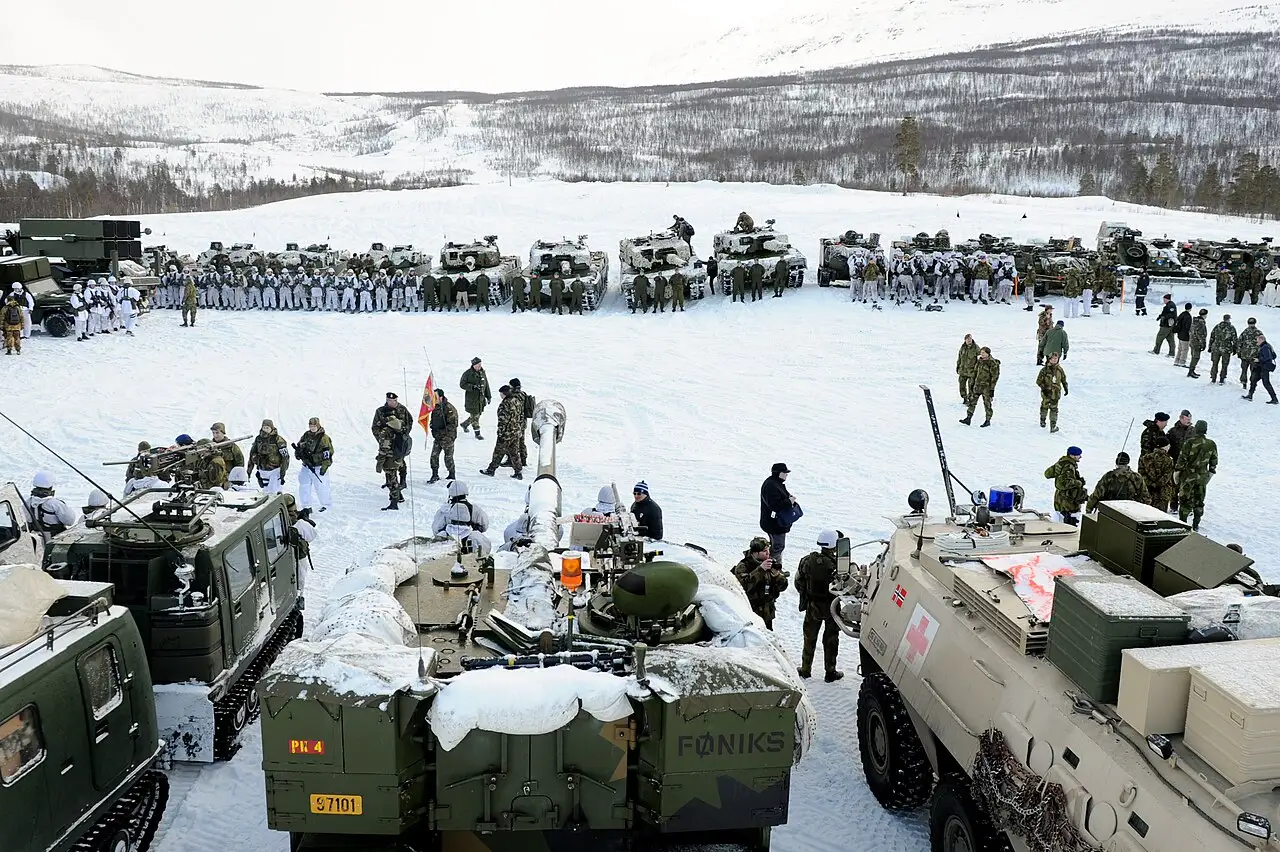
Capability targets under the NATO Defence Planning Process have expanded significantly, alongside increased defence spending throughout much of Europe. Procurement efforts are increasing, the forward defence posture in the Baltic region has improved, and activity in the High North has intensified. The command structure is being restructured to allow for greater European operational responsibility, indicating a deliberate shift in roles within the Alliance. The U.S. nuclear umbrella is still an integral part of NATO’s planning framework.
Together, these changes do not indicate decline but represent a significant effort to align force structure with today’s threat assessments. The pace and efficiency of this adaptation can be debated, but the direction is clearly positive. The challenge lies in how these two paths interact. Alliances are first and foremost political entities, before they are military ones. Growth in capabilities and political unity are complementary, not interchangeable. Deterrence relies ultimately on the adversary’s confidence that political decisions will translate into coordinated military action during crises. If that confidence diminishes, even well-funded and well-organised forces may fail to have the stabilising effect intended.
The emerging U.S. model — where it remains NATO’s strategic supporter while expecting Europe to bear most of the conventional deterrence responsibilities — is logically consistent from an American perspective. Whether this model can sustain itself politically in a setting of differing values and fluctuating trust is much less certain.
For European policymakers, two main points stand out. First, strengthening the European pillar is essential regardless of electoral cycles in Washington. Europe needs to build the capacity to manage high-intensity operations on its borders with limited U.S. support, not as a move towards independence, but as a safeguard against unpredictability. Second, capability development cannot replace political unity. If transatlantic views keep diverging, especially concerning the purpose, limits, and norms of collective defence, NATO risks becoming more capable in material terms but remaining strategically unstable.
NATO has faced serious crises and adapted successfully. While NATO today is militarily more prepared than it was a decade ago, it is also functioning amid greater political uncertainty. In the current security environment, this combination poses natural risks. The long-term success of the Alliance will depend not just on defence budgets, readiness levels, interoperability goals, and force posture adjustments, but also on whether military changes are matched by renewed political unity across the Atlantic.
Until that unity is evident, NATO will be more capable but less certain in fulfilling its main role of credible deterrence.

Tomás Nagy is Senior Research Fellow for Nuclear, Space and Missile Defence at GLOBSEC and a former Slovak representative to NATO’s Nuclear Planning Group.
READ MORE: ‘Why Europe still needs America‘. As Washington and Beijing intensify their parallel courtships of European capitals, Ravi Balgobin Maharaj argues that beneath the flurry of trade deals and diplomatic visits lies a harder truth about power, security and trust, and why, despite the allure of Chinese investment and the turbulence of American politics, Europe’s long-term stability still rests on the transatlantic alliance.
Do you have news to share or expertise to contribute? The European welcomes insights from business leaders and sector specialists. Get in touch with our editorial team to find out more.
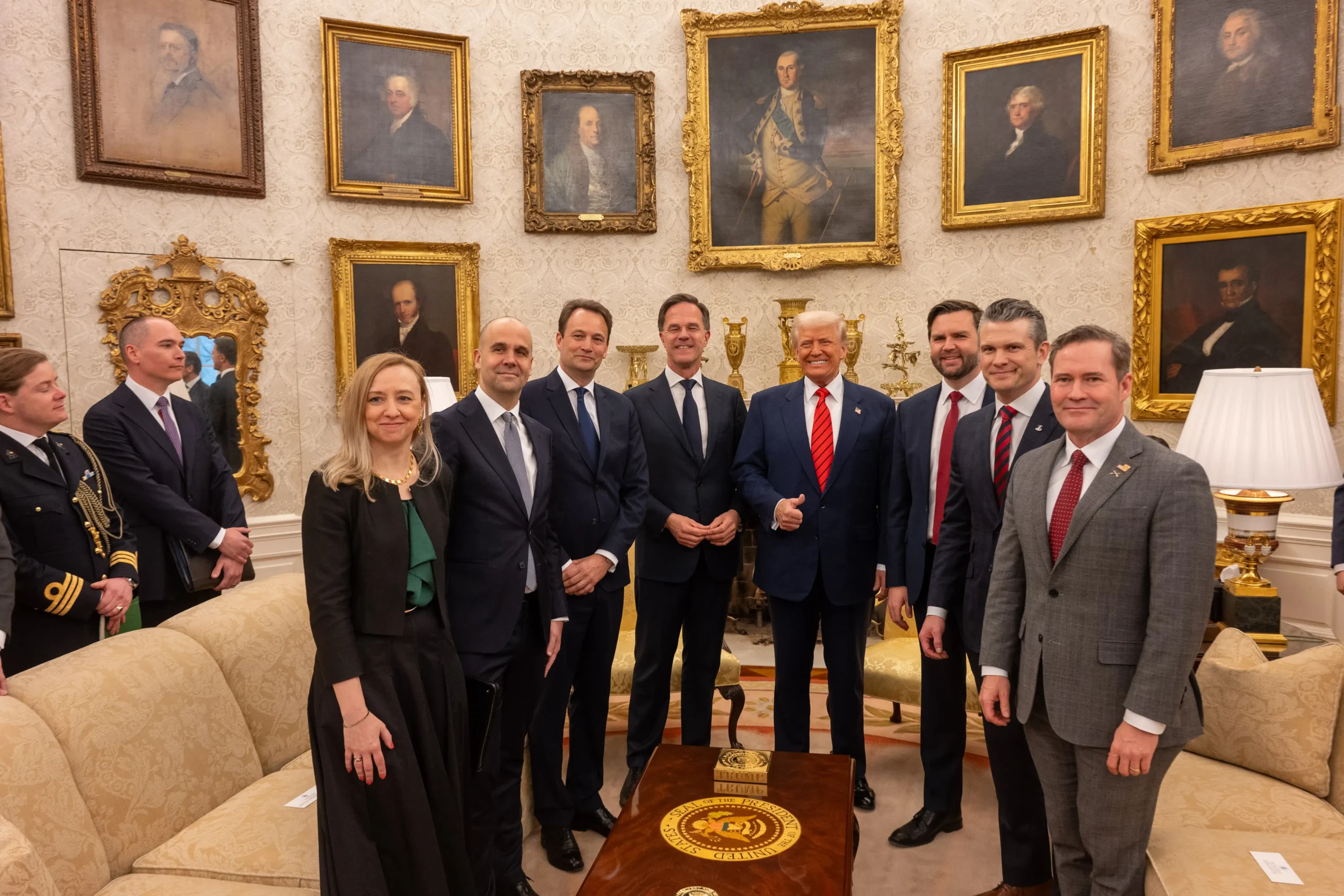
Main image: NATO Secretary General Mark Rutte with the President of the United States of America, Donald J. Trump at the White House. Credit: NATO