As Germany’s celebrated energy transition confronts hard questions about cost, resilience and emissions, Clean Energy & the Energy Transition Correspondent Zion Lights draws on her own journey from climate activism to nuclear advocacy to examine what the Energiewende reveals about how Europe should power a low-carbon future
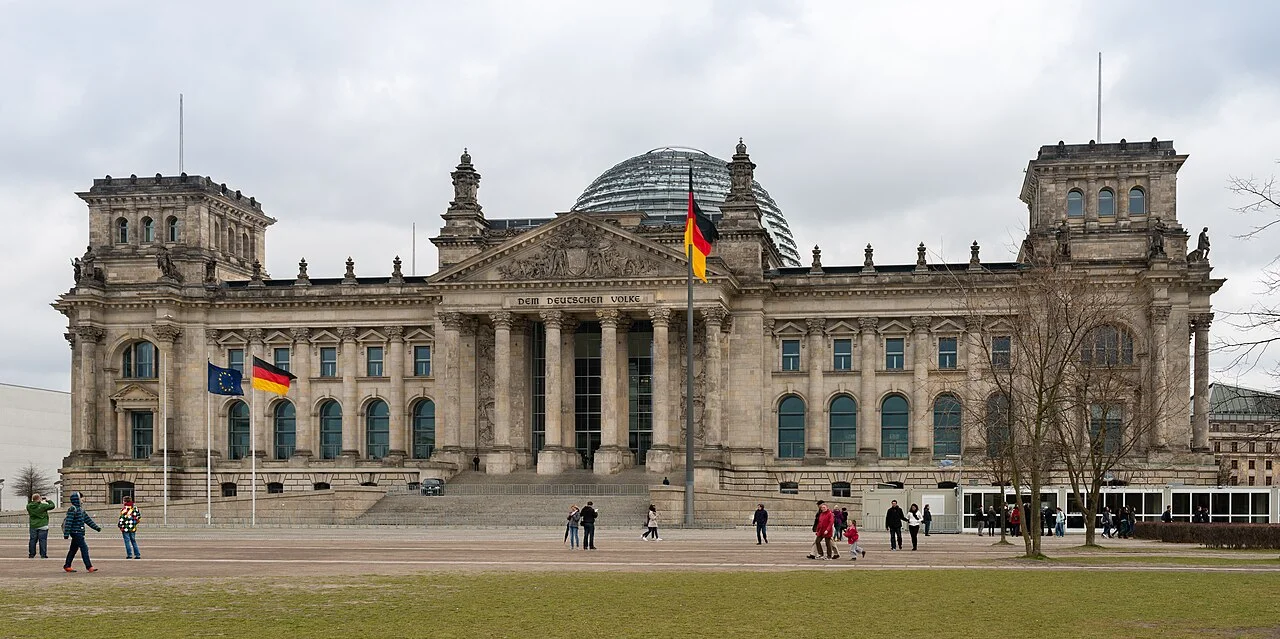
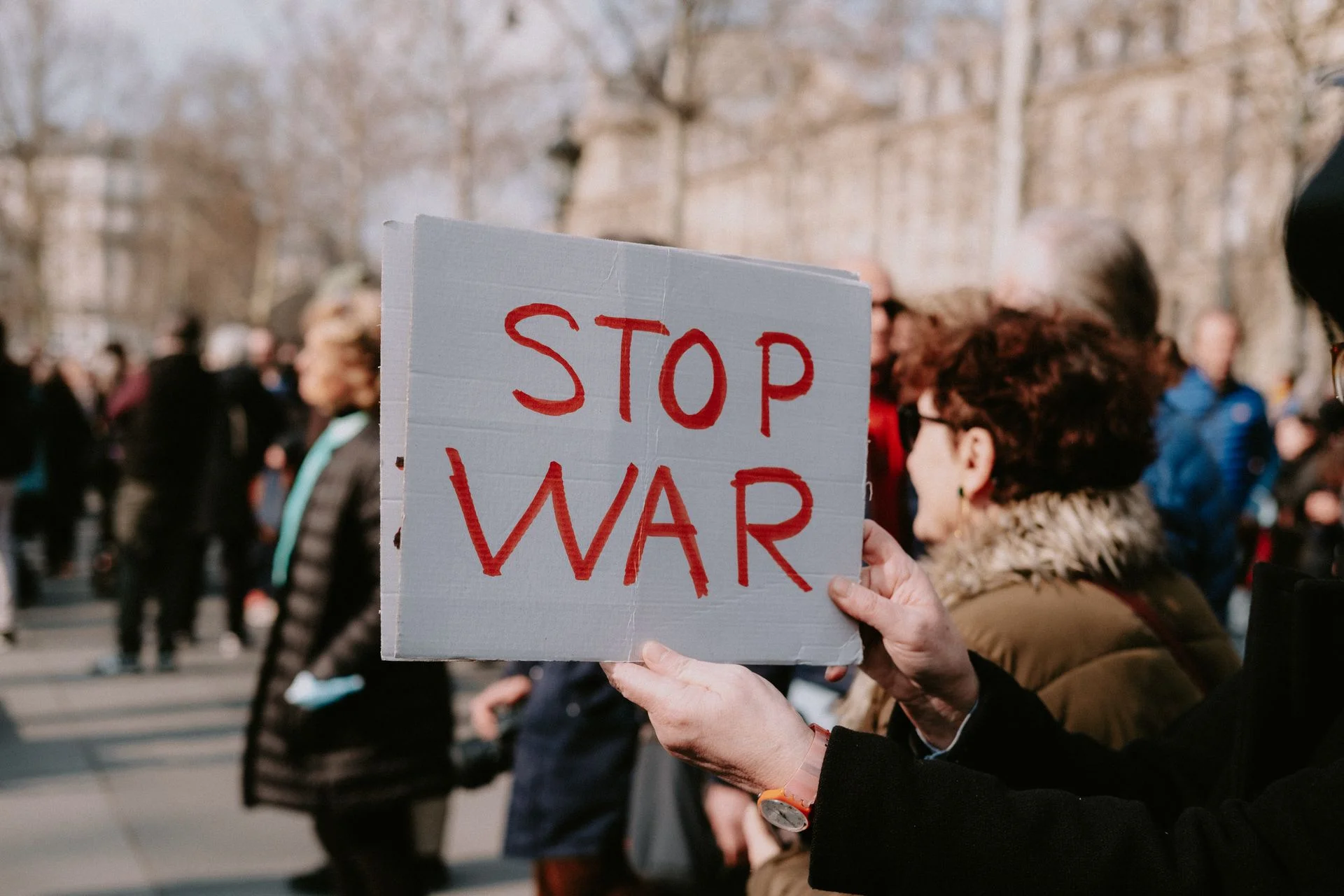
I was in Berlin on the day Germany shut down its last nuclear power plant. Across Brandenburg Square, activists from Greenpeace Germany celebrated with a theatrical display: a large dinosaur crushed beneath the foot of a human figure with a head in the shape of a sun, a blunt allegory of nuclear energy being vanquished by solar power.
There was a time when I agreed with their perspective and Germany’s approach, believing that renewables alone could save the day. For more than a decade, Germany presented the Energiewende – meaning “energy transition” – as an achievable model of moral modernity. By rejecting nuclear energy and embracing only renewables, the country cast itself as the ethical vanguard of decarbonisation: prosperous, peaceful, and post-atomic. Unfortunately, that’s not how reality has played out.
A paper by published in the International Journal of Sustainable Energy put the cost of Energiewende at almost €700 billion, while finding that “if the country had kept its existing nuclear plants operational and invested in new reactors, the estimated cost would have been only €36 billion, significantly less than the Energiewende policy.” A 2024 report calculated that had nuclear power plants not been phased out globally, “Last year, global energy-related emissions would have been 6 per cent lower, saving 2.1 Gt of CO2. This would be the same as taking about 460 million cars from the road for a year or removing the combined total 2023 emissions of Canada, South Korea, Australia and Mexico.”
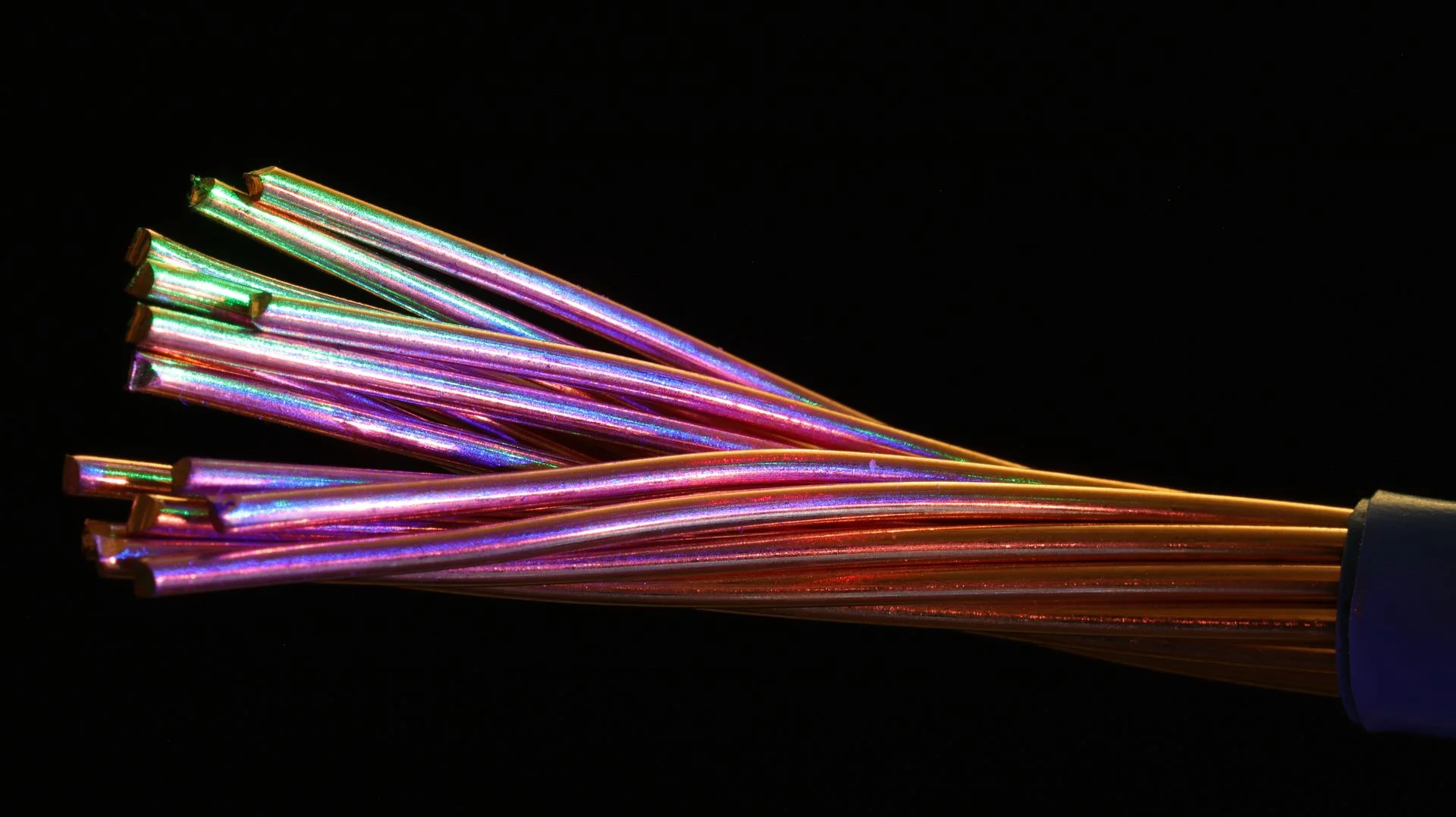
In addition to this, earlier this month, Berlin suffered its most serious power outage in decades after a deliberate arson attack on a cable bridge supplying the Lichterfelde power station. High-voltage cables were reportedly destroyed, cutting electricity and heating to around 45,000 homes and more than 2,000 businesses for several days during sub-zero temperatures. Mobile networks, transport and other services were also disrupted. Responsibility was claimed by a group calling itself Vulkangruppe, which described the attack as an act of resistance against fossil fuel infrastructure and modern digital systems.
The incident was disturbing, not only for its immediate impact on residents, but because it reveals a wide gap between the comforts of modern civilisation and understanding the physical foundations that support it. Energy is life: we need it to flourish, and without it we deny people health, opportunity, and dignity. As Germany has found, without abundant, reliable energy, decarbonisation and climate goals also fail.
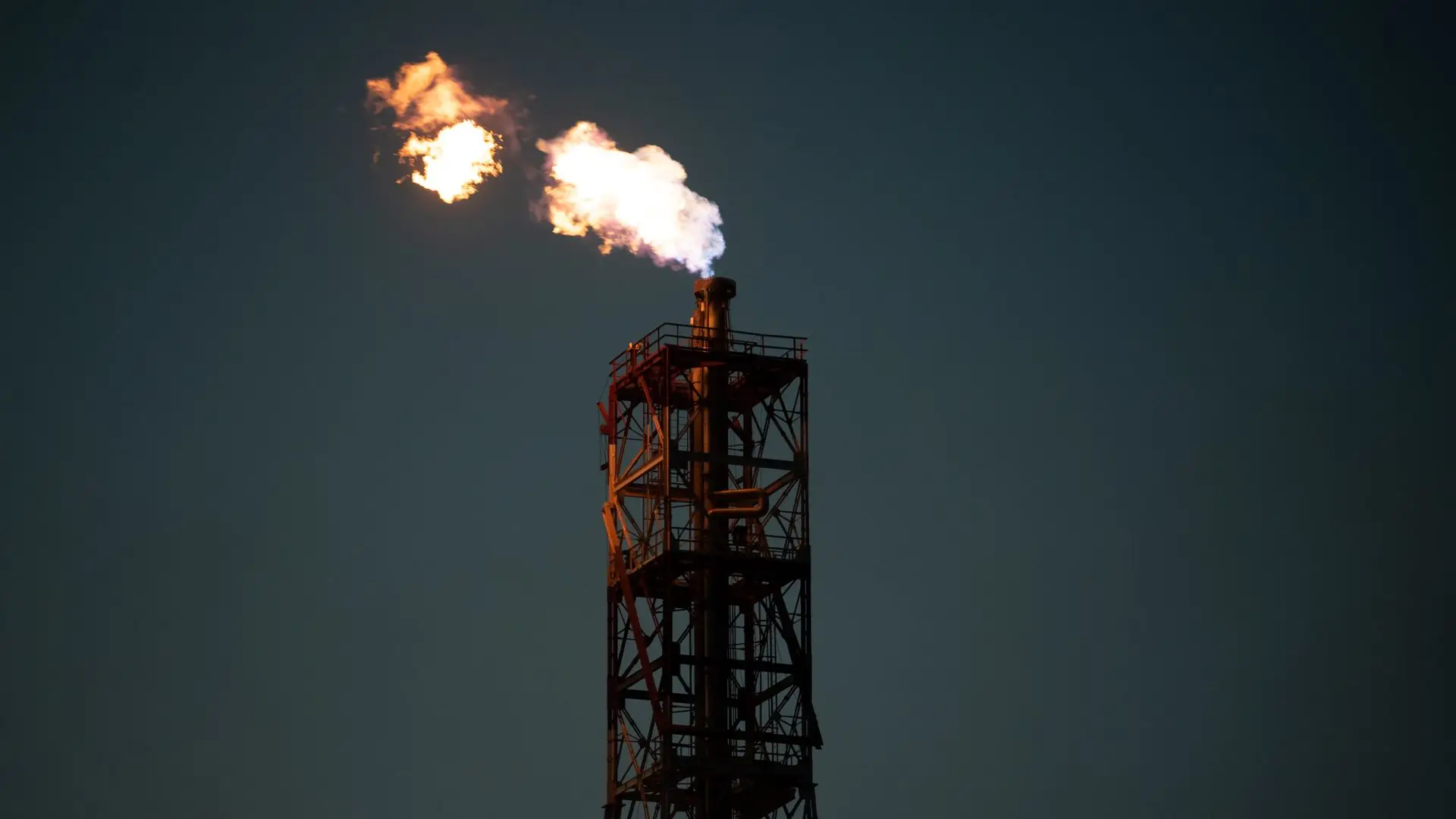
There’s no doubt that Germany was ambitious to attempt to shut down coal and nuclear plants at the same time in favour of building only wind and solar farms. No large industrialised nation has managed to decarbonise without substantial nuclear or hydropower to support wind and solar, so Germany was relying on a model that had little real-world precedent. Its decision to phase out nuclear energy did not eliminate emissions or risk but redistributed them. Intermittent renewable generation expanded rapidly, but variability meant it had to be backed by dispatchable power, and fossil fuels filled the energy gap. The result was a system more exposed to weather, cross-border politics and gas markets, precisely at the moment when Europe’s geopolitical environment was becoming more hostile.
This exposure was laid bare after Russia’s invasion of Ukraine. Germany’s reliance on imported gas, long treated as a commercial matter, suddenly became a strategic liability. Prices surged, industrial users curtailed production, and households were shielded only through massive fiscal intervention. Nuclear closures narrowed the margin for manoeuvre further. Every lost gigawatt of firm capacity increased sensitivity to disruption elsewhere in the system. Stability became a daily challenge.
Modern electricity systems depend on constant balance: supply has to match demand in real time. When that balance relies heavily on intermittent generation and cross-border flows, it becomes vulnerable not only to technical failure but to political constraint. Imports can be curtailed, fuel prices can spike, and interconnectors can be sabotaged or shut down. In this case, the Nord Stream gas pipelines in the Baltic Sea were damaged by deliberate, powerful underwater explosions in 2022, in what officials have since confirmed as acts of sabotage.
Germany’s experience also reveals a deeper problem in how energy policy has been framed across Europe. Decarbonisation has too often been treated as a moral project rather than an engineering one, and ‘net zero’ somehow became synonymous with renewables-only, resulting in more constrained systems with higher emissions during periods of low renewable output, higher costs for consumers, and greater exposure to external shocks.
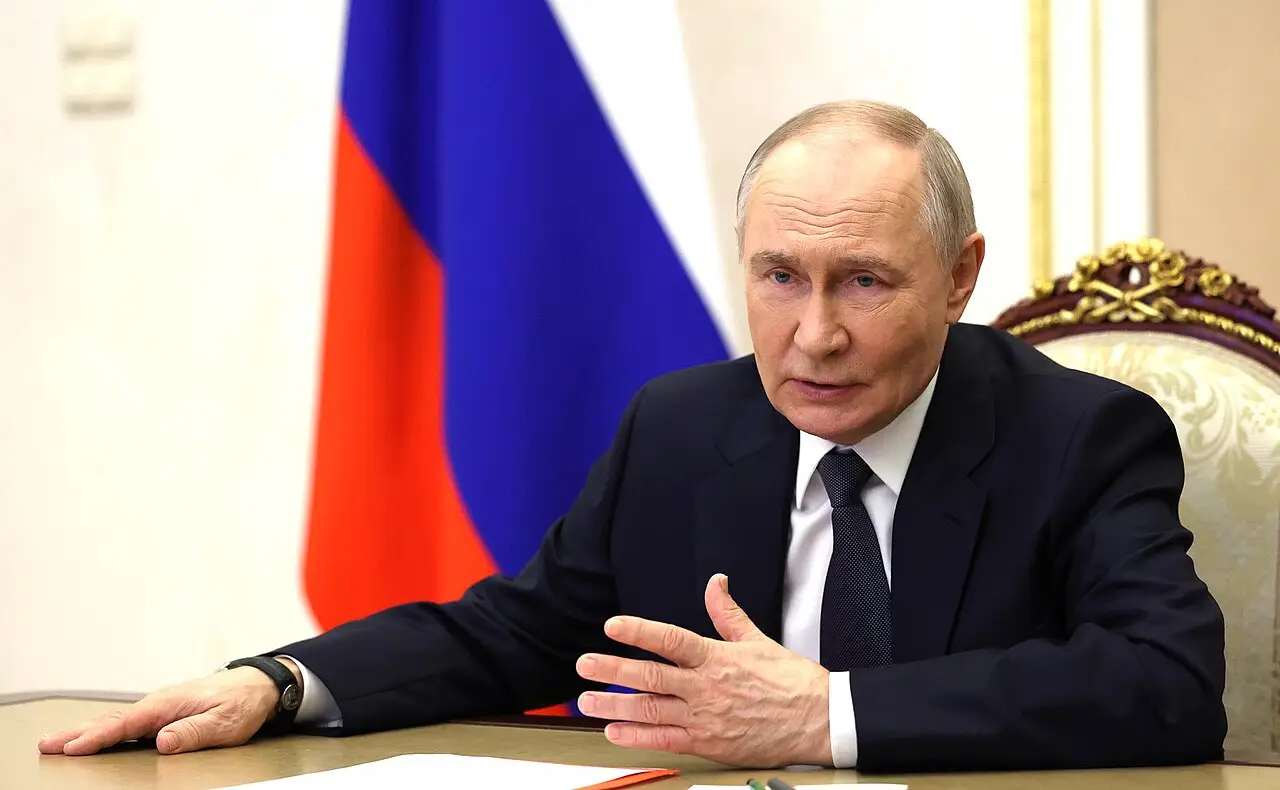
Recently, German Chancellor Friedrich Merz heavily criticised the 2023 shutdown of the country’s last nuclear plants as a “serious strategic mistake” and a major contributor to high energy costs. However, this is not only a German story. Other European countries are still attempting to build energy systems that are heavily dependent on intermittent sources of power.
The lesson of Berlin, and Germany more broadly, is a simple one. Energy policy is a national strength policy, and systems designed without resilience will pay for fragility, whether through higher bills, higher emissions, or sudden blackouts. Decarbonisation is still important and achievable, but it cannot succeed if it ignores security and cost to consumers. Europe needs energy systems that are not only low-carbon, but robust under stress, which means that they need to employ evidence-based strategies and invest in large amounts of reliable clean energy.
Germany once claimed the Energiewende as a model for others to follow. Instead, it offers a warning to the rest of Europe. As the saying goes, do not put all your eggs in one basket. And in a world where infrastructure is contested, virtue alone will not keep the lights on, no matter how big a party Greenpeace throws for it.

Zion Lights is an award-winning science communicator and environmental advocate known for championing a high-energy, low-carbon future. A former Extinction Rebellion spokesperson and founding editor of The Hourglass newspaper, she is the author of The Ultimate Guide to Green Parenting and Only a Moment. Her new book, Energy is Life: Why Environmentalism Went Nuclear is out now. A TED speaker and recipient of the Holyoake Lecture Medal, she has written widely for UK and international publications and played a leading role in reshaping global attitudes towards nuclear energy.
READ MORE: ‘Poland’s ambitious plans to power its economic transformation‘. Poland is pressing ahead with nuclear power, growing its tech sector and bringing skilled workers back home. Zion Lights explains why its progress offers a useful guide for how European countriescan secure reliable energy and support long-term economic growth.
Do you have news to share or expertise to contribute? The European welcomes insights from business leaders and sector specialists. Get in touch with our editorial team to find out more.
Main image: Pixabay