Oxford biologist Professor Tim Coulson runs the numbers on the real risks of walking outdoors and finds they are vanishingly small. Our poor grasp of probability, he argues, distorts both personal safety culture and public attitudes to wolves, bears and other predators that could help restore damaged ecosystems across Europe
What is an acceptable risk of death or serious injury when you go for a walk in a city park, a forest or wilder parts of the great outdoors? There are many ways to die outside. A lightning strike, a tree or branch falling on your head, a dog attack, wild animals in some parts of the world, murder, getting lost and dehydrated or even overexertion. For these reasons the risk is never zero. But it is often surprisingly small.
I live in Oxford, UK, and the tree surgery that happens in our local park suggests that the county council considers that even the tiny risk of a branch or tree falling on me, or someone else, is worth the expense of employing chainsaw-wielding foresters a few times each year. I am, of course, delighted that my local council is so concerned for the welfare of walkers in its park, but it made me wonder what the risks are, and also what risk I would be prepared to accept.
It is not entirely straightforward to calculate the risk of death from dead wood on each walk, so the following numbers should be treated with a large pinch of salt. They are nonetheless likely accurate within an order of magnitude or two of being correct. My back-of-an-envelope calculations are based on the number of people in the UK, estimates of the number of walks each person takes in a city park each year, and the number of fatalities due to falling trees on council owned property. These numbers suggest there is approximately one fatality due to a branch or tree falling in a city or town park for every two billion walks. The risk of injury is a little higher at one in every 100,000,000 walks. The regular tree surgery reduces these risks even further.
I walk my dog, Woofler, approximately 700 times a year in the parks of Oxford. It would take me 140,000 years to take 100,000,000 walks and nearly 3,000,000 years to take 2 billion walks. My council is either very health and safety conscious, or they have estimated the cost of being sued following a tree or branch fall incident is worth the expense of tree surgery across the parks they are responsible for.
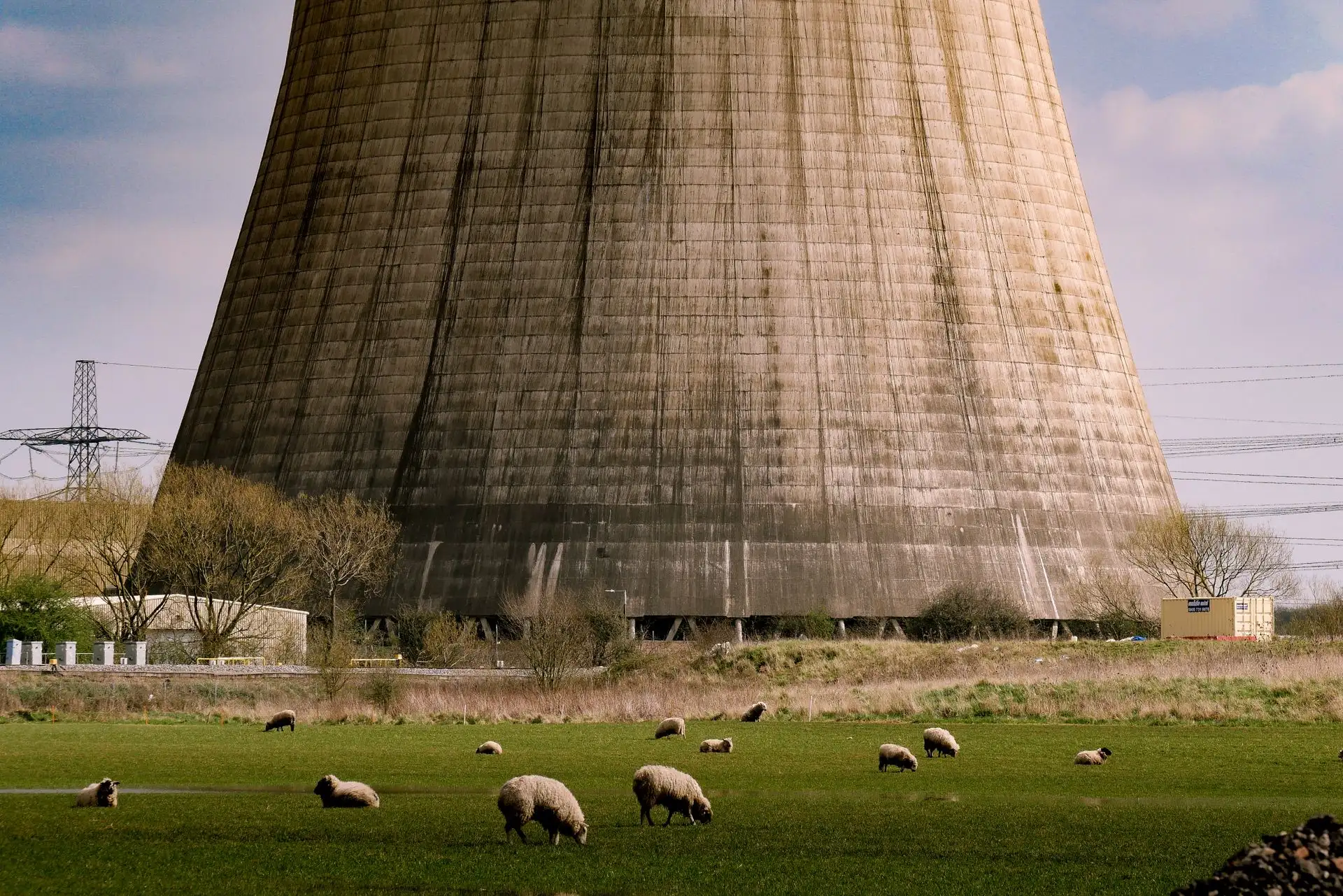
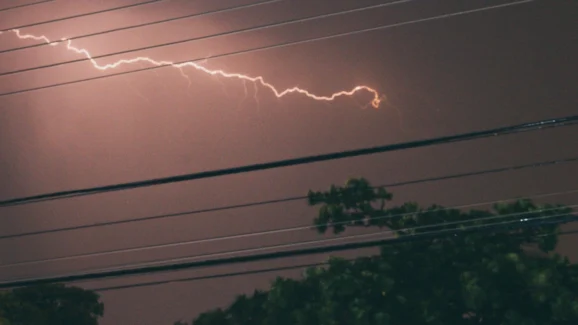
The great British countryside is generally safe. A couple of people get attacked and killed by dogs when they leave their house each year, another two or so are fatally struck by lightning, and a similar number get killed by cows. In the UK you are five times more likely to die in a car accident involving a deer than you are to be killed by lightning or cattle.
You will likely assume that some parts of the world are much more dangerous. My wife is from rural Australia, where the outback is teeming with venomous animals. Her great uncle died in the early 1900s from a death adder bite when he collected logs from the wood pile as a child, and a decade or so ago, a neighbour was bitten by an eastern brown snake while gardening and was dead within the hour. Closer to home in parts of Europe, where snakes are even less of a risk, wolves and bears roam free, and these are animals that have the capability of killing and eating us.
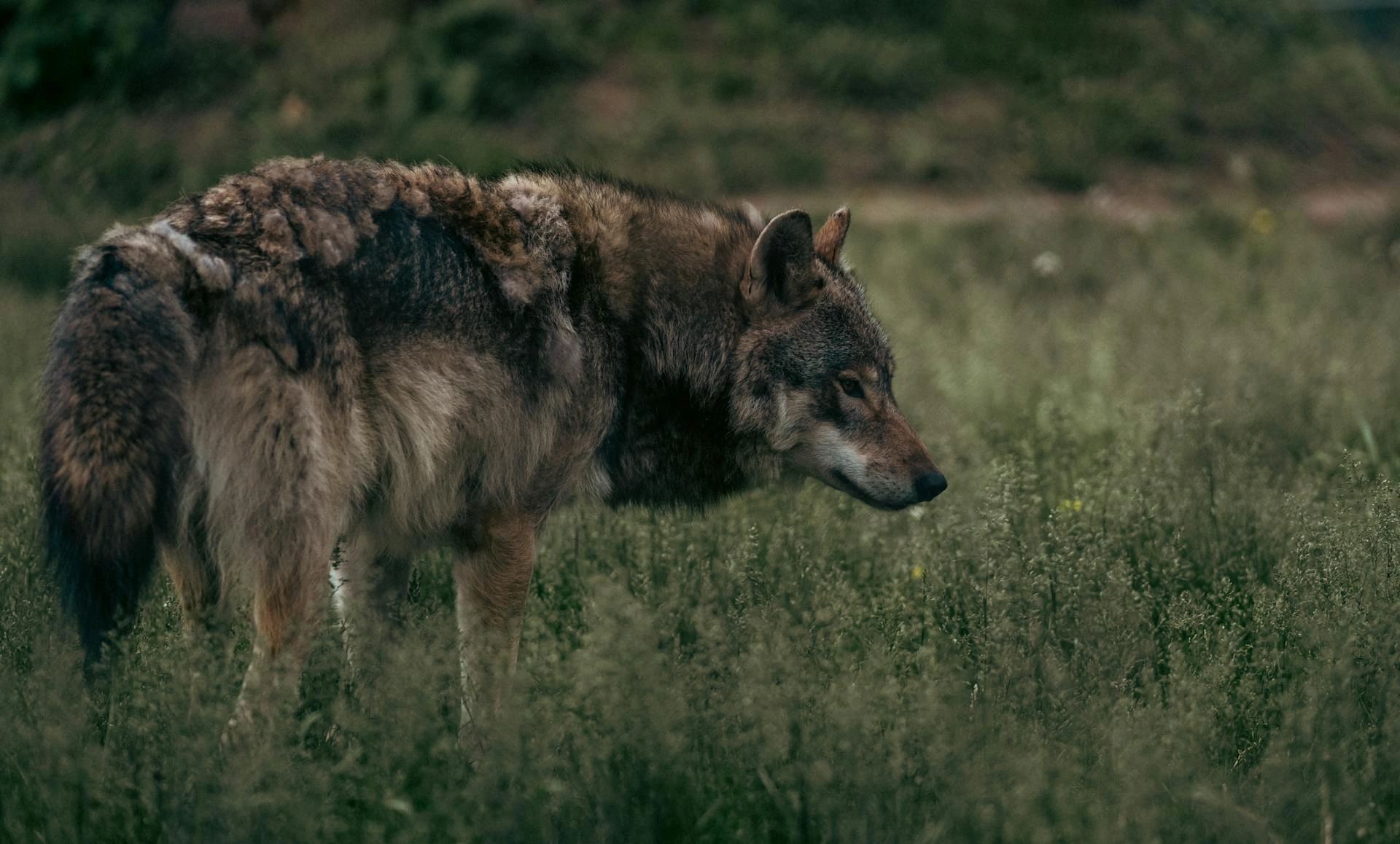
Perhaps surprisingly, none of these dangerous animals kill many people. The population of Australia is 60 per cent smaller than that of the UK, yet only just over two people each year die of venomous snake bites. Back in Europe, there have been no human fatalities from wolves in the last decade despite their recovery across most of their continent. Bears are more dangerous, killing approximately three people each year across their European range. That is three deaths out of a population of 744 million people.
Bears and wolves are much less common than trees across Europe, so if you are a European, the risk of a bear killing you per bear (rather than per human), is higher than a tree killing you per tree. But there are many more trees, so on any single walk in a wood, even if wolves are present, you should worry more about the trees. However, I wouldn’t worry about them either, as they pose a very tiny risk. Put another way, the 21,500 wolves living in Europe do not pose any realistic threat of mortality if you go for a walk in the woods. Trees, and cows, are much more likely to kill you than wolves, but even then, the chances are vanishingly small. The mental and physical health benefits of walking in the great outdoors far outweigh the risks of death from nature.
There are two reasons I am interested in these numbers. The first is rather mundane. I, appropriately, must complete a health and safety form when I head to do fieldwork in the UK or overseas. I had always assumed that health and safety professionals working in large organisations such as the one that employs me have been trained in assessing relative risks, but the ones I deal with are poorly versed in probability. So much so, I have been asked questions about how I will eliminate the nearly non-existent risks of being attacked by a kangaroo or injured by a 10g bird to be banded, while much riskier behaviours, like walking in the woods, or crossing a road from the airport, are given no thought at all. At one level this is little more than a mild irritation, but at another the lack of skills in assessing relative risk distracts travellers from focusing on where the real dangers lie.
More importantly, large predators that have the capacity to kill us, but rarely do, are ecologically very important and are a key tool in repairing the damage we have done to nature. Ecologists classify ecosystems on a scale from those that are highly disturbed, such as a ploughed field, to those, such as forests, which are said to be in their climax state. Ecosystems close to their climax states are much less disturbed and much more stable and resilient.
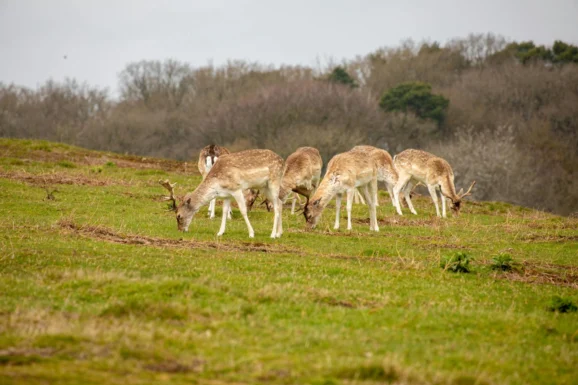
Highly disturbed ecosystems are said to be in early successional states, while those that have long been undisturbed tend to be in later successional or climax states. Along with us, a species which loves chopping down trees and ploughing land, high densities of large herbivores like deer, sheep and cows tend to push ecosystems into early successional states.
In contrast, predators tend to push ecosystems the other way towards their climax states. This matters because these climax states are more resilient, contain more species, lock up more carbon, and they are much better at providing ecosystem services on which we rely such as clean air and water. If we want to repair some of the damage to our planet, allowing large predators to thrive is one of the easiest things we can do.
In other words, having wolves and bears and other large predators on our landscape is often (there is some nuance) a cheap and easy way to repair nature. Except, that is, unless everyone is scared of being eaten, even if the risk is near zero, and less than driving into one of the numerous deer that are found across many lands where large predators are absent. By keeping deer numbers low, large predators such as wolves reduce the number of car crashes involving these herbivores, some of which are fatal, or cause significant injury, to both driver and passengers.
Of course, it is not just the risk of death or injury to people that puts people off large predators. Livestock farmers do not like them because they do sometimes kill sheep, cows, and other farmed animals, and this is costly and emotionally draining. However, within Europe significant amounts of land that are hard to farm are becoming abandoned. In some places, particularly in the mountains, predators are coming back naturally. As livestock farming declines in other parts of Europe, including the UK where I live, we should give serious thought to reintroducing apex predators like wolves, lynx and bears. The risk is low, and the benefits could be substantial.
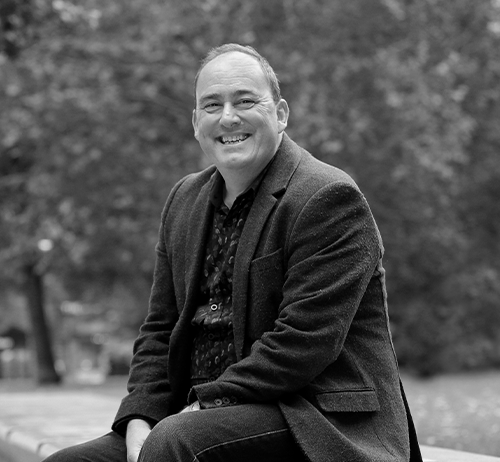
Professor Tim Coulson is Professor of Zoology at the University of Oxford, where he has led both the Zoology and Biology departments. He was previously at Imperial College London and has also held positions at Cambridge University and the Institute of Zoology London. A highly decorated scientist with awards from major institutions including the Royal Society, he has edited leading journals and served on Government advisory boards. His first book for general readers, “A Little History of Everything” (Penguin Michael Joseph), traces the 13.8-billion-year story from the Big Bang to human consciousness and is available to buy on Amazon. His second popular science book, “Predators: how nature’s killers have shaped life on Earth” (Headline Press) will be published early 2027.
READ MORE: ‘The dodo delusion: why Colossal’s ‘de-extinction’ claims don’t fly‘. From “dire wolves” engineered from grey wolves to bold claims of reintroducing dodos to Mauritius within a decade, Texan biotech company Colossal has drawn widespread media coverage. But Oxford biologist Tim Coulson argues that the science behind de-extinction is far more limited, and the obstacles so great that bringing back lost species may remain impossible.
Do you have news to share or expertise to contribute? The European welcomes insights from business leaders and sector specialists. Get in touch with our editorial team to find out more.
Main image: Caleb Falkenhagen/Pexels