As Washington and Beijing intensify their parallel courtships of European capitals, Ravi Balgobin Maharaj argues that beneath the flurry of trade deals and diplomatic visits lies a harder truth about power, security and trust, and why, despite the allure of Chinese investment and the turbulence of American politics, Europe’s long-term stability still rests on the transatlantic alliance
Whoever said international relations doesn’t have a sense of romance? One week you have the U.S. Secretary of State flying across Europe promising steadiness and shared purpose. The next, you have Beijing rolling out red carpets and trade memoranda like it’s hosting a diplomatic Black Friday sale. Same continent. Same leaders. Very different courtship rituals. And all of it taking place during the Valentine’s season.
This week, both Secretary Marco Rubio and Chinese officials pursued European leaders with contrasting strategies that say a lot about the broader contest between Washington and Beijing. This time the differences are not just stylistic; they are philosophical. And in the current geopolitical landscape, that matters.
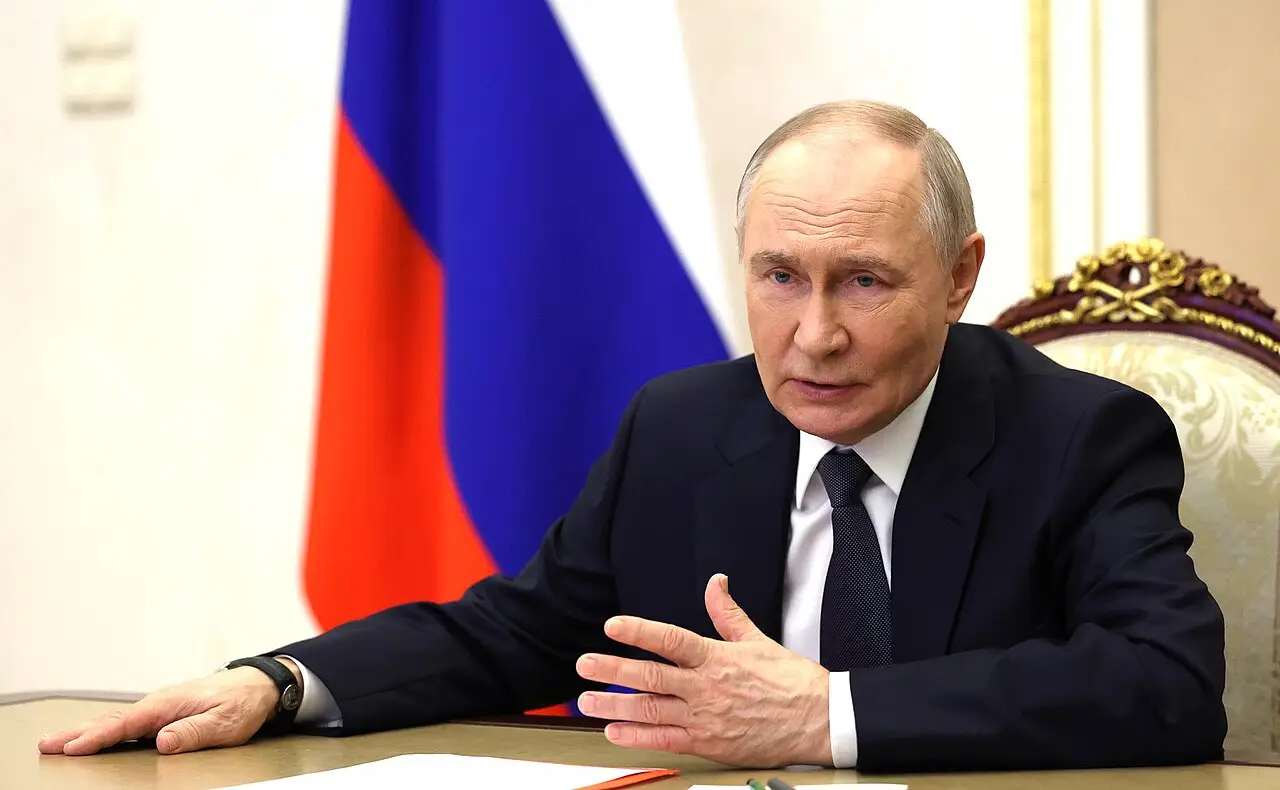
China’s approach is, as it has always been, transactional, polished, and relentless, as Beijing emphasised infrastructure deals, green energy partnerships, electric vehicles, and market access. It frames itself as a stable, pragmatic partner that avoids lectures and delivers contracts. Through initiatives like the Belt and Road Initiative, it has spent years building influence brick by brick, port by port, rail line by rail line. The message to Europe is simple: they bring investment opportunities, and at the same time they do not interfere in internal policies, and are patient in awaiting a response.
Secretary Rubio’s approach, by contrast, is rooted in alliance politics rather than procurement politics. His pitch leans on shared democratic values, collective security through NATO, economic resilience, and strategic alignment in the face of authoritarian pressure. Where China speaks the language of supply chains and subsidies, Rubio speaks of sovereignty, deterrence, and long-term trust.
Critics will say that values are abstract while contracts are concrete, but Europe understands something deeper, as security is not merely a commodity; it is a condition. And without it, contracts are just paper.
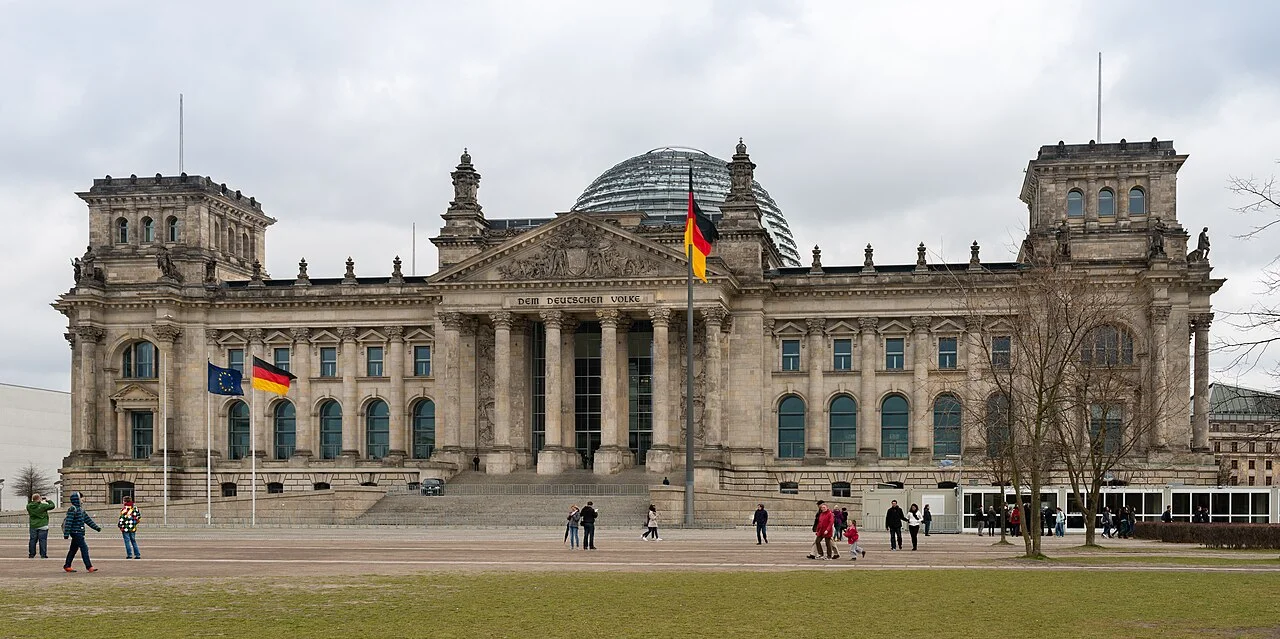
This is where the U.S. must be careful, as Europe does not want to choose between Washington and Beijing in a simplistic Cold War redux. Leaders in Berlin, Paris, and Brussels are navigating inflation, energy shocks, industrial policy fights, and domestic political fragmentation. So while they will accept Chinese investment where it suits them, they will also expect American reliability as a proven standard.
And that reliability is the currency that Secretary Rubio finds himself trading with.
Of course, looming over all of this is President Donald Trump. His influence remains potent in American politics and in European imagination. For many European leaders, the question is not simply what Secretary Rubio offers this week, but what America will look like in the coming year. Will Washington remain committed to NATO? Will it sustain support for Ukraine? And will tariffs return as a primary tool of diplomacy?
President Trump’s legacy in Europe is complicated, as during his presidency he made it his imperative to press NATO members towards increased defence spending, a demand many now quietly concede accelerated Europe’s military investments. At the same time, his rhetorical scepticism toward alliances unsettled partners who prefer predictability over performance art.
That tension shapes Rubio’s task, as he must now reassure Europe that American commitments endure beyond any one administration, while acknowledging that domestic politics in the U.S. are not a footnote but a force. As such, while President Trump’s shadow makes alliance management harder, it also makes it more urgent.
The strategic stakes are enormous, as Europe remains America’s largest trading partner, its most significant military ally network, and its closest political community in terms of shared institutions and norms. If Europe drifts toward economic over-dependence on China, the United States loses leverage not just in markets but in setting global standards on technology, data, and energy transition.
Allowing U.S.-European relations to grow is not about nostalgia for the postwar order; it is about shaping the next one. Artificial intelligence governance, semiconductor supply chains, critical minerals, clean energy, and digital infrastructure are the battlegrounds of the coming decade, and if the U.S. and Europe align, they can define rules that reflect open societies. But if they were to fragment, it will be Beijing’s model that gains space.
Supporting Rubio’s approach does not mean ignoring Europe’s desire for strategic autonomy; it means respecting it. A confident alliance does not fear consultation or compromise, but builds them into the structure. Washington should encourage Europe’s defence investments, deepen trade coordination, and expand joint innovation, as growth in the relationship should be visible, practical, and measurable.
While China will continue to offer deals, which is just rational statecraft, the U.S. should not resent it, but should compete.
Competition, however, works best when grounded in partnership, and Secretary Rubio’s emphasis on security guarantees and shared values is not old-fashioned idealism; it is strategic realism. Europe’s leaders know that when crises erupt, whether in Eastern Europe or the Indo-Pacific, the United States still fields the capabilities that matter most.
President Trump’s influence ensures that American politics will remain unpredictable, and that reality only strengthens the case for strong transatlantic ties. The more institutionalised and integrated the U.S.-Europe relationship becomes, the more resilient it will be to electoral swings on either side of the Atlantic.
Diplomacy is not a popularity contest; it is a long game of trust, leverage, and credibility. This week’s contrasting courtships show that while China offers scale and speed, the United States offers security and solidarity.
And as Europe finds itself needing both markets and allies, the reality is that only one of those shows up when the stakes turn existential.

Ravi Balgobin Maharaj is a writer and public affairs commentator whose work focuses on international relations and the shifting dynamics of global power. His commentary examines major power competition, transatlantic alliances, and the strategic choices facing democratic institutions in a rapidly changing world. He brings a policy-focused perspective to global debates on diplomacy, governance, and development.
READ MORE: ‘Why Europe’s finance apps must start borrowing from each other’s playbooks‘. As Europe’s banking, neobanking and investment apps pursue sharply differentiated growth models, new cross-market data from the UK, France and Germany shows that each segment has mastered one part of the performance equation while overlooking another, creating a clear opportunity for the continent’s finance platforms to strengthen acquisition, retention and long-term value by learning from one another’s playbooks, writes Aliaksei Ustauski.
Do you have news to share or expertise to contribute? The European welcomes insights from business leaders and sector specialists. Get in touch with our editorial team to find out more.
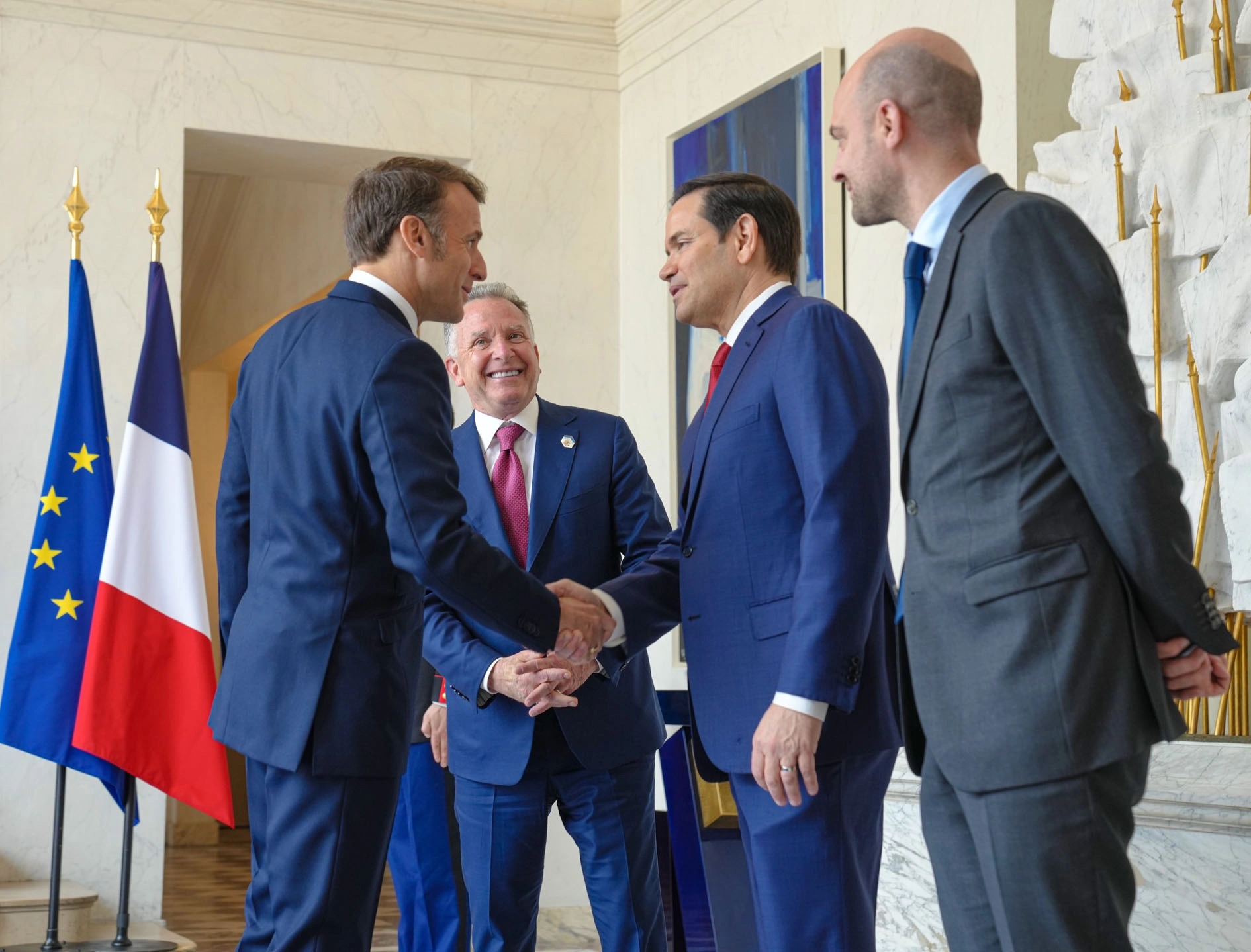
Main image: Rubio with French President Emmanuel Macron, French Foreign Minister Jean-Noël Barrot and Steve Witkoff in Paris, France, April 17, 2025. Credit: U.S. Department of State / Wikimedia Commons (Public Domain)