The proposed Free Trade Agreement between India and the European Union is already influencing standards, supply chains and livelihoods, revealing how trade policy can shape everyday economic life on both sides, argues Karan Kashyap
In a period marked by tariffs, supply chain strain and economic uncertainty, businesses in India and across Europe are looking to the proposed Free Trade Agreement (FTA) between the two blocs as a source of stability and opportunity. What can appear to be a distant diplomatic process is already influencing livelihoods, standards and expectations in sectors that touch daily life.
One early example lies in India’s seafood industry. The EU has approved additional Indian seafood processing facilities for export, allowing shipments to increase at a time when many producers have faced pressure from changing US trade measures. Fishing communities in Andhra Pradesh, a state responsible for a large share of India’s shrimp exports, have felt the benefit of renewed access to European markets. For many in this sector, European demand has provided a degree of resilience during a volatile trading period.
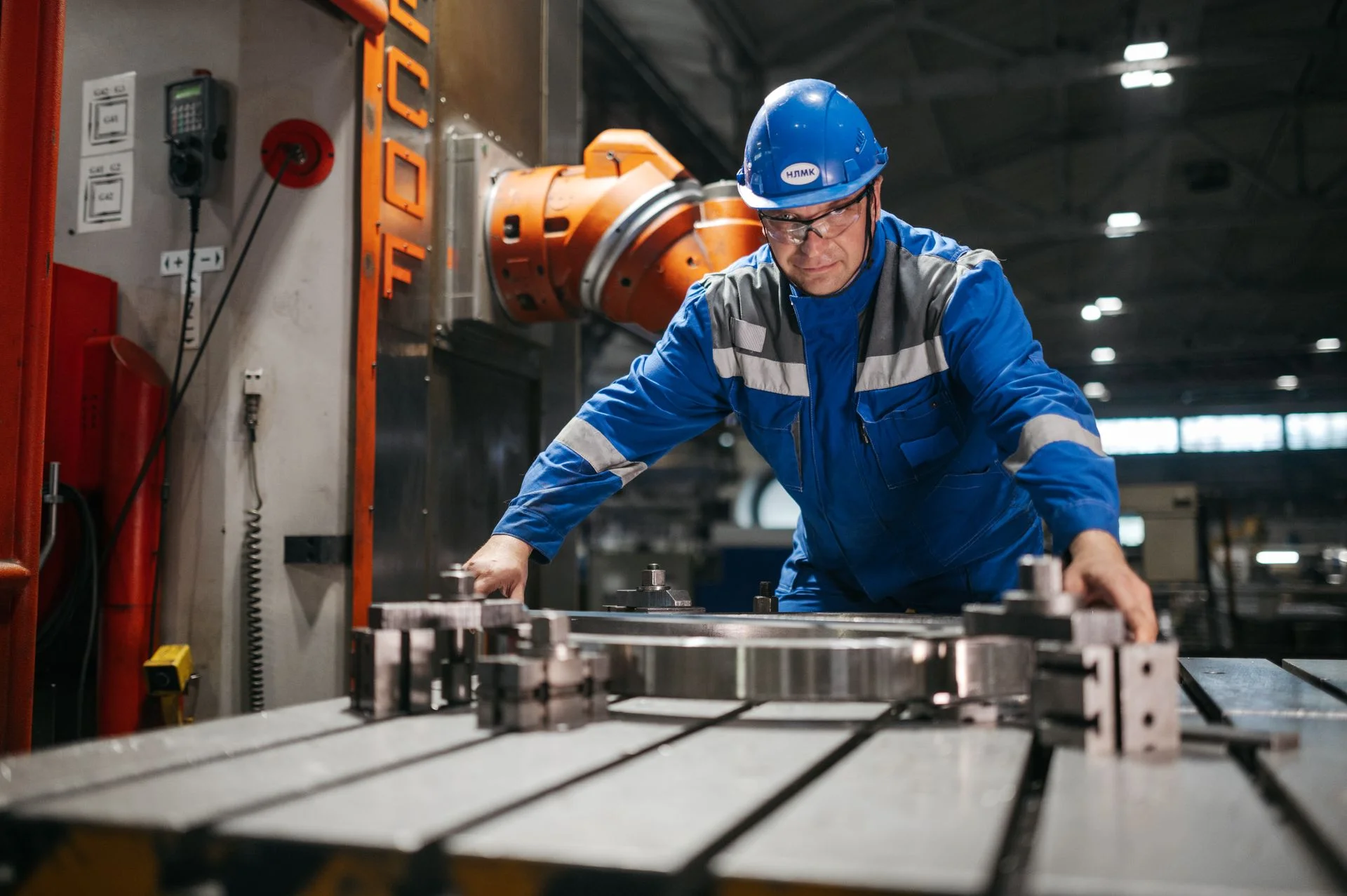
The negotiations have also brought attention to labour standards and manufacturing practices. Indian factories supplying European markets have been required to align with international benchmarks on worker welfare and safety. Industry observers note that these changes are encouraging improvements in working environments, including for women in sectors such as electronics and pharmaceuticals, where export demand to Europe is strong.
Quality standards have been another focus. The Indian government has streamlined its Quality Control Orders (QCOs), a system designed to prevent low-grade goods entering the market and to raise manufacturing standards more broadly. While aimed in part at protecting domestic industry, these measures are also improving the quality of goods available to Indian consumers.
Environmental considerations are entering the picture as well. New labelling requirements for textiles are intended to give buyers clearer information about the sustainability of raw materials. India has also notified a carbon credit trading framework for energy-intensive industries. Alongside this, changes to investor protections in areas such as nuclear energy signal a wider attempt to modernise regulation in line with global expectations.
For Europe, the agreement is seen as part of a wider strategy to diversify supply chains. China’s restrictions on rare earth exports have raised concerns among manufacturers, particularly in the automotive sector. The EU’s Critical Raw Materials Act has identified India as a country with potential in raw material extraction and processing, offering an alternative source for key inputs.
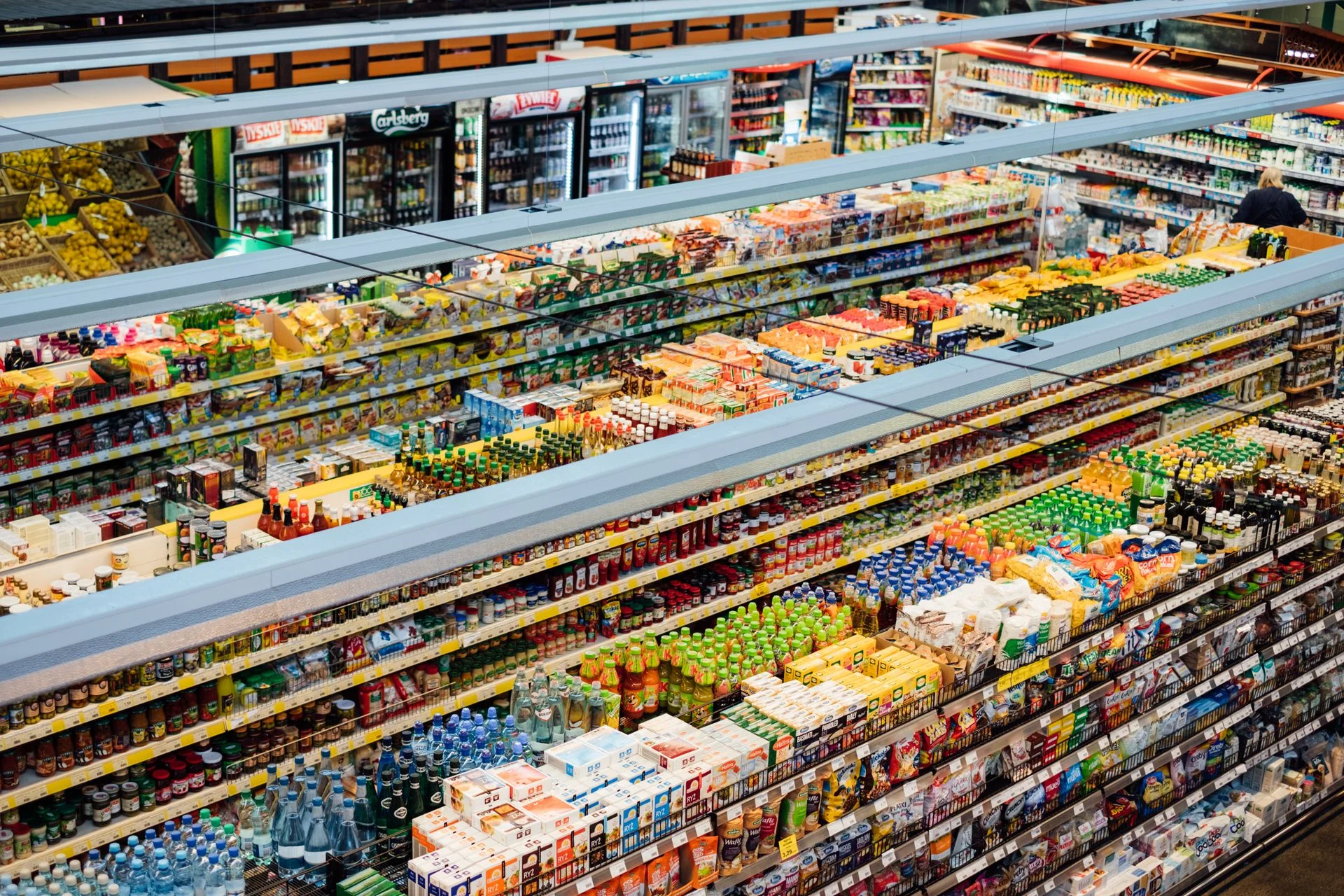
Trade figures illustrate why this relationship matters. The EU is India’s second-largest trading partner, with goods trade valued at around $140 billion in 2024. India, in turn, ranks among the EU’s top trading partners. Bilateral trade has grown significantly over the past decade, and thousands of European companies operate in India. These links provide a foundation on which the FTA can build.
The agreement is also expected to influence services. India’s strength in business process outsourcing, IT and financial services aligns with Europe’s demand for skilled professionals, particularly in science and technology fields. Observers suggest that closer trade ties could make it easier for Indian expertise to support European labour shortages in specialised areas.
Certain consumer sectors are watching developments closely. European producers of vehicles, wines and luxury goods anticipate that lower tariffs could open the Indian market further. Analysts suggest that brands in the automotive and premium goods sectors may see rising demand if import duties fall as part of the agreement. For Indian consumers, this could mean greater choice and more competitive pricing.
At the other end of the income scale, labour-intensive Indian industries such as garments, textiles, gems and jewellery already export heavily to Europe and are expected to benefit from smoother market access. Increased export activity in these sectors has the potential to support employment across large workforces.
Agriculture remains a sensitive area and is largely outside the core of the FTA, yet there are indirect effects. European agri-technology and standards in packaging, traceability and food processing may help Indian producers improve quality and reduce the price volatility seen in crops such as onions and tomatoes. Better storage, processing and supply chain integration could support more stable rural incomes over time.
After more than a dozen negotiation rounds and sustained public discussion, awareness of the FTA’s potential impact is high on both sides. Policymakers frequently present the agreement as a way to strengthen economic resilience, create new markets and deepen people-to-people ties between Europe and India.
As Ursula von der Leyen has previously suggested, India–Europe relations have the potential to become one of the defining partnerships of this century. Supporters of the FTA argue that trade, when carefully structured, can raise standards, expand opportunity and connect economies in ways that benefit citizens as well as corporations.
There is, of course, uncertainty. The precise effects of any trade agreement on prices, jobs and sensitive sectors such as agriculture can only be estimated in advance. Outcomes depend on implementation, regulation and global conditions.
Even so, many businesses, workers and policymakers view the India–EU FTA as more than a commercial arrangement and suggest that, in a period of geopolitical and economic strain, it may serve as a practical tool for shared prosperity and long-term stability across two closely linked regions.

Karan Kashyap is a Europe India Business Leader (Class of 2024) and a contributor to Forbes South Asia, where he writes on India’s economy and startup ecosystem, with a focus on how policy reforms affect growing companies. His work has been cited in books, international newspapers and reports by organisations including IBM, KPMG, the South China Morning Post and Tech in Asia. He has also appeared as a panelist on Al Jazeera. He is the author of the bestseller Go Startup: Your Best Guide to Unlocking the Values and Culture of Success.
READ MORE: ‘What Indian philosophy can teach modern business about resilient systems‘. Long before Western thinkers created the science of cybernetics, Indian philosophers mapped the same principles of balance, feedback, and ethical governance. Stafford Beer built modern management theory on that foundation — and today, those forgotten ideas could guide how leaders design resilient organisations and responsible AI, discovers our Ethics and Transformation Correspondent, Vendan Kumararajah.
Do you have news to share or expertise to contribute? The European welcomes insights from business leaders and sector specialists. Get in touch with our editorial team to find out more.
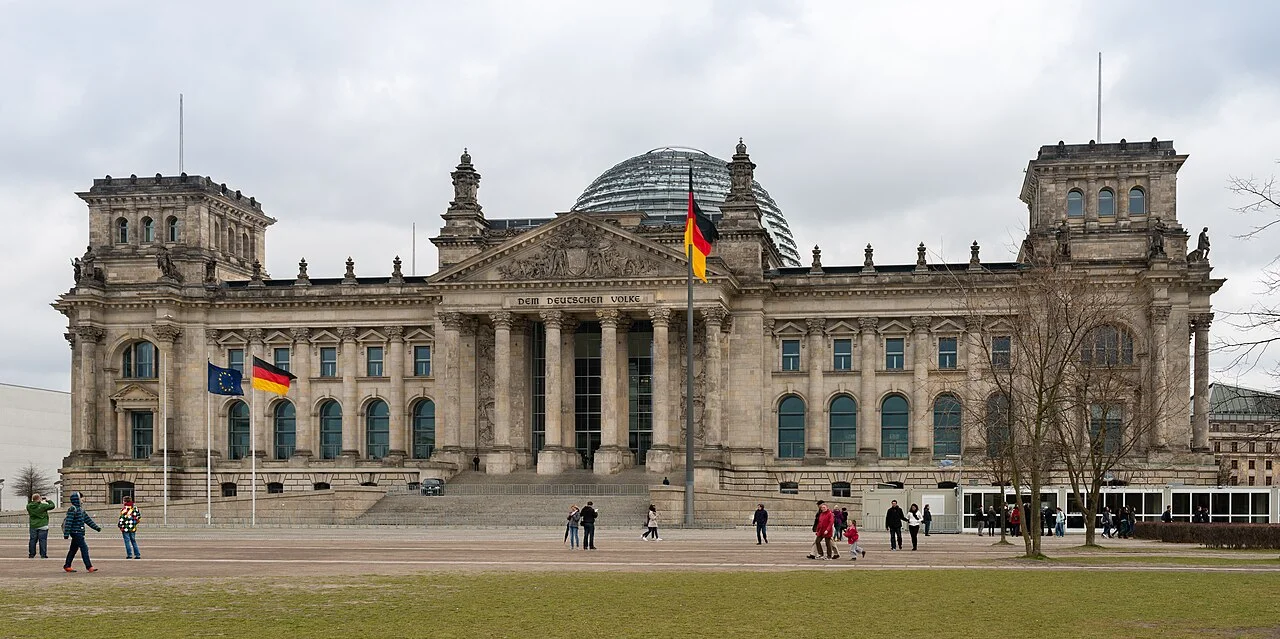
Main image: Wolfgang Weiser/Pexels