While the world races ahead with smarter tech and cutting-edge design, millions of wheelchair users remain dependent on outdated equipment chosen on cost rather than need. Until disabled people lead the next wave of innovation, mobility will remain constrained by systems built for budgets instead of bodies, writes Matthew Kayne
We celebrate innovation in almost every corner of modern life. Each year brings smarter phones, faster cars and more powerful AI. Companies compete on design, performance and user experience; investors reward disruption; and consumers expect constant improvement.
Yet in one area that millions of disabled people rely on every single day, progress has stalled: wheelchair design.
For something that represents independence, dignity and mobility, the modern wheelchair can feel like a relic. It is meant to set you free, yet too often it becomes something you have to fight.
I know that fight well.
Over the years, I have been through countless wheelchair assessments and equipment trials. I have been given chairs that did not fit my body, that caused pain instead of comfort, and that broke down when I needed them most. I have waited months for repairs or replacements. I have had to rearrange work and cancel plans because a part failed and no one could tell me when it would be fixed. And like many others, I have been made to feel I should simply accept whatever I am given.
I do not want to be told to be grateful. I want respect.
The problem runs deeper than individual pieces of equipment. It sits in the mindset behind the system. Wheelchairs are frequently selected according to cost and procurement frameworks, with limited scope for individual fit or long-term outcomes. Assessments can feel transactional. The starting point is often what the system can supply within budget, rather than what will genuinely enable someone to live well.
Mobility is treated as something to be rationed, and independence becomes conditional.
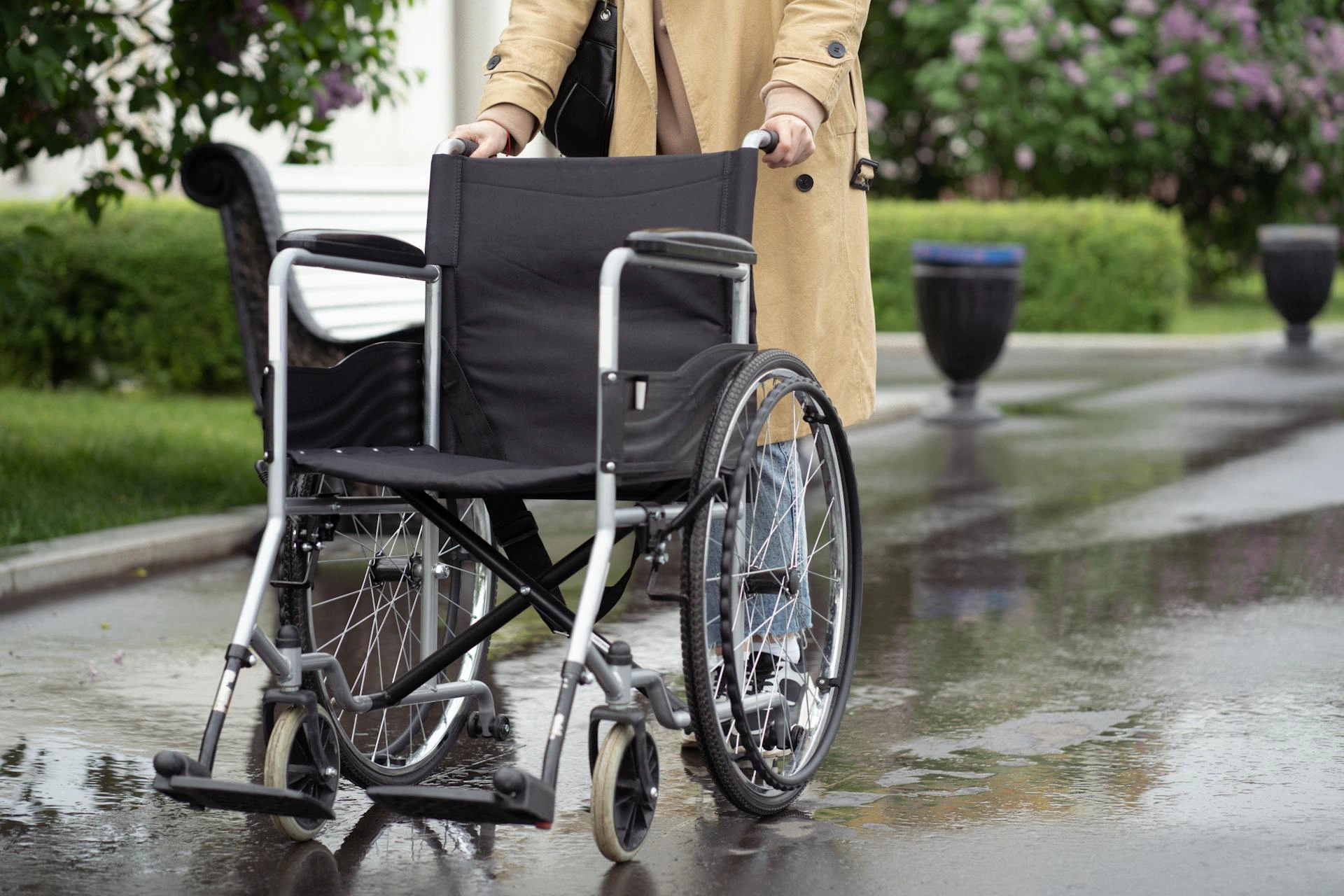
A wheelchair functions as an extension of a person’s body. It determines how we move, work, socialise and participate in society. When it fails, daily life becomes narrower and more fragile.
Poor seating causes pain and long-term physical complications. Inadequate support restricts employment and education. Delayed repairs mean days or weeks effectively confined indoors. These are structural barriers created by decisions about funding and priorities.
Technology itself is not the constraint. Advanced wheelchairs already exist that can climb stairs, raise users to eye level and adjust posture automatically. There are lightweight models, smart navigation systems and chairs controlled by eye movement or voice. The capability is there. Access to it is not.
For most wheelchair users, these innovations remain beyond reach because they are unaffordable or unavailable through standard public provision. The distance between what is technically possible and what is routinely provided remains wide.
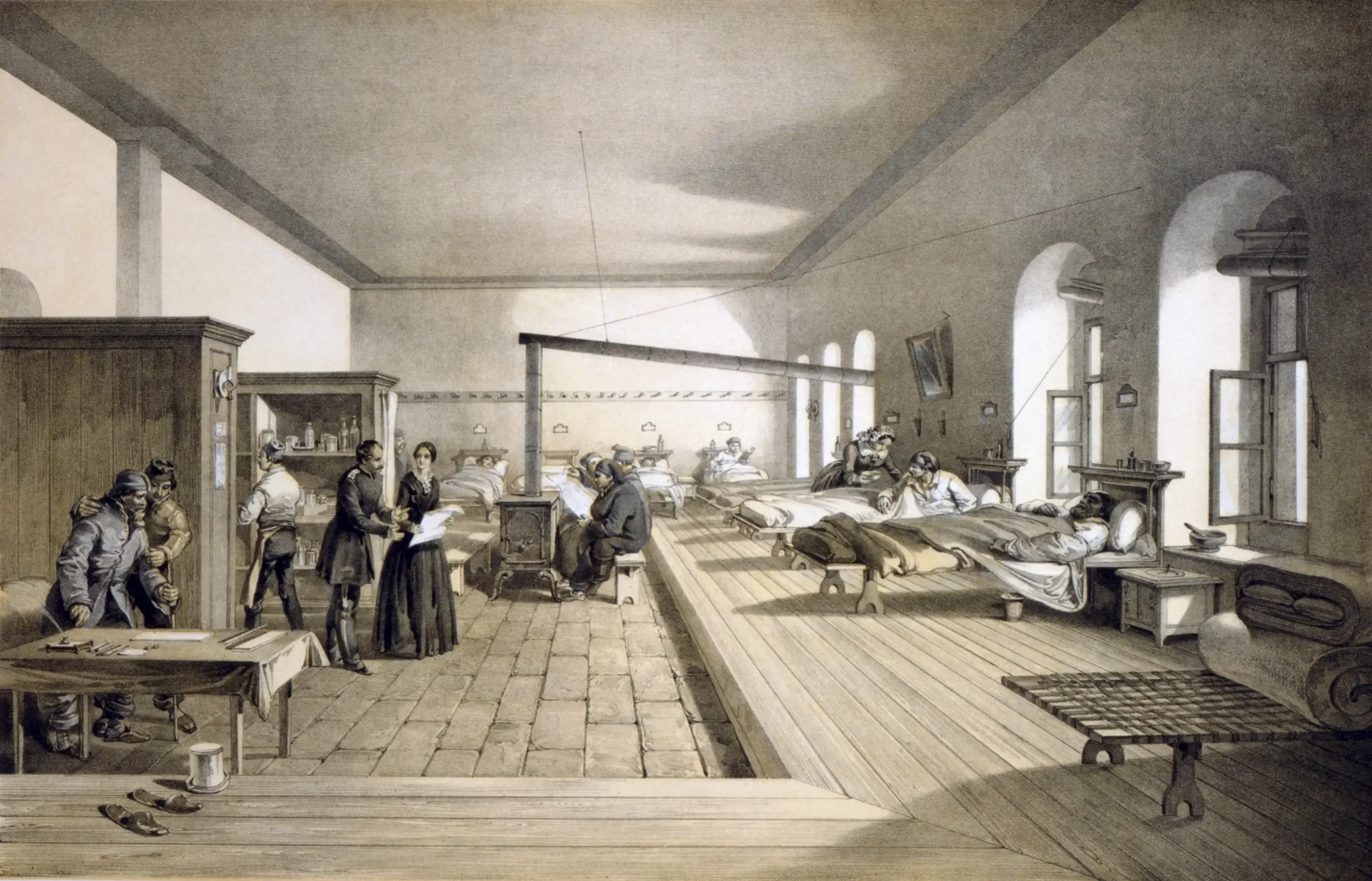
Public wheelchair services can feel anchored in another era. Assessments rely on limited catalogues. Repair timelines stretch on. Replacement cycles continue even when equipment is clearly no longer fit for purpose. In most consumer markets, that level of stagnation would provoke immediate backlash. When it affects disabled people, however, it is normalised.
Too often, the direction of travel is shaped by procurement processes and short-term cost control. Lived experience sits on the margins of those decisions. Disabled designers, engineers and users bring insight that cannot be replicated by spreadsheets alone. Their expertise belongs at the centre of innovation.
Consultation at the end of a process rarely reshapes outcomes. Co-design from the outset would produce equipment that reflects real bodies, real homes and real working lives.
Consider what happens when design is treated as something worthy of investment. High-end cars are refined around driver experience. Flagship technology is built around aesthetics, performance and usability. That same seriousness and ambition should shape mobility equipment. Choice, adaptability and durability should be expected.
When a wheelchair does not fit properly, life contracts. Plans are cancelled. Work is postponed. Social contact reduces because the effort required simply to move becomes overwhelming. I have lived through that isolation. I have seen confidence diminish, not because of disability itself, but because the tools intended to support independence fell short.
Over time, those compromises accumulate. Independence narrows. Opportunity contracts. Ambition is quietly adjusted to match the limitations of equipment that should have enabled far more.
Every poorly designed or poorly maintained wheelchair represents lost potential.
Design expresses values. It shows whose comfort, safety and participation matter. Empathy made tangible produces equipment that supports rather than restricts. Wheelchair users deserve modern, person-centred design built around durability, adjustability and rapid maintenance.
The engineering challenges are solvable. Materials can be improved. Modular systems can be developed. Service models can prioritise rapid response. Progress depends on whether mobility is treated as a priority.
A wheelchair should symbolise freedom, identity and pride. For many disabled people, it becomes a reminder of negotiation and constraint. That experience reflects choices about funding, procurement and innovation.
Change requires investment, inclusion and accountability — across the NHS, local authorities, manufacturers and policymakers. Mobility underpins participation in society. It enables employment, education, civic life and community connection.
When accessibility improves, society becomes more usable for everyone.
The next design revolution will grow from lived experience — from people who understand mobility through daily reality. If inclusion is taken seriously, mobility must be recognised as an issue of equality and design justice.
Wheelchairs should expand possibility.
That is the future I am rolling towards — and one that disabled people should not have to wait decades to see.

Matthew Kayne is a broadcaster, political campaigner and disability rights advocate who has turned personal challenges into platforms for change. He is the founder and owner of Sugar Kayne Radio, an online station dedicated to uplifting music and meaningful conversations, and the leader of a national petition calling for reform of the UK’s wheelchair service. Living with cerebral palsy and a survivor of bladder cancer, Matthew channels his lived experience into advocacy, broadcasting, and songwriting. His long-term ambition is to bring this experience into politics as an MP, championing disability rights, healthcare access, and workplace inclusion.
READ MORE: ‘New Year, same question: will I be able to leave the house today?‘. While millions vow to get fitter or more organised, Matthew Kayne, a wheelchair user, makes a far starker New Year’s resolution: to travel, work and live without being abandoned by systems that promise accessibility and then fail in public, with real consequences for safety, dignity and independence.
Do you have news to share or expertise to contribute? The European welcomes insights from business leaders and sector specialists. Get in touch with our editorial team to find out more.
Main Image: SHVETS production/Pexels