Marcellus Williams was executed last month in the US state of Missouri despite strongly conflicting forensic evidence. The case underscores the challenges and potential injustices that arise when human testimony conflicts with the impartiality of DNA evidence, writes our international affairs correspondent, Yasin Kakande
Who would you believe if technology and human witnesses collided? This question haunted the justice system in Missouri for 23 years, as they grappled with the case of Marcellus Williams. Mr. Williams, a man whose fate hung in the balance, found himself at the centre of a legal battle where the reliability of human testimony clashed with the growing influence of technological evidence. Only recently has this long-standing conflict reached a resolution, shedding light on the complexities that arise when technology and human witnesses tell different stories.
Felicia Gayle, a beloved former reporter for the St. Louis Post-Dispatch, was brutally murdered in her own home on August 11, 1998. The details were harrowing. After burglarizing her home, the killer ambushed Ms. Gayle as she stepped out of the shower, stabbing her a staggering 43 times before leaving the knife lodged in her neck. The savagery didn’t end there—the intruder then ransacked her home, stealing whatever they could find.
The police were left grasping for answers, desperate to bring her killer to justice. Frustration grew as leads dried up, and soon, pleas for help flooded local television screens, offering reward money to anyone in the public who could provide a clue to solve this horrific crime.
After seeing the police announcement while in jail, Henry Cole came forward once he was released, claiming that a fellow inmate, Mr. Williams, had confessed to murdering Felicia Gayle. Cole told the police that Mr. Williams had taken a bus to Ms. Gayle’s home, committed the murder, stolen her possessions, and left. Cole even presented notes he had written while in jail, documenting Mr. William’s alleged confession. He also directed the police to Laura Asaro, a woman who had briefly dated Mr. Williams. Cole’s motivation for coming forward, however, was clear—he wanted the reward money promised in the police announcement.
When the police arrived at Ms. Asaro’s home, she confirmed that Mr. Williams was indeed the killer. She revealed that he had confessed the murder to her shortly after it happened but had threatened to kill her and her family if she ever spoke up. Ms. Asaro told the police that Mr. Williams had driven their car to Ms. Gayle’s house, committed the brutal crime, and then fled. Adding to the horror, the police discovered some of Ms. Gayle’s stolen belongings in Ms. Asaro’s home and car.
The case against Mr. Williams deepened when the man who had purchased Ms. Gayle’s stolen laptop confirmed that it was him who had sold it to him. The evidence was stacking up, pointing clearly to a killer who had left a trail of fear and stolen possessions in his wake.
This evidence was so convincing that the Missouri Supreme Court sentenced Mr. Williams to death. His fate seemed sealed. But just before the scheduled execution, the court appointed a special master to review DNA testing on potentially exculpatory evidence. In 2016, DNA tests revealed something shocking—Williams was not the source of the male DNA found on the murder weapon or at Ms. Gayle’s home.
On August 22, 2017, just hours before he was set to be executed and after having eaten his last meal, Mr. Williams was granted a stay of execution by then-Governor Eric Greitens. The DNA results had cast a deep shadow of doubt over his guilt, and Governor Greitens, recognizing the weight of this evidence, called for a Board of Inquiry to investigate the case. Under Missouri law, the stay would remain in effect until the board completed its review and delivered a formal report, giving Williams a temporary reprieve from death.
However, in June 2023, while the Board of Inquiry was still reviewing Mr. Williams case, the new Governor Mike Parson dissolved the board before it could issue its final report. This decision paved the way for Missouri Attorney General Andrew Bailey to request a new execution date.
In response, Mr. Williams filed a civil lawsuit against Governor Parson, arguing that dissolving the Board without a completed report was a violation of Missouri law. However, on June 4, 2024, the Missouri Supreme Court dismissed Mr. Williams’s lawsuit and swiftly set his execution date for September 24.
Mr. Williams was executed last month by lethal injection, bringing an end to a long, contentious legal battle. His execution marked the conclusion of a decades-long fight between conflicting accounts from human witnesses and DNA evidence that cast doubt on his guilt. However, the execution left behind a legacy of legal and moral questions surrounding justice, technology, and the weight of human testimony.
Announcing the execution, Governor Mike Parson stated, “Mr. Williams has exhausted due process and every judicial avenue, including over 15 hearings attempting to argue his innocence and overturn his conviction. No jury nor court, including at the trial, appellate, and Supreme Court levels, have ever found merit in Mr. Williams’ innocence claims. At the end of the day, his guilty verdict and sentence of capital punishment were upheld. Nothing from the real facts of this case has led me to believe in Mr. Williams’ innocence, and as such, his punishment will be carried out as ordered by the Supreme Court.”
In stark contrast, Black activists and human rights advocates condemned the execution. Ibram X. Kendi tweeted, “Tonight, Missouri lynched Marcellus Williams. DNA evidence proved he was innocent. It didn’t matter. Because the United States is a serial killer of Black people.”
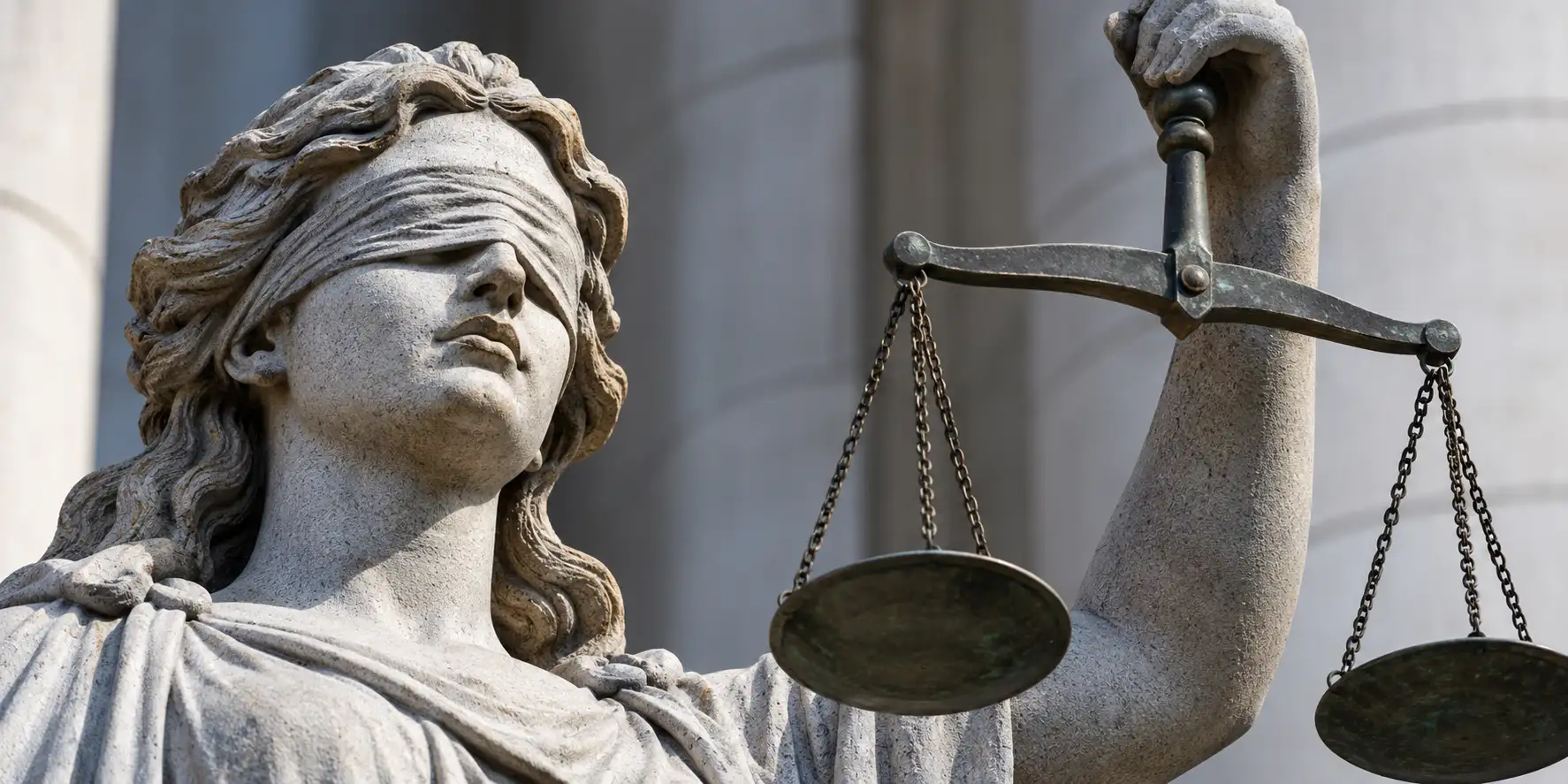
The case of Mr. Williams raises profound questions about trust—whether to rely on human witnesses or the advancing technology of DNA testing in crime investigations. As highlighted, witnesses often come with their own motivations, like Henry Cole, who sought reward money, or Laura Asaro, whose statements contradicted Cole’s. While Cole claimed Mr. Williams took a bus to the crime scene, Asaro insisted he drove their car. Williams himself admitted to selling the laptop but said he got it from Asaro. In the rush to close the case, law enforcement seemed more focused on securing a conviction than thoroughly investigating whose DNA was actually on the murder weapon.
In the face of these conflicting testimonies, the question remains: can we place greater trust in the memories of witnesses, or should we rely on the impartiality of DNA evidence?
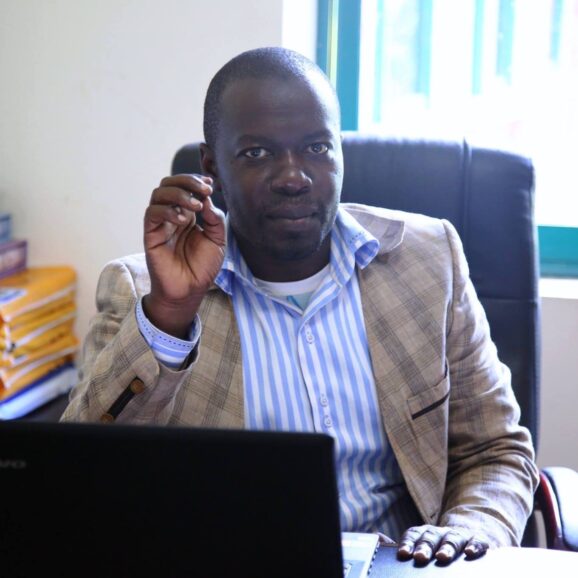
Yasin Kakande, pictured, is an international journalist, a TED Global Fellow, and the author of a number of critically acclaimed non-fiction books offering a fresh perspective on immigration and geopolitics, including Why We Are coming, and Slave States. As a migrant from Uganda now based in the US. following asylum, his journalism career spans international outlets including The New York Times, Thomson Reuters, Al Jazeera, The National, and The Boston Globe. His latest book, A Murder of Hate, is out now.
Main image: Courtesy Zachary Caraway/Pexels