Instead of aiming for the stars, Elon Musk should focus his attention on solving this planet’s biggest problems, writes tech expert Mo Farmer
Love him or loathe him, Elon Musk is synonymous with ambition. The tech tycoon has electrified transportation with Tesla, challenged traditional aerospace through SpaceX, and even flirted with the idea of implanting computers directly into our brains via Neuralink.
It’s clear that there’s no boundaries to his ambitions—never a bad thing for an entrepreneur—but while this is to be commended, there’s a growing argument that his gaze has, perhaps, wandered too far into the cosmos.
While his pet project to colonise Mars, for instance, is undeniably impressive and has captured the imagination of millions, it seem increasingly disconnected from the more immediate technological and humanitarian challenges we face on Earth. Landing men on the Red Planet is not much use to us back home if we continue to suffer the harmful effects of climate change, energy crises and socioeconomic inequalities. Sure, a fortunate few get to go boldly when no-one has gone before, but the masses are left far behind to grapple with global problems that are only becoming more acute with every passing year.
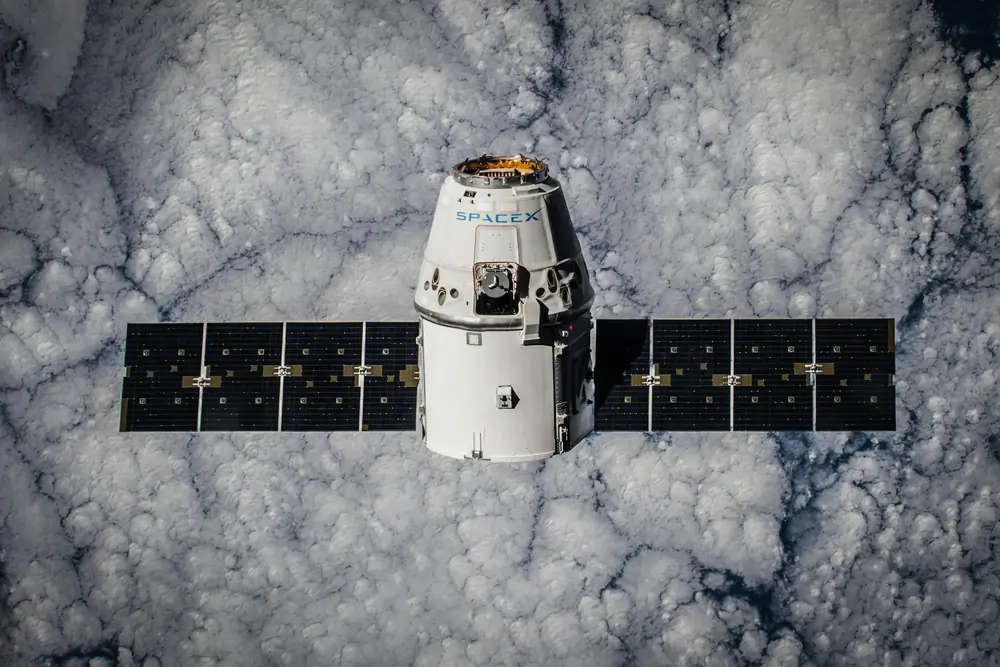
Musk’s fascination with space is nothing new. Since its launch in 2002, SpaceX, his £350billion-valued private aerospace venture, has become a global leader in reusable rocket technology, dramatically reducing the cost of space exploration. His vision for a human settlement on Mars, meanwhile, bolstered by his Starship project—set to blast off in 2026—is rarely out of the press. That’s great but the question should be whether they will have a material benefit in developing solutions to challenges humanity faces today.
On paper, another of his companies, Tesla, would seem to pass this acid test. Musk’s crown jewel in the realm of sustainable technology, the business was founded on the promise of reducing our reliance on fossil fuels, a key contributor to global warming, and ushering in a new era of clean, green energy. But while Tesla has achieved remarkable progress in popularising electric vehicles (EVs) and renewable energy solutions, it has not been without its struggles. Manufacturing delays, supply chain issues and accusations of worker exploitation have plagued the company. Moreover, the shift to EVs is only part of the solution to global emissions. Broader systemic changes—such as advancements in grid storage, clean public transportation and energy efficiency—remain underdeveloped areas that Musk could greatly influence if only his focus weren’t stretched so thin or fixed gazing at the stars.
Then there’s the issue of infrastructure, particularly as it relates to Tesla’s core mission. EVs are only as green as the electricity that powers them. While Tesla has made strides in solar energy through its Solar Roof and Powerwall technologies, the world’s energy grid remains alarmingly unprepared to meet the demands of a global EV transition. A large-scale effort to modernise grids, integrate renewables and expand battery storage capacity could significantly accelerate the decarbonisation of our planet. Yet Musk’s attention appears to be drawn elsewhere—launching satellites into orbit, sending tourists into space, and refining plans for the colonisation of Mars.
While closer to us than Mars, Starlink, Musk’s satellite-based internet service, serves as another prime example of the entrepreneur’s increasingly out-of-reach priorities. The project aims to provide global internet coverage, particularly in remote or underserved regions. Admirable in theory but its execution has drawn criticism from environmentalists and astronomers alike. The thousands of satellites required for the network contribute to space debris, posing a threat to both future space missions and Earth-based astronomical observations. Critics argue that investments in ground-based internet infrastructure or emerging technologies like 5G and fibre optics could achieve similar goals without the same environmental cost.
The disconnect between Musk’s lofty ambitions and our planet’s immediate needs becomes even starker when you consider inequality. The challenges of wealth inequality, food insecurity and access to clean water are pressing and affect billions. Around nine million people, many children, die from hunger and hunger-related diseases each year. Technology has the power to alleviate many of these issues and Musk’s unrivalled ability to mobilise resources, attract talent and drive innovation could be used to righting this terrible wrong. There should always be a moral side to business, and there’s a strong moral argument that someone in Musk’s position should put his astronomical ambition on the backburner until the survival and happiness of his fellow humans has been addressed. Only then could it be said that we are truly ready to move to the next phase: the conquest of space.
Musk’s defenders would argue that his ambitions for space are not merely an escapist fantasy but a necessary step for mankind’s survival. They point to extinction-level risks such as asteroid impacts, nuclear war or ecological collapse as justifications for interplanetary colonisation. Musk himself has argued that becoming a multiplanetary species is insurance against these risks—a ‘Plan B’ for humanity. What this argument fails to address is that Plan A, our stewardship of Earth, remains far from complete. Having insurance for a second home is important, but not at the expense of maintaining the house we currently live in.
Moreover, the notion that Musk’s ventures are mutually exclusive—that he cannot focus on both Earth and space—oversimplifies the situation. The reality is that time and resources are finite, even for someone of Musk’s calibre. The amount of energy and capital required to develop reusable rockets, establish space infrastructure, and eventually colonise Mars is staggering. Redirecting even a portion of these efforts towards Earth-based challenges could yield profound benefits.
It is also worth noting the symbolic weight of Musk’s choices. As one of the world’s most visible and influential figures, he sets a precedent for how technological innovation is perceived and pursued. His fixation on space exploration risks sending the message that our future lies in abandoning Earth rather than fixing it. This narrative could detract from global efforts to combat climate change, restore biodiversity and build sustainable systems of governance and commerce.
The good news is that Musk’s potential to drive meaningful change on Earth is as vast as his ambitions. His track record proves that he is capable of tackling complex problems and delivering transformative solutions. Tesla, SpaceX, and The Boring Company each demonstrate his ability to reimagine industries and inspire new ways of thinking. What remains to be seen is whether he can recalibrate his priorities to address the most urgent challenges of our time.
So, Elon, please come back down to earth. Leverage your expertise in engineering and innovation to revolutionise agriculture, develop scalable carbon capture technologies, or create resilient systems for disaster response. Pioneer advancements in urban planning and mobility that make cities more liveable, equitable and environmentally friendly. And when you’ve done that, turn your attention to the political and social barriers that hinder the widespread adoption of sustainable technologies, using your platform to advocate for systemic change. Remember, vision that isn’t grounded risks becoming detachment, and that what we really need right now is champion for Earth, not a rocketman.
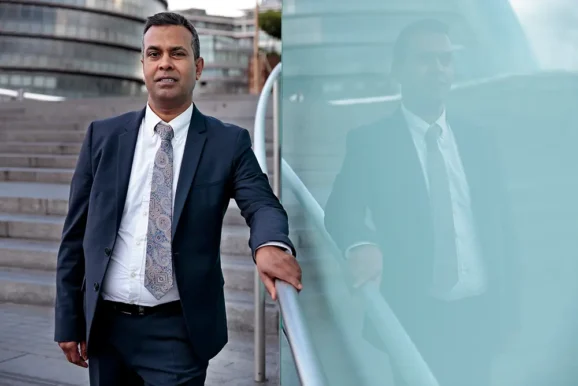
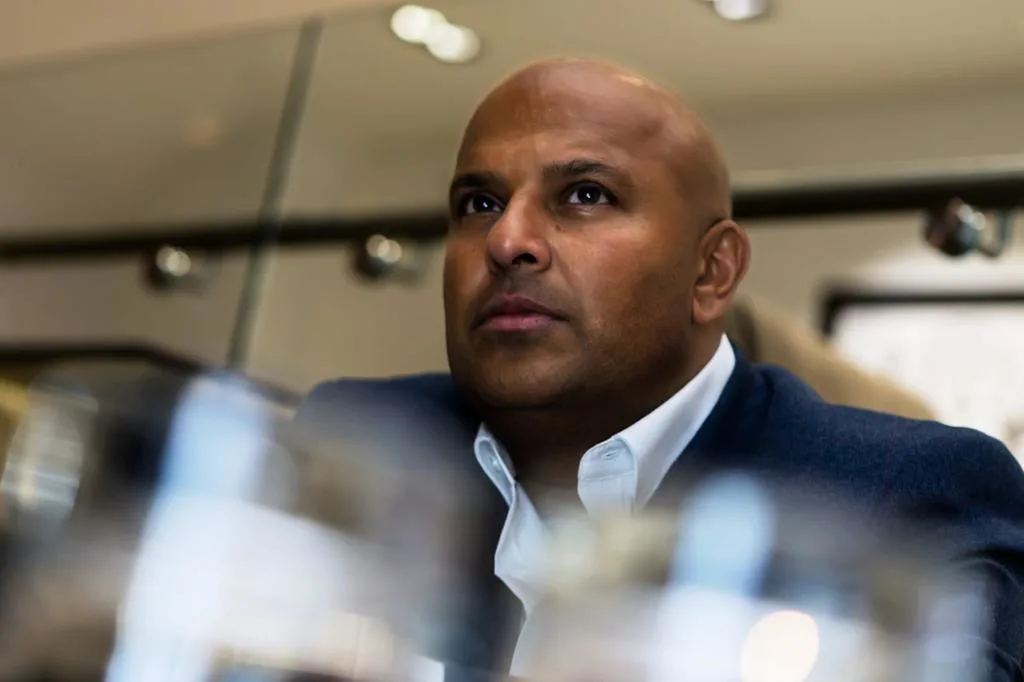
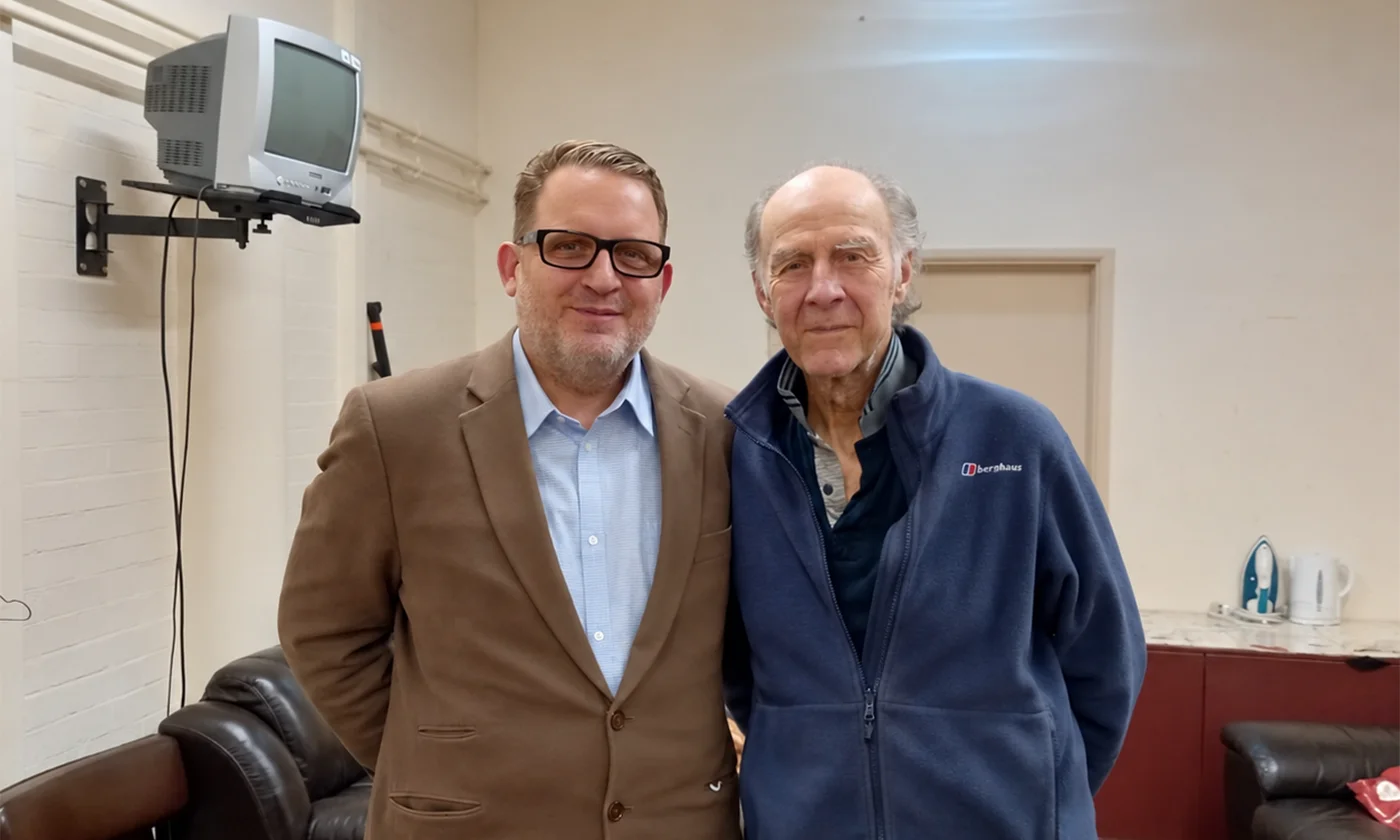
Muhammad ‘Mo’ Farmer, CEO of Appbank (challenger bank), founder and president of the British Institute of Technology, England (BITE), is a global expert in technology, education, and cybersecurity. He has educated thousands of entrepreneurs, advised governments and corporations, and collaborated with tech pioneers including Sir Tim Berners-Lee, inventor of the World Wide Web. He also leads the Global Nuclear Skills Institute in partnership with National Nuclear Laboratory and his contributions to research and investment have driven more than £10billion into the British economy.
Main image: Courtesy SpaceX/Pexels