As a new year begins, Ed Accura challenges one of the most comfortable assumptions we make around water: that someone else is responsible for keeping us alive. Drawing on his work in water safety and inclusion, he argues that survival depends on a shared system of awareness, skills and accountability, with the individual placed firmly at its centre
When we imagine a lifeguard, the image is almost universal: a fit young person in red and yellow, standing vigilant on the shore or by the pool, scanning the horizon for signs of distress. Ideally, this guardian should know our swimming ability, understands the water’s moods that day, and should be ready to act instantly to protect what is most precious to us, our life.
Yet there is something profoundly unbalanced in this picture. The term “lifeguard” implies that the burden of preservation falls entirely on that one individual, while the person whose life is at stake bears no explicit responsibility. It is an arrangement that, upon reflection, borders on the absurd.
It’s time we change that ideology. That old picture of the lifeguard as the lone hero on the beach, as brilliant as they are, really needs reframing. Water safety isn’t about sitting back and waiting for one person in red and yellow to save the day. Instead, let’s think of it as a lifeguard ecosystem, a shift from pinning everything on a single saviour to recognising a whole network of protection that surrounds us in the water. It’s the infrastructure, signs, flags, buoys, professional help when it’s there, friends keeping watch, and, most crucially, our own skill set, knowledge and actions. A trained lifeguard can be a vital part of that ecosystem (and thank goodness for them when they are), but the system shouldn’t fall apart without one. The real strength comes when we all play our part, with ourselves right at the centre, guarding our own lives.
At the heart of this ecosystem lie five essential questions that every individual should ask themselves before engaging with water:
1. Am I clear-headed today, and do I truly know my limits?
This foundational question addresses our physical and mental state. Fatigue, illness, medication, alcohol, or even a recent heavy meal can impair judgment, coordination, and stamina in water. A hangover or dehydration, for instance, might make us overestimate our abilities. Be honest: If you’re not at your best. Knowing our limits also means recognising our swimming proficiency, a strong swimmer can handle more, but no one is invincible.
2. What is the water doing right now, and where is my safe way in and out?
Water conditions change rapidly. Observe for rip currents (strong channels pulling away from shore), undertows, sudden drop-offs, cold temperatures, waves, or debris. Check local warnings, flags, or apps for updates. Identify a clear entry and exit point, avoid areas where outgoing tides or currents could sweep you away from safety. In rivers or lakes, note downstream flows.
3. If everything goes wrong, can I float and save myself?
Self-rescue is often the difference between life and death. Basic skills like floating on our backs – to conserve energy and keep breathing – or treading water allow us to rest, think clearly, and wait for help if it’s coming. Panic drains us quickly, staying calm and floating buys precious time.
If we’re not confident in these skills, we should practise them in a pool or take lessons. Even those who don’t consider themselves swimmers can learn to float effectively.
Research led by the Black Swimming Association (BSA), conducted by the University of Portsmouth and in partnership with the RNLI, was commissioned specifically to challenge the damaging and widespread myth that people of Black heritage have “heavy bones” and are therefore less buoyant than people of white heritage.
This harmful narrative has fuelled a false belief that men, women, and children from these communities either struggle to float or cannot float at all. The study clearly debunks this stereotype, showing that buoyancy is not determined by ethnicity, and that with the right knowledge and practice, everyone can learn to float and safeguard their own life in water.
4. What can I grab right now, and does anyone know exactly where I am?
We should identify nearby flotation aids, such as a life buoy, an inflatable, a bodyboard, or even something improvised. Most importantly, we must always let someone know our plans: where we’re going, when we expect to return, and the route we’ll take. If possible, share our live location via phone. This simple step means that if we’re overdue, help can be alerted and directed to the right place quickly and often making all the difference.
5. If a trained lifeguard is here, do I know how to get help fast?
When lifeguards are on duty, we should all know the standard distress signals: raise one or both arms overhead and wave them vigorously, or shout clearly for assistance. Casual splashing can easily be mistaken for play, so clear, deliberate signals are essential.
We should also familiarise ourselves with local beach flag systems – red for danger, yellow for caution or whistle codes used by lifeguards to communicate risks or instructions.
Think about it, we don’t just jump into a car and hit the accelerator without a moment’s thought. Driving demands respect for the risks involved, and over time, we’ve built simple, instinctive checks into our routine to keep ourselves safe. The same should hold true for water. Just as we apply an unconscious “safety checklist” every time we drive, we can make these five questions second nature before entering any water.
These five questions represent the most personal and most reliable layer of protection, no matter the setting. Even when a lifeguard is on duty, we must never slip into complacency. Their presence is a vital part of the ecosystem, but it does not absolve us of responsibility. We still need to know our own limits, read the water, and be ready to act for ourselves. The true wake-up call comes with the sign reading “No Lifeguard on Duty”. It is far more ominous than it first appears as it does not simply mean an absent watcher but signals the collapse of an entire institutional safety framework. In that moment, the individual must step into the void and become the full system themselves – the observer, the rescuer, the guardian of their own life. Yet, this approach is remarkably adaptable, scaling seamlessly to any context or community. The “lifeguard” role we each play varies according to our skills, physical condition, and the resources available to us, yet the objective remains constant and universal: preventing drowning and preserving life, irrespective of background, ethnicity, or ability.
We don’t always have the choice of engaging with water, as sometimes water comes to us, through flooding and other involuntary means. Moreover, in an era of intensifying climate impacts, we cannot assume the water will always be a choice. Floods, increasingly frequent, bring water uninvited, transforming streets and homes into perilous environments. Here, too, through personal preparedness, the same five questions and basic survival skills, such as floating to conserve energy, becomes critical when emergency services are stretched thin.
By conceiving the lifeguard as a shared ecosystem, we move beyond dependence on external saviours towards a model of empowerment and mutual vigilance. Professional lifeguards remain invaluable, but expanding the circle of responsibility ensures greater protection for all.
So, when you hear me voice the phrase “If you don’t see a lifeguard, don’t get into the water” you know exactly what I mean.
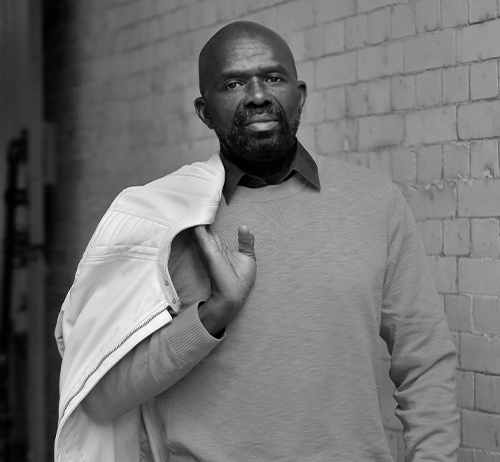
Ed Accura is a British filmmaker, musician and advocate whose work focuses on public safety, community inclusion and cultural change. He is the co-founder of the Black Swimming Association, which promotes diversity in aquatics through education and awareness, and the creator of the Blacks Can’t Swim and Changing the Narrative documentary series. His films, released on platforms including Amazon Prime, Sky, Apple TV and Google Play, have been credited with transforming national conversations around water safety and representation. For The European, he writes on public safety, inclusion and the social impact of culture.
READ MORE: ‘Drowning in silence: why celebrity inaction can cost lives‘. Campaigner and filmmaker Ed Accura says Britain’s water safety crisis is being met with indifference from those who could make the greatest difference. Despite years of appeals, celebrities and their managers have largely ignored calls to support campaigns such as 3S (Stop, See, Swim) and NO Lifeguard — initiatives that could save lives and change a culture of neglect.
Do you have news to share or expertise to contribute? The European welcomes insights from business leaders and sector specialists. Get in touch with our editorial team to find out more.
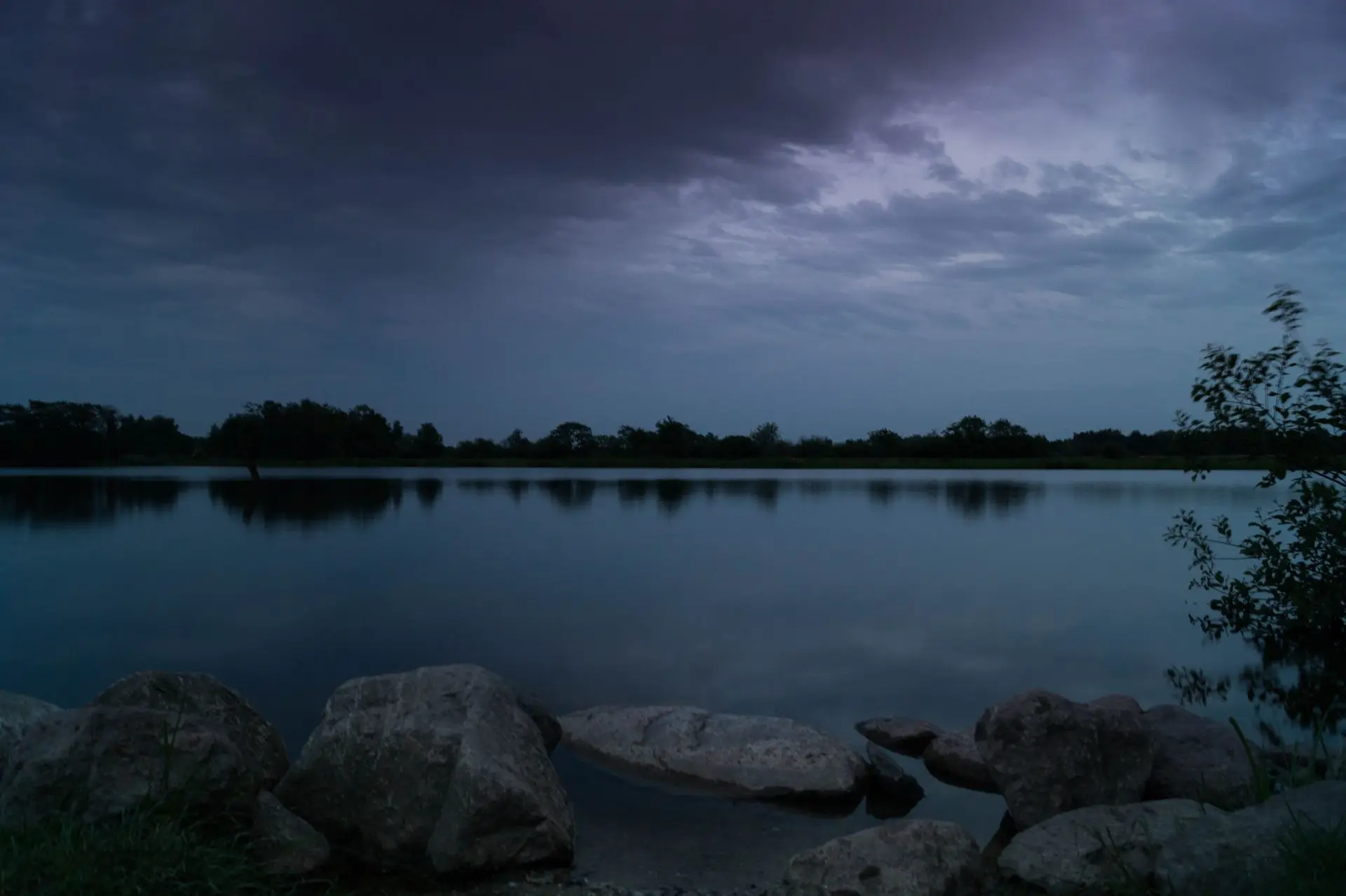
Main image: Thierry GauquelIn/Pexels