We often weigh up quantity versus quality time with our children, but the real answer to a better relationship may lie somewhere else entirely. While big days out and perfectly planned weekends might feel special, it’s the quiet, unscripted minutes that give children the closeness they carry into adulthood, writes Professor Michael Atar
For years I comforted myself with the popular reassurance that good parenting could be concentrated. That even if work swallowed my weekdays and fatigue dulled my evenings, I could make up the difference by planning a weekend away, a zoo trip, a special treat. We have a phrase for it — quality time — as though attention works like perfume: applied sparingly, expensive, memorable enough to cover the rest.
I no longer believe this. The moments my children remember most are rarely the ones I choreographed. They remember the unscripted minutes — the ones I almost forget.
I have begun to think of parenting as something that happens when nothing much is happening. The small, unstaged pockets of time between jobs and bedtimes and meals. The brief, usually rushed, conversations on the stairs before school. The lull in the car when we watch the same traffic and have nothing much to say. The slow walk to the shop where we speak about everything and nothing. Those everyday scenes are rarely remarkable but build a stronger and more meaningful connection than expensive gifts or weekends away ever could.
Quality, I now think, is what grows in the gaps.
We treat childhood like a scrapbook and assume connection is built through highlights. A day at the beach. A surprise holiday. A cabin in February snow. We invest effort and money into moments designed to shine. But children live in time differently to adults. They do not measure love in exceptional events. They absorb it through repetition, through the presence that lingers, unpolished and unprepared.
When a child lives around a parent day to day, they learn the rhythms no highlight can reveal: how we speak when we are rushed, how we calm when frustrated, how we laugh when tired, how we apologise without prompting. None of this arrives during a big day out. Those days are too bright, too directed, too special. I think of it like this: a highlight gives a child a photograph. Unscripted time gives them a relationship.
Unscriptedness also removes performance. There is no expectation to entertain, no pressure to impress, no sense of striving to create a memory. I am simply there and they are simply there. That is where honesty lives. It’s a place where children feel permitted to speak freely and with abandon, drifting into conversation when they feel safe enough to do so. True connection is rarely squeezed into a calendar slot but happens because there is no agenda.
When I think back to my own childhood, the moments that return to me are tiny. Standing beside my father while he fixed a hinge. Shelling peas at the table. Sitting in the car long after we had parked because neither of us wanted to carry the shopping inside. Nothing monumental. Nothing I would have marked as quality time. Yet those fragments shaped me more than any expensive holiday.
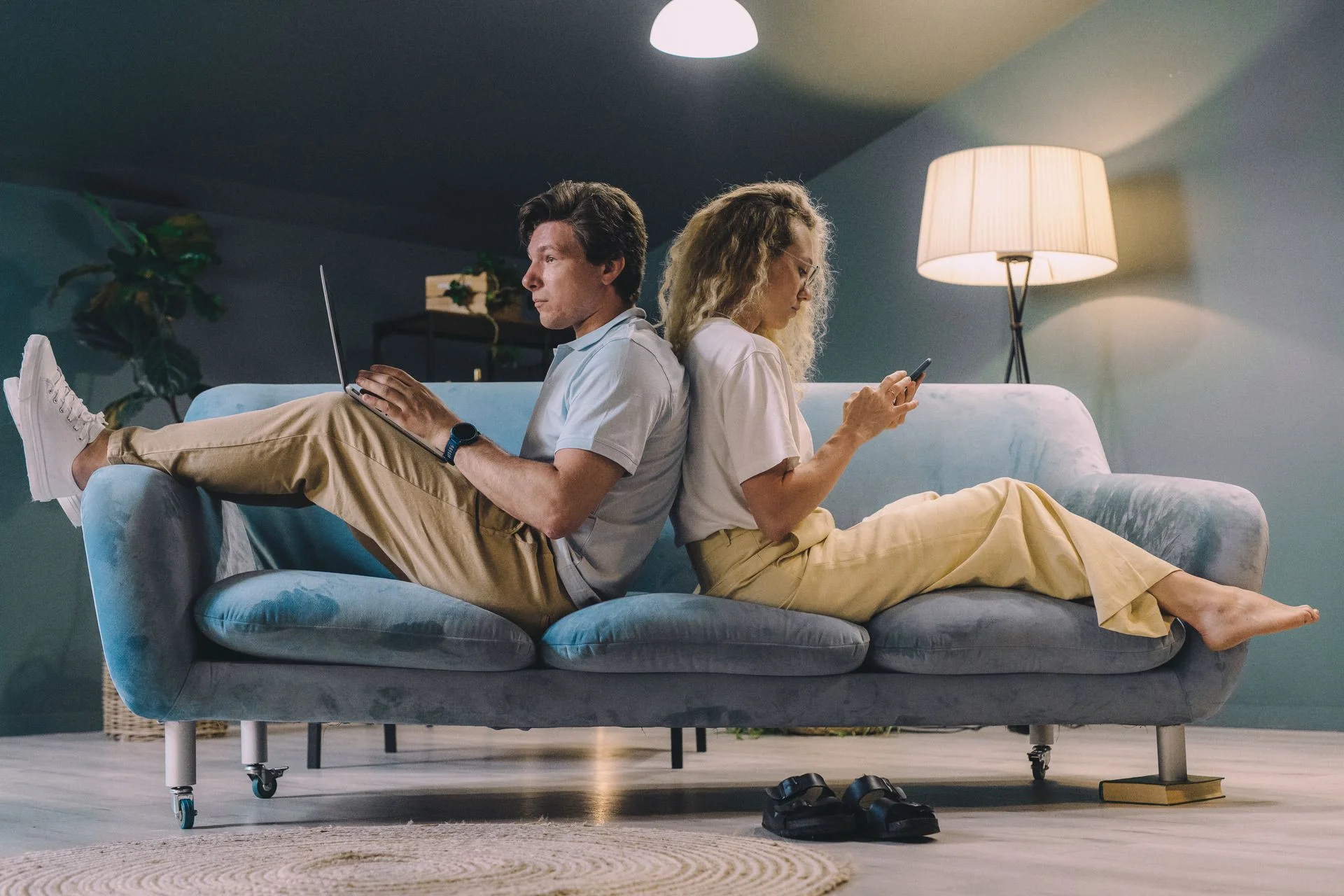
I see now that children watch us closest when we aren’t trying. When we are cross about dinner, when we laugh at something unfunny, when we lose keys, when we sit quietly in the evening reading separate books. A child studies the ordinary and learns the shape of love through it. A scripted outing never reveals that because a highlight has no substance. An unscripted minute, on the other hand, has meaning and value.
People often ask how they can build a better relationship with their children, and I think the answer lies in loosening our grip on structure. You do not need themed weekends or organised activities. You only need to be reachable. Unscripted time appears when we stop trying to manufacture memories and simply make space for them.
If your priority is work, money, growth, and business, that is a valid choice and you should not feel guilty for it. Providing for a family is a form of love, and ambition is not the enemy of good parenting. But if what you want is a closer relationship, something deeper and emotionally fluent, then presence must be part of your daily life. Connection demands frequency.
There are several, gentle ways to start:
– leave five unscheduled minutes at bedtime
– walk instead of drive when time allows
– let them join you in whatever task you are doing
– keep the door open so they can wander in, ask, comment, and simply exist beside you
– sit near them while they play, without steering or directing
– do not only listen to what they say but give them enough time that you truly hear them
None of this needs planning, money, or expertise. You can cook while they talk. You can fold laundry while they tell you something small. You can read while they build a tower on the carpet or scroll through their Instagram feed. What matters is not the activity — it is that you are available.
Unscripted minutes stack quietly into hours, hours become familiarity, and familiarity in turn grows into memory.
So I hold to one idea now: real parenting happens when nothing is happening — if that is what you choose.
Years from now, my children are likely to forget the gifts, the weekends away, and the “perfect” overseas holidays. What I hope remains is the feeling of a house where they could find me. The sound of movement upstairs. The knowledge that I was near. That is the legacy of unscripted minutes — ordinary, constant, and simply enough.
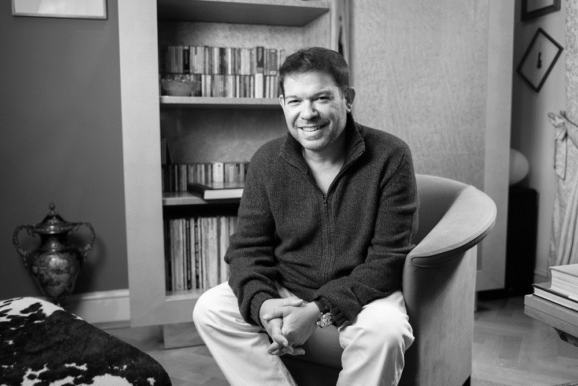
Professor Michael Atar is a psychoanalytic psychotherapist with a background in medicine and over 25 years’ experience as a paediatric dentist. A father to a large family, he works with parents, carers, families, and children of all ages, offering a warm, collaborative and non-judgemental space. His work includes support for postnatal depression, PTSD, and developmental concerns such as feeding, sleep, and bonding difficulties. He also supports individuals and couples before, during and after pregnancy. Professor Atar is a member of UKCP, BACP, and GPsyC.
READ MORE: ‘Why your home is the best place to teach children leadership’. When C-suite parents introduce sound business principles into the family home with care and intention, their children can learn the secrets of success and grow into confident, capable adults, writes Professor Michael Atar.
Do you have news to share or expertise to contribute? The European welcomes insights from business leaders and sector specialists. Get in touch with our editorial team to find out more.
Main image: RDNE Stock Project/Pexels