In turbulent waters, trust is democracy’s anchor

Lindsay de Sausmarez
- Published
- Opinion & Analysis
The bonds that underpin democracy are weakening under the strain of populism, polarisation and mistrust. Here, Deputy Lindsay de Sausmarez, Guernsey’s Chief Minister, argues that rebuilding trust and cooperation is now the defining challenge for political leadership
On a recent crossing of the Channel to visit the nuclear facilities on the Normandy coast, I could not help but reflect on the metaphors around me. The sea was unsettled, a storm gathered on the horizon, yet occasional shafts of brilliant sunlight broke through the cloud.
It looked and felt like an image of politics today, with brief moments of hope among waves of uncertainty.
The global outlook has tested even the most steadfast optimists, myself among them. Environmental tipping points edge closer, carrying the risk of irreversible damage. Technological advances promise extraordinary breakthroughs, yet their pace outruns the safeguards needed to keep them safe. Economic uncertainty deepens, while geopolitical tensions harden into hybrid warfare and, all too often, into open and brutal conflict.
What troubles me most is the slow weakening of the bonds that hold communities together — the steady unravelling of our social fabric that has long underpinned trust in our institutions.
I was reminded of this when listening to a sociologist explain why humankind had flourished where other species had not. Our advantage was never intelligence alone, she explained, but the ability to communicate and cooperate with one another. It is ironic that the very gift which enabled our evolutionary success — our capacity for communication — has produced tools like social media that now corrode it.
Social media connects us in unprecedented ways, many of which can be positive, yet the algorithms that drive it thrive on outrage and sensationalism. The result is sharper political rhetoric, deepening polarisation and a fertile breeding ground for populism and autocracy.
Populists, adept at pressing the right buttons to capture attention, are gaining ground at both extremes of the political spectrum, leaving the centre more fractured and fragile. Democracies weakened by such internal strife are easy prey for those who would see them diminished, which is not only a godsend to autocratic regimes but, as we are beginning to understand, an intentional strategy.
But if anyone can defend against this kind of deterioration, it’s small, close-knit communities like ours in Guernsey. Island life gives us a stronger sense of identity and belonging and, while far from perfect, we remain a relatively trusting society – one still grounded in real-world conversations and interactions.
People often apologise when they stop me in the street or the supermarket to ask about government, but I never see it as an imposition. In fact, I believe it is our collective superpower. The ease with which people can speak directly to their representatives strengthens the bond between community and government, and that accessibility serves as a safeguard against the kind of dehumanising tribalism and polarisation that has become so depressingly common elsewhere.
Ultimately, we all face a choice. We can embrace the kind of aggressive political rhetoric where confrontational disagreement dominates, or we can adopt a more collaborative approach. In its recent election, Guernsey appears to have chosen the latter. After several fractious years when the political atmosphere was often deeply unpleasant, voters supported many candidates committed to building consensus. It is still early days, and the challenges remain immense, but I am hopeful this change in tone can be sustained so that less energy is wasted on division and more invested in delivery.
Guernsey is small, with a population no greater than a large town in the United Kingdom, yet we are also a self-governing jurisdiction carrying the full responsibilities of government and economic management. Our size cannot be an excuse for passivity.
Representing Guernsey at a recent UK party conference brought this home to me. As a sustainable finance centre, we channel capital into infrastructure and the global energy transition. We are home to international healthcare businesses. We offer practical examples of policies that work and can be adapted elsewhere. Increasingly, we act in partnership with Jersey as Channel Islanders, which is how many outside our Bailiwicks already perceive us. Together we maintain a shared Brussels office to represent our interests in the EU and a joint bureau in Caen focused on regional matters. We work closely too with our fellow Crown Dependency, the Isle of Man. Cooperation is both our tradition and our strategy, and it serves us well.
The seas ahead for politics will likely remain unsettled, but our ability to navigate them still rests on the same quality that has always defined us as human beings: the capacity to communicate, to cooperate, and to hold fast to trust. If we can sustain that, then even in stormy waters like these there will always be light on the horizon.
Further information
Produced in partnership with Guernsey’s government. To find out more, visit www.gov.gg
Read More: ‘Move to Guernsey: The Channel’s island gem‘. With rising taxes and economic uncertainty in the UK, more individuals and businesses are exploring relocation options. While offshore hubs like Dubai might dominate the conversation, more people than ever are looking closer to home—to the Channel Islands. Guernsey, in particular, offers financial stability, an excellent quality of life, and easy access to the UK
Do you have news to share or expertise to contribute? The European welcomes insights from business leaders and sector specialists. Get in touch with our editorial team to find out more.
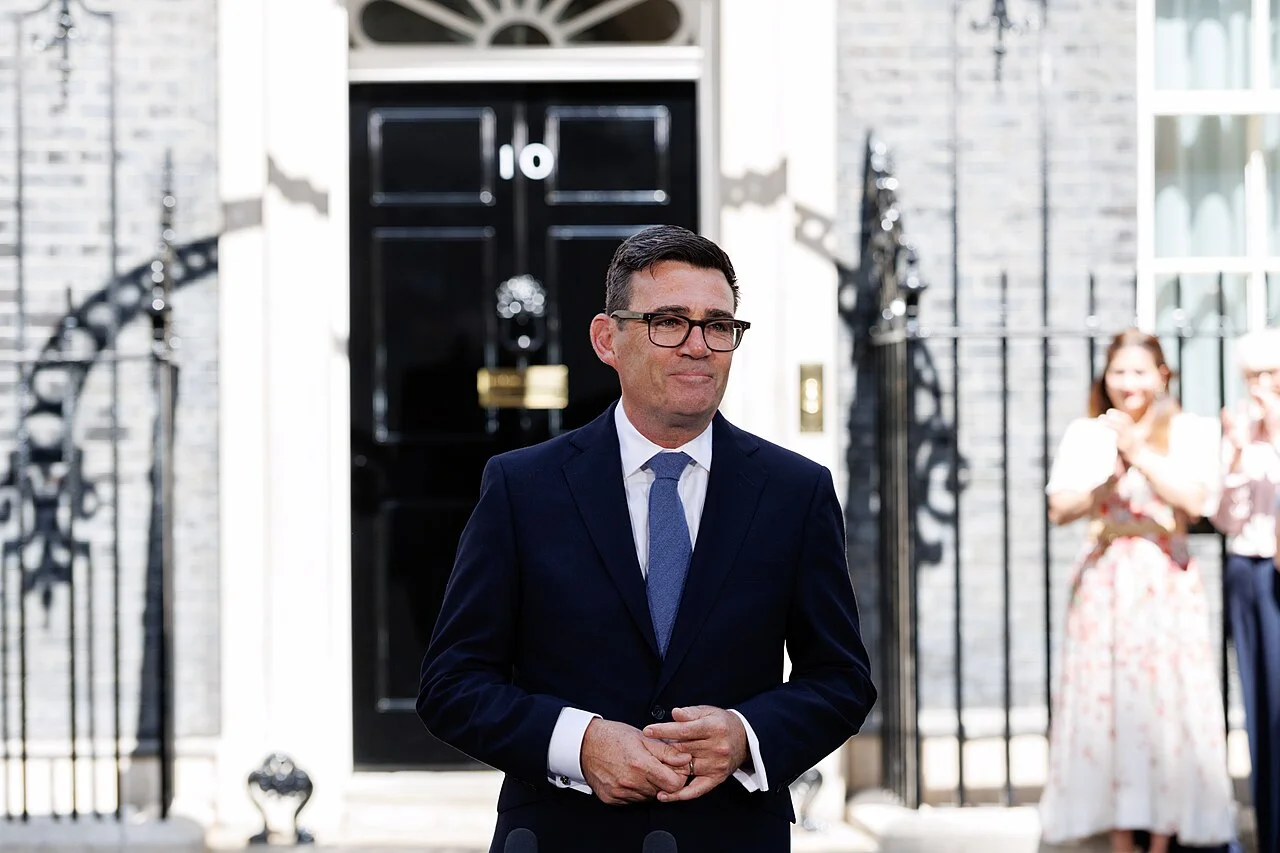
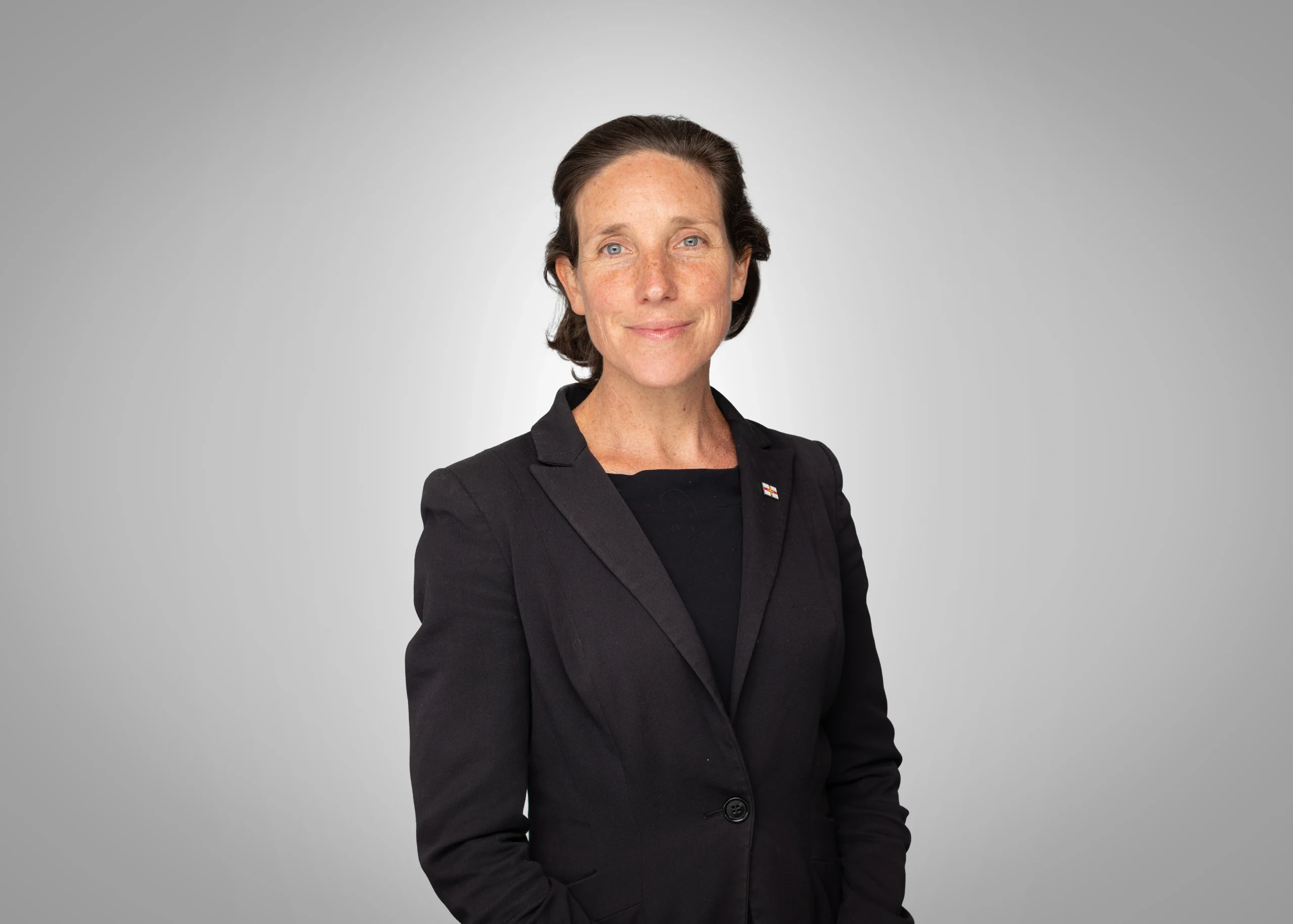
Main Image: Deputy Lindsay de Sausmarez
TOP STORIES
-
 Gamers face gridlock as latest Grand Theft Auto download 'nears two days'
 -
Samsung profits soar ninefold to record £61bn amid AI chip boom
-
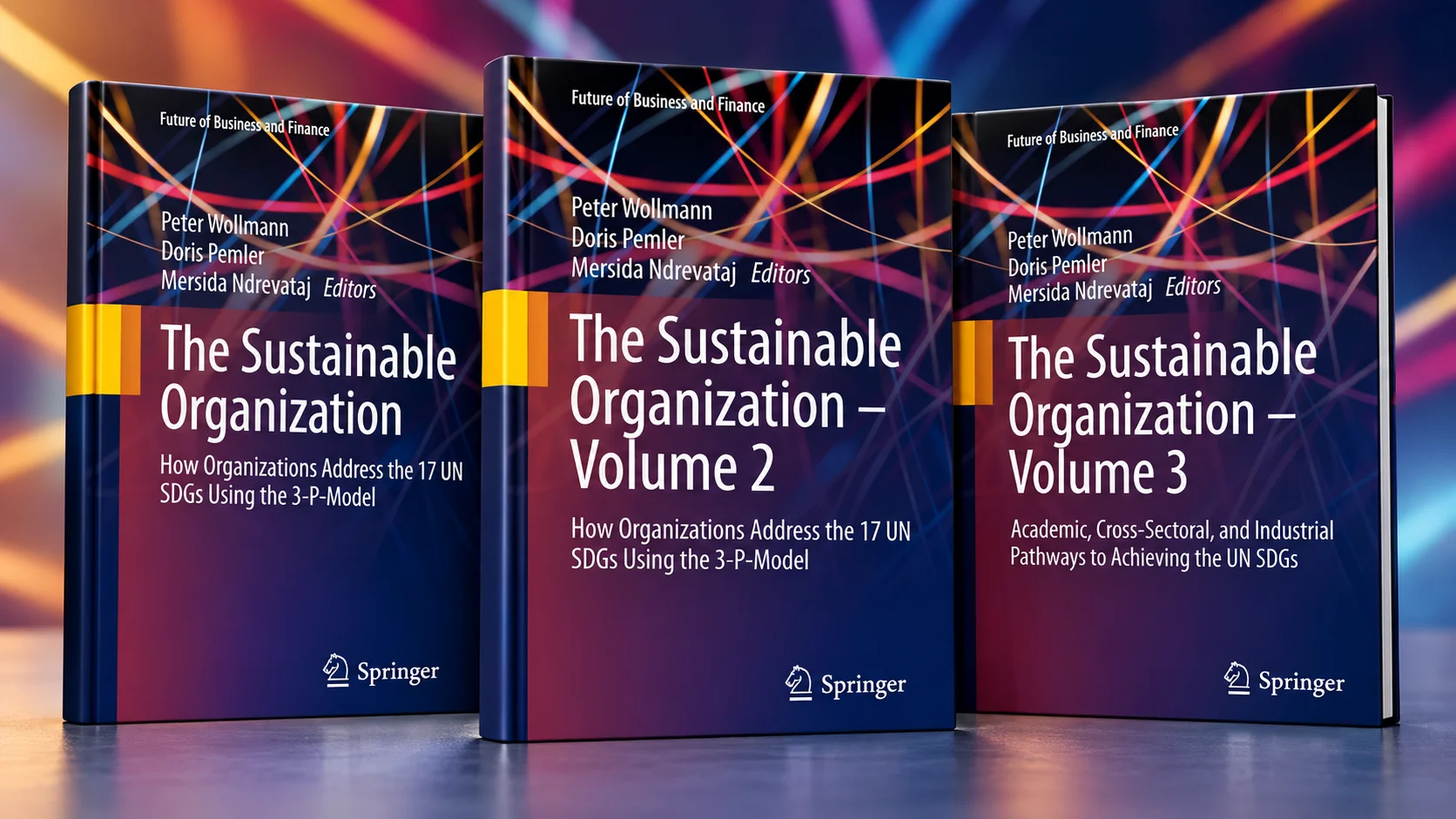
New Springer books put the UN’s struggling sustainability goals to the real-world test
-
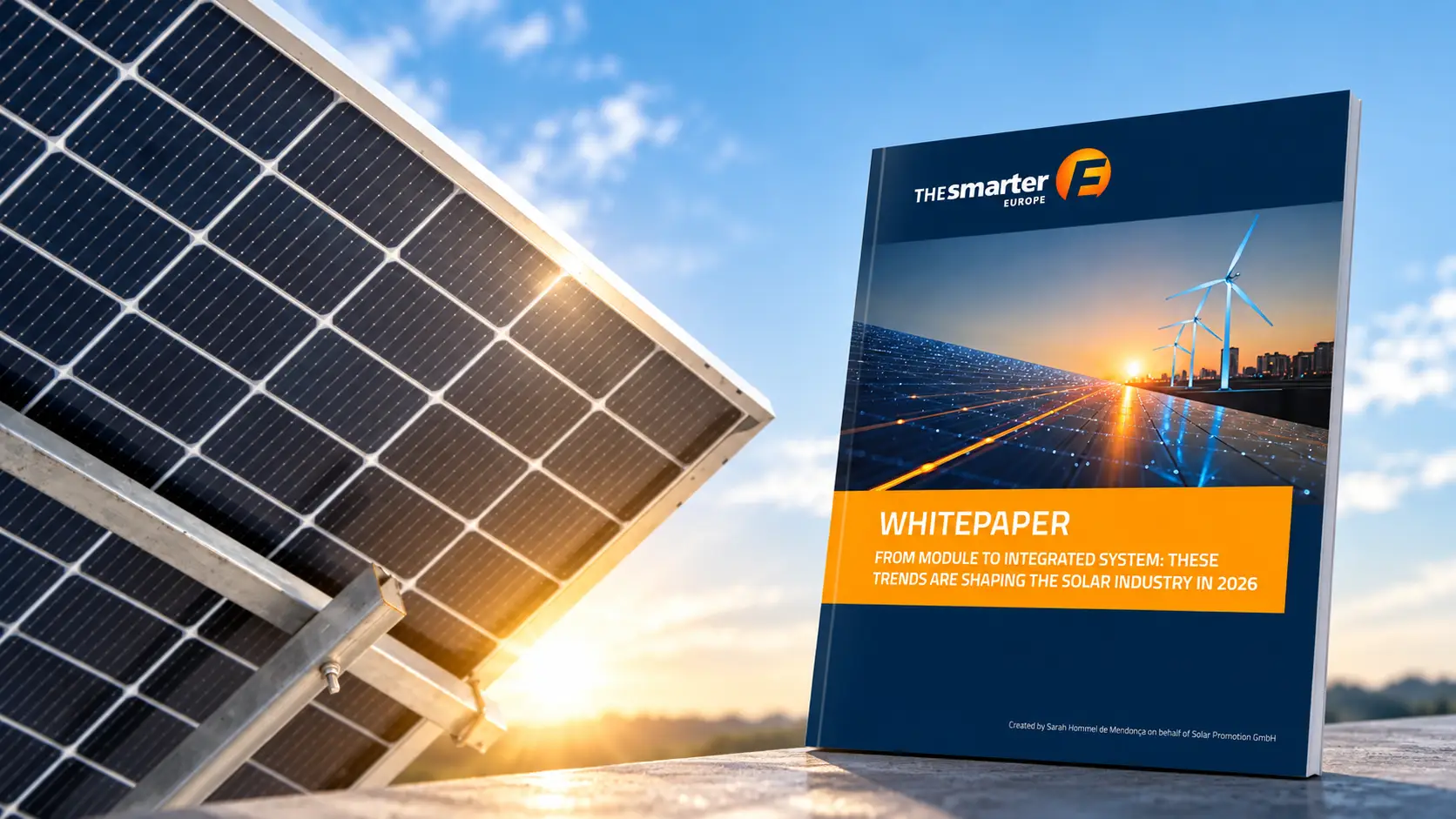
Europe’s solar boom set for two-year slowdown after record growth
-
Let it pea. Musicians turn vegetables into instruments at Beatles' Abbey Road studios
-
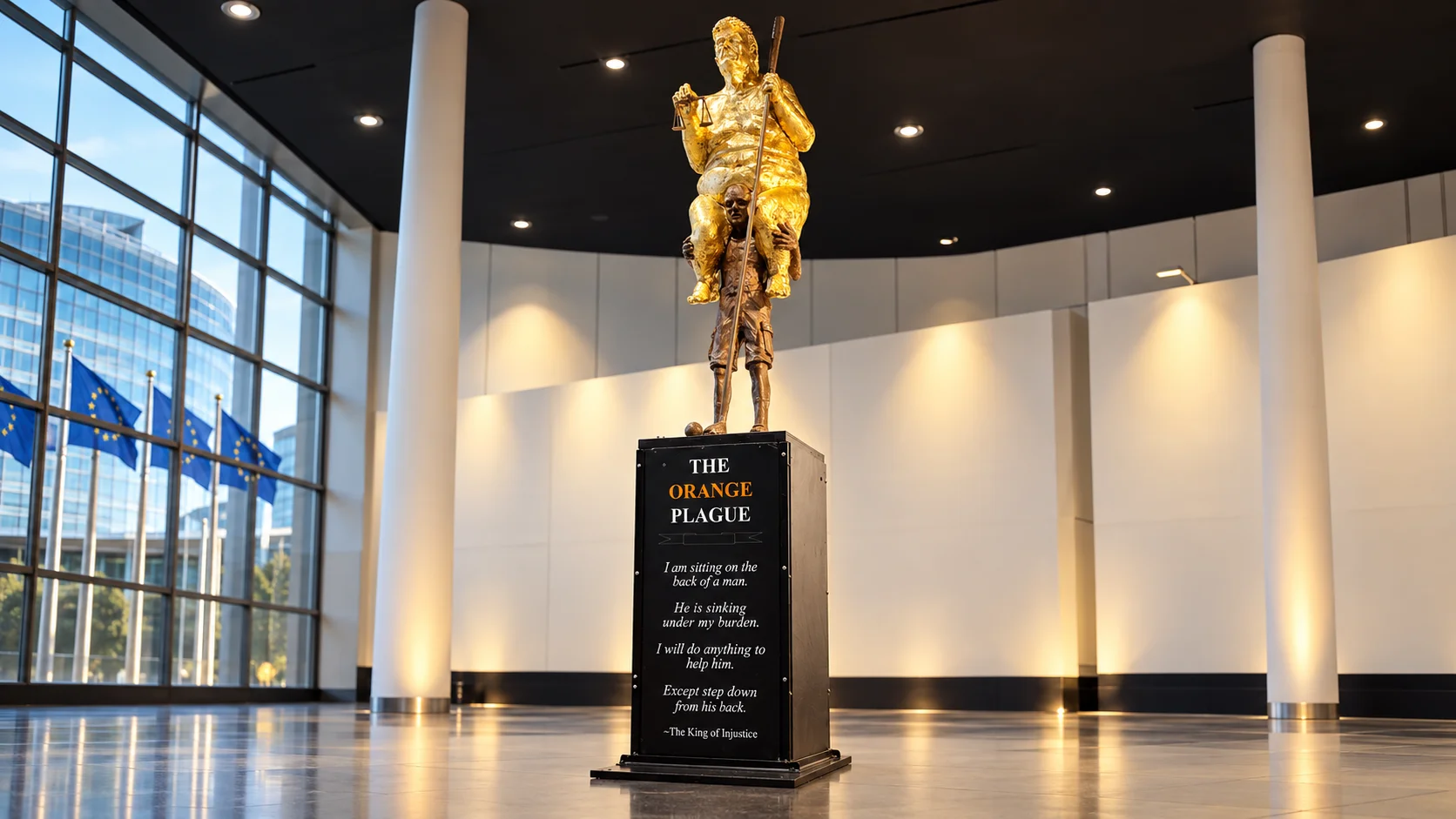
Golden naked Trump statue unveiled at European Parliament
-
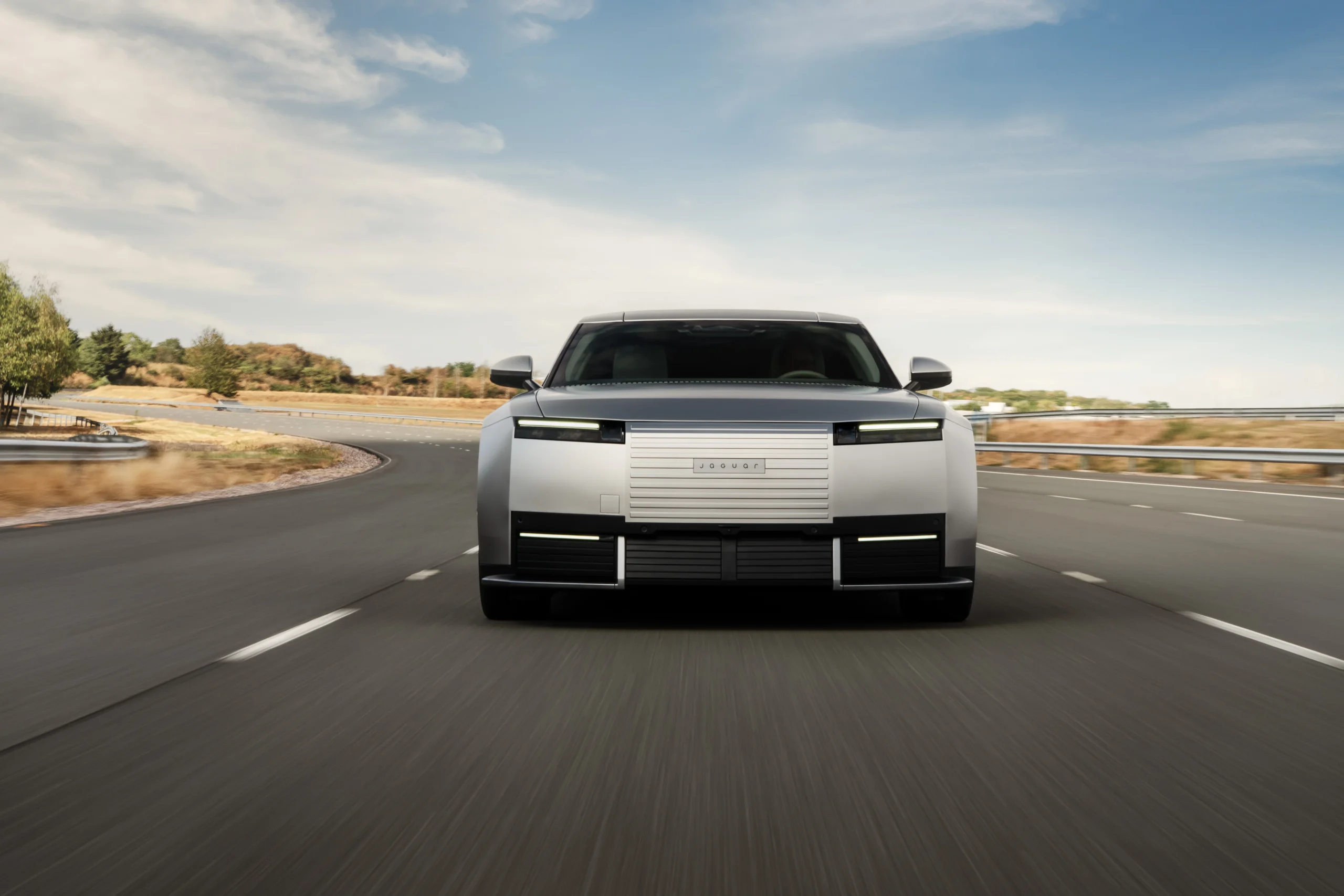
Jaguar puts controversial rebrand on the road with £130K 1,030PS Type 01
-
Deepfakes and identity fraud drive new wave of post-hire background checks
-
Spain crowned Europe’s top retirement destination
-
More than half of UK professionals report workplace burnout
-
More than 1.2m English drivers may have eyesight too poor for the road, study finds
-
David Reuben, Britain’s second richest person, leaves London for Monaco
-
UK prisoner release plan faces a major lag as tougher rules risk sending inmates back to jail
-
Brits trust AI with their health but not their money
-
Britain still hungry for Italian food as exports hit €4.56bn despite Brexit
-
Women who earn more than their partners still pay the price at work, landmark study finds
-
Vape expectations go up in smoke as new UK tax sparks fury
-
Robot sales rocket 24% as 250,000 machines snap up jobs in warehouses, hotels and hospitals
-
New-build homeowners should not be left with ‘mud and a fence’, campaigners warn
-
Bank of England governor warns AI poses growing ‘increasingly significant’ threat to financial stability
-
UK economy grows faster than first thought as household incomes bounce back
-
UK unveils ‘Great British Grid’ in bid to cut energy bills
-
British Chambers unite against 'Made in Europe' rules amid fears for UK industry
-
Bouncy castle firms urged to sign new safety pledge following child deaths
-
Remembering Matthew Jukes, The European’s Wine & Fine Drinks Correspondent







In turbulent waters, trust is democracy’s anchor
Lindsay de Sausmarez
- Published
- Opinion & Analysis
TOP STORIES
-
Rethink AI governance or risk an uncontrolled intelligence explosion
-
Young people are living through a rights crisis
-
Strong leaders know when to make a U-turn
-
Life’s last expedition should not be made alone
-
If the NHS can’t be a place of psychological safety for staff, where can?
-
Under fire, Iran’s carpet weavers fight to keep an ancient art alive
-
How COVID silenced my music and taught me to listen to my body
-
Marisa Papen – the naked truth behind one of the world's most controversial models
-
The blame game – why Britain can't stand losing
-
As hospitals shut out fresh air, common sense goes out the window
-
The law must catch up with the sexual exploitation risks posed by wearable cameras
-
Who governs 900 billion AI agents?
-
Why disabled musicians are still struggling to get a fair hearing from record labels
-
The five types of masculinity and what they reveal about modern men
-
Who let the bots out? The disturbing truth behind rogue AI
-
Palm oil steals a march on rivals ahead of new EU food safety rules
-
Who pays the price when men withdraw from society?
-
Smart glasses and AI are opening a new route to sexual exploitation
-
Europe risks losing its cleantech stars to the US
-
Lost in translation: can Europe's publishing industry sustain its linguistic diversity?
-
No, Elon, AI won't make money obsolete
-
Brussels’ sustainability rollback has exposed a crisis of corporate belief
-
AI regulation has a knowledge problem
-
Why men are increasingly withdrawing from society
-
Chris Packham launches campaign to rid Britain of ‘frankenchicken’