Creative talent is pushing back against outdated industry models that demand full control of their intellectual property. Here, veteran game developer Aleksey Savchenko sets out why Europe’s independent, collaborative creative sector is well placed to lead a new era — one where creators retain ownership, build across formats, and grow value on their own terms
For decades, the creative industries have followed the same pattern. You come up with a great idea — a book, a computer game, a film, a song — and to bring it to life, you give it away. The publisher or studio takes the rights, reshapes the vision, and collects the lion’s share of the rewards.
In return, you get distribution, exposure, a fee or royalties, and a long list of limitations on what you can do with your own work.
But that model is now breaking down. A quiet revolution is underway concerning ownership of original ideas: the characters, worlds, stories, and designs that then evolve into products the public buy.
From indie game developers and comic artists to filmmakers and musicians, more creators are now deciding to hold on to their intellectual property (IP) rather than sign it away. They are choosing to bring it to market themselves, on their own terms and with an eye to building it out across multiple formats.
Creators are crafting entire ecosystems from a single idea — stories that span books, board games, films, and soundtracks — without surrendering lifelong control. This is what’s known as ‘transmedia’ storytelling, a single creative universe shared and explored in many different ways. For example, a book can easily expand into a comic, a game, a soundtrack, or any other number of commercial products.
And it’s all shaped and steered by its originators rather than a corporate boardroom. That’s not to say that creators necessarily go it alone. For true transmedia content, that would be virtually impossible. Collaboration is more vital than ever, and these ventures are increasingly being led by small, close-knit collectives and co-ops who share the vision, the workload and the outcome. They don’t hand everything over to a boardroom. They build story-worlds as a combined creative adventure, keeping control of the IP together and working only with those who respect the source.
So why now?
The cracks in the traditional system have been visible for a while. Consumers are tired of getting recycled ideas and lifeless reboots from studios and publishers. Creators, meanwhile, are fed up with watching their best work be diluted, delayed or shelved. Opaque corporate decision chains, bloated catalogues and aggressive ‘360°’ contracts have left many projects stuck in limbo. Add in global recessions, mass layoffs and a new generation of commercially fluent artists, and the appetite for change is clear.
At the same time, technology has lowered the barriers. You no longer need a film studio, record label or publishing house to get your work seen. You just need a good idea, a modest team, and platforms that let you go direct.
We’re already seeing this in action. Indie computer game Expedition 33, developed by a small French team of just 33 people, has outperformed many big studio titles. Better still, it’s original and ambitious. Other acclaimed indie games, like Wu Kong, Atomfall, and S.T.A.L.K.E.R. 2, also show what happens when creators put local culture and personal vision ahead of corporate templates. Audiences respond positively. Fed up with formula, they want artist-led work with voice and soul.
Elsewhere, the shift is happening behind the scenes. Game studios like Kojima Productions have reclaimed control over their own IPs, breaking free from restrictive publishing contracts. In music, Hipgnosis Media is turning the traditional label model on its head, managing catalogues in service of artists rather than corporations.
Even in Hollywood, where power usually flows top-down, the system is now bending to creators. Black Panther filmmaker Ryan Coogler ensured from the start that his deal with Warner Bros for his latest film, supernatural horror Sinners, was structured so he retained creative and financial control. He had the final say over the script, casting, direction and overall vision, as well as a significant stake in profits, global distribution terms, and the rights to any future spin-offs or adaptations.
So this is already happening at the heart of the global entertainment industry, and if handled correctly, the UK and Europe can soon come to lead the IP revolution.
Unlike in the US, our creative industries aren’t built around massive centralised power structures. We don’t have a Hollywood or a Silicon Valley. What we have is something different: a patchwork of small and mid-sized studios, independent publishers, solo creators and informal collectives who already know how to collaborate across mediums. While our lack of centralisation was once seen as a weakness, now it’s a competitive superpower. We’re already operating in the way the global industry is marching.
What’s more, our working culture fits this brave new world. British and European creators don’t idolise moguls. We don’t tend to chase billion-dollar exits or empire-building. What we’re good at, and increasingly valued for, is putting creativity first, sharing ownership, and experimenting without fear of failure. We regroup over a pint or a cup of tea, and we launch the next experiment.
I’m betting my own career on this shift. My IP — the Cyberside universe — began as novels and comics. Now it’s becoming a board game. Video games, music, and screen projects are in development. Each piece connects to the next. Revenues will flow back to the friends and collaborators who helped make it happen. Because the journey is richer, and the outcomes stronger, when shared. I’d rather celebrate creative adventures in good company than count cold gold alone.
That doesn’t mean publishers or platforms have no role. But the best of them will evolve from gatekeepers into service bureaus, offering marketing support and distribution muscle without demanding permanent control.
So if you’re a storyteller, designer, musician or filmmaker, here’s the takeaway: Don’t give away your IP unless it’s a conscious trade, and one that serves your long-term creative life. Build your ideas, grow them, and collaborate but always stay in the room where the decisions are made.
And if you’re an investor, a publisher or a supporter, look for these projects. Back the teams who want to own what they build rather than sell it off.
The old industry won’t vanish overnight, of course, but the future doesn’t belong to the ones who have held the keys but those who built the doors.
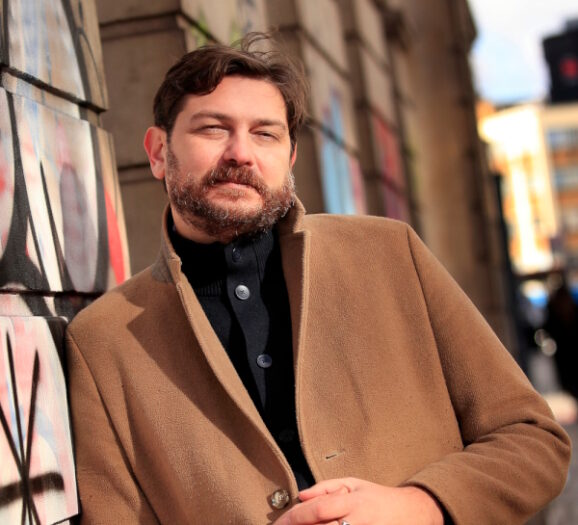
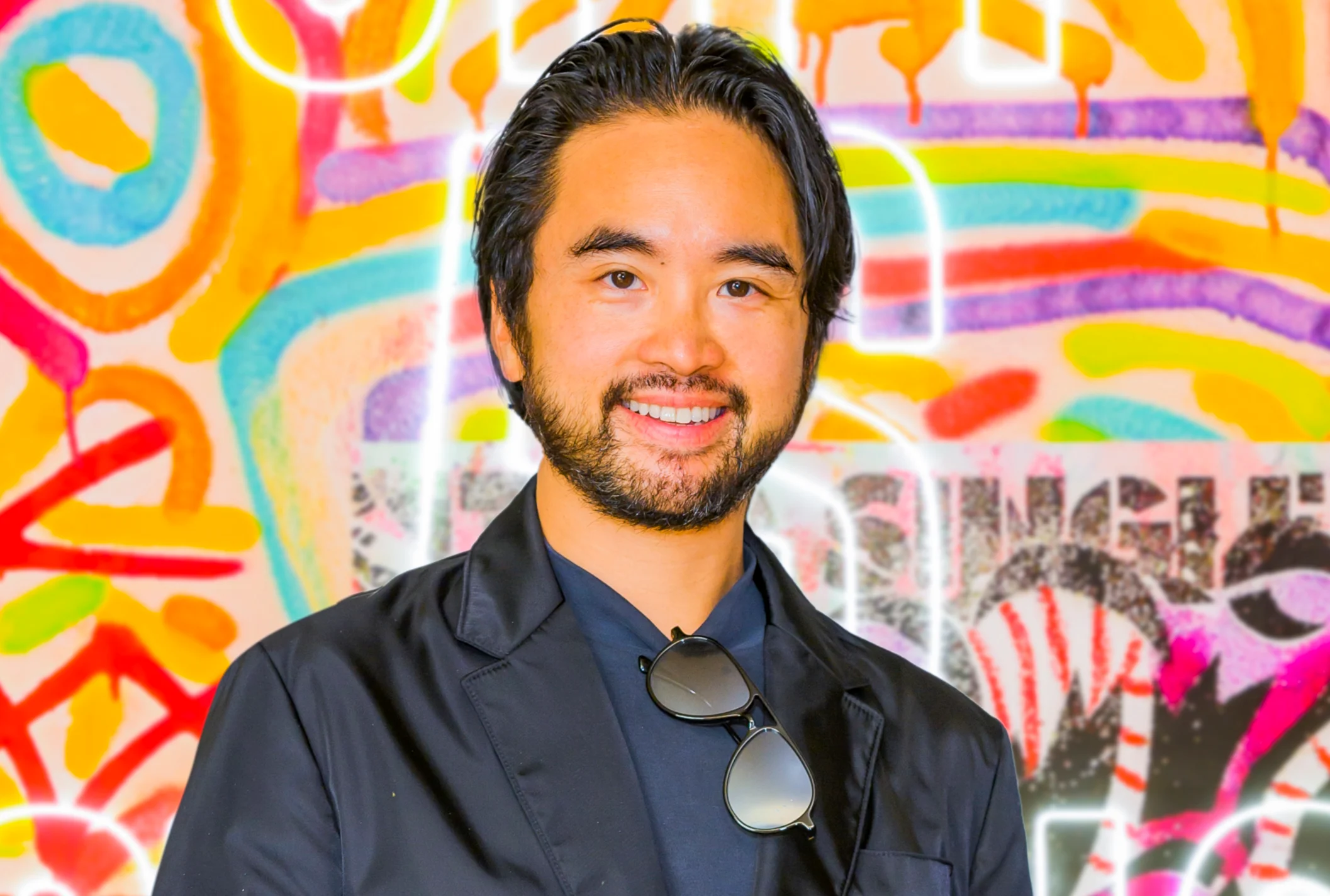
Aleksey Savchenko is a veteran game developer, futurist, author, and BAFTA member with nearly three decades’ expertise in the tech and entertainment industries. Currently the Director of RnD, Technology and External Resources at GSC Game World, he has worked on the studio’s acclaimed S.T.A.L.K.E.R. 2. He has also worked for Epic Games, known for Fortnite and its technical achievements in middleware technologies worldwide, playing an instrumental role in establishing an Unreal Engine with Eastern European developers. He is the author of Game as Business and the Cyberside series of cyberpunk graphic novels.
Main image: RDNE Stock Project/Pexels