With Prosecco losing its sparkle, Cava no longer the bargain it once was and Champagne painfully pricey, Matthew Jukes says Britain’s best sparkling wines are ready for their sunshine moment
Here’s a question: what glass do you reach for when someone opens a bottle of sparkling wine?
A coupe looks the part, of course. It has glamour, history and a certain louche, party-season charm. It also gives you plenty of surface area for those first few aromatic moments. The problem is that the bubbles disappear far too quickly, and the balance of this top-heavy glass in the hand is often too wobbly.
A flute, meanwhile, has tradition on its side. It looks celebratory, keeps the bubbles in a tidy stream and has become the default choice for birthdays, weddings and hotel bars everywhere. But the narrow bowl traps the wine instead of releasing it, gives you no room to swirl, stifles the perfume and leaves you drinking from a glass that is, quite frankly, too small.
The right answer is a white wine glass. It has the proportions sparkling wine actually needs: enough height to preserve the bubbles, enough width to let the aromatics open, and a gently rounded bowl that allows a slow swirl without flattening the wine. And if you don’t believe me, look at how Champagne is served in the best restaurants – the white wine glass has become the new standard.
Now that you have the correct weapon in hand, what will you be pouring into it as the mercury rises this summer?
I think most consumers have long since tired of Italian Prosecco; it is often too sweet, too bubble-bathy and not nearly gastronomic enough.
Cava seems to have had its moment as a fashionable choice. Made using the Traditional Champagne Method, this Spanish sparkling wine has always been a clear step up from Prosecco. The problem is price. It was once highly competitive – I have often said the big brands offered some of the best value on Earth – but price creep has pushed many bottles close to the £20 mark, which seems ludicrous.
Crémant has sneakily sidled into our hearts, not least because this is a French phenomenon, and it again uses the Traditional Method of secondary fermentation in the bottle to bring a degree of class to proceedings. Certainly, the French in France love this style for parties and large gatherings, with Alsace, the Loire, Bordeaux and Burgundy all bringing their own flavours to the fore. Drinkers outside France would be well advised to follow suit, as the best still sit under £15, and tend to have more finesse than other similarly priced world styles.
Naturally, Champagne sits atop the pile. But you might need a defibrillator on hand if you have not seen the prices of your favourite Grandes Marques of late. And don’t get me started on the prestige cuvées. I am not going to single out individual bottles or producers, because that would be unfair. But when so many familiar Champagnes now cost so much, it does raise a second question: how often do you drink Champagne these days?
I would wager that it is less often than ever, and rarely out and about, because the damage to your credit card is so painful.
Given the state of Prosecco, the price creep of Cava and the cost of Champagne, this English wine writer has a patriotic solution.
I am sure you saw this coming a couple of sentences ago, but English wine is the answer. Serious interest in home-grown bottles was seemingly kicked into life by the twin pillars of the late Queen Elizabeth II’s Diamond Jubilee and the London Olympics in 2012.
Since then, sparkling styles, and indeed carefully chosen still wines, have leapt up the quality ladder year after year.
The International Wine Challenge 2026 awarded Trophies across still white, Blanc de Blancs, Blanc de Noirs, non-vintage, vintage rosé, and classic blend categories. Is any other country in the world improving its wine quality as quickly as Great Britain?
Warmer weather, ideal soils, fascinating microclimates, and wizard-level viticulture and winemaking have fast-tracked Britain’s wine cosmos to unprecedented levels of élan. So here are some bottles you should do everything you can to track down. This is not intended to be a roll call of every Tom, Dick and Harry now making wine in Britain. I have kept it personal and practical, focusing only on bottles I know well, genuinely rate, and would happily serve to friends and family at home.
Starting with sparkling whites, Red Johnson’s pair of Albion English Fizz starts at £20 for the white and £25 for the rosé. No one ever thought English fizz of this quality could be made at this price, but Red, son of English wine-writing royalty Hugh Johnson, has proved us all wrong.
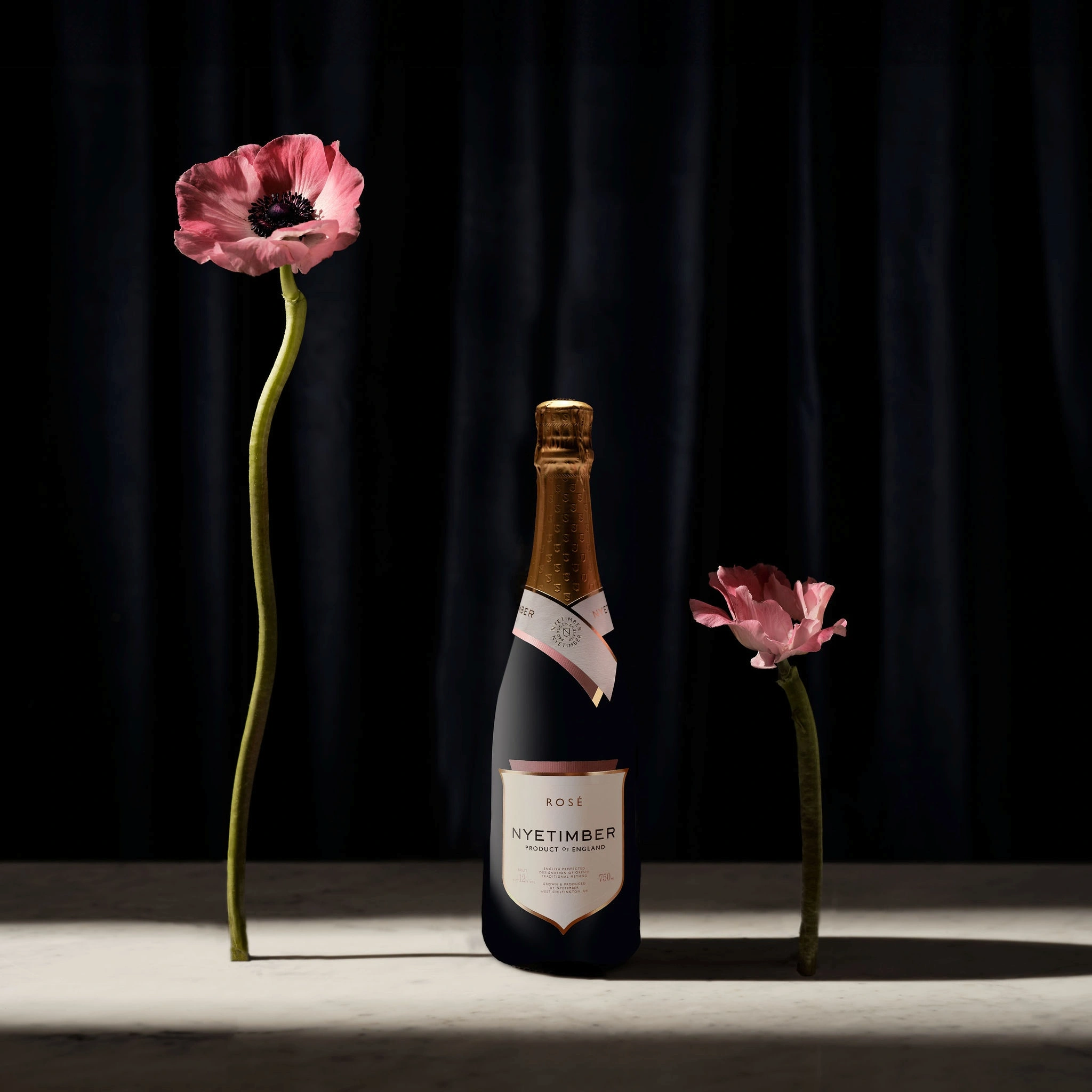
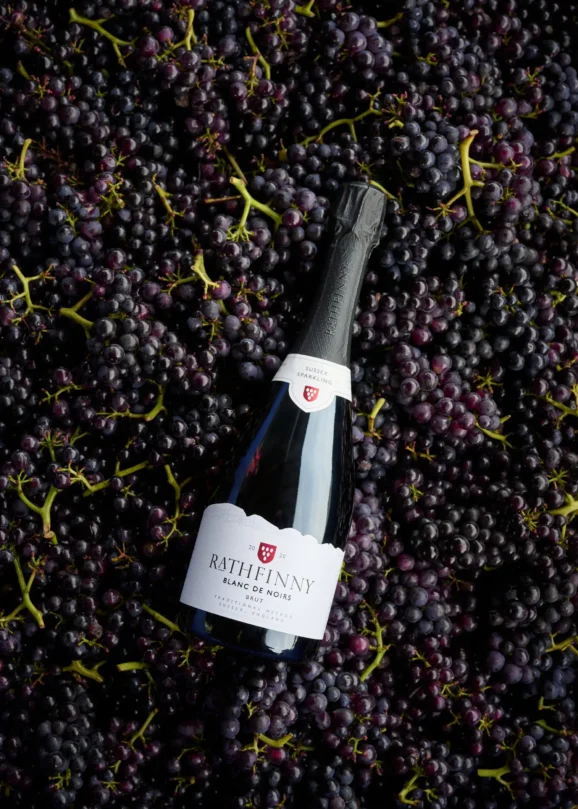
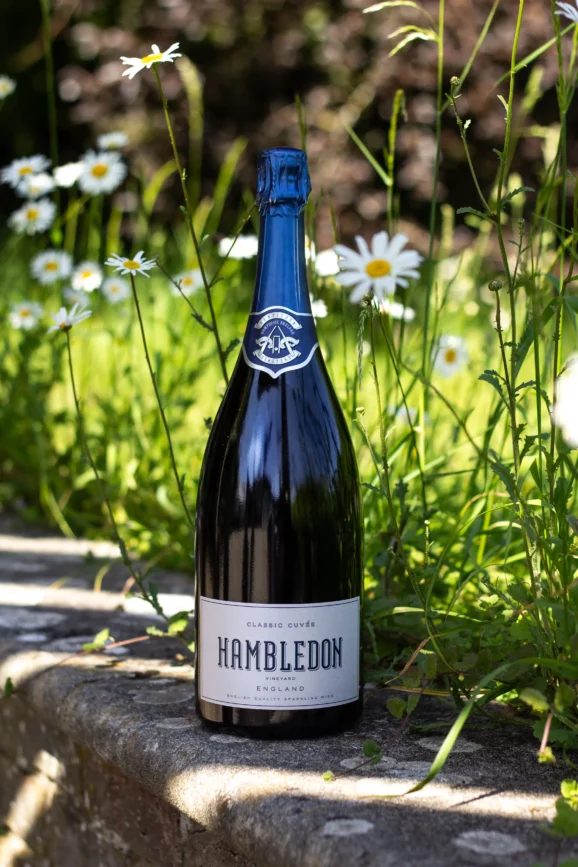
In the epic value and grand flavour camp, look no further than this stellar roll call of astonishingly impressive producers: Black Chalk, Camel Valley, Greyfriars, Harrow & Hope, Langham, Oxney Organic Estate, Roebuck and Simpsons, to name but a few. If you are happy to spend a little more, while still staying below the all-important £50 barrier, look to beauties from Breaky Bottom, Coates & Seely, Domaine Evremond, Exton Park, Gusbourne, Hambledon, Hattingley Valley, Nyetimber, Rathfinny, Saffron Grange, Sugrue South Downs, Weyborne and Wiston.
And that is not all. Sink your teeth into some beautiful Blanc de Blancs from Albury Estate, Chapel Down Kits Coty, Exton Park and Nyetimber, or indulge in the hedonistic indulgence of Blanc de Noirs from Exton Park, The Grange, Harrow & Hope, Langham, Rathfinny and Roebuck.
Top rosés can be found at Artelium, Exton Park, Harrow & Hope, Langham, Sugrue South Downs and Wiston, and there is even an emerging ‘crazy stuff ’ category (for the very brave and deeppocketed) with wines such as Exton Park’s Blanc de Noirs 60 Above & 60 Below, Gusbourne’s Oak Reserve and 51 Degrees North, Langham’s Perpetual and Nyetimber’s Tillington.
I am sure I have missed a few out, but this collection ought to keep you busy. And when you have made some serious inroads into this mountain of deliciousness, I would be interested to learn which styles of sparkling wine you revert to.
I know the results of my own ‘experiments’, or rather my 24/7, four-decade life in the wine world. In all honesty, I drink an ever-decreasing pool of epic Champagnes, including nerve-tingling beauties from Billecart-Salmon’s entire portfolio, Bollinger’s RD, Charles Heidsieck’s vintage creations, Henri Guiraud’s MV and Argonne cuvées, Taittinger’s Comtes de Champagne, Paul Déthune’s bargains and odd bottles of Jansz Tasmania for parties or school fundraisers.
While the top-quality sparkling wine world appears to be getting smaller, as climate change upsets the planet’s balance and the perfect spots for making elite sparkling wines are disappearing fast, English fizz is soaring. Once a hobby for retired colonels and gung-ho landowners, Britain is now, in the blink of an eye, a vital sparkling wine hub.
Who’d have thought it? Christopher Merret, that’s who, on 17 December 1662 when he presented a paper entitled ‘Some Observations concerning the Ordering of Wines’ to the newly formed Royal Society.

Matthew Jukes is one of the United Kingdom’s most widely read wine writers, with more than thirty-five years’ experience across retail, buying, broadcasting and journalism. A former buyer for Bibendum Restaurant & Oyster Bar and long-standing columnist for the Daily Mail’s Weekend Magazine and MoneyWeek, he has published fourteen books and multiple annual reports, including his Burgundy, Bordeaux, Piemonte and 100 Best Australian Wines reports.
READ MORE: ‘Whispering Angel at 20: the rosé that ruled them all‘. Two decades after Whispering Angel first rewrote the rules of pink wine, Matthew Jukes raises a toast to the bottle that transformed a seasonal curiosity into a global powerhouse, and sets out where serious rosé lovers should look next.
Do you have news to share or expertise to contribute? The European welcomes insights from business leaders and sector specialists. Get in touch with our editorial team to find out more.