Returning to the definitive city of hygge, Deb Lyon rediscovers Denmark’s capital and finds even more reasons to come back, from colourful Nyhavn and royal palaces to unforgettable waterfront walks and great food
Copenhagen is a city that has worked its magic on me ever since I acquired through marriage a gorgeous half-Danish stepdaughter 13 years ago. I’ve visited the city many times, for everything from high school graduations to christenings, weddings and funerals.
And so it was, we flew out again recently to celebrate her thirtieth birthday with Danish family and friends, this time taking my own father, who hasn’t visited before. I loved seeing the city through his eyes, exploring afresh as if I were once more a new arrival experiencing Copenhagen for the first time.
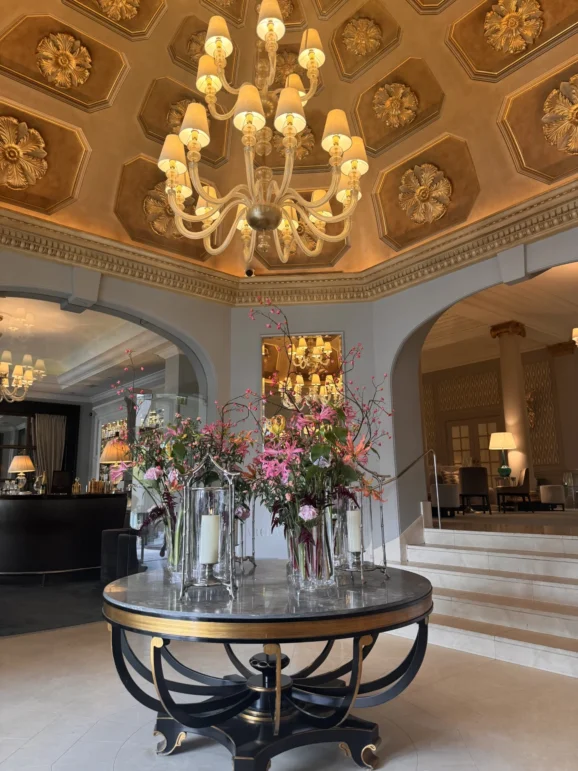
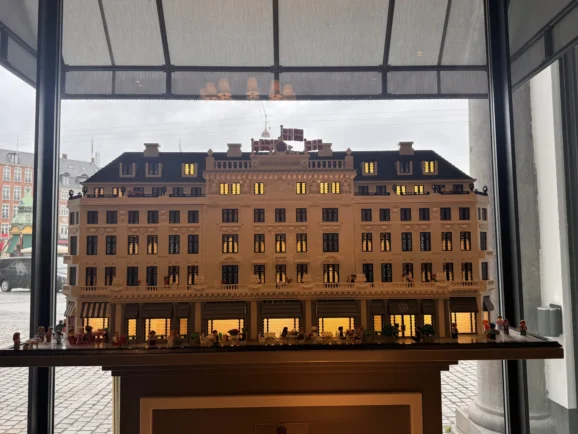
We stayed at the Hotel D’Angleterre, in the heart of the city on the famous Kongens Nytorv square. One of the world’s oldest luxury hotels, it’s graced by a LEGO replica model in the foyer, a favourite spot for guest photos.
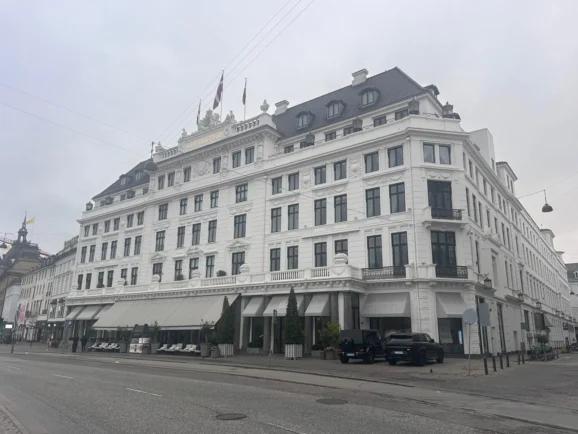
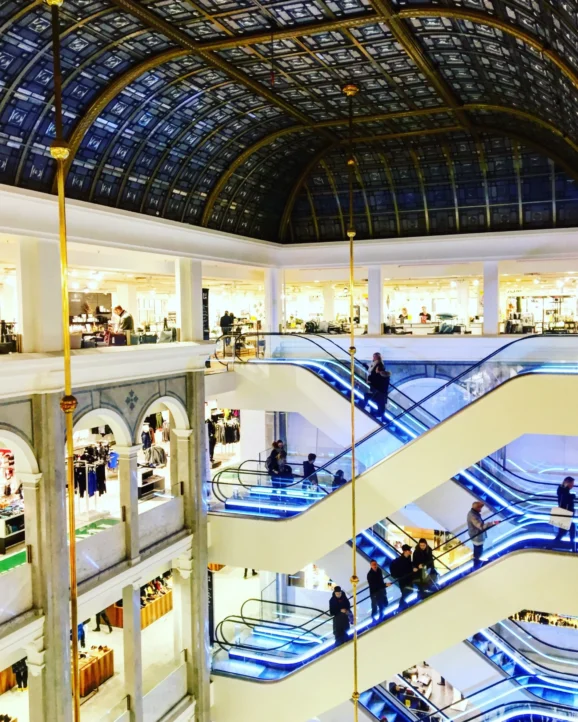
Copenhagen is a perfect walking city and a great place to start is in Kongens Nytorv, where you’ll find the Royal Danish Theatre, Magasin du Nord and the Royal Danish Academy of Fine Arts.
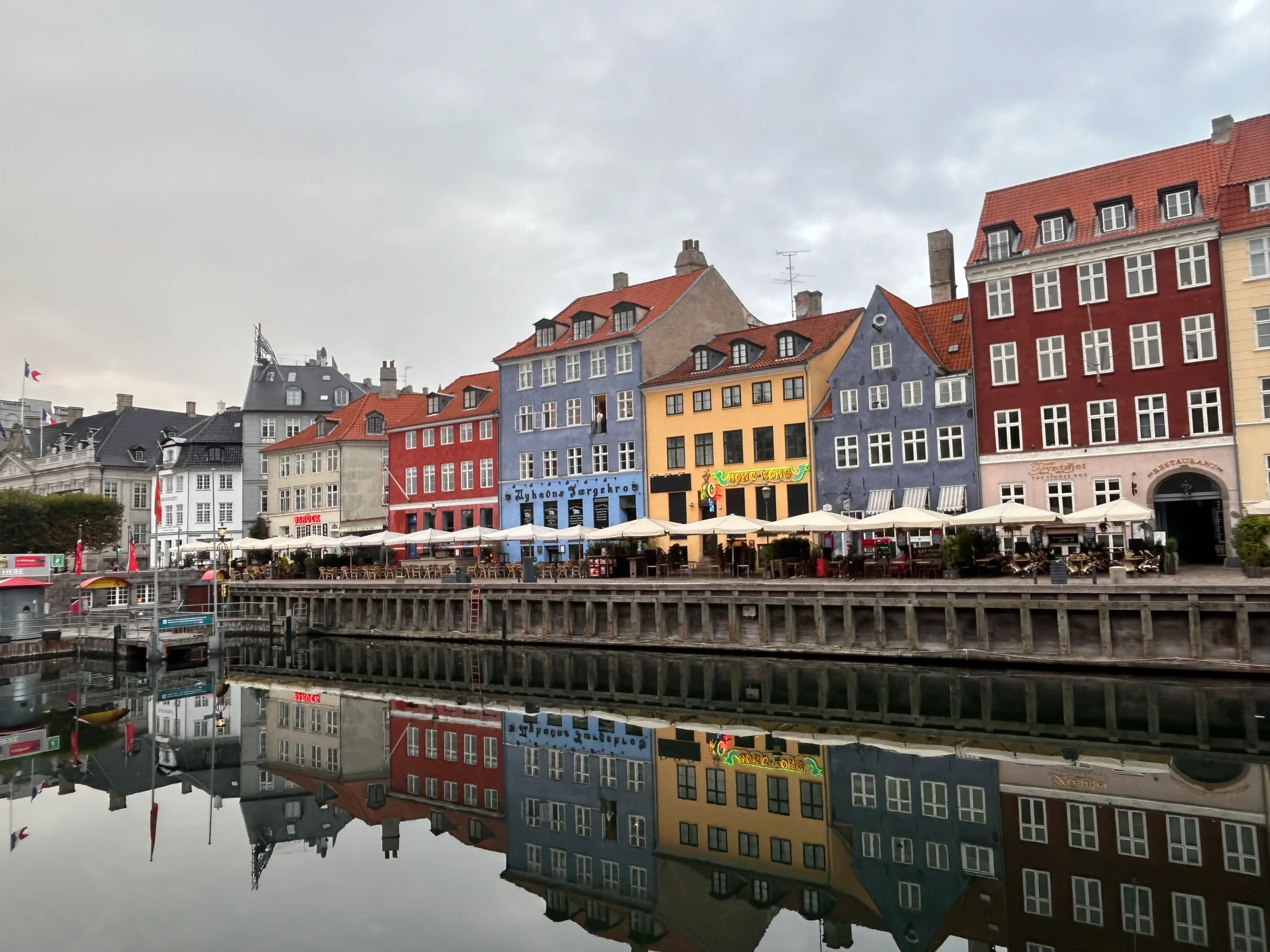
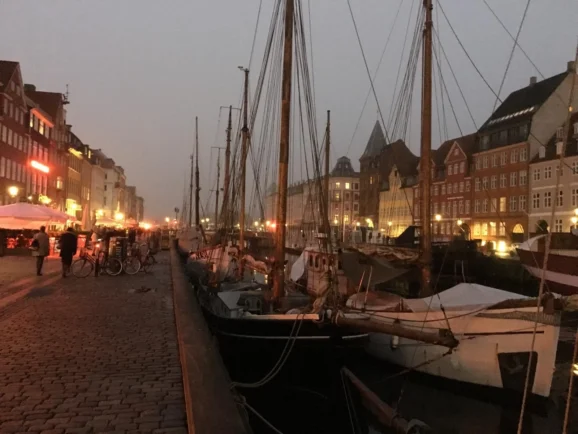
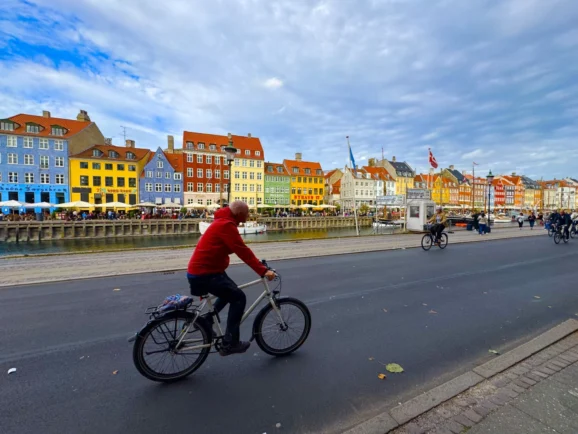
The iconic seventeenth-century waterfront of Nyhavn then stretches down from the square to the Inner Harbour. Once a bustling port frequented by sailors and ladies of the night, it’s now world-famous for its colourful townhouses and shopfronts, wooden boats and buzzing cafes. And it’s a photographer’s dream.
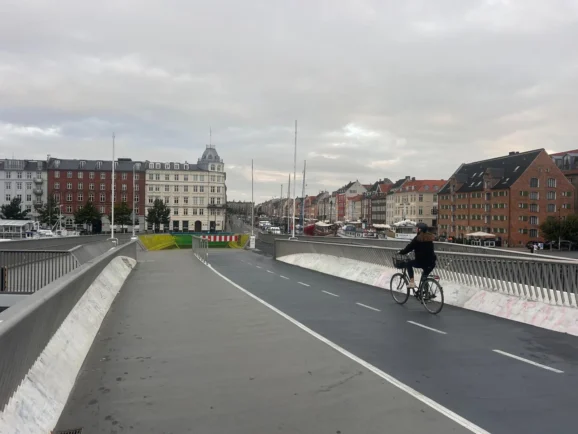
After you’ve sated your inner David Bailey, stroll down Nyhavn to the waterfront to take in some of Copenhagen’s stunning modern architecture, including the Opera House with its jutting, cantilevered copper roof. The Inderhavnsbroen is especially worth a look, a modern pedestrian and cycle bridge joining Nyhavn and Christianshavn, known as the ‘kissing bridge’ because its two sections slide together to let boats through. It’s always heartening to see the Danish enthusiasm for cycling remains unabated as locals young and old scoot around the city in any weather on bikes of all shapes and sizes.
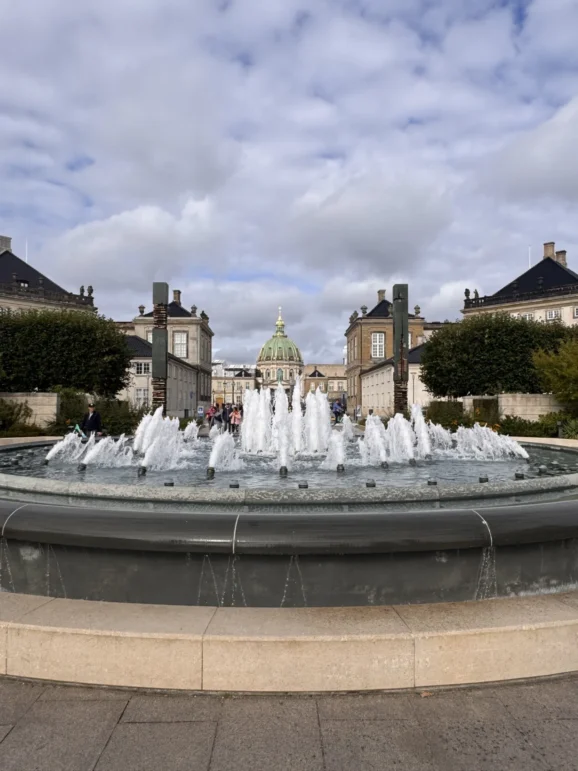
A short stroll along the waterfront soon brings you to Amalienborg Palace, where the Danish royal family reside when in the city. At noon daily you can watch the changing of the guard when the Royal Guard, famous for their bearskin hats, march from their barracks to Amalienborg.
Next, head to Frederik’s Church, known popularly as the Marble Church. This baroque-style church adorned with frescoes was inspired by St Peter’s in Rome. We couldn’t go in when we visited as a wedding was about to take place, but it was almost more enjoyable to stand outside and experience excited guests arriving in their best outfits for such a special day.
From there, the historic houses of Nyboder at Sankt Pauls Gade are only a stone’s throw away. Built in the seventeenth century to accommodate the Danish Royal Navy and their families, their ochre-yellow colour is so famous that ‘Nyboder yellow’ is now a generic term for this exact shade in Danish.
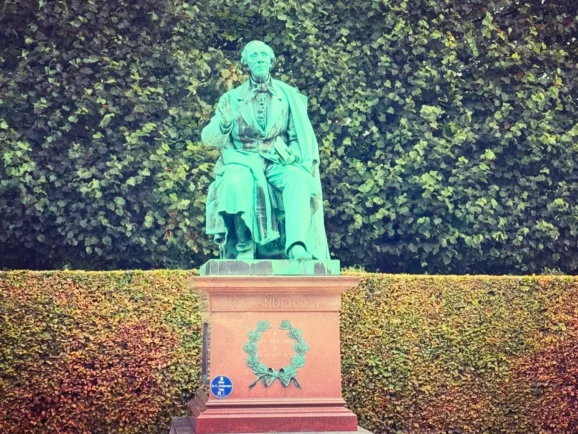
The King’s Garden should be your next stop, the oldest park in Copenhagen and a favourite with locals and tourists alike. Created in 1606 by King Christian IV, it is a pleasure garden of tree-lined avenues, lawns, roses, water features and sculptures. Stop to pay homage at the statue of Copenhagen’s most famous son, author Hans Christian Andersen, who sits in the middle of these horticultural glories.
From there head to the Round Tower, begun in 1637 as part of an astronomical complex commissioned by Christian IV and another of his many contributions to the landscape of Copenhagen. Its wide spiral ramp was built to allow a horse and carriage to ascend, and the observation deck offers stunning views of the city.
If you feel like a bit of retail therapy in this effortlessly stylish city, Strøget is one of the longest pedestrianised streets in Europe. The LEGO store is of course worth a visit in its country of inception, while Illum’s rooftop terrace has one of the finest views of the city.
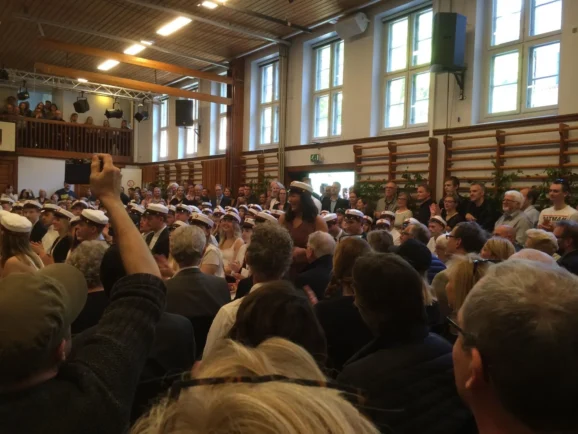
A notable Copenhagen landmark along Strøget is the Stork Fountain, where newly graduated high school (gymnasium) students can be seen celebrating by splashing in the fountain wearing sailor caps. The graduation celebrations are a Danish rite of passage and every time we walk past, we remember our own daughter enjoying that special moment with her friends.
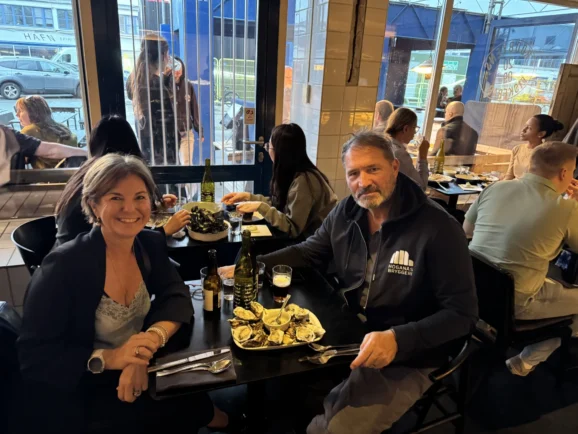
Copenhagen is renowned for the quality of its food scene. From great bakeries and coffee shops to the vibrant and culturally diverse food quarter in Nørrebro, you won’t go hungry. We never miss a chance when we’re here to go to Cafe Victor, a local brasserie institution with outdoor seating under heaters, cosy blankets, friendly waiters and a relaxed atmosphere. If you’re into fish, don’t miss Kødbyens Fiskebar, a cool industrial-style restaurant in the former meat market.
For the party itself, we were lucky enough to eat at a new opening in the city, Casino dal 2025, a week or so after its launch. A beautifully designed space with delicious Italian-inspired dishes, it’s currently one of the hottest tickets in town if you want to work your way through its fabulous tasting menu. Who wouldn’t?
If you tire of walking and eating, the canal tours are worth a few hours of your time for an unforgettable view of Copenhagen from the water. Few cities are as connected to the sea and seeing it from the water offers a different perspective of its waterways and architecture. Many of the classic tours take in The Little Mermaid statue, saving you some shoe leather as it’s a good old leg stretch to walk to her and whilst very sweet, she isn’t the most visually overwhelming of sculptures.
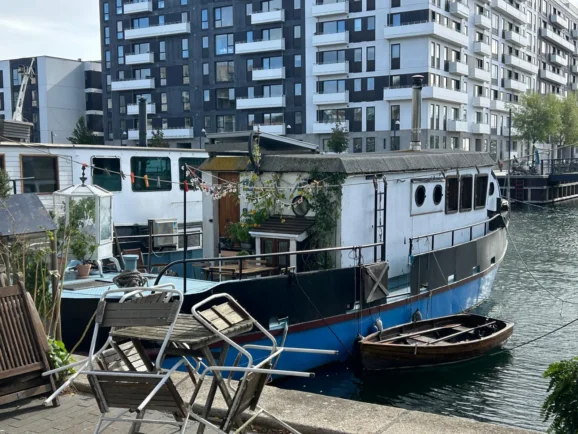
If you do fancy a properly long walk though, a second day can always be spent exploring The Harbour Circle. Described as ‘the ultimate Copenhagen harbourside walk’, this 13-kilometre circuit passes from Nyhavn through the quiet backwaters of Christianshavn, where the self-governing community of Christiania is located, to the up-and-coming charm of Sydhavn, the South Port.
We loved the variety of landscapes when we walked it, taking in industrial areas, architectural gems, houseboats, allotments, swimming zones, docks, locks and residential neighbourhoods new and old. If you have the time and a good pair of walking shoes, there’s no better way to get under the skin of this beautiful city, with plenty of cafes along the way to grab a bite to eat. As it’s a long loop, you can always cross over a bridge to cut back on yourself at any point if you want to shorten it.
As ever, we left Copenhagen wanting just another day more. It’s that sort of place. Clean, safe, easy-going. A mix of history and modernity at every turn. A culture where quality of life and environment are high on everyone’s agenda, where bikes are the norm, where the water is so clean people swim outdoors all year round, and where ‘hygge’ – that sense of cosy contentment – is truly valued.
And the Danes – open, warm and friendly with a wicked sense of humour – really do like to party. I’m quite sure there’ll soon be another reason to return. I just hope it isn’t too far away.
Deborah Lyon is a writer, editor and hospitality entrepreneur based in the Lake District. She left London two decades ago to restore a derelict Victorian estate near Windermere, now The Heaning — a five-acre collection of self-catering properties rooted in local craftsmanship and Cumbrian heritage. Alongside running the estate, she writes about landscape, place and belonging, drawing inspiration from the fells and literary traditions that surround her. Her first novel, the acclaimed children’s book Timewaif & The Roman Road, was praised for its evocation of Roman Cumbria and its “human stories told with tenderness and truth”. She is also the author of Lake District Unlocked, a family travel guide to the region’s hidden landmarks.
READ MORE: Edinburgh Airport launches £500m expansion as terminal footprint grows 60%. Scotland’s busiest airport will spend more than £500m over five years on new gates, aircraft stands and a major terminal expansion as it looks to support more international routes and passenger growth.
Do you have news to share or expertise to contribute? The European welcomes insights from business leaders and sector specialists. Get in touch with our editorial team to find out more.
Main Image: Cyclists pass the colourful waterfront of Nyhavn, one of Copenhagen’s most recognisable districts. Credit: Deb Lyon