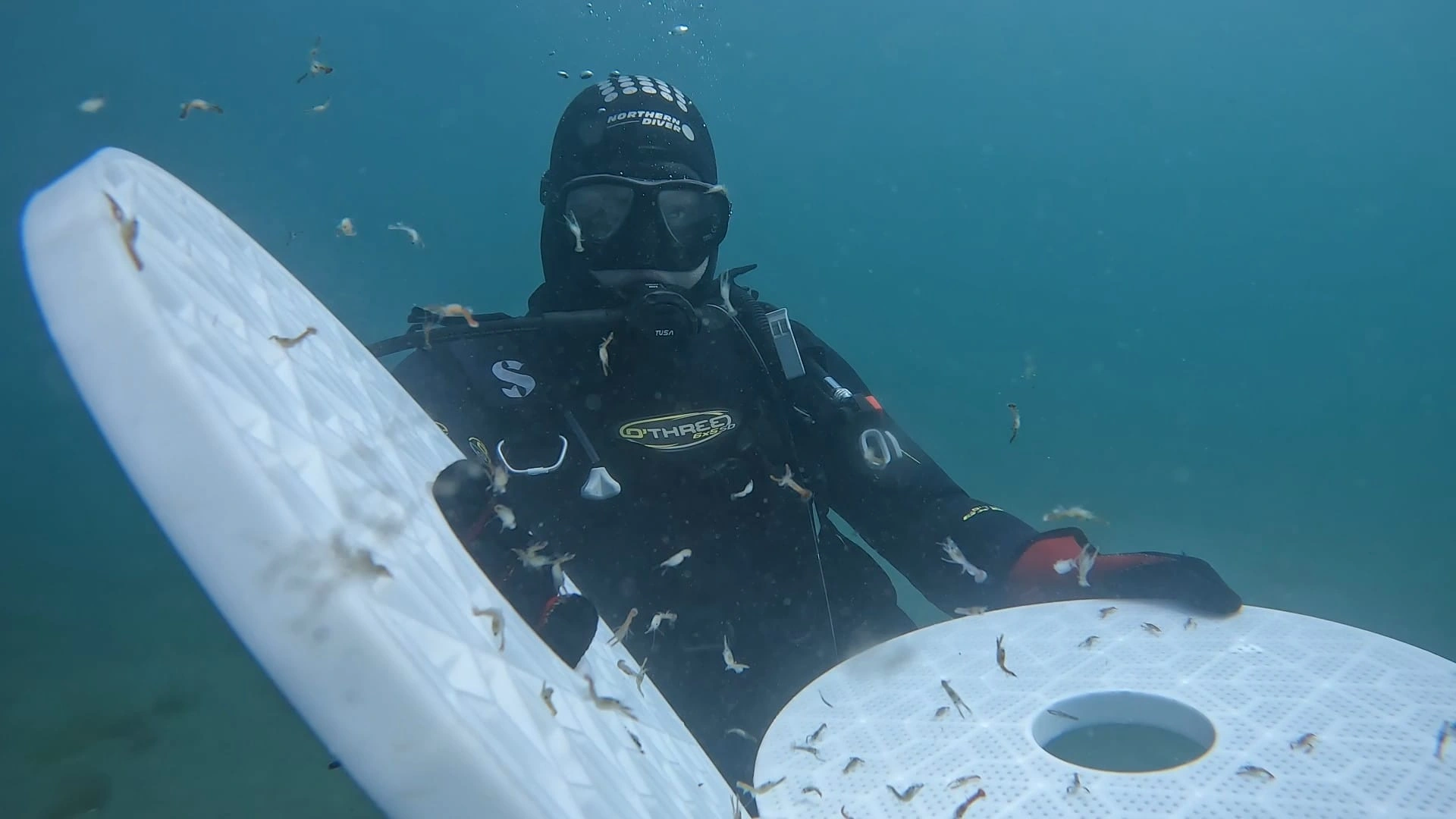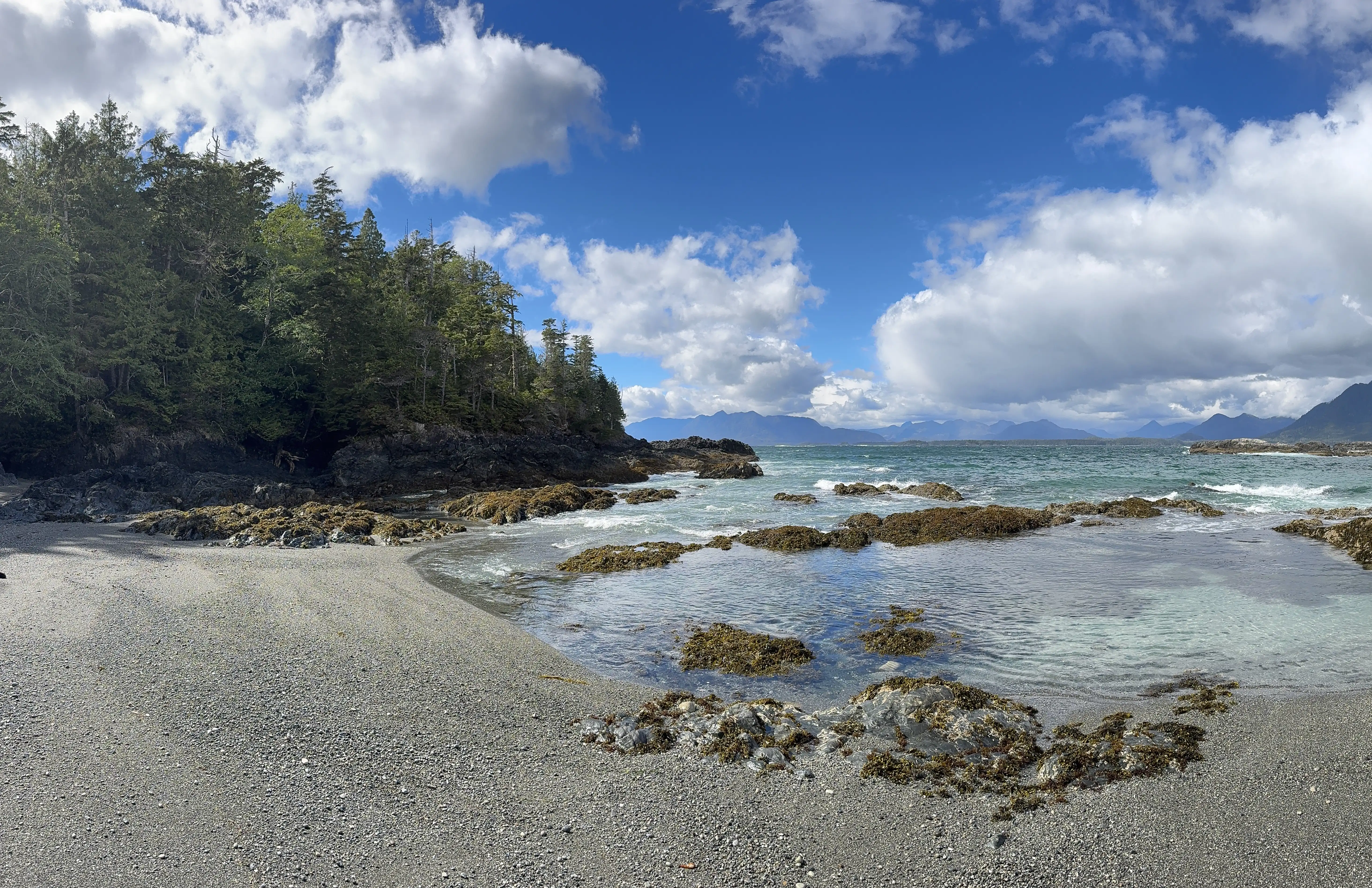
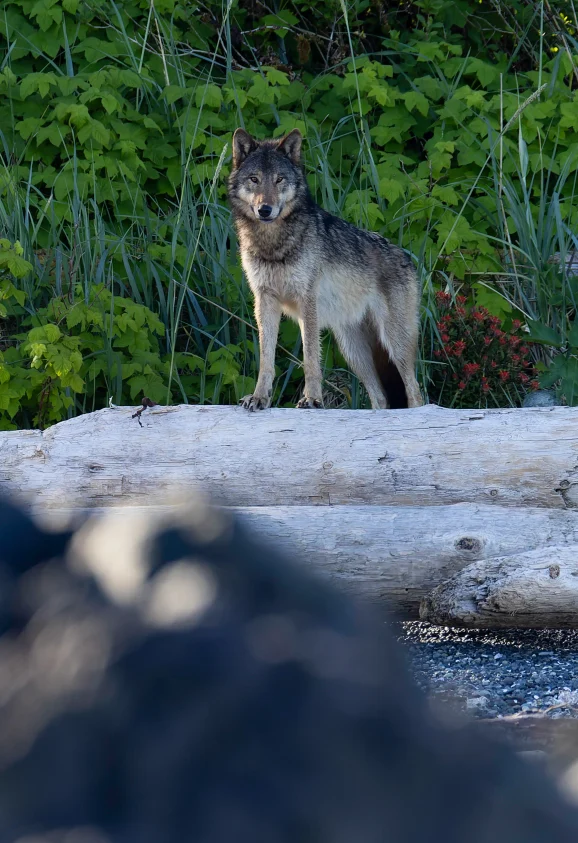
In a secluded corner of Vancouver Island, a remarkable population of wolves has adapted to life on the Pacific coast, feeding almost entirely on food from the ocean. Professor Tim Coulson and his wife Sonya travelled to a remote wilderness camp to join sea wolf expert Tom McPherson in search of one of North America’s most elusive predators
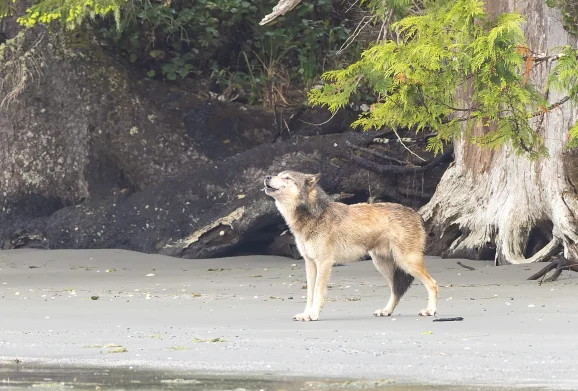
The Vancouver coastal wolf lives along the western seaboard of North America from the south of Vancouver Island to southeast Alaska. Wolves of this subspecies are remarkable as they get most of their food from the ocean, hunting sea otters, feeding on dead seals, sea lions and whales washed ashore, and even crunching up marine molluscs exposed at low tide.
The reason we know most of what we do about these wolves is because of the work of Tom McPherson. He grew up in the south of Vancouver Island, spending his spare time fishing, sailing and hiking through the old growth forest. But he had never encountered a wolf, as they had been hunted to near extinction by past generations who considered them vermin.
They naturally recolonised Vancouver Island, possibly from the mainland or alternatively from a pack that survived at the north end of the island in the 1990s. Either way, Tom soon became fascinated by them.
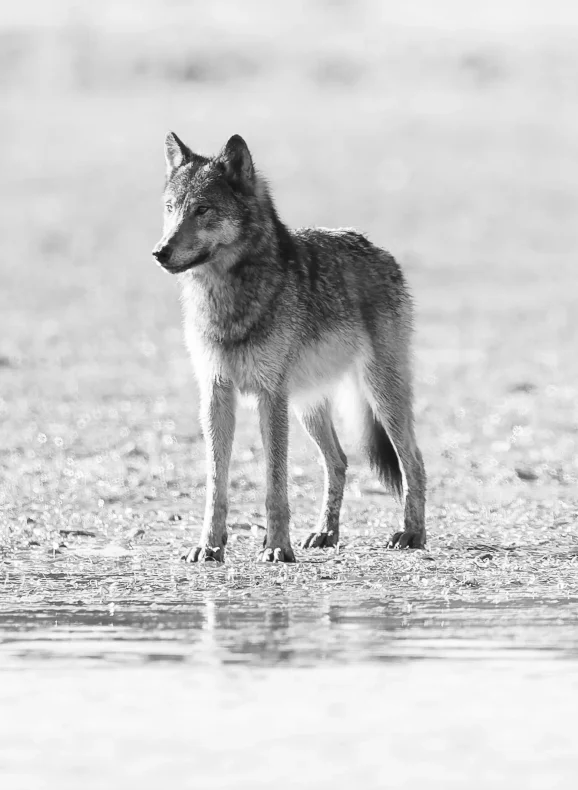
Wolves are hard to study. They can move tens of kilometres in a single day, and they can disappear into the island’s forests in the blink of an eye. Each encounter is a thrill, regardless of whether it happens while out hiking looking for them, after hours spent sitting at the edge of a forest near a trail they’ve been known to use, or from a boat as they trot along a remote beach. Even finding a wolf poo on a forest trail and picking it apart with a stick to work out what the animal had been eating is surprisingly satisfying.
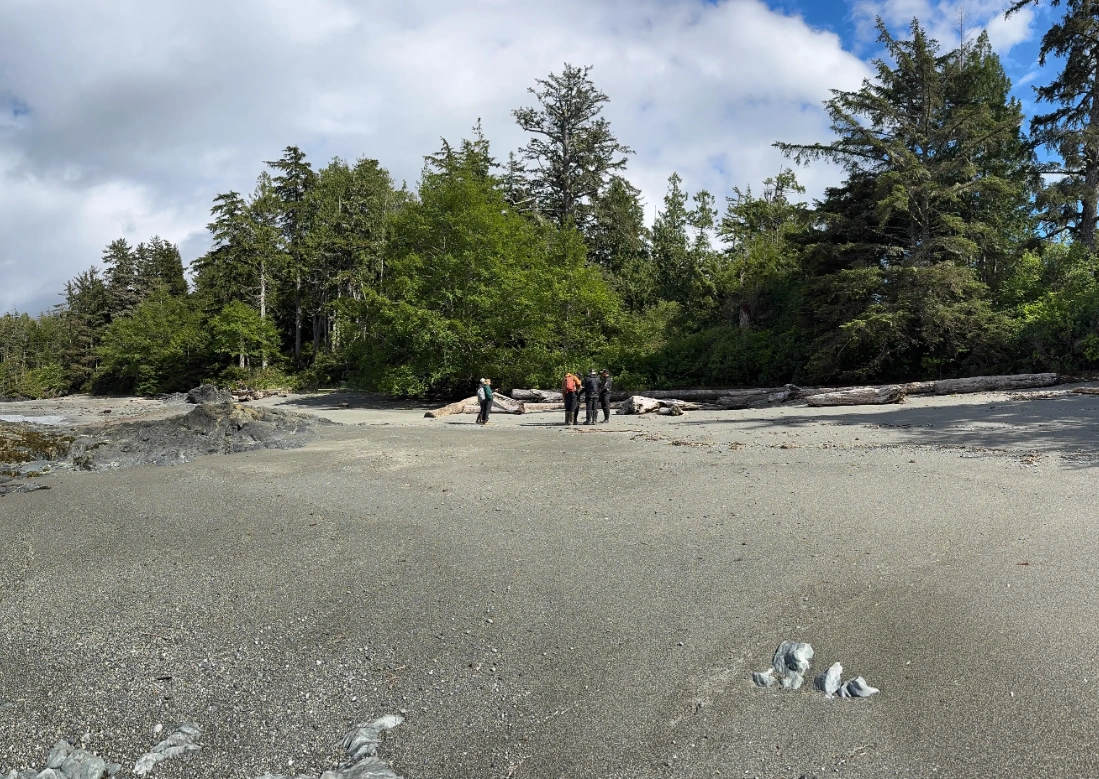
Coupled with footage collected from strategically placed trail cameras, and tens of thousands of beach miles hiked, Tom has worked out how the coastal wolves use the landscape, eking out a living on a diet that does not include the standard wolf fare of deer and elk.
If you want to experience a snippet of Tom’s work, you can. He takes clients out to a remote campsite and cabin where they accompany him as he searches for the wolves, collecting valuable data on these remarkable beasts. Many of his clients are professional photographers or filmmakers, but anyone with a sense of adventure and some patience would enjoy the experience.
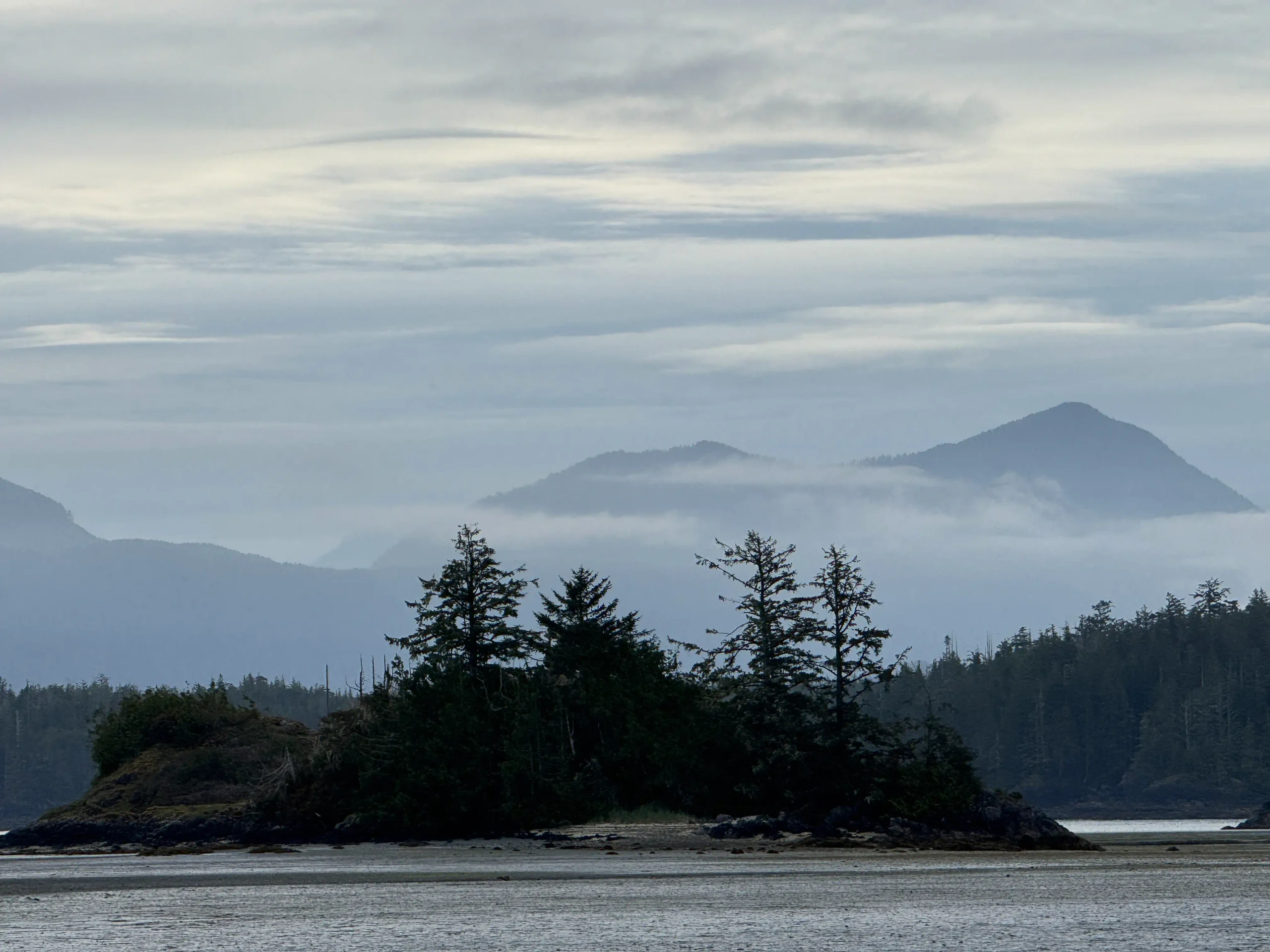
I rented a 400mm F2.8 lens for the trip as many encounters are at dawn or dusk when light levels are low. Many of the photos that accompany this article were snapped with this lens.
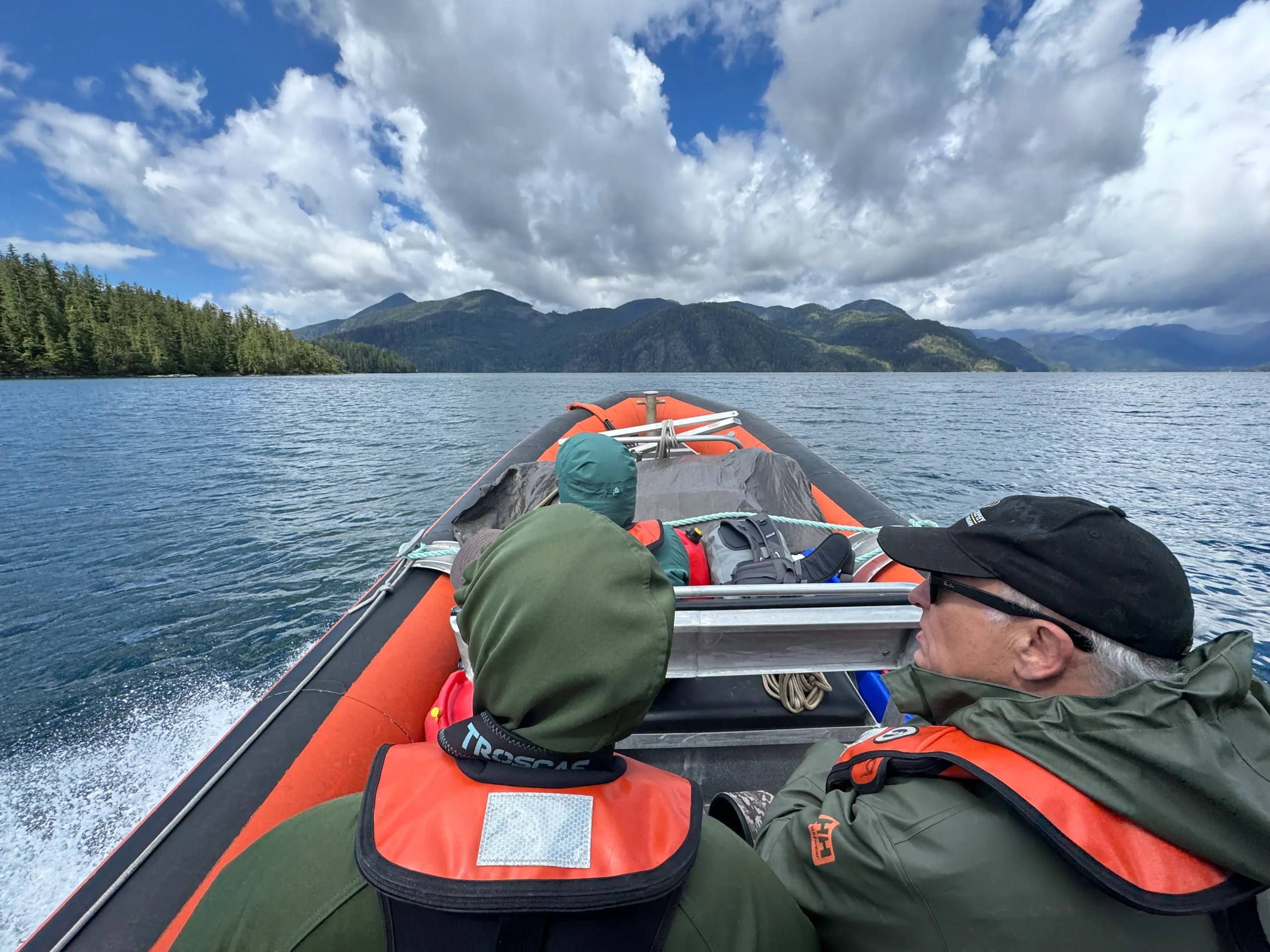
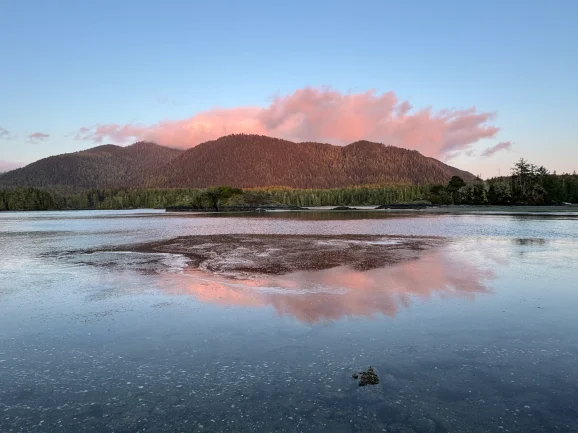
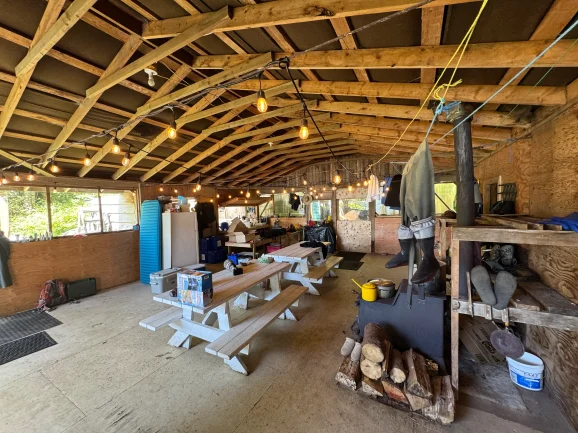
Six of us flew to Campbell River on Vancouver Island where Tom picked us up after breakfast on a sunny May morning. We drove for two and a half hours before donning waders and jumping onto his twin-engined rib. A couple of hours later we arrived on the tidal flat that his remote campsite looks out onto. We slept on blow-up mattresses in tents but ate in the cabin. Tom offers wellfed wilderness camping for his clients, with his assistant, Laura, preparing our meals. Tom employs her so he doesn’t have to spend time cooking, maximising the hours his guests can spend looking for wolves and exploring the rugged landscape.
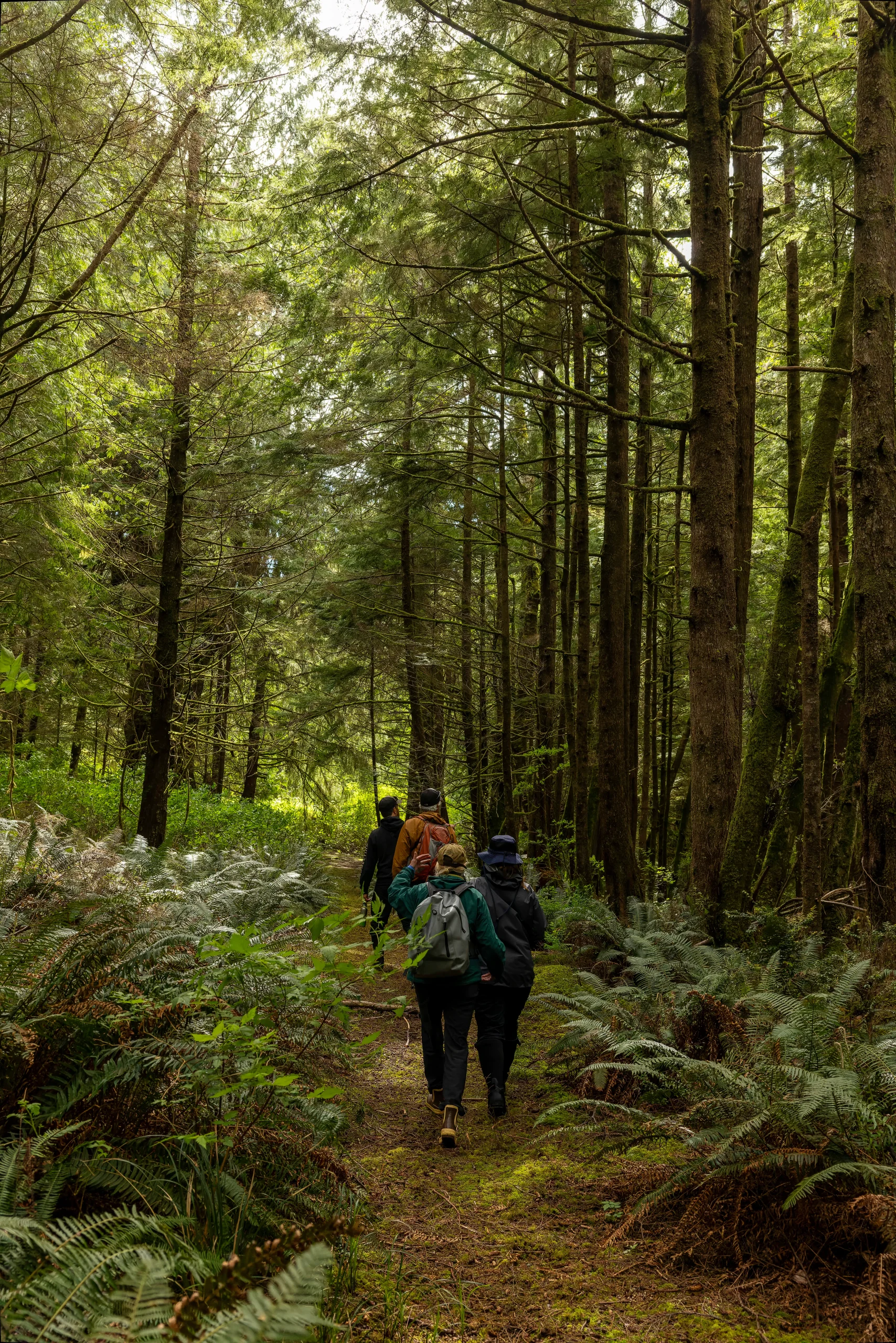
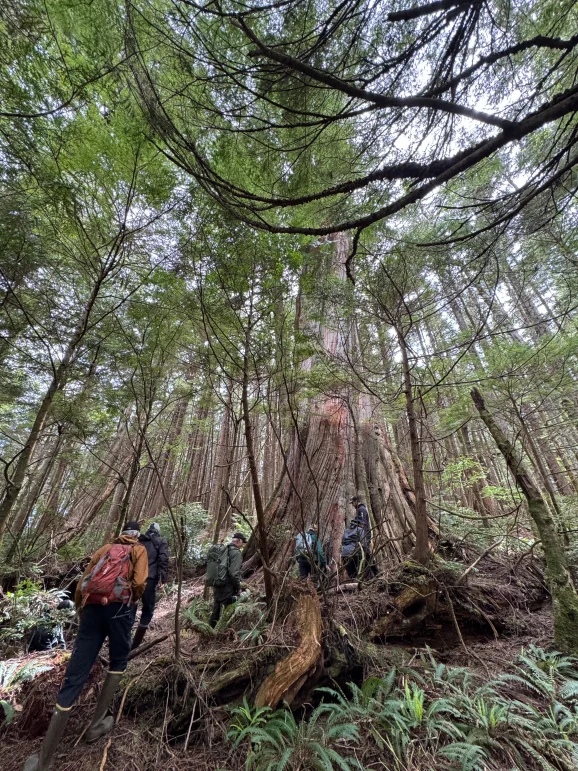
The days were long. We would be up at first light, heading out the door with cameras and binoculars after a quick cup of coffee. Sometimes we took lunch with us, other times we would return to camp where Laura would feed us sandwiches and salad. Through rainstorms and sunshine, we would look for wolves, often sitting by the tidal plain, sometimes out in the boat. We would also hike on rough forest trails through stands of ancient trees to scour other locations for signs of the wolves, and sometimes would not return until late in the evening.
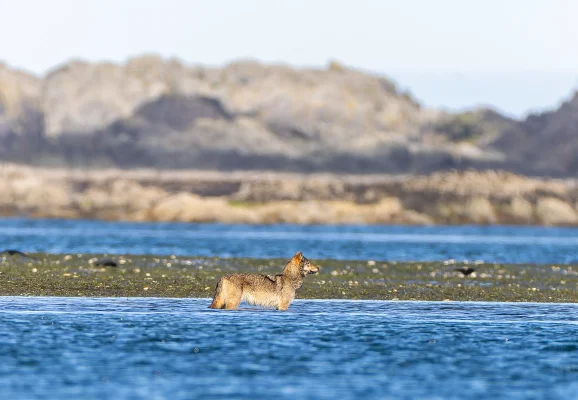
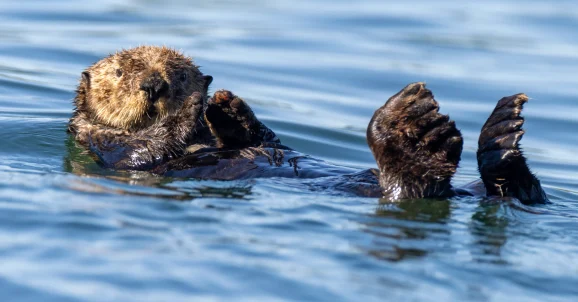
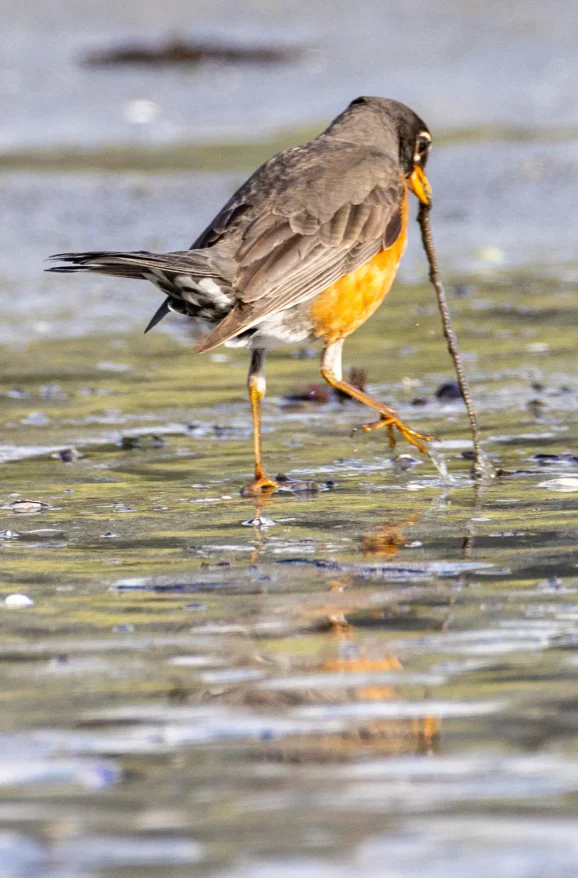
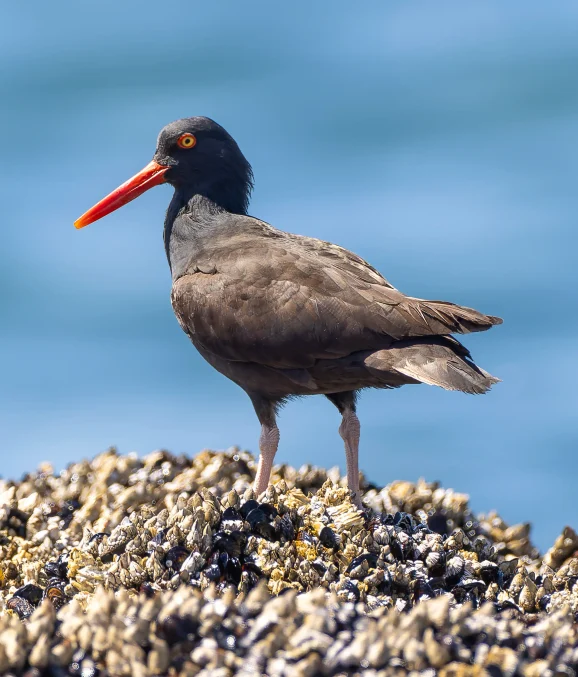
There is no guarantee of seeing the wolves as they are elusive. We spent eight days at camp, and we were fortunate in having excellent sightings of the wolves on five of those days. Tom cannot guarantee wolf sightings, though most groups will have the opportunity to see wolves at least once when visiting for a week or more. But as well as wolves you will see sea otters, osprey, bald eagles, black bears, mink, seals and sea lions, along with numerous species of song and seabird.
Many of Tom’s clients return for repeat trips, and it is easy to understand why. He offers a unique experience, and we were lucky to have some of the best views of wolves I have ever had, despite numerous trips to places like Yellowstone where a sighting is easier to guarantee, but less rewarding.
We all thoroughly enjoyed our trip, but it wouldn’t be for everyone. Fresh water was in short supply, so we washed with a bowl of water and flannel rather than a daily shower. The toilet is a portaloo over a hole in the ground. Laura’s food was excellent, and wine and beer were on offer each evening, but do not expect an à la carte menu to choose from.
The days can be tiring, but in a good way, and Vancouver Island can get a lot of rain, so it is essential to bring warm, waterproof clothing. You might sit for hours on end and see very little. But the area is beautiful, and if you are interested in seeing the remote, rugged landscapes of the west coast of Vancouver Island, and experiencing how elusive but fascinating animals are studied, then this is bucket-list adventure travel.
Trip information
Operator: Seaforth Expeditions
Getting there: Fly from Vancouver to Campbell River (we flew with Pacific Coastal Airlines), then drive approximately two and a half hours to Zeballos before transferring by boat to camp.
Our itinerary:
• Day 1: Arrive in Campbell River from Vancouver
• Day 2: Drive to Zeballos, transfer by boat to camp, short hike
• Days 3–8: Wildlife watching and exploration on foot and by boat
• Day 9: Return to Campbell River and fly back to Vancouver
Photography: You’ll want a good camera and telephoto lens to capture the best photographs of wolves and other wildlife from a distance. Many encounters take place at dawn and dusk when light levels are low. I rented a 400mm F2.8 lens for the trip from Lenses For Hire UK.

Tim Coulson is Professor of Zoology at the University of Oxford, where he has led both the Zoology and Biology departments. He was previously at Imperial College London and has also held positions at Cambridge University and the Institute of Zoology, London. A highly decorated scientist with awards from major institutions including the Royal Society, he has edited leading journals and served on government advisory boards.
His first book for general readers, A Little History of Everything (Penguin Michael Joseph), traces the 13.8-billion-year story from the Big Bang to human consciousness and is available on Amazon.
Further information: Contact Seaforth Expeditions for trip planning and current pricing. Professor Tim Coulson travelled independently and paid his own costs for this trip. Unless otherwise stated, correspondents for The European make their own travel arrangements, meet their own expenses and retain full editorial independence.
READ MORE: ‘Travelling Queensland by train: best stops, sights and stays in the outback‘. Forget the hire car. The Spirit of the Outback, one of Australia’s most luxurious long-distance trains, carries travellers from Brisbane on the East Coast of Oz deep into the red heart of the country. Professor Tim Coulson took the journey to see how easily the outback can be reached by rail.
Do you have news to share or expertise to contribute? The European welcomes insights from business leaders and sector specialists. Get in touch with our editorial team to find out more.