The Aleutians are remote, storm-lashed and often overlooked, but as Russia and China push harder into the Arctic and North Pacific, this chain of islands off Alaska may prove critical to U.S and NATO security, writes Dr Linda Parker
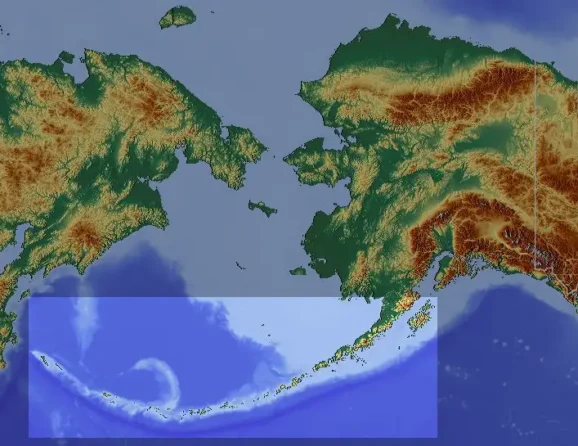
You would be forgiven for knowing little about the Aleutian island chain, which stretches 1,200 miles into the North Pacific from mainland Alaska towards Russia. Few people make the journey and the islands rarely appear in tourist brochures. They are among the foggiest places on earth, lashed by rain and plagued by poor visibility for much of the year. A 1937 Naval War College assessment described them as having “the worst weather in the world”.
These bleak islands, which form part of the U.S state of Alaska, nonetheless held major strategic importance during the Second World War and the Cold War. They may now be regaining that importance. In my view, they are fast becoming one of the most strategically important and neglected front lines in Arctic security.
That case rests above all on geography. The Aleutians sit astride key North Pacific routes and help guard the Bering Strait, the narrow passage between the Pacific and the Arctic. Their position is gaining fresh significance as climate change opens Arctic waters to greater use and as strategic competition between major powers intensifies. Maritime choke points such as the Bering Strait and the Barents Sea now carry growing economic and military weight, shaping trade, access and security alike. Any serious discussion of Arctic strategy must therefore reckon with the islands that stand at one of its principal gateways.
That wider Arctic picture is changing quickly. Competition over trade routes, military reach, gas, oil and rare minerals has grown more intense, while the cooperative arrangements that once existed among the Arctic powers have weakened, due in part to Russia’s invasion of Ukraine. China, having declared itself a “near Arctic power”, is building leverage in the region by economic, scientific and military means. An article from the Hudson Institute argues that China’s scientific research is dual-use, supporting navigation, communications resilience, surveillance and operational planning. The idea of the “Polar Silk Road” has also given Beijing a framework for deepening its Arctic presence through infrastructure and natural resource investment.
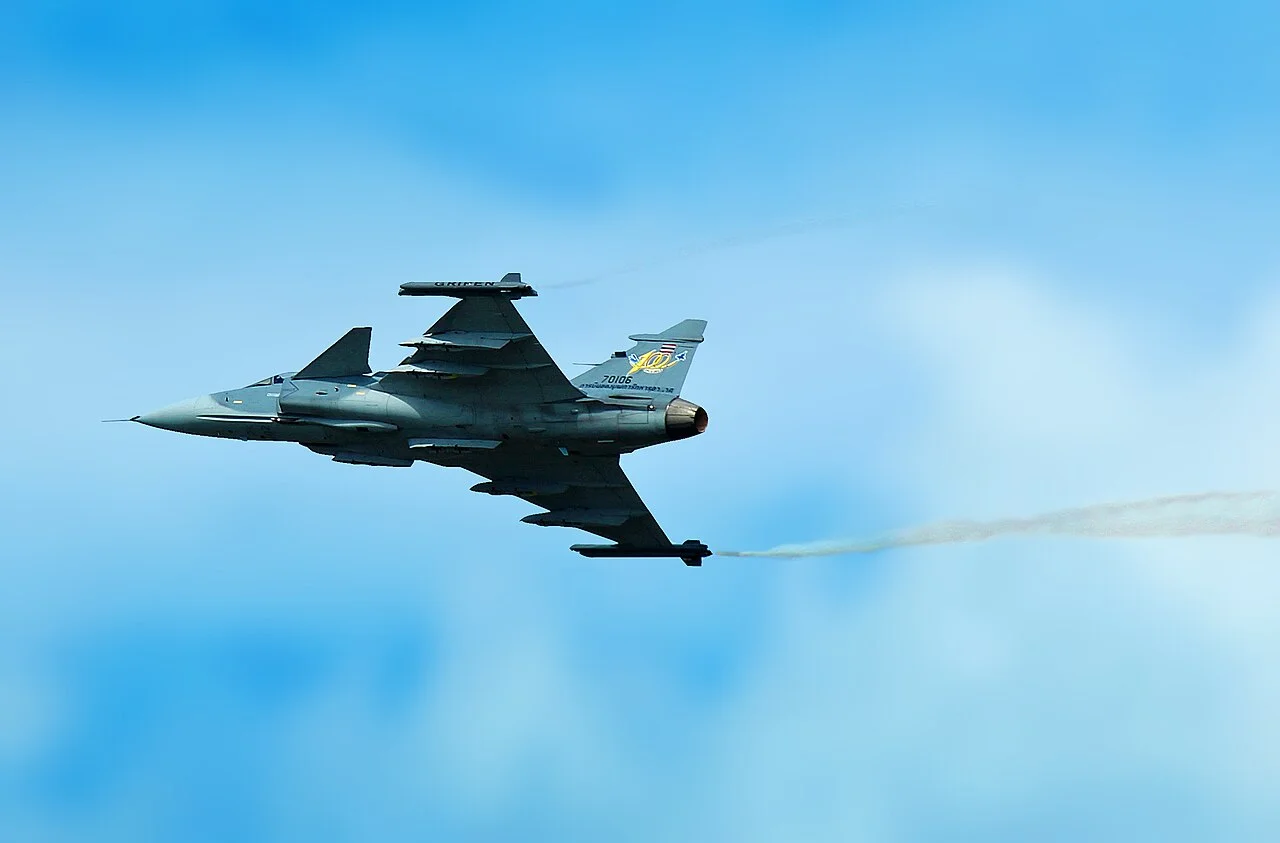
Those pressures are already being felt close to Alaska. In October 2024, two Chinese maritime enforcement vessels reportedly entered the Bering Strait accompanied by two Russian patrol boats, passing only kilometres from U.S Alaskan waters. In July 2024, two Chinese H-6 nuclear-capable bombers operated in the Alaska Air Defense Identification Zone alongside two Russian Tu-95 bombers. The ADIZ exists to detect, identify and track aircraft approaching North America before they enter Canadian or U.S airspace. In February this year, NORAD – the North American Aerospace Defense Command – released details of further incursions by Russian aircraft, which were then escorted by U.S F-35s until they left the zone. The language of the accompanying press release was unmistakable: “NORAD is prepared to defend North America with several response options.”
Events such as these have sharpened concern within U.S defence circles over the security of the Bering Strait and the wider North Pacific. Senior commanders have called for some of the mothballed Cold War bases to be reopened, and Admiral Samuel Paparo has urged the reopening of the base on Adak Island. The climate there remains harsh and demanding, yet Adak is once again being seen as a strategic asset with the potential to expand air coverage in an area facing mounting pressure from China and Russia.
Washington’s own strategic documents reflect the same shift. In its policy paper Arctic Strategy 2024, the U.S Department of Defense stated that a new strategic approach was required to address major geopolitical change and identified a need to “build readiness operations in high latitudes”. An article on the Foreign Policy website states that Chinese actions carry “significant national security implications for the United States and its allies” and warns that Chinese and Russian military activity in the Bering Sea and around U.S territory carries a real risk of escalation. The growing alignment and cooperation between Russia and China is being monitored closely for good reason.
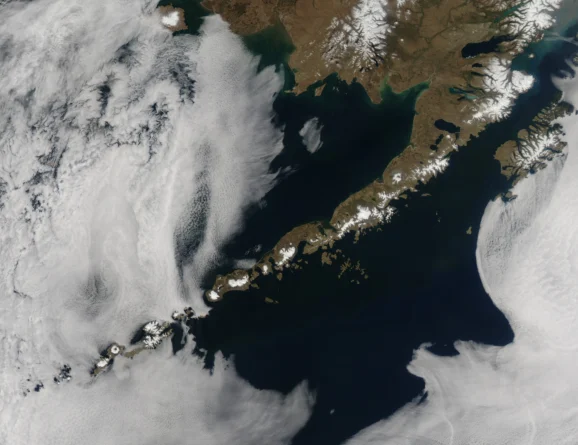
The practical military argument follows naturally from that assessment. Proper use of the island chain would give the United States earlier warning of attack and a greater capacity to respond. Foreign policy commentators have urged Washington to give the defence of the islands higher priority, and there are already signs of movement. In September 2024, in a rapid-response show of force, the U.S Army deployed 130 personnel drawn from three main army units, including the 11th Airborne, to Shemya Island. The force included a High Mobility Artillery Rocket System – HIMARS – capable of firing ballistic missiles. The Pentagon is also evaluating the development of a deep-water port on Adak Island, together with larger runways, additional hangars and substantial fuel storage, although Congress has yet to approve funding.
Current concern of this kind has deep historical roots. Both the Allies and Japan recognised the significance of the islands in the 1930s as Japan adopted an expansionist course. Japan understood that Attu and Kiska could serve as staging posts for U.S forces seeking to invade mainland Japan. Major General Simon Buckner described the chain as “a spear pointing at the heart of Japan”.
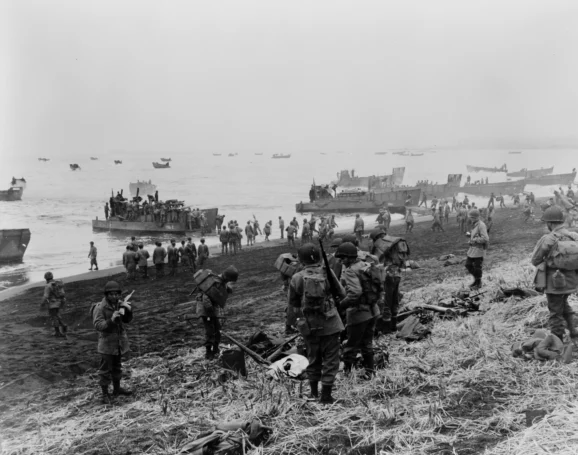
That strategic value soon translated into military action. Japan carried out reconnaissance from the Kuril Islands, gathering information on weather conditions and the scale of the U.S presence at Dutch Harbor. The United States undertook mapping and hydrographic surveys and established seaplane stations at Sitka and Kodiak. In June 1942, Japan attacked and occupied Attu and Kiska. The islands were recaptured in May 1943 at heavy cost, with many casualties caused by the weather as well as by combat. The campaign was gruelling, remote and strategically significant.
The islands retained that value through the Cold War. Positioned on the great circle route – the shortest flight and shipping route between the Soviet Far East and the U.S mainland – they became vital for intelligence on Soviet bombers and submarines entering the Bering Sea. The U.S naval base on Adak Island monitored Soviet naval movements, particularly submarine bases on Kamchatka. At the height of the Cold War, Adak was home to 6,000 American personnel and their families. Washington once understood very clearly what these islands were for.
That understanding now needs to return. Yes, Taiwan, Greenland and Guam all occupy a familiar place in strategic debate but the Aleutians deserve a place there too. Their position at the meeting point of the Pacific and the Arctic gives them lasting military significance, while the direction of travel in the Arctic and North Pacific is making them more important again.
For NATO, the issue extends well beyond Alaska itself. Arctic security, alliance deterrence, maritime access and the balance of power between Russia, China and the West are becoming more tightly connected. The Aleutians sit close to routes and waters whose importance is growing year by year. Their isolation and forbidding climate have long helped to keep them out of sight. Their strategic value is now much harder to overlook.

Dr. Linda Parker is widely considered to be one of Britain’s leading polar and military historians. She is the author of six acclaimed books, an in-demand public speaker, the co-founder of the British Modern Military History Society, and the editor of Front Line Naval Chaplains’ magazine, Pennant, which examines naval chaplaincy’s historical and contemporary role.
READ MORE: ‘The Arctic’s unfinished cold war‘. As Arctic militarisation gathers pace amid renewed geopolitical rivalry, the environmental scars of the Cold War remain embedded in ice, soil and seabed. Dr Linda Parker argues that without sustained cooperation and meaningful Indigenous consultation, the region risks compounding an already hazardous legacy.
Do you have news to share or expertise to contribute? The European welcomes insights from business leaders and sector specialists. Get in touch with our editorial team to find out more.
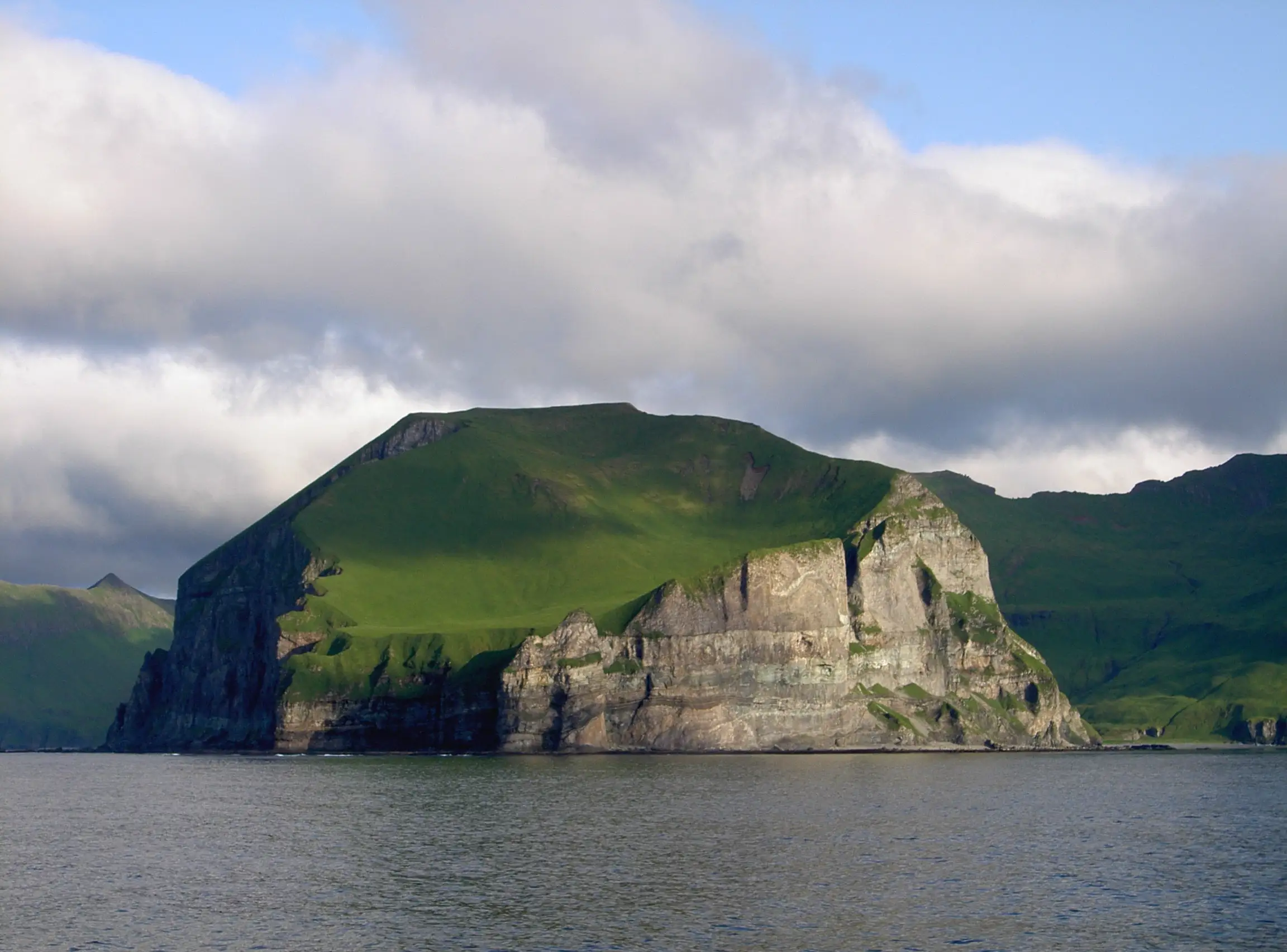
Main image: Cape Promontory at Cape Lutkes on Unimak Island in Alaska’s Aleutian Islands, whose strategic position between the North Pacific and the Arctic is drawing renewed attention. Picture: U.S. Fish and Wildlife Service/Public Domain via Wikimedia Commons