The European Commission’s own records point to delay, imbalance and privileged access at the heart of one of the EU’s biggest animal welfare battles, claims Matteo Cupi, Vice President for Europe at Animal Equality
I have spent many years campaigning for animal rights in Europe and thought very little about policymaking in the corridors of power could still surprise me.
How wrong I was.
Recent data published by the European Commission shocked me to the core. It appears to show that, for fifteen months, the Commissioner for Animal Welfare, the official whose mandate is to protect animals, advanced the interests of the industries that profit from their suffering.
During 708 documented meetings, the word “cage” does not appear on the record once. That is striking because the EU has faced years of pressure to end cage farming. More than 1.4 million people backed a citizens’ initiative calling for a ban. Yet the issue is absent from the Commission’s own published account of these meetings, even where animal welfare is listed as a subject of discussion.
The same records show a clear imbalance in access. Industry representatives met the Commissioners more than 46 times on animal welfare. Animal welfare organisations had seven comparable meetings. That works out at roughly seven industry meetings for every one meeting with an animal welfare group.
Whilst we do not know what was said privately behind closed doors, we can say with some authority that industry was getting through the door far more often than the groups pushing for better treatment of animals.
The picture becomes even more troubling when examined in detail. On 13 February 2025, Commissioner Várhelyi apparently held a registered meeting with Euro Foie Gras, with the declared subject given as “animal welfare and animal health”. Foie gras is produced through force-feeding, a practice the EU itself has recognised as causing suffering. The official responsible for protecting animals therefore met the industry that profits from that suffering, yet nowhere in his published record does there appear to be an equivalent meeting with an animal protection organisation on the same issue. Hansen’s cabinet met the same organisation in June that year under the same subject heading.
The same public record shows that this pattern extended beyond a single example. On 30 April 2025, European Livestock Voice delivered its “5 recommendations for the Vision for the Future of EU Agriculture” directly to Hansen’s cabinet. Then, on 15 May 2025, Hansen’s cabinet met INAPORC, the French pork industry association, to discuss, in the Commission’s own words, “upcoming animal welfare legislative proposals; specific impact that they would have.” The meaning of that meeting is difficult to miss. Industry was being brought into the discussion while the legislation was still taking shape.
This pattern had already attracted scrutiny. In October 2023, the investigative journalism organisation Lighthouse Reports, working with The Guardian, IrpiMedia and other media partners, published a detailed investigation identifying European Livestock Voice as the organisation most directly responsible for blocking the cage ban. It reported that the lobby had used “privileged channels” with senior Commission officials, after which internal attitudes towards the legislation became, in the words of those familiar with the process, “extremely negative”.
Read together, the earlier reporting and the Commission’s own published records present a deeply troubling picture. They suggest an institution that made public promises on one of the most important animal welfare issues in Europe, while granting repeated access to the industries with the strongest interest in delaying, weakening or derailing reform.
This story is now entering its final and most serious phase, with the European Commission brought before the Court of Justice of the European Union on 5 March 2026 over its failure to act on the cage ban. In formal legal language, the case addresses a question with implications far beyond animal welfare campaigners. A public commitment was made, every meaningful deadline was allowed to pass, and the Commission’s own record came to reflect delay, access and retreat.
That pressure is now also moving through formal transparency mechanisms. On 11 March 2026, we filed Freedom of Information requests seeking the documents exchanged in these meetings, together with the content of European Livestock Voice’s five recommendations. The Commission has 15 working days to respond. Any refusal will be pursued through every available channel, including the European Ombudsman and the EU General Court, because these questions require a full answer.
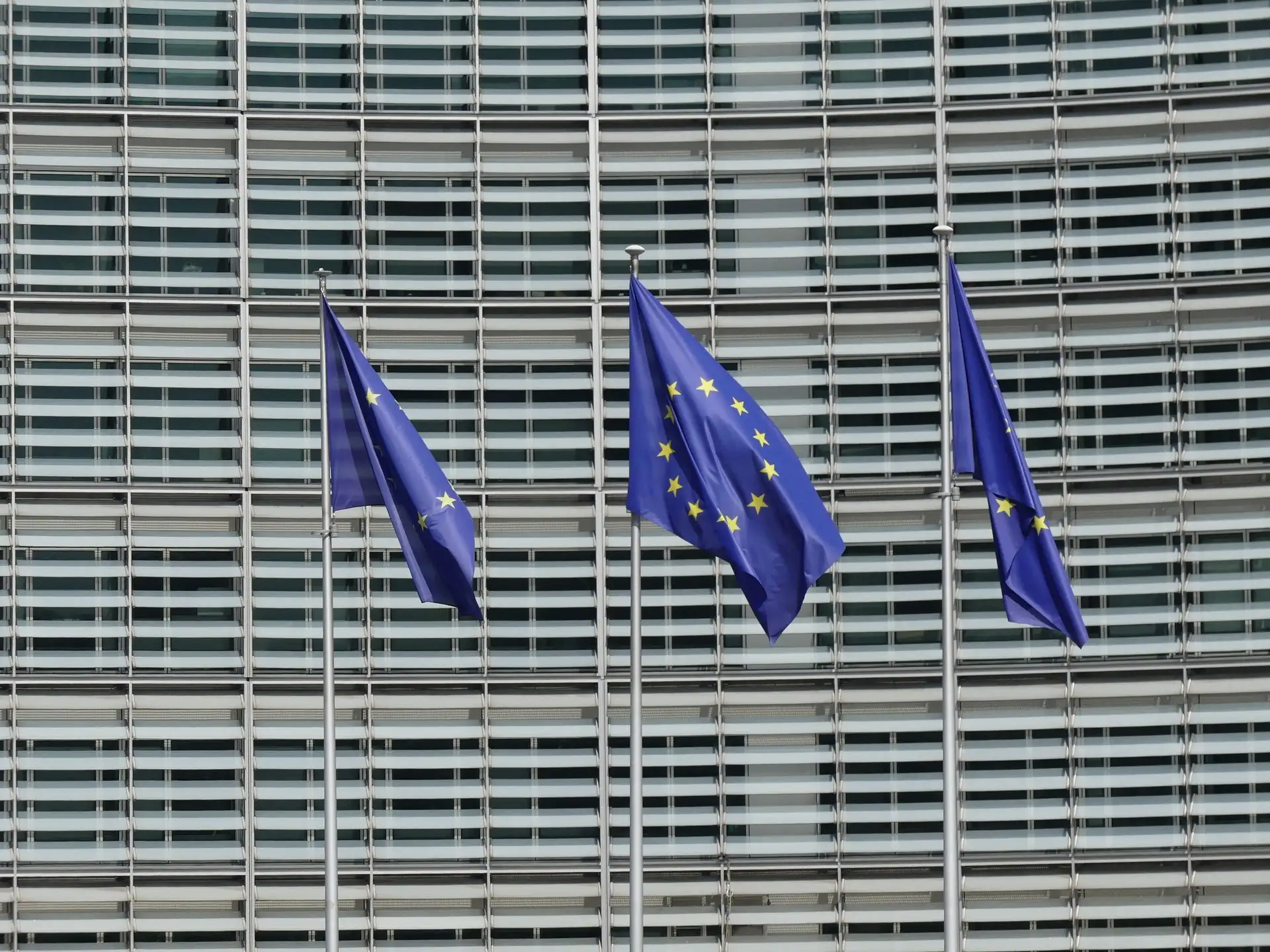
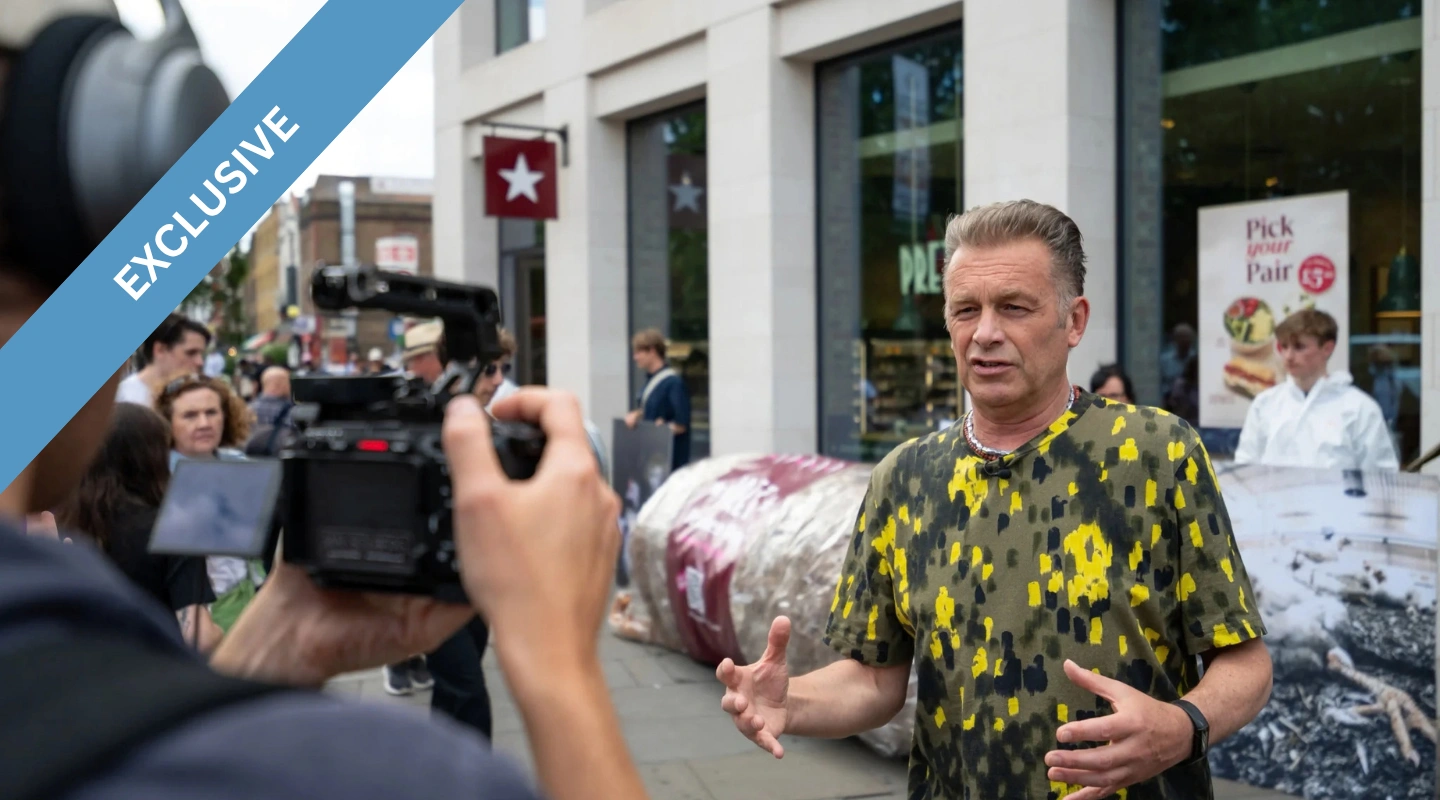
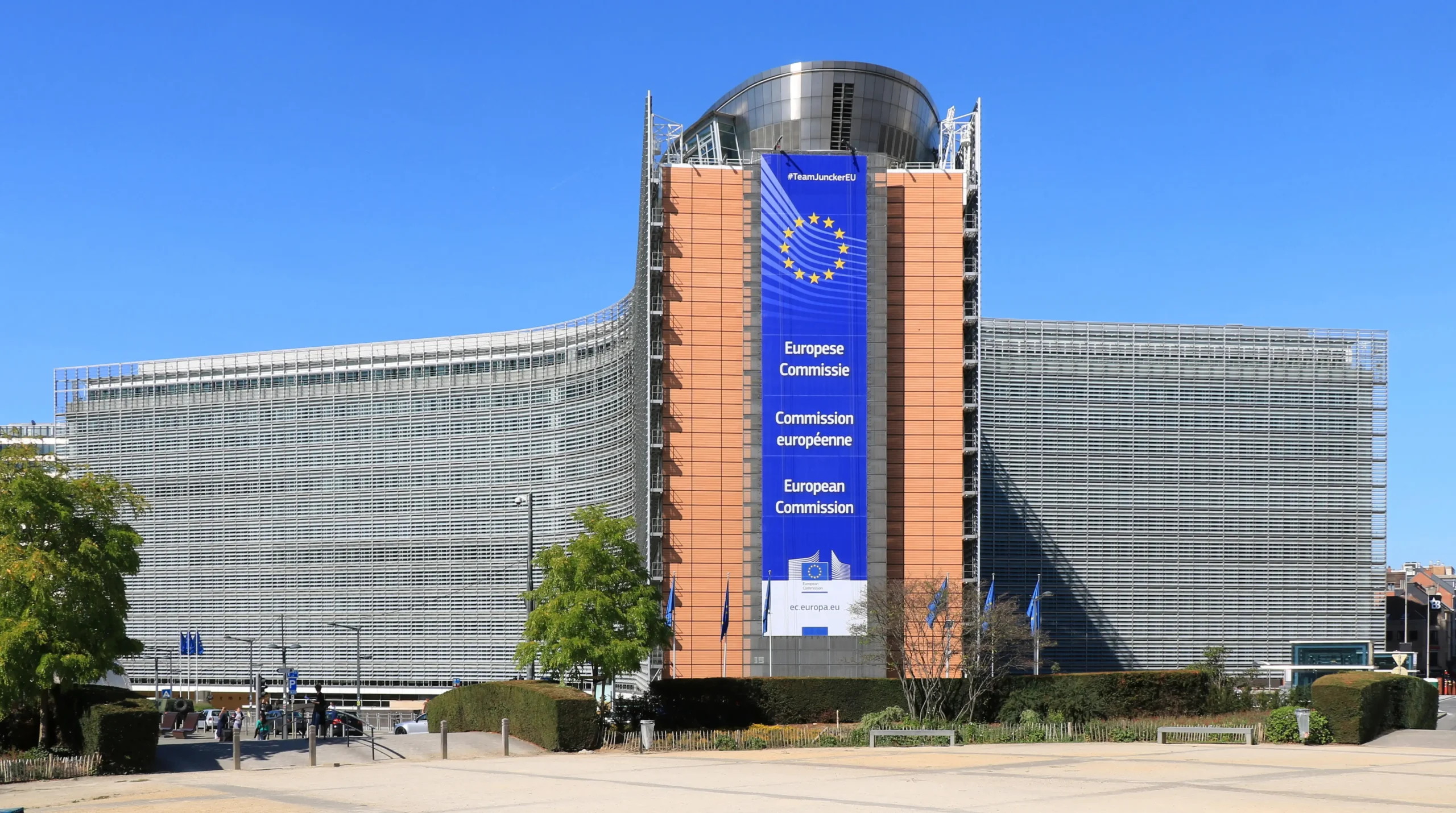
Public anger has also taken visible form in recent days, with more than 100 activists from across Europe gathering in Brussels on 23 and 24 March outside the Berlaymont and then directly outside Commissioner Várhelyi’s office, carrying the data with them. The demonstration rested on the Commission’s own published record, a record that anyone can read and judge for themselves.
What emerges from that record reaches far beyond the detail of any single meeting or register entry. Officials entrusted with protecting animals appear to have granted repeated access to the industries whose interests are threatened by reform, as the promise at the centre of this debate slipped further into delay and non-delivery.
Leaders who make public commitments and spend their time meeting the industries they are supposed to regulate should ask themselves whether they are honouring the offices they hold. The animals cannot vote, cannot organise and cannot file a complaint. Their welfare depends entirely on the integrity of those entrusted with these mandates.insert author pic (in a circle, if possible)

Matteo Cupi is Vice President for Europe at Animal Equality, where he works on strategy, advocacy and public policy across the organisation’s European campaigns. His work focuses on animal protection legislation, political engagement and institutional accountability.
READ MORE: ‘Animal rights activists stage second day of protests at European Commission over lobbying claims‘. More than 100 demonstrators are expected to gather outside the Commission’s health directorate in Brussels today, following a protest at its headquarters on Monday.
Do you have news to share or expertise to contribute? The European welcomes insights from business leaders and sector specialists. Get in touch with our editorial team to find out more.
Main image: The Berlaymont in Brussels, seat of the European Commission, which is under growing scrutiny over its handling of the promised EU cage ban. Credit: EmDee/CC BY-SA 4.0