
Once purely the pursuit of hardcore devotees, wild swimming has gone mainstream. In the first of a new series for The European, ultra-long-distance swimmer Ben Hooper reveals the best places across the continent to take a dip in the great outdoors
Wild swimming has seen a surge in popularity in recent years as more and more people take to the open seas, lochs, rivers, and lakes to harness the health benefits of an ice-cold dip. There are more than 8million wild swimmers in Britain alone, according to the Outdoor Swimming Society (OSS).
While swimming is a perfect form of exercise, the W-factor takes things to the next level – allowing you to immerse yourself, literally, in nature. It’s the ultimate heart-warming – or, in colder climates, heart-stopping – adventure.
Europe is spoilt for choice when it comes to wild swimming. From tranquil mountain lakes to inner-city rivers, the continent is home to some of the most picturesque spots in the world to take the plunge.
Across the Diving in to… series, I’ll be sharing some of these hidden wild swimming gems that are suitable for all skill levels.
Berlin – the Jewel in the Crown of Germany’s Wild Swimming Spots
You might not immediately associate wild swimming with a bustling city such as Berlin, but Germany’s capital is actually a haven for wild swimmers, with more than 50 lakes of various sizes and difficulty levels to explore.
And you don’t need to travel hours around Berlin to sample them. There are three lakes quite close together that each offer a different experience and level of challenge, meaning there’s something for everyone.
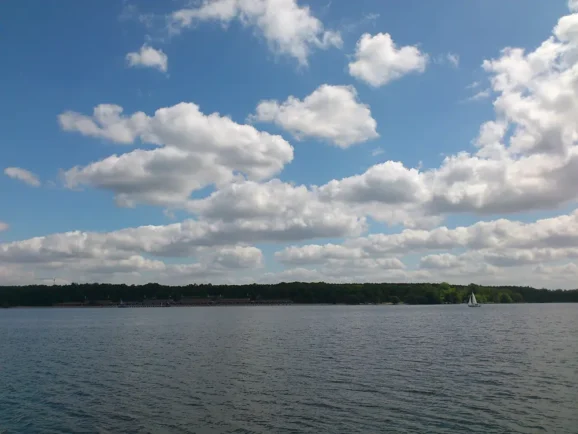
The first, Wannsee (or “Großer Wannsee”) is a freshwater lake just over one square mile in size and situated about 10 miles southwest of central Berlin. Located near the infamous Wannsee Conference centre – where senior Nazi officials met in 1942 to plan the Holocaust – the lake’s idyllic appearance is in stark contrast to the area’s dark history.
With its large man-made beach stretching nearly a mile long and 80 meters wide, Wannsee can take up to 30,000 visitors per day for swimming and bathing. The water is quite cold, deep (up to 30 feet), and choppy, making it more suited to experienced swimmers. The lake, over 100 years old and fed by the River Havel, is always busy, not just accommodating swimmers but boats and yachts as well. There are multiple entry points along the sandy shoreline, but those using the main beach can expect to pay an entrance fee of around €5.50 (£4.70) for adults and €3.50 (£3.00) for children per day.
Schlachtensee, about three miles from Wannsee, offers a quieter alternative. It is a long, narrow lake stretching approximately 1.2 miles and is known for its clear, clean water. Popular with both swimmers and rowers, it can likewise get busy, but with a shoreline of around three miles, there is plenty of space to find a quiet spot, with small sandy beaches scattered around. Just make sure to bring an extra towel as the lakeside can get quite muddy.
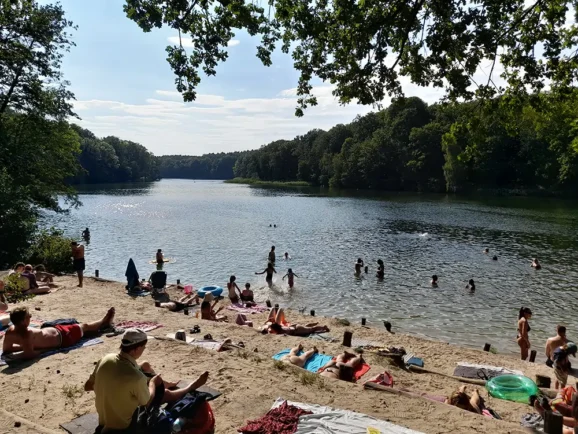
Krumme Lanke is just a 10-minute walk from Schlachtensee and the two are connected by the Griebnitz Canal, making for a pleasant walk or cycle between them. Sitting right on the edge of the Grunewald forest, it is the smallest of the three lakes, at around 0.7 miles in length. While it still attracts visitors, it is far quieter than the ever-busy Wannsee and its secluded setting, shaded by pine trees, offers a more relaxed, intimate experience. The water is shallow and silky smooth, tepid in the summer, and it never exceeds more than approximately 20-feet in depth, making it ideal for casual swimmers.
In a sense, its waters, darker than at Wannsee, combined with its isolated location, envelope you in an eerie atmosphere, but this is burst by the sound of children and parents splashing and playing closer to shore in brilliant sunshine. Just be careful if you aren’t comfortable with nudity as there are quite a few spots about the lake’s 1.5mile circumference where naked bathers tan and enjoy themselves.
Attractions to Check Out:
After you’ve dried yourself down, there’s plenty to explore in Berlin.
Walking through the city is like stepping through a living history book. Even today, East Berlin’s pale, brutalist Soviet tower blocks contrast sharply with the high-end, Kensington-like, dull and overly-expensive boutiques of West Berlin’s famous shopping precinct Kurfürstendamm (also known as ‘Ku’damm’).
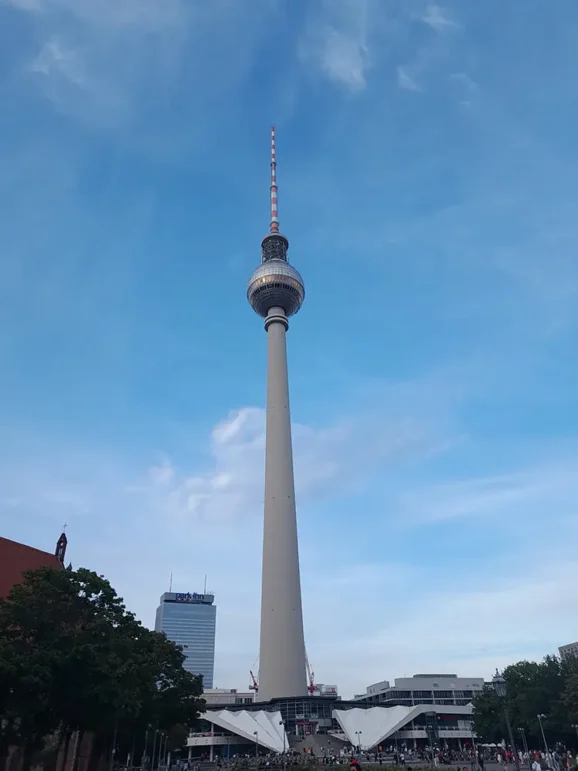
Nowhere does the city’s contrasting nature become clearer than when standing on the Berliner Fernsehturm, Berlin’s tallest structure standing over 1,200 feet high. From Krumme Lanke, it takes around 40 minutes to get there, via the ever-reliable U-Bahn (underground train), going on the U3 to Wittenbergplatz before transferring to the U2 towards Alexanderplatz, During the Cold War, this tower provided a perfect vantage point for Soviet spies to snoop on West Berlin; sorry, broadcast television and radio broadcasts. But seriously, for spying. Admission is €25.50 (£21.50) with discounts available for children and students to the viewing platform. While there, you too can snoop on city life from the comfort of the revolving Sphere Restaurant some 680 feet high. A fine dining meal with drinks, for a couple, will cost around €150 (£125), but it’s well worth the expense to enjoy the panoramic views which, on a clear day, stretch some 26-miles in all directions, revealing the many lakes around the city.
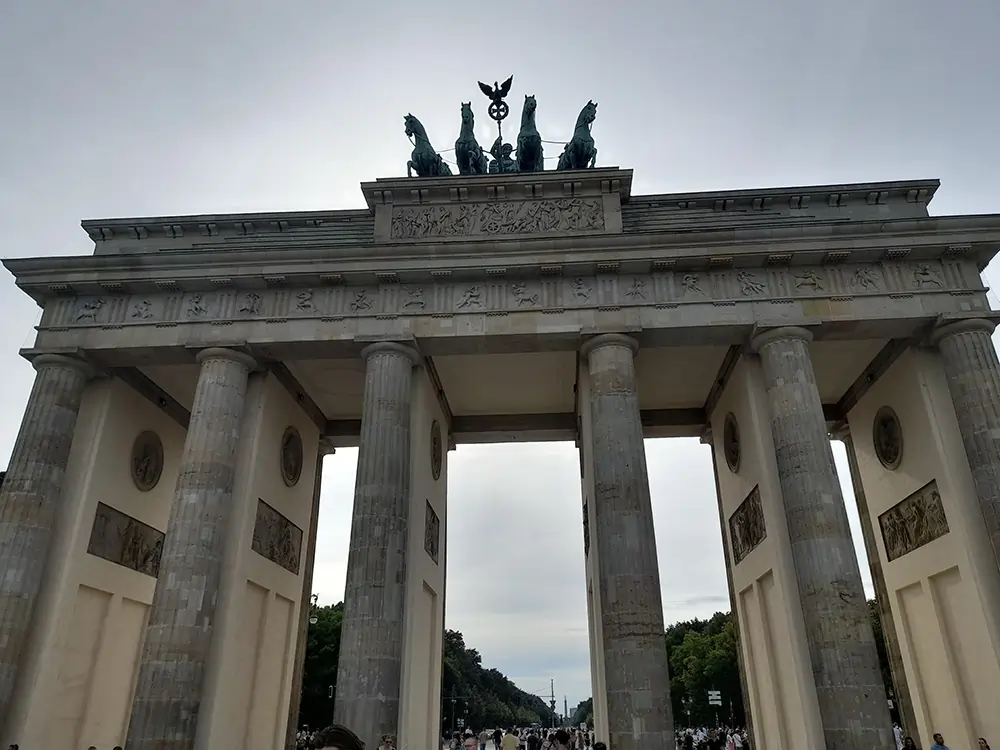
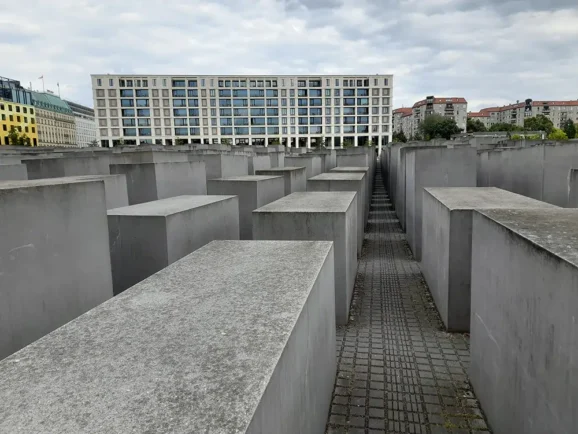
Heading west from the tower, you can stroll along the Unter den Linden, passing beneath the shade of Berlin’s historic lime trees, this is one of Berlin’s most famous boulevards lined with historic buildings and major landmarks. Here, among other things, you can call in at Madame Tussauds Berlin (entry €29.50/£25), the Neue Wache memorial (a quiet place of contemplation dedicated to the victims of war and dictatorship), and the magnificent Berlin Cathedral “Dom” (admission €7/£6) before reaching the Brandenburg Gate, one of Germany’s best-known landmarks and symbol of Berlin’s reunification; the perfect backdrop for holiday snaps. Nearby lies Checkpoint Charlie, the famous Cold War border crossing, and a grave reminder of today’s threats about the world, lest we forget our history, a dark and foreboding Holocaust Memorial where 2,711 grey concrete slabs represent victims of the Final Solution.
Where to Eat:
Diners are spoilt for choice in Berlin, with restaurants as diverse as the city’s history and something for every taste.
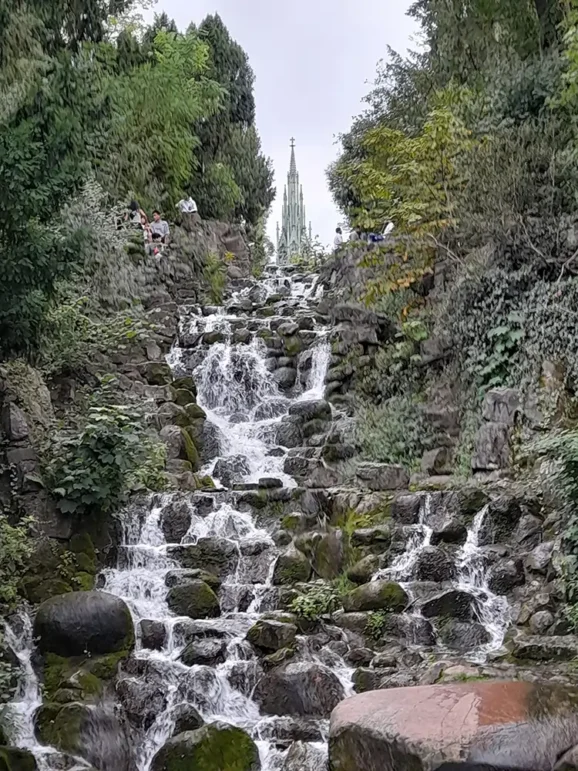
Options include the charming Tomasa Villa on the edge of Viktoria Park in Kreuzberg – around €30 (£25) per head – and the quirky Der Hahn ist Tot (literally translated as “The Cock is Dead”) in Mitte, serving up French food in a 1950s-style dining room with a set menu costing €37 (£31). You can also indulge in gourmet meals at Zur Letzten Instanz – a restaurant that claims to have served Napoleon Bonaparte (>£85 per person) – or Restaurant Zur Gerichtslaube on Poststraße 28. Expect to pay between €35-45 (£30-38) per person.
If that’s not your thing, then try the world-famous curry bratwurst at Curry 36 (two currywurst with fries for around €11/£9.40). Vietnamese food however, is a true hidden gem of Berlin’s culinary scene, with restaurants scattered among the side streets of East and West. These delightful eateries offer delicious, traditional dishes, that are tasty and affordable. My personal favourite is the Viet Bowl €12-23 (£10-20 per person) in Potsdamer Platz.
Where to Stay:
There are good options for all budgets.
Luxury seekers will find comfort at the five-star Grand Hyatt Berlin in Potsdamer Platz, with prices starting around €200 (£176) per night.
Situated next to the Brandenburg gate, Hotel Adlon Kempinski Berlin is another five-star hotel with lavish rooms, a two-Michelin-starred restaurant, and spa facilities. Prices start at around €340 (£292) per night.
Also at the higher end, Hotel Palace Berlin, located near the Berlin Zoo, features soundproofed rooms, a spa, and a pool, with prices starting from around €338 (£290) per night.
Meininger Hotel Berlin Central Station is a more budget-friendly yet still stylish option near the city’s main train station. Rooms start at €80 (£69) per night.
For an affordable, eco-conscious stay, the small wooden lodges at Easy Lodges Berlin in Neukölln, can’t be beat. Prices start from €45 (£39) per night.
Wild Water Swimming Tips for Beginners
- Know Your Limits – Start with shorter swims in calmer waters before tackling deep or choppy lakes like Wannsee.
- Check Water Conditions – Berlin’s lakes are clean but can be cold and unpredictable. Always check water temperature and currents.
- Wear a Bright Swim Cap – This helps with visibility and safety, especially in busy lakes.
- Acclimatize Gradually – If the water is cold, enter slowly to avoid cold-water shock.
- Be Aware of Boats and Wildlife – Some lakes, such as Wannsee are shared with rowers and yachts. Stay within designated swim areas.
- Swim with a Friend – Wild swimming is safest when done with others, especially in unfamiliar waters. Always make sure people know where you are. Be CPR trained, too.
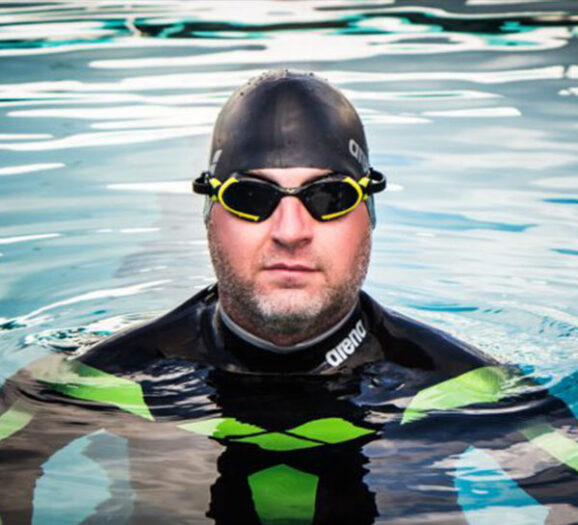
Ben Hooper hit the international headlines after revealing what has been described as one of the world’s most ambitious expeditions: to swim “every single mile” of the Atlantic Ocean – according to Sir Ranulph Fiennes OBE, the last great bastion to be conquered. Ben’s intended journey, across two thousand miles of open ocean between Senegal and Brazil, would take four months and would enter the record books. The expedition, called ‘Swim the Big Blue’, following Ben’s death from swimming into thousands of left-over Portuguese Man O’War tentacles and his incredible restart, mid-Atlantic, was eventually thwarted by adverse weather conditions damaging his support vessel. It was a devastating blow following years of painstaking dedication and training. Today, Ben holds the only WOWSA verified attempt to swim The full extent of The Atlantic Ocean.
Main image: Brandenburg Gate