Australia plans social media algorithm ‘off switch’ in move Europe could follow

Ian Copeland
- Published
- News, Technology

New laws would give users greater control over what appears in their feeds and could point to the next stage of European regulation, where the biggest platforms must already offer alternatives to personalised recommendations
Australians could be given the right to switch off personalised social media algorithms under legislation reportedly being prepared by the country’s government, potentially offering a glimpse of where European regulation could head next.
The proposed digital duty of care would require social media companies to give users greater control over the systems deciding what appears in their feeds and could expose platforms to significant fines if they fail to respect those choices.
How the system will work in practice has yet to be decided. But it is understood that personalised feeds will either remain switched on by default, with users able to turn them off, or be switched off by default until users choose to activate them.
An exposure draft of the legislation is due this week.
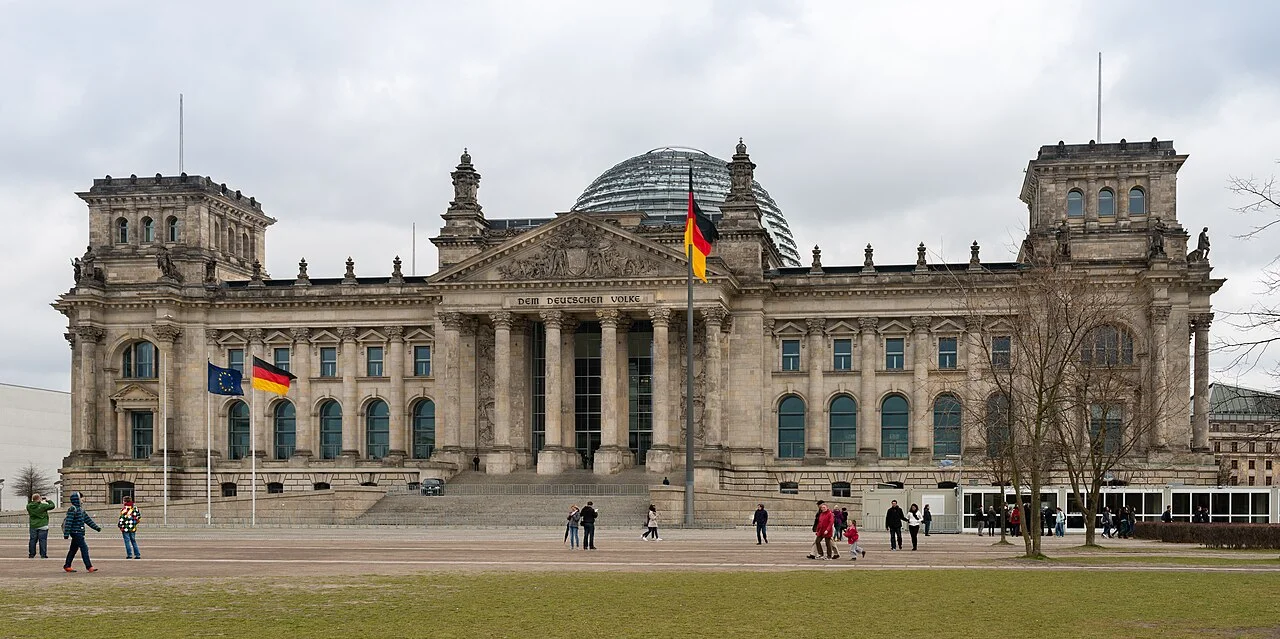
The move could point to the next phase of social media regulation in Europe, where governments are already tightening rules around how platforms operate and who can use them.
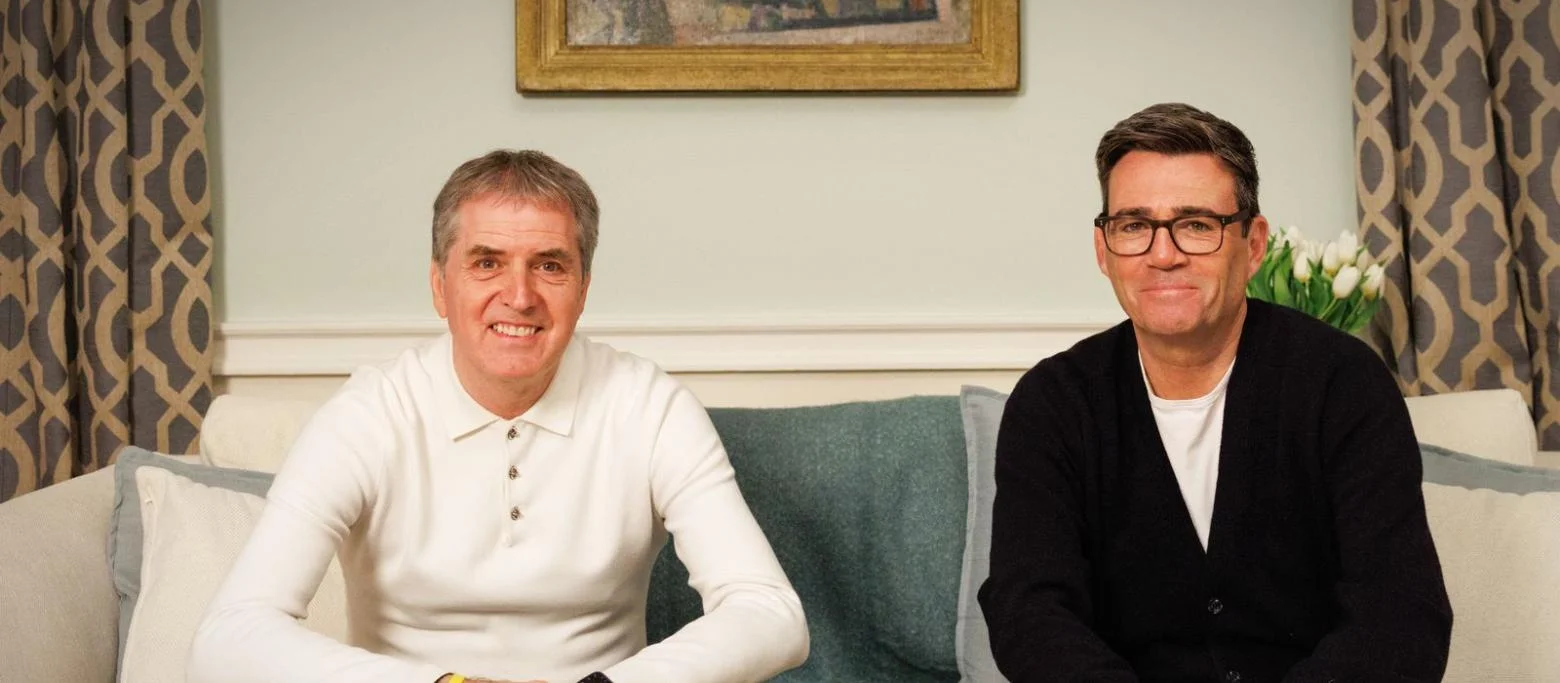
In the UK, Sir Keir Starmer, the former Prime Minister, announced in June that under-16s would be barred from using certain social media platforms from spring 2027 – a policy Andy Burnham’s Government still plans to implement – while the EU’s Digital Services Act already requires the biggest platforms to explain how recommendation systems work and offer users alternatives to feeds based on profiling.
The European Commission has already begun examining the impact of social media, and in July preliminarily found Meta in breach of the Digital Services Act over what it described as the addictive design of Facebook and Instagram.
Speaking at the time Henna Virkkunen, the European Commission Executive Vice-President, said: “Protecting the physical and mental health of Europeans must be a priority for social media platforms. The Digital Services Act provides a clear framework to hold platforms accountable for the addictive design and effects of their services.”
But Australia’s social media proposal goes further by putting more responsibility directly on technology companies to identify and reduce risks on their own platforms, while also giving users greater control over whether algorithms shape what they see.
Communications Minister Anika Wells said: “We want to give Australians more choice over what they see on their social media feeds. We want Australians to make that choice and we want big tech to offer basic safety standards to Australians, particularly to Australian kids.”
On whether personalised feeds should be opt-in or opt-out, Wells added: “We’ve been working on these laws for a year. I want to do what is technically possible, and what drives me is giving Australians more choice. Whether they want to keep the algorithm, whether they want to do things a different way, it should be their choice, not big tech’s choice.”
READ MORE: UK’s under-16s social media ban risks giving parents false comfort, experts warn. Scientists and child health specialists say the plan may reduce some harms, but warn that children could move to hidden online spaces while algorithms, age checks and platform design remain unresolved.
Do you have news to share or expertise to contribute? The European welcomes insights from business leaders and sector specialists. Get in touch with our editorial team to find out more.
Main image: Gerd Altmann via Pixabay
TOP STORIES
-
 Britain faces higher winter energy prices as reliance on European electricity imports grows
 -
Andy Burnham to make special Gogglebox appearance for Stand Up To Cancer
-
WPSL Golf targets £120 million valuation as billionaire-backed corporate deals and other commercial deals drive explosive global growth
-
Hackers could bring Britain’s essential services to a standstill, security chief warns after global website shutdowns
-
We're talking to almost twice as many people on the phone as a decade ago, study finds
-
TalkTalk sells majority stake in Telecom Acquisitions as founder Nigel Barnett regains control
-
Company closures soar ahead of tax rises as new Budget looms
-
Russia takes control of more European corporate assets amid Ukraine tensions
-
EU leaders resist calls to delay carbon rules as energy costs soar
-
‘A big step forward’ – PM Andy Burnham hails plans for Great British Railways HQ in Derby
-
UK economy grows just 0.1 per cent as construction falls and services stall
-
Germany risks losing €155bn a year under tighter AI data rules, new study warns
-
Pope Leo XIV diagnosed with lung cancer after surgery in Rome
-
France faces freezer meltdown as hackers strike supermarket chains
-
Bumble shares soar 50% amid $1bn takeover talks
-
China slump drives Volkswagen to sharpest quarterly fall in more than four years
-
Hollywood mega-powerhouse created as Paramount completes Warner Bros Discovery takeover
-
Gamers face gridlock as latest Grand Theft Auto download 'nears two days'
-
Samsung profits soar ninefold to record £61bn amid AI chip boom
-
New Springer books put the UN’s struggling sustainability goals to the real-world test
-
Europe’s solar boom set for two-year slowdown after record growth
-
Let it pea. Musicians turn vegetables into instruments at Beatles' Abbey Road studios
-
Golden naked Trump statue unveiled at European Parliament
-
Jaguar puts controversial rebrand on the road with £130K 1,030PS Type 01
-
Deepfakes and identity fraud drive new wave of post-hire background checks