Scientists and child health specialists say the plan may reduce some harms, but warn that children could move to hidden online spaces while algorithms, age checks and platform design remain unresolved
Sir Keir Starmer’s plan to ban the under-16s from major social media platforms risks giving parents a false sense of safety while leaving the deeper causes of online harm untouched, experts have warned.
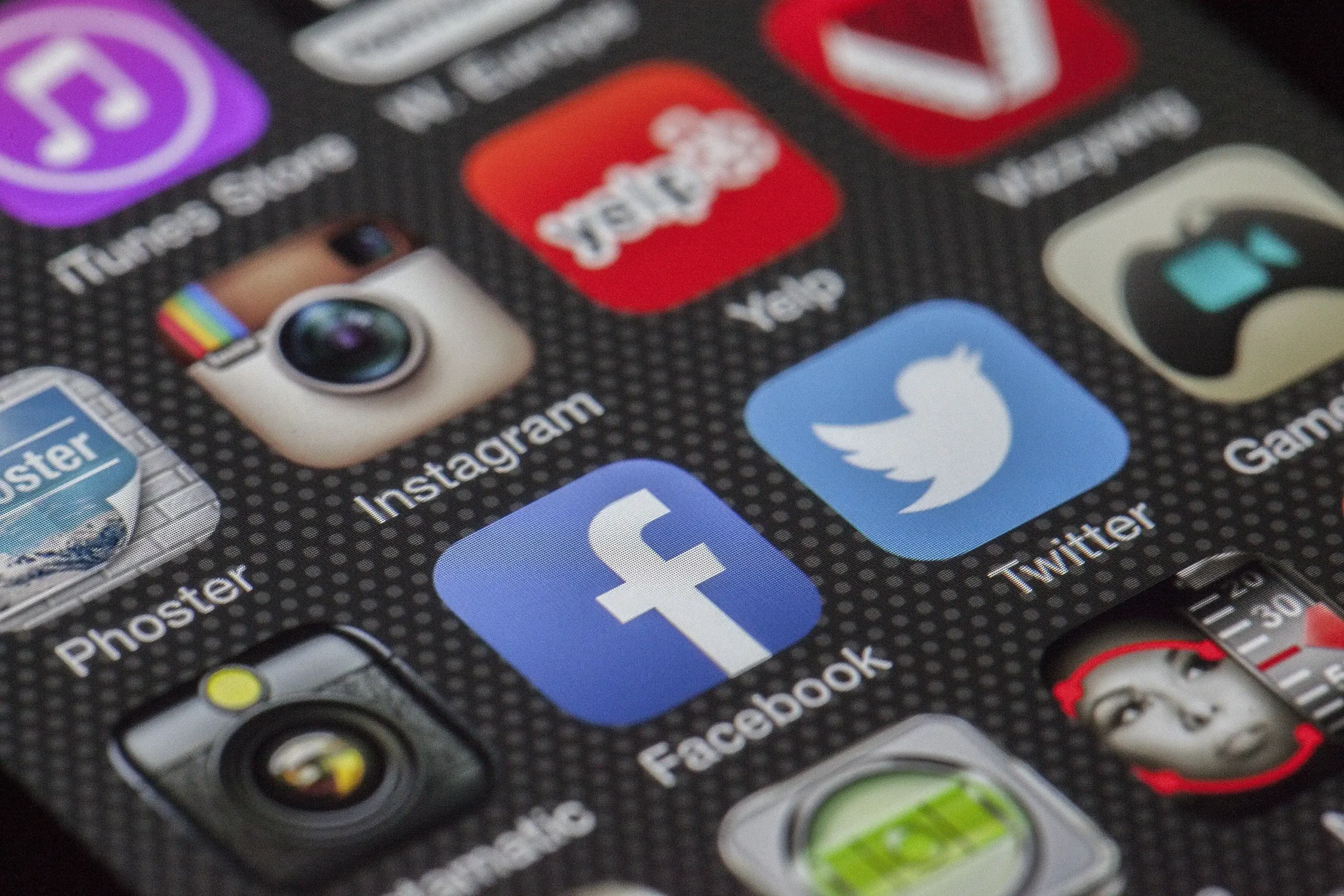
The government says the ban will cover major platforms expected to include Instagram, TikTok, Snapchat, YouTube, Facebook and X, with WhatsApp and Signal excluded.
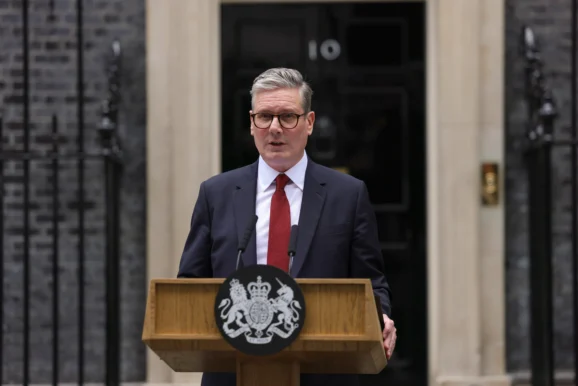
“This is a line in the sand,” the Prime Minister said yesterday. “Tech giants had their chance and failed, but we’re stepping in to protect children, back parents and set a new normal for future generations.”
Ministers have presented the policy as a landmark intervention to protect children’s happiness, mental health and safety online, while the move has also been welcomed by parents and campaigners who have long called for tougher action against social media companies.
But leading experts have shared contrasting views about whether the ban – expected to come into force next spring – will protect children or push online risks further out of sight. Some believe blocking under-16s from the largest platforms may reduce some exposure, but leaves those systems operating for everyone else and gives companies less incentive to redesign them.
Elvira Perez Vallejos, Professor of Digital Technology for Mental Health at the University of Nottingham, said the policy was “a blunt instrument that misidentifies the root problem”.
“The primary threat to children online is not access to harmful content, but the data extractive business models and persuasive designs of tech platforms,” she said.
“By focusing entirely on access rather than platform architecture and design, the policy fails to make social media inherently safer (social media was not designed for children after all). A superior approach would be robust legislation that forces tech companies to dismantle toxic algorithms, infinite scroll, and predatory engagement loops for all users, thereby prioritising child well-being.”
Dr Rachael Kent, Senior Lecturer at King’s College London, said platforms had been engineered for sustained use through personalised recommendation systems, infinite scroll, push notifications, behavioural profiling and algorithmic feeds.
“These features are not neutral,” she said. “They are designed to capture and retain attention.”
Dr Hisham Al-Assam, Associate Professor in Computing at the University of Buckingham, said effective age verification and privacy-preserving access were difficult to reconcile.
To keep under-16s out, platforms will need to know who is under 16. This means many adults may also be required to prove their age, creating a wider privacy issue around passports, facial scans, credit-card checks or other forms of digital identity.
“In practice, you can have either digital anonymity or an enforceable ban, but not both,” he said.
Australia introduced its under-16s social media ban in December 2025, but early evidence suggests many teenagers are still finding ways to access platforms. The risk for Britain, some experts believe, is that children in the UK may continue using social media while pretending to be older, which could expose them to adult settings, weaker safeguards and more inappropriate content.
Dr Liam Berriman, Associate Professor in Childhood and Youth Studies at the University of Sussex, said the policy was “in danger of backfiring”.
“Young people are likely to find a way round the new law, and when they do their profiles will be adult profiles, which means the algorithms will serve up even more inappropriate content,” he added.
Experts also warned that children who break the rules may be less likely to ask adults for help.
A child who sees disturbing content, is contacted by a stranger or is bullied after bypassing restrictions may fear punishment for being on the platform in the first place, making some harms harder for parents, teachers and researchers to spot.
Matt Williams, Director of HateLab and Professor of Criminology in the School of Social Sciences at Cardiff University, said risk was unevenly distributed and shaped by platform design, vulnerability and the way young people use online spaces.
“Therefore, the key test is whether this particular intervention reduces exposure to harm without displacing young people into less visible, less regulated and less researchable spaces,” he said.
Others have warned that LGBTQ+ young people, disabled children, young carers, neurodivergent teenagers and children with ongoing health needs may be particularly affected if online support networks are removed without strong alternatives.
Dr Claire Haworth, Professor of Behavioural Genetics at the University of Bristol, said ministers should be careful about promising too much from the ban.
“My concern is that a blanket ban may be a distraction from other important influences on young people’s mental health and wellbeing,” she added.
And Dr Lizzy Winstone, Senior Research Associate at the University of Bristol Medical School, said children may reach 16 with less experience of online spaces and fewer chances to develop digital judgement under adult guidance.
“My main concern is that a ban could create a false sense of safety,” she said.
READ MORE: Why social media bans won’t save our kids. Politicians are rushing to block under-16s from social platforms, but the danger runs much deeper than screen time or teenage scrolling, warns Vendan Ananda Kumararajah. The real threat lies in systems built for profit, not childhood, and only a redesign of the platforms themselves will make the online world genuinely safe for young people.
Do you have news to share or expertise to contribute? The European welcomes insights from business leaders and sector specialists. Get in touch with our editorial team to find out more.
Main image: Pixabay