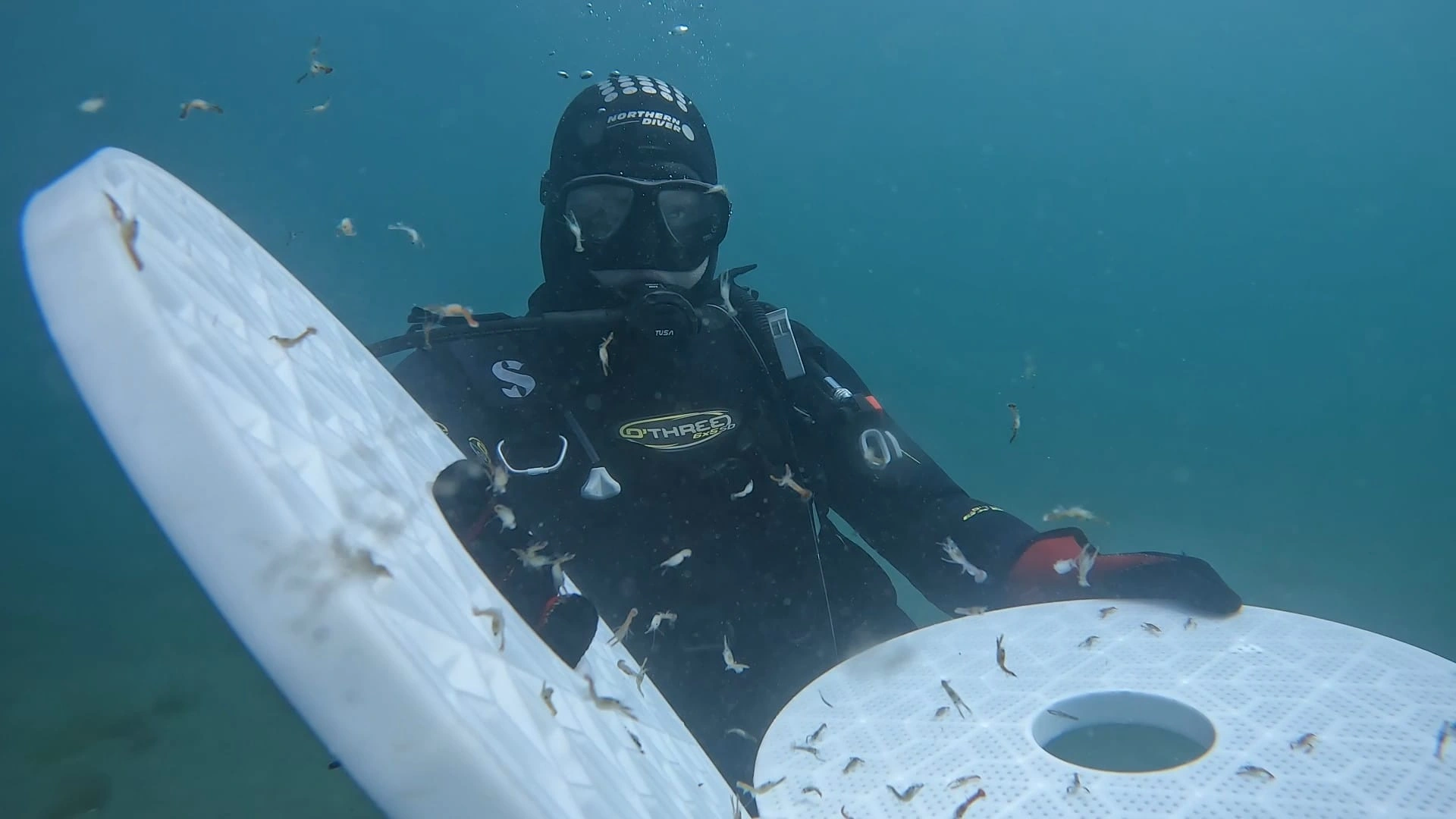
Joining the world’s first-of-its-kind baby lobster release course, The European’s Ben Hooper discovers how a pioneering marine biologist and diving instructor, working alongside the National Lobster Hatchery, is helping give Britain’s lobsters a better chance of survival in the face of commercial fishing, warming seas and growing octopus predation
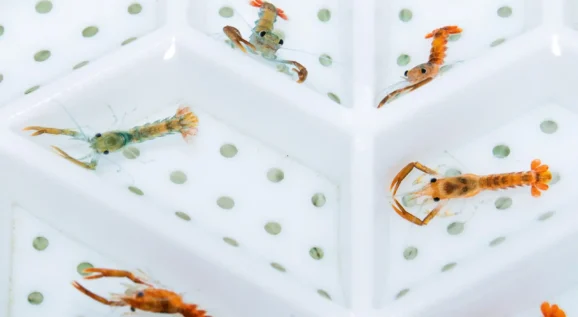
The baby lobster in my palm, fully formed as it was, was barely longer than my thumb.
It could have had no idea that it was part of a conservation programme, or that its species sits at the centre of growing concerns about warming seas, changing ecosystems, fishing pressure and how marine conservation is funded. Mostly, I suspect, it just wanted to swim into the deep blue – a feeling I know well.
But without a helping hand, Britain’s lobsters face a worryingly uncertain future.
Commercial fishing remains an obvious pressure, while warming seas are changing the conditions in which marine species live. It has led to a sharp increase in the number of common octopuses, which are highly effective predators of lobsters.
For young lobsters trying to survive their first years on the seabed, the odds of survival are only becoming more difficult.
It was against this backdrop that I found myself in Cornwall last month, to take part in the UK’s first formally accredited Lobster Release Diver speciality course. Backed by the National Lobster Hatchery, a registered charity in Padstow, the course is recognised by Scuba Diving International (SDI) and teaches divers how to release hatchery-reared juvenile lobsters into carefully selected habitat where they have the best possible chance of surviving.
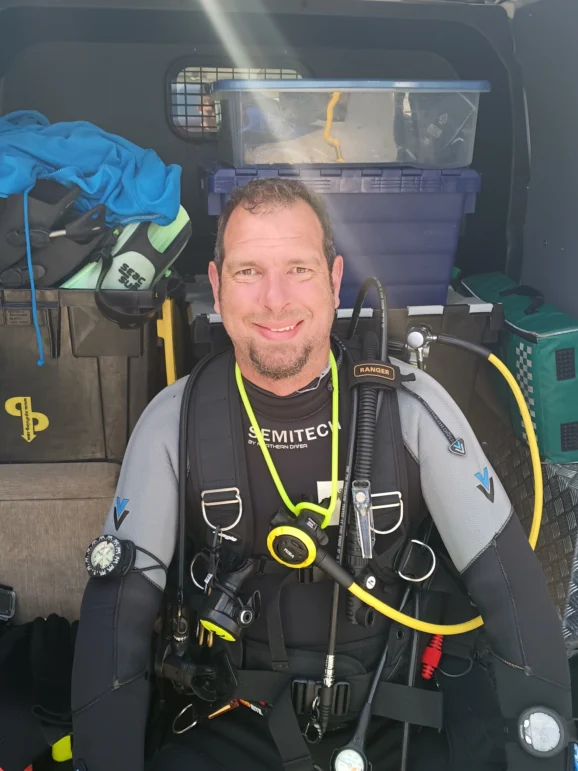
The brainchild behind it is Ryan Hunnisett, a marine biologist, conservationist and diving instructor who runs diving school Scuba Ry Divers in Helston, some 12 miles east of Penzance,. He is also an ambassador for the hatchery, and has spent years organising releases, giving conservation talks and helping divers just like me become directly involved in protecting our coastal ecosystems.
The weekend I arrived, blessed by glorious summer sunshine, included full training and a visit to the hatchery before ending underwater, releasing juvenile European lobsters into a suitable seabed habitat, at a depth of around 12 metres.
Before the dive, I wanted to understand more about what I would be putting into the sea.
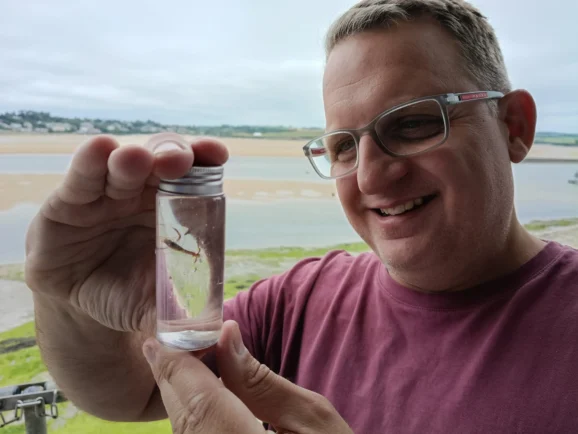
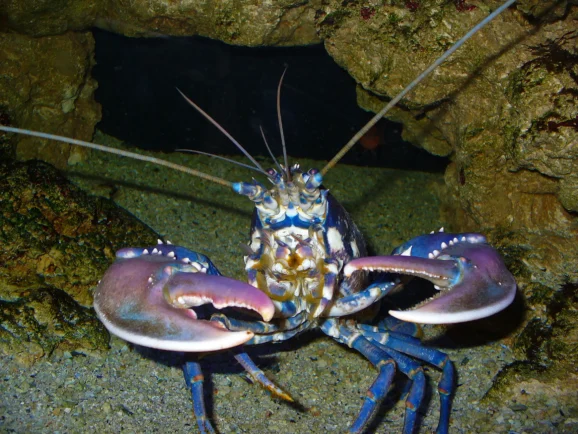
European lobsters (Homarus gammarus) live around rocky shores, subtidal seabeds, rock pools and crevices. They are scavengers, feeding on animals they find on the seafloor. Their ecological significance varies between habitats, but their value extends way beyond their restaurant price, being a vital food source not just for humans but for the wider ecosystem.
“Everything eats them from their larval stages in the plankton to their adult sizes in deeper water,” Hunnisett told me from his dive HQ in Helston.
“They are also the clean-up crew, eating dead animals and removing waste from the seafloor.”
According to the Marine Conservation Society, female European lobsters can live for up to 50 years and can carry between 5,000 and 40,000 fertilised eggs on their legs for around 12 months before they hatch.
That might sound like a lot of new lobsters but juveniles are particularly vulnerable to fish, crabs and other predators, including the rising number of octopuses, which Hunnisett says are “formidable lobster hunters”.
Rising sea temperatures are encouraging common octopuses, once regarded as occasional visitors to Britain’s shores, to appear more frequently and extend their range. During 2025 and into 2026, the Marine Management Organisation reported a surge in common-octopus sightings and landings in South-West England.
Ryan says the change has become increasingly noticeable to people who spend time underwater, and that’s bad news for lobsters.
“Common octopus are immensely intelligent creatures that have found lobsters an easy meal,” he said.
“Octopus can squeeze into the tightest gaps because they don’t have a skeleton and can catch lobsters unawares from behind inside small caves, holes and cracks in the rock.
“They’ve even been reported entering lobster pots to prey on the animals trapped inside.”
Commercial fishing places another pressure on lobster populations. The animals remain an important catch for Cornwall’s inshore fleet: Cornwall Inshore Fisheries and Conservation Authority (CIFCA) recorded 168.4 tonnes of lobster landed through potting and netting in 2022, worth around £1.52 million. The danger comes when too many lobsters are removed from the population, particularly before they have had the chance to breed.
The county has already experienced the consequences. During the late 1980s and early 1990s, lobster catches off the coast of Cornwall fell even as fishing effort increased, eventually prompting tougher controls, including larger minimum landing sizes and protection for egg-bearing and V-notched females.
And that’s how the hatchery came into being. It was founded in 2000 by Eddy Derriman, then Cornwall’s chief sea fisheries officer, partly in response to plummeting lobster stocks elsewhere in Europe.
“During the 1980s, the lobsters in Scandinavia were fished to a very low volume and, despite heavy restrictions on fishing, the populations didn’t recover,” Ben Marshall, the hatchery’s head of production, explained.
“It was Eddy’s thought that we should begin the learning process of how we could mitigate such a situation if it were to happen in Cornwall.”
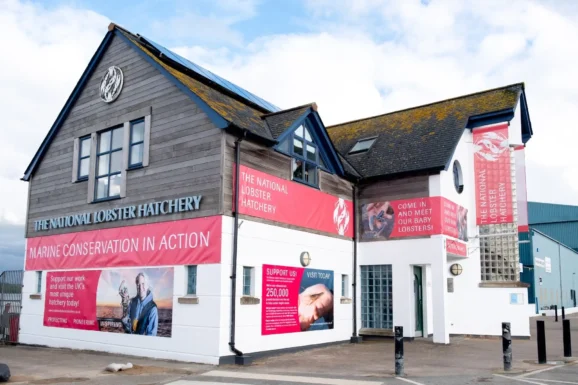
My visit to Padstow revealed just how much work takes place before a diver ever reaches the water. The hatchery combines stock enhancement, education and research, raising juvenile lobsters through some of the most vulnerable stages of their lives before releasing them into the sea.
“From hatching, the lobsters spend around eight weeks with us,” Marshall said.
“We grow them on through several life stages until they are ready to begin their life on the seabed. It is at this point in their life that their survival chances increase massively. In their early stages, they are ‘living fish food’ in the wild.”
Hunnisett’s involvement began in 2017 when, as an experienced scuba diver with a keen interest in marine conservation, he went looking for a practical way to take part in lobster releases himself.
With a degree in Applied Marine Zoology, he contacted the hatchery and subsequently carried out his first release on the Devon-Cornwall border before becoming more closely involved with the charity’s work and volunteering with their outreach team.
If you’re wondering why baby lobsters benefit from divers assisting their release, the answer is simple: they allow juvenile lobsters to be placed in safer areas that are difficult to reach from the surface.
“Divers can reach the areas that fishers and hatchery staff can’t reach,” Hunnisett said.
“Juveniles are very small – about the size of your thumbnail – and are easy prey for fish, crabs and even other lobsters.
“We give the baby lobsters a better chance of survival by settling them into good healthy substrate close to a reef or rocks, where they can dig, burrow and shelter from predators.
“They can find plentiful food, moult in safety and eventually, when they come of age, breed successfully themselves”.
But while he was able to come to the lobsters’ aid, Hunnisett wanted to go further, helping remove the barriers that have prevented more divers from getting involved in release programmes.
He said: “Many divers feel like they need a university degree or several years’ diving experience before they can take part in a lot of marine conservation or biology projects.
“In reality, they don’t need any scientific background. Anyone can take part once they have passed their open-water scuba-diver course.”
This led Hunnisett, who qualified as an SDI Dive Instructor after the pandemic, to develop the world’s first two-day Lobster Release Diver course, which became a formally accredited SDI speciality course last year.
“It creates a route that allows divers to participate directly in marine conservation,” he added.
“All we ask is that divers have 25 or more logged sea dives and have done at least two UK sea dives within the last 12 months prior to the release date. That’s it. Make it easy for divers to get involved and the divers will get involved.”
My own weekend began with a diving refresher, followed by a visit to the hatchery. This is a key part of the training according to Hunnisett, as understanding the work and money involved in raising lobsters through their larval stages helps “reinforce that we are not here to simply feed the fish at the other end”.
After training, I finally headed for the water carrying a series of cylindrical containers, each divided into individual compartments to keep the juvenile lobsters apart – a necessity to stop them eating one another before they could be released.
The containers must be taken down to the seabed before they are opened, allowing the juvenile lobsters to quickly settle into suitable habitat off the south and west coast of Cornwall – among sandbanks or, ideally, close to rocks, cracks and other shelter.
Trained divers can make decisions about the release site once they are beneath the surface.
“We can change or adapt the release site mid-dive if we feel that the mortality rate is too high in a specific area, because we can see it happen in real time,” said Hunnisett.
I found the release to be unexpectedly emotional, and apparently I’m not alone.
Hunnisett said: “The gratification and contentment when releasing baby lobsters for the first time is immensely satisfying for pretty much every diver that has joined us doing this over the years.
“On several occasions we have had divers and snorkellers join us who joke about how much they love eating lobster because it tastes good, only to then release the babies and afterwards state they don’t think they could ever eat lobster again.
“It’s not an experience you can find anywhere else.”
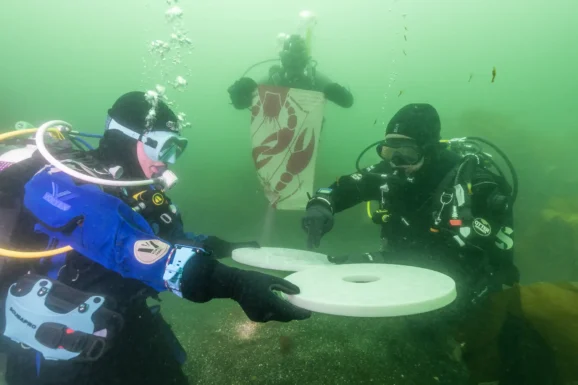
It is a modest act: one lobster, one diver and one small patch of seabed. But having dived for some years, I can only agree with my instructor. It was a truly humbling experience.
We are playing a probability game, trying to improve the chances that each animal will survive long enough to grow, moult and eventually reproduce.
Once the lobster disappears into its new surroundings, there’s no guarantee of a bright future. The aim is simply to give each lobster a better beginning.
Marshall summed it up: “We are often asked why we do our work since they are likely to be caught anyway.
“But lobsters are very important in maintaining the environment to the benefit of many species. It is important that we don’t catch them all.”
For Hunnisett, the motivation is simple. “It’s that sheer joy of giving back to nature, which is why we’ll keep doing it for many more years to come.”
Here, we can all do our bit.
The National Lobster Hatchery, which became a charity in 2004, receives no routine central or local government funding for its day-to-day operations, and no regular funding from local fisheries. This is, I believe, a shocking indictment of how poorly we fund practical marine conservation in this country, particularly when the health of our seas and the species within them supports an entire coastal economy.
“The main source of funding is the people who pay to visit us and see our work in real life at our visitor centre in Padstow,” Marshall explained.
“With a larger budget, we could operate more production sites around the county to increase total output.”
He also believes stock enhancement could eventually be expanded beyond Cornwall and beyond lobsters, provided it is properly supported.
“The idea of stock enhancement need not be focused just on lobsters. Many species which are commercially fished could benefit from this approach – simply getting numbers of animals through their early, vulnerable life stages to help population recruitment.”
Government, local authorities, fisheries, restaurants, tourism businesses and the wider seafood economy all benefit from healthy coastal ecosystems, so it’s reasonable to think that they should help fund the institutions working to sustain them.
And the growth of courses such as Hunnisett’s SDI Lobster Release Diver will ensure there are enough divers to lend their support.
The momentum certainly seems to be there, according to Hunnisett.
“Quite a few divers from around the UK have travelled to the dive centre to train as Lobster Release Divers,” he said.
“The next step is building a big enough network so that trained divers are already in place for when lobster releasing becomes a more nationally recognised activity”.
His advice to divers who enjoy the sea but have never considered becoming involved in conservation is straightforward.
“Get involved, even if it is something small like litter picking or releasing baby lobsters. Any form of conservation makes a big difference, and you don’t need a science degree to do it.”
For me, the weekend still comes back to the lobster I held and eventually released.
It may survive; it may not. It may be eaten by a fish, a crab, another lobster or an octopus. The sea offers no guarantees, but conservation can improve the odds.
For a few moments, I had held those odds in my hand. That tiny lobster was ecology in armour and a small measure of how seriously we should take the seas we claim to love.
Get involved in lobster conservation
If Ben’s experience has inspired you to get involved, there are several ways to take part, whether you’re an experienced scuba diver, a relative newcomer or would rather stay closer to the surface. Here’s what you need to know.
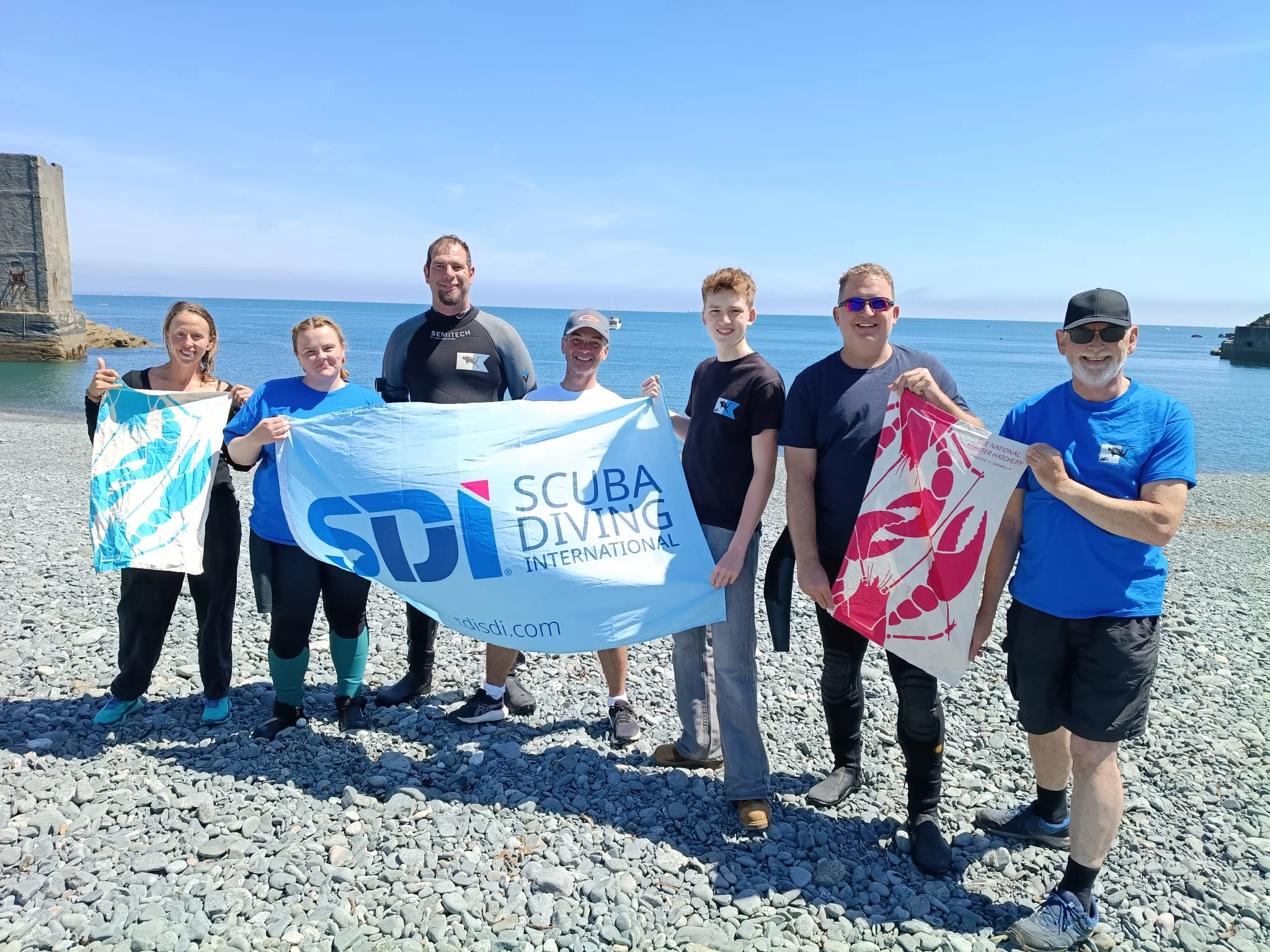
Take the course: The two-day SDI Lobster Release Diver speciality course is run by Scuba Ry Divers in Cornwall and costs £100. Participants need an Open Water qualification or equivalent, plus either at least 25 logged sea dives or the SDI Shore/Beach Diver Specialty.
Where: Scuba Ry Divers is based at 6 Wendron Street, Helston, Cornwall TR13 8PS. Lobster releases take place at different locations, so participants should confirm the meeting point when booking.
Visit the hatchery: The National Lobster Hatchery is at South Quay, Padstow, Cornwall PL28 8BL. Its visitor centre is open daily from 10am to 4pm. Current annual-pass admission is £9 for adults, £7 for children aged 3–15 and £29 for a family of two adults and two children.
Try it for a day: A separate £60 per-person one-day lobster-release training experience begins at the National Lobster Hatchery before moving to one of its regular shore-dive sites.
Prefer to snorkel? Scuba Ry also offers a one-day Lobster Release Snorkel Experience for £30 per person. No previous snorkelling experience is required and equipment can be provided.
The European received no payment, discount or complimentary services in connection with this feature. Ben Hooper paid the full cost of his course and associated expenses.
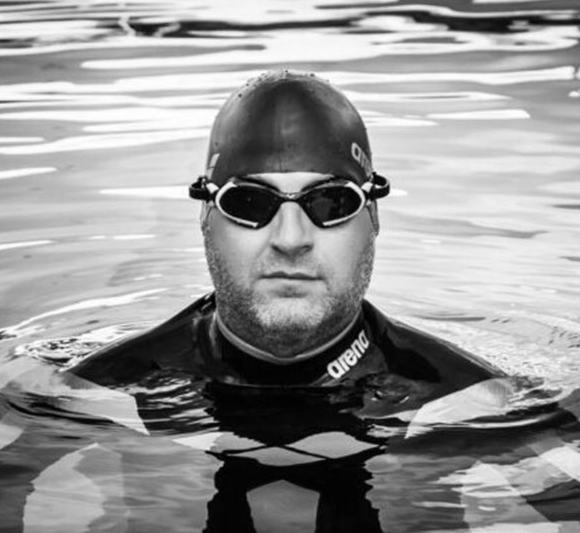
Ben Hooper made global headlines with his bid to swim every mile of the Atlantic Ocean — a challenge Sir Ranulph Fiennes OBE called “the last great bastion to be conquered.” His four-month, 2,000-mile route from Senegal to Brazil, known as Swim the Big Blue, was derailed mid-Atlantic after his support vessel was damaged by storms, despite him surviving a near-fatal encounter with thousands of Portuguese Man O’War. He remains the only person with a WOWSA-verified attempt at the feat.
READ MORE: Ukraine joins European environment network in major conservation step after war damage to land and wildlife. European Environment Agency says new status will help Kyiv improve monitoring, data and environmental protection as Russia’s invasion damages land, water, air quality and protected areas.
Do you have news to share or expertise to contribute? The European welcomes insights from business leaders and sector specialists. Get in touch with our editorial team to find out more.
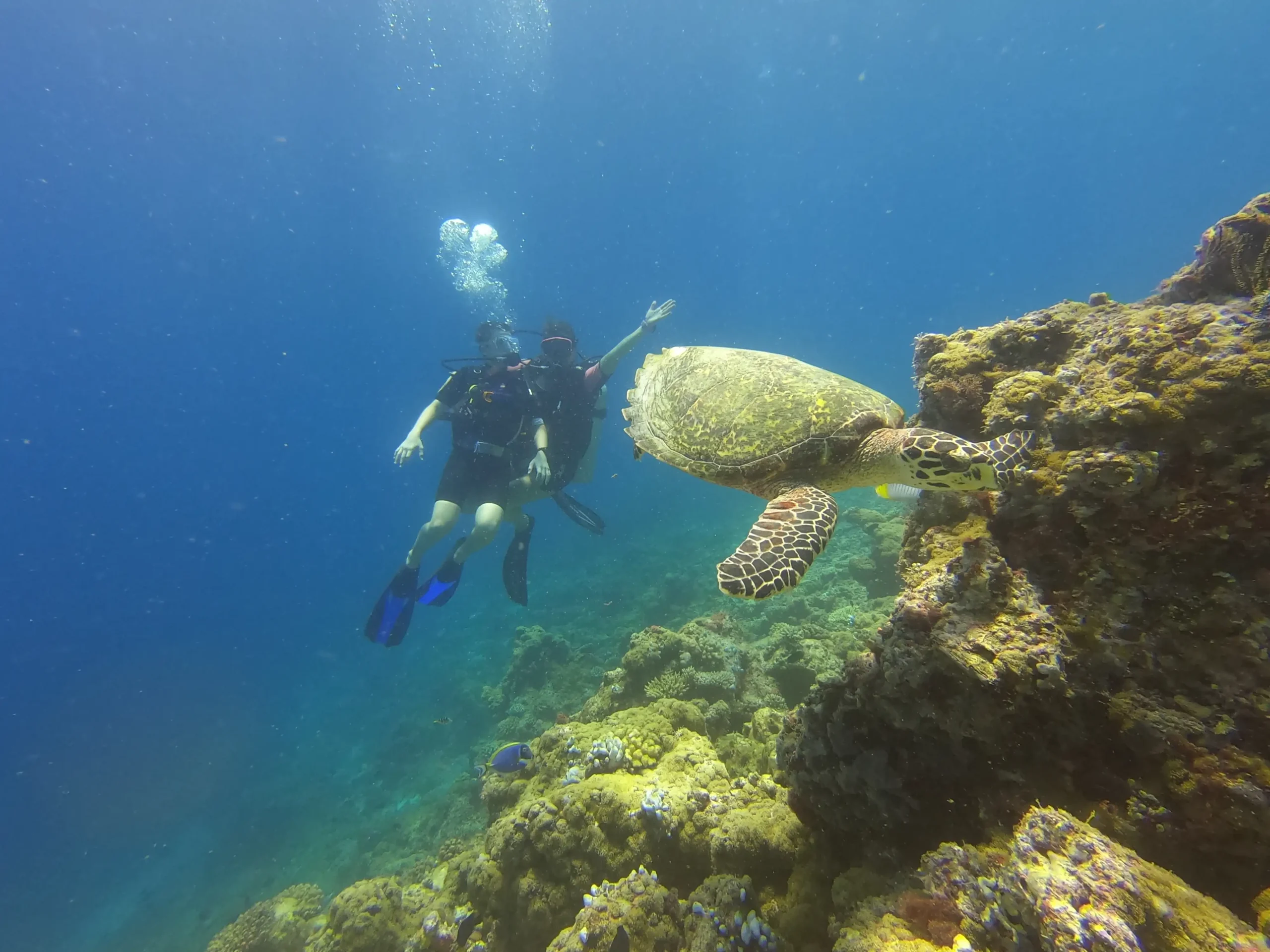
Main image: Into the wild: Ben Hooper releases juvenile lobsters onto the seabed off the Cornish coast, giving them the chance to find shelter and begin life in their natural habitat. Credit, Ben Hooper.