The Little Mermaid, plenty of hygge and a city built for bicycles. Motoring editor Mark Whitchurch swaps four wheels for two to discover why now is the perfect time for a long weekend in Copenhagen
Copenhagen is officially one of the happiest places on Earth, and after three days there it isn’t hard to see why.
Denmark’s capital is home to around 660,000 people, rising to almost 1.4 million across the wider metropolitan area. Built across the islands of Zealand and Amager, it faces Sweden across the narrow Øresund Strait, with Malmö just 26 miles away. Since the Øresund Bridge opened in 2000, the two cities have become closely linked, with thousands of commuters crossing between Denmark and Sweden every day.
The city began life more than 800 years ago as a Viking fishing settlement, taking its name from Købmannahavn – “Merchants’ Harbour” – before growing into one of northern Europe’s most important trading ports. Today it remains Denmark’s political, royal, financial and cultural heart. Christiansborg Palace houses Parliament, the Prime Minister’s Office and the Supreme Court, while nearby Amalienborg Palace remains home to the Danish royal family. Much of the historic centre can still be explored on foot, with colourful waterfronts, cobbled streets and grand squares sitting alongside striking examples of modern Scandinavian architecture.
What makes Copenhagen feel different from many European capitals, though, isn’t simply its history but its pace. Life here is deliberately unhurried. Cafés fill from breakfast until late afternoon, people linger over lunch without watching the clock and the city rarely feels frantic, even in the height of summer.
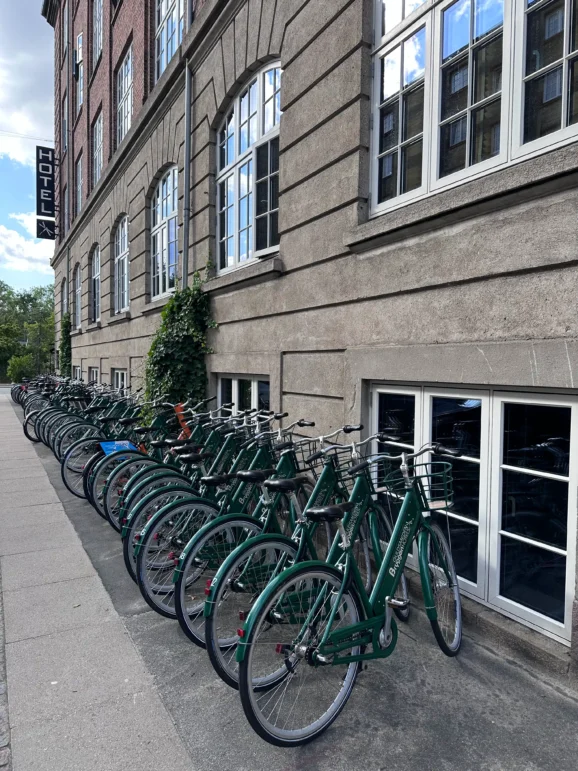
The biggest surprise for many British visitors is just how completely Copenhagen has embraced the bicycle. More than half of residents cycle to work or education each day using hundreds of miles of segregated cycle lanes, dedicated bridges and “cycle superhighways”. Cars are present, but they rarely dominate the streets in the way they do elsewhere, helping to create a city that feels quieter, cleaner and remarkably relaxed.
As a motoring editor, arriving in a city where the bicycle rather than the car dictates the rhythm of daily life was fascinating. Drivers wait patiently for cyclists, junctions are designed around people rather than traffic and electric cars quietly share the streets without dominating them. Cars still have their place, but every part of the transport network seems designed to make life easier for the people who live there.
Much of that atmosphere is wrapped up in the Danish idea of hygge (pronounced HOO-gah). Abroad it is often reduced to candles, blankets and cosy interiors, but in Copenhagen it feels much broader than that. Hygge is about making time to enjoy simple pleasures, whether that’s sharing a drink beside Nyhavn harbour, lingering over coffee with friends or simply slowing down long enough to appreciate where you are.
Copenhagen regularly ranks among the world’s happiest and most liveable cities thanks to its combination of high quality of life, excellent public transport, green spaces, low crime and strong work-life balance. Spend a few days wandering its streets and it becomes easier to understand why.
We travelled to Denmark to find out whether the reputation matches the reality – and whether Copenhagen deserves a place on every British traveller’s bucket list. Here’s everything we discovered in our three short days there, together with everything you need to know before you go.
What to see
Base yourself somewhere near the harbour and most of Copenhagen is within easy reach. We stayed in Islands Brygge, a relaxed waterfront neighbourhood where locals swim before work, sunbathe on timber platforms and glide past each other on bicycles with barely a raised voice. It is difficult to imagine anything similar on the Thames.
The harbour itself is clean enough to swim in after decades of environmental investment, with several free public harbour baths dotted along the waterfront. Visit in summer and pack your swimwear. Joining the locals for a dip quickly becomes one of those “only in Copenhagen” moments.
A short walk across the elegant Lille Langebro footbridge brings you to Christiansborg Palace, home to the Danish Parliament, the Prime Minister’s Office and the Supreme Court. British visitors may do a double take: there are no imposing security fences or concrete barriers. You simply walk up to one of the country’s most important government buildings.
From there it’s easy to wander through Indre By, Copenhagen’s compact old town. Gammel Strand hosts a small antiques market selling everything from mid-century ceramics to brass candlesticks, while the surrounding streets are lined with independent boutiques, cafés and centuries-old buildings. On Kongens Nytorv don’t be surprised to find locals playing footvolley – essentially football played with volleyball rules – in the middle of one of the city’s grandest squares.
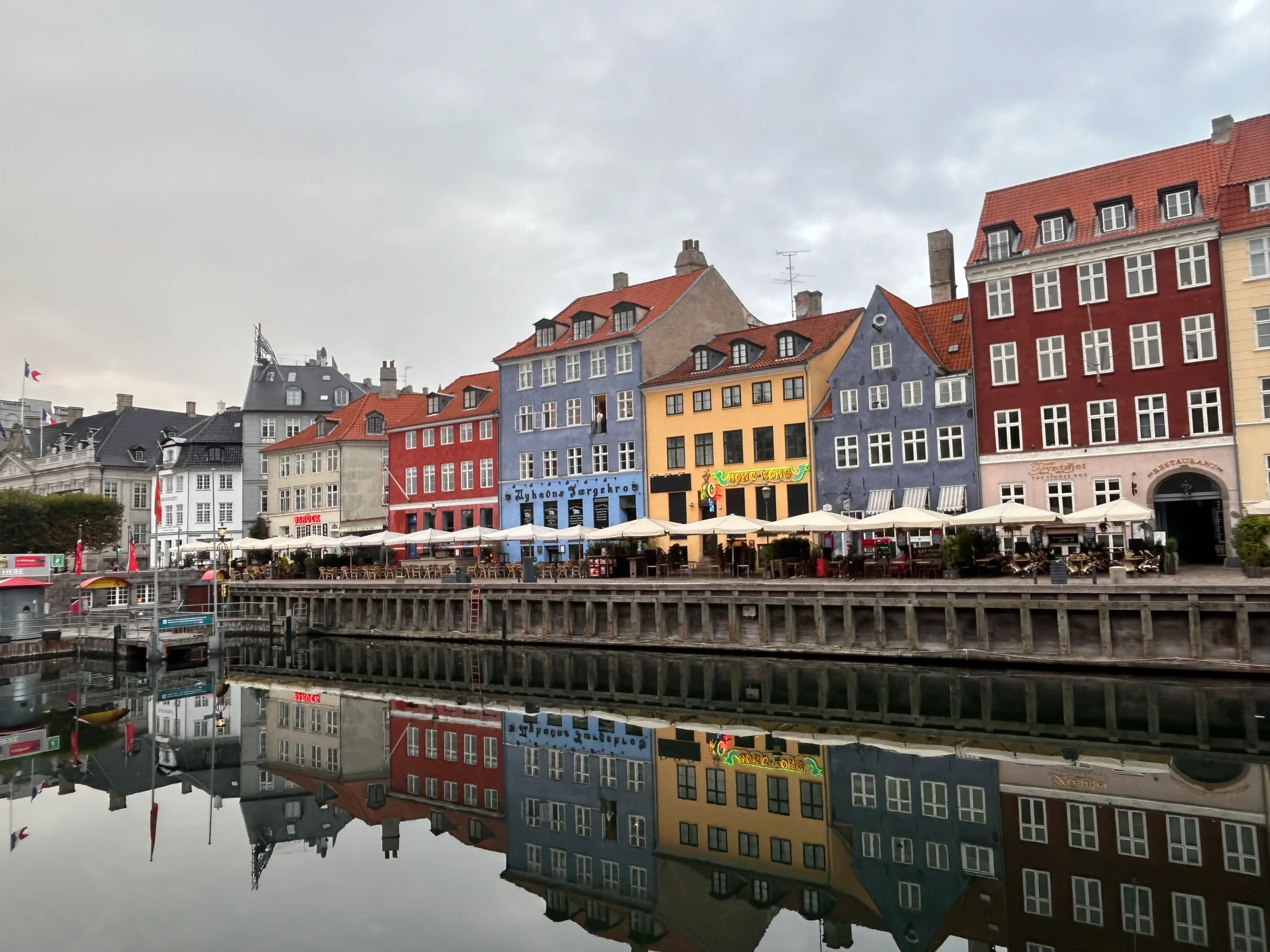
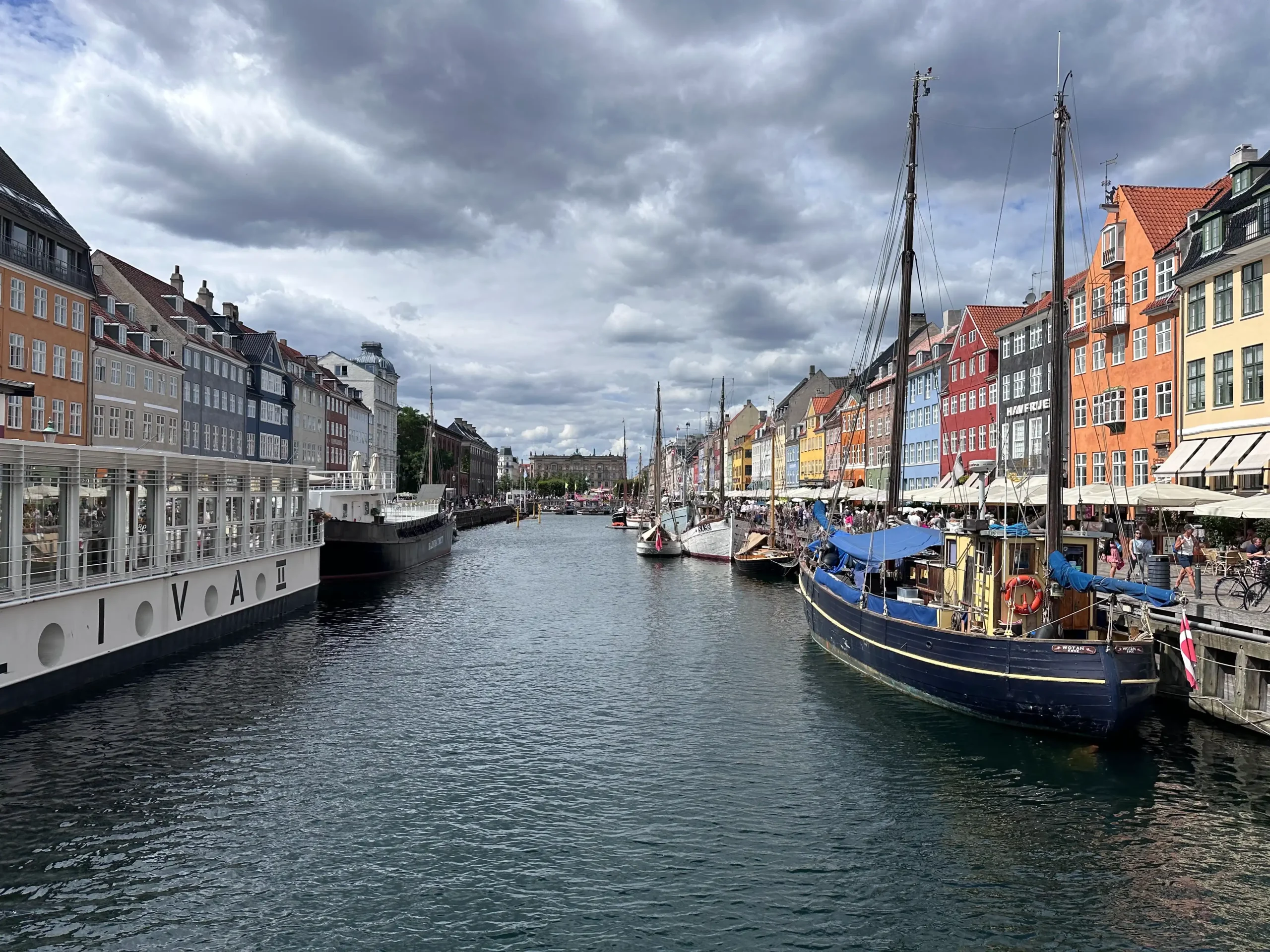
No visit is complete without Nyhavn. Yes, it’s busy, yes, it’s touristy, and yes, you’ll probably pay over the odds for a drink. But the colourful 17th-century townhouses, old wooden ships and constant buzz explain why it appears on almost every postcard and Instagram feed. Go for the view rather than the meal.
Then there’s Christiania, Copenhagen’s famous self-governing community, founded by squatters in 1971 on a former military site. It feels like stepping into another city entirely. Houses have been built from reclaimed materials, murals cover almost every available wall and photography is prohibited along the notorious Pusher Street, where cannabis has long been sold openly despite repeated attempts by the authorities to curb the trade. Whether you love it or loathe it, nowhere else in Copenhagen feels quite like it.
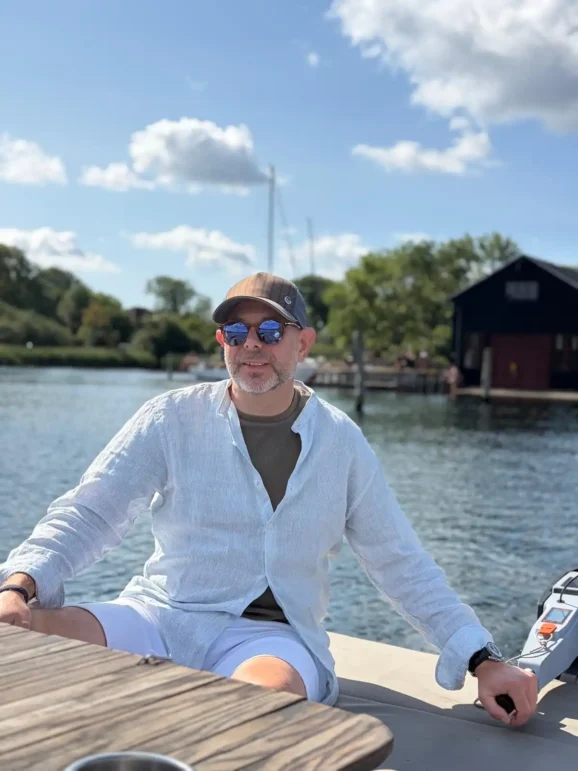
For a completely different perspective, hire an electric boat from GoBoat at Islands Brygge. No licence is needed and, after a brief safety briefing, you’re free to potter around the harbour at your own pace. Pack breakfast or pick up coffee and pastries beforehand – drifting quietly through the canals while the city wakes around you turned out to be one of the highlights of the trip. Passing the Danish Architecture Centre, the regenerated waterfront, Christianshavn and rows of expensive yachts proved considerably better value than many organised canal cruises.
Continue on to nearby Papirøen (Paper Island), one of Copenhagen’s newest waterfront neighbourhoods, where locals gather to sit beside the harbour while looking across to the striking Royal Danish Opera House and The Playhouse. It neatly sums up modern Copenhagen, where ambitious architecture, public spaces and the water all seem to work together rather than compete for attention.
Then there’s Copenhagen’s most famous resident: The Little Mermaid. If you’re expecting something monumental, prepare for disappointment. At just 1.25 metres tall, Hans Christian Andersen’s heroine is surprisingly modest and almost permanently surrounded by visitors queuing for the same photograph.
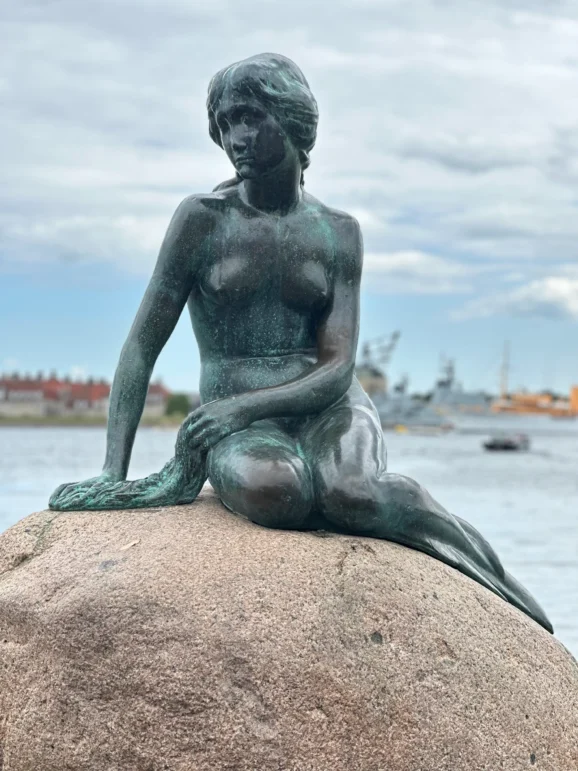
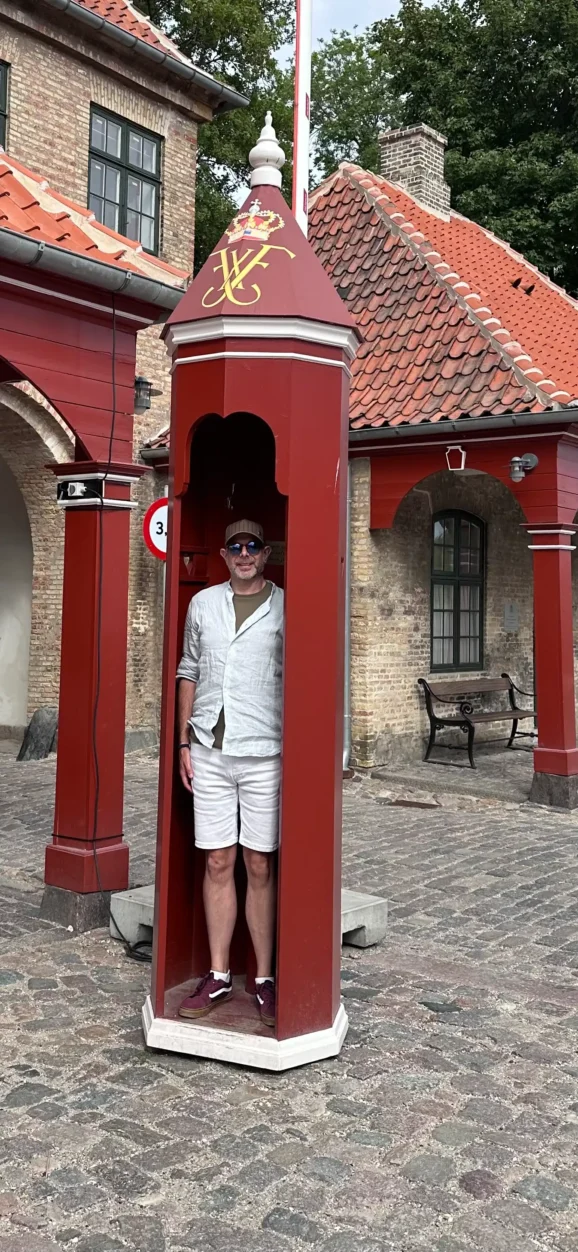
The walk there is arguably the real attraction. It takes you past the fountains of Amaliehaven, Amalienborg Palace where the royal guards stand watch, and Frederik’s Church, whose vast green copper dome dominates the skyline. Construction began in 1749 but the church was not finally completed until 1894, almost 150 years later. A few minutes further on sits Kastellet, one of Europe’s best-preserved star-shaped fortresses. Built in the 1660s, it remains an active military site but is free to enter, offering peaceful ramparts, historic buildings and some of the best harbour views in the city. The Danish royal yacht is often moored nearby, adding another reminder that, in Copenhagen, royalty is never very far away.
As we left the fort, a beautifully restored black Porsche 356 Spyder rolled quietly past. Even in one of Europe’s great cycling cities, it was impossible not to stop and admire it.
Where to stay
Copenhagen isn’t a cheap city, but there is accommodation to suit almost every budget, from luxury waterfront hotels and stylish boutique properties to family-friendly apartments and well-designed hostels. Wherever you stay, one thing quickly becomes clear: the city is compact. Most neighbourhoods are connected by excellent public transport and cycle routes, so you’re rarely more than 20 minutes from the main sights.
Couples looking for a romantic city break are well served by boutique hotels around the historic centre and waterfront, while families may find apartment hotels or self-catering accommodation better value, particularly if travelling during the school holidays. Solo travellers and those on tighter budgets will find plenty of modern hostels and smaller hotels, many offering private rooms alongside traditional dormitories.
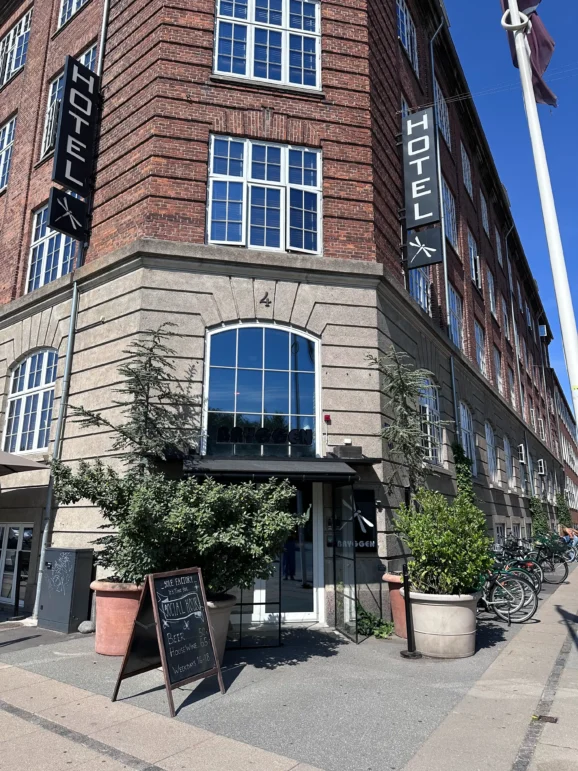
We stayed at Bryggen Guldsmeden in Islands Brygge, a boutique hotel combining Scandinavian simplicity with Balinese-inspired furnishings, reclaimed wood and a relaxed, eco-conscious feel. Our room overlooked the courtyard pool from a private balcony, while the sauna and steam room became a welcome ritual before breakfast and after a day exploring the city. Rooms typically start at around £150 a night, which is reasonable by Copenhagen standards, and the hotel strikes an excellent balance between comfort, character and location.
If you’re visiting for the first time and want to step straight out into the city’s historic streets, Indre By is the obvious choice. Copenhagen’s old town places you within walking distance of Nyhavn, Strøget, Amalienborg Palace, Christiansborg and dozens of cafés, bars and restaurants. It’s also where many of the city’s higher-end hotels are found, although you’ll generally pay a premium for the location.
Families may also want to consider Østerbro, a quieter residential district with parks, wider streets and easy access to attractions including the Little Mermaid and Kastellet, while Nørrebro offers a more multicultural, bohemian feel, with independent shops, bakeries and some of the city’s best-value places to eat.
At the luxury end of the market, Copenhagen offers everything from grand historic hotels overlooking King’s Square to five-star waterfront properties with spas, Michelin-starred restaurants and harbour views. At the other end of the scale, modern hostels such as Steel House Copenhagen and Next House Copenhagen have helped redefine budget accommodation, offering stylish private rooms alongside shared dormitories, communal kitchens, gyms and social spaces that appeal as much to couples and families as backpackers.
Food and drink
Copenhagen has an outstanding café culture, excellent bakeries on almost every corner and a growing number of food markets, meaning you don’t need to spend a fortune to eat well.
A good place to start is Broens Street Food, just across the harbour from Nyhavn. Set inside a former industrial area, it’s home to dozens of independent food stalls serving everything from Danish classics and seafood to Asian street food, burgers and tacos. It’s also an excellent place to try smørrebrød, Denmark’s famous open rye sandwiches, which remain one of the country’s best-known traditional dishes. We opted for a chicken salad with white asparagus and bacon on rye bread for around £10 – fresh, generous and perfect for lunch without denting the travel budget. The lively atmosphere and communal seating make it just as enjoyable as the food itself.
If you’re exploring the city centre, keep an eye out for the seasonal food market at Højbro Plads. Even if you’re not hungry, it’s worth stopping for a coffee and a pastry while watching Copenhagen life drift by. Throughout the city you’ll also find excellent coffee shops, where lingering over a flat white and a cinnamon bun feels less like grabbing breakfast and more like participating in the Danish way of life.
For a more traditional meal, Skipperkroen on Nyhavn offers classic Danish dishes in one of the city’s most recognisable settings. Sitting outside with a Hugo Spritz as boats bob along the canal is part of the experience. We enjoyed lobster soup followed by salmon tartare, with drinks bringing the bill to around £60 per person. You’re paying as much for the location as the cooking, but for many visitors that’s part of the appeal.
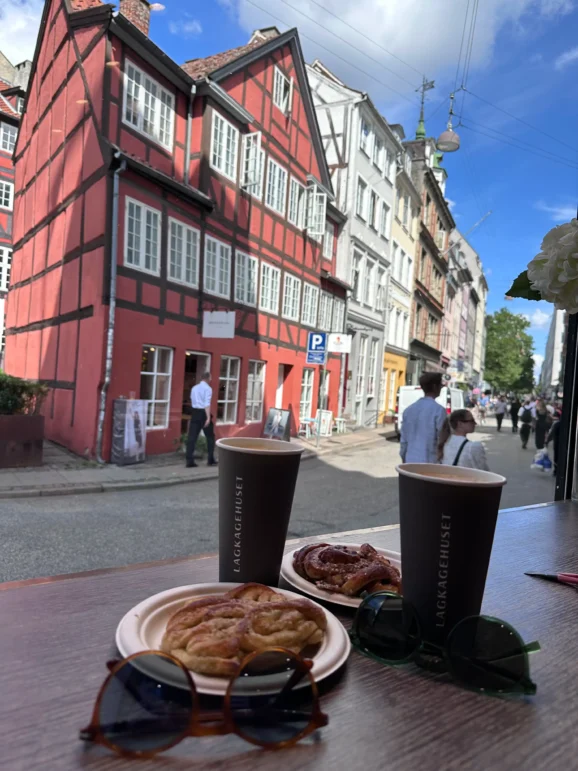
Brunch is almost a Copenhagen institution, and Darling Bistro & Bar in Indre By proved an excellent place to slow the pace before flying home. Good coffee, generous portions and a relaxed atmosphere make it an ideal final stop before heading to the airport.
Those travelling on a tighter budget needn’t worry. Copenhagen’s bakeries are among the best you’ll find anywhere in Europe, producing everything from buttery croissants and cinnamon swirls to traditional Danish pastries, fresh bread and open sandwiches. A coffee and pastry rarely costs more than a few pounds and is often all that’s needed to fuel a morning’s sightseeing. Supermarkets are also well stocked with fresh salads, sandwiches and picnic food if you’re planning a day exploring the parks or harbour.
If there’s one piece of advice we’d give, it’s to save your money for one memorable evening meal and enjoy the city’s cafés, bakeries and food markets for everything else. You’ll eat just as well, spend considerably less and experience a side of Copenhagen that many visitors overlook.
Getting there
Direct flights to Copenhagen run from most major UK airports, including Heathrow, Gatwick, Manchester and Edinburgh, with a flight time of around two hours. British Airways, SAS and easyJet all fly the route, and fares for a long weekend can be found from roughly £80 return if booked in advance, though prices climb sharply in summer.
Copenhagen Airport sits close to the city and the train into the centre takes about 15 minutes, considerably quicker than most UK airport transfers. It’s worth downloading the Rejsekort app before you fly, or buying a ticket at the airport machines, rather than queuing at a staffed counter on arrival.
Denmark’s famed efficiency starts almost immediately. From collecting your luggage to arriving in the city centre takes little more than half an hour, helped by one of Europe’s simplest and most reliable public transport systems.
Denmark uses the krone rather than the euro, so it’s worth ordering some currency in advance or checking your card’s overseas fees (though contactless is widely accepted and cash is rarely needed). The country is in the Schengen area but not the EU, and British passport holders can visit for up to 90 days without a visa. The time zone is one hour ahead of the UK, and no vaccinations or special documentation are required beyond a valid passport.
Weather-wise, late spring through early autumn is the best window for a trip like this. We had a mild, sunny long weekend in the low 20s, ideal for walking and swimming in the harbour. Winters are cold and dark, though the city embraces into it with Christmas markets and, for the committed, cold-water swimming clubs that operate year-round.
Three days is not enough to see all of Copenhagen, but it is enough to understand why the Danes seem in no particular hurry to be anywhere else. It isn’t a cheap city, and it isn’t one packed with headline attractions – the Little Mermaid is proof of that. What Copenhagen offers instead is something altogether rarer: clean water you can swim in, streets that feel genuinely safe, public spaces designed for people rather than traffic, and a pace of life that encourages you to slow down rather than rush on to the next thing. The happiness isn’t manufactured for tourists or confined to a marketing campaign. It simply seems to be woven into everyday life. For anyone weighing up their next European city break, that’s a compelling reason to go.
READ MORE: We took a classic Mini on a father–daughter road trip through France and Guernsey: here’s what happened. Armed with a 1963 Speedwell Mini Cooper and a sense of adventure, our motoring editor Mark G. Whitchurch and his daughter set out through Brittany and Guernsey in search of coastal roads, wartime history and unexpected motoring discoveries.
Do you have news to share or expertise to contribute? The European welcomes insights from business leaders and sector specialists. Get in touch with our editorial team to find out more.
Main image: Nyhavn’s colourful waterfront is Copenhagen’s most photographed landmark, where historic townhouses, cafés and old sailing ships line the famous canal. All photography, Mark G. Whitchurch