Pforzheim’s Jewellery Museum is staging Silver Lining, a programme spanning contemporary silversmithing, diamonds, ancient silver, global adornment and contemporary fashion
A major new museum programme is exploring how silver, created in exploding stars, became one of the world’s most prized materials for jewellery, treasure, money and ritual objects.
Silver Lining opened at Pforzheim’s Jewellery Museum on May 17, bringing together three exhibitions on silver spanning contemporary silversmithing, diamond jewellery, ancient treasure, money and global adornment.
The first, ‘Cool Brilliance’, looks at silver’s role in historic diamond jewellery, including the period before white gold had been invented and before platinum could be widely worked.
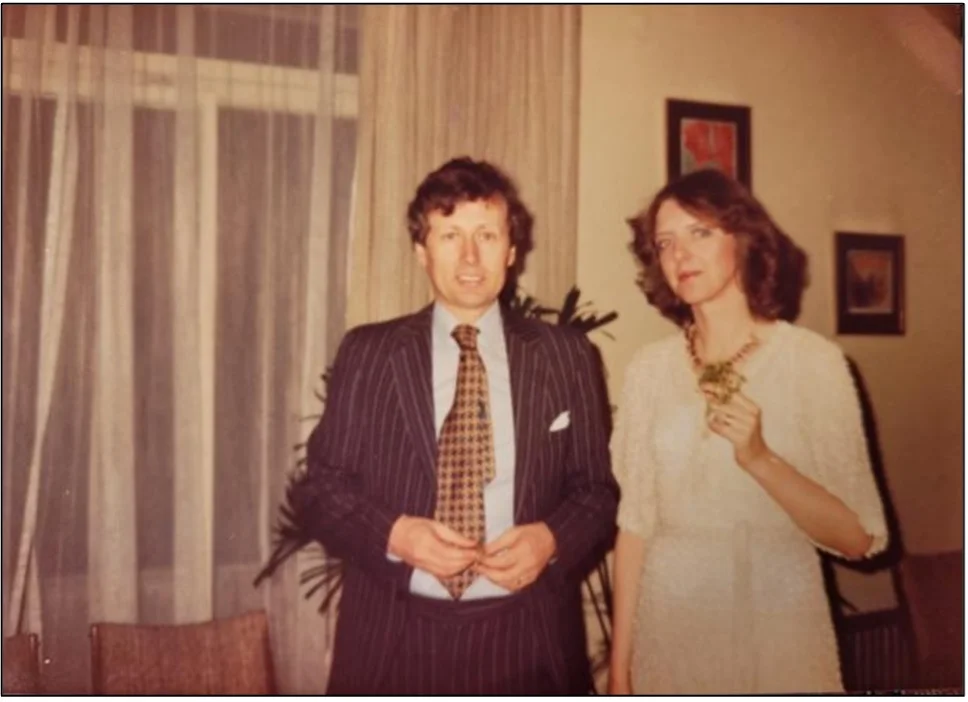
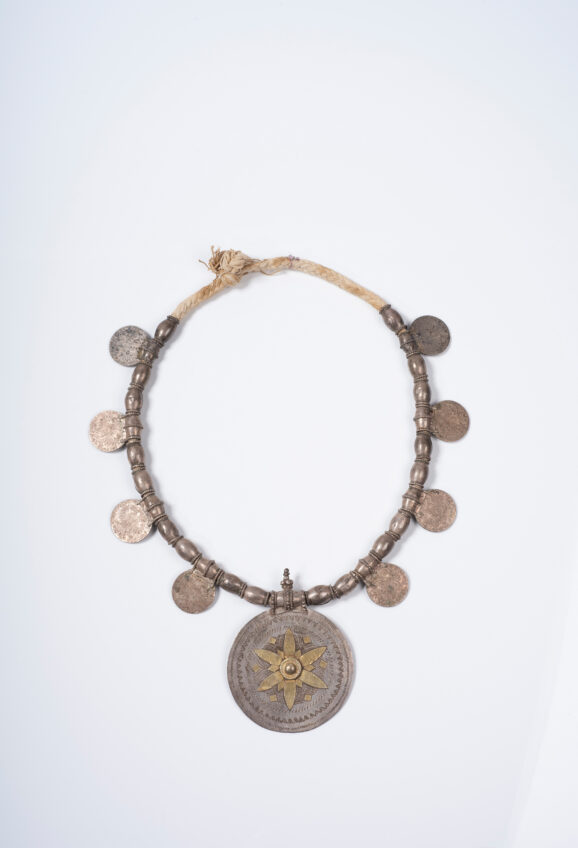
Its second, ‘Afghanistan, Oman or the Black Forest?’, explores silver in global jewellery traditions, ancient finds, money and ethnographic objects from the Eva and Peter Herion collection.
And ‘The 21st International Silver Triennial’, the third exhibition, presents contemporary silversmithing from around the world.
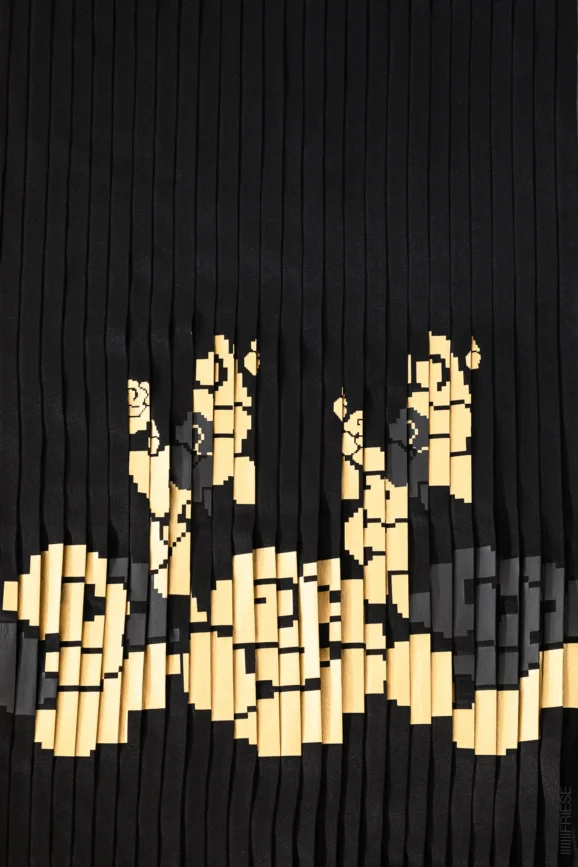
The museum is also presenting ‘Notes in the Margin’, a related foyer exhibition of fashion by Monika Markert and photography by Silke Helmerdig.
The museum’s Silver Lining presentation has been devised and curated by Katja Poljanac under the overall supervision of museum director Friederike Zobel.
It draws on the museum’s own collection as well as selected Triennial works, with historic jewellery, ethnographic objects, multimedia displays and a digital excavation table designed for families as well as specialist visitors.
Poljanac said the programme traces silver’s role as a precious material shaped by light, history, symbolism and its origins in the stars.
She told The European: “In historico-cultural contexts, silver is associated with the moon and the stars. Actually, silver was created during a supernova explosion and hurled into space. These aspects are explored through the multimedia installation in the exhibition.”
Silver has long been valued for its pale glow and unusual reflectivity. No other metal reflects light as strongly, while its bright, warm white colour is reflected in its Latin name, argentum. Cool Brilliance explains why diamonds were often set in silver until well into the 19th-Century.
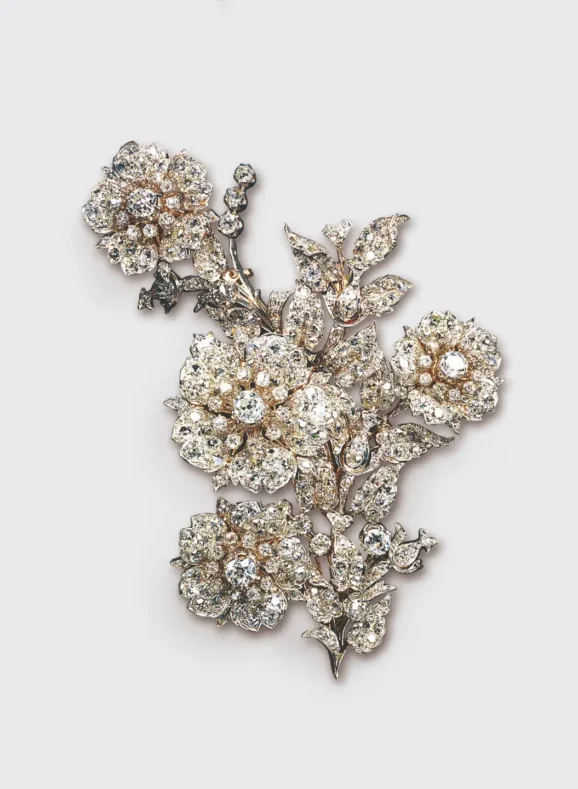
The white precious metal helped draw out the cool brilliance of diamonds, making silver especially important in Baroque and Rococo jewellery, when diamonds, light and extravagance were central to displays of wealth and status. In some periods, it meant silver could be preferred to gold for diamond jewellery.
The museum’s historical collection also places silver in a wider cultural context, showing how the metal moved between luxury, symbolism and everyday value.
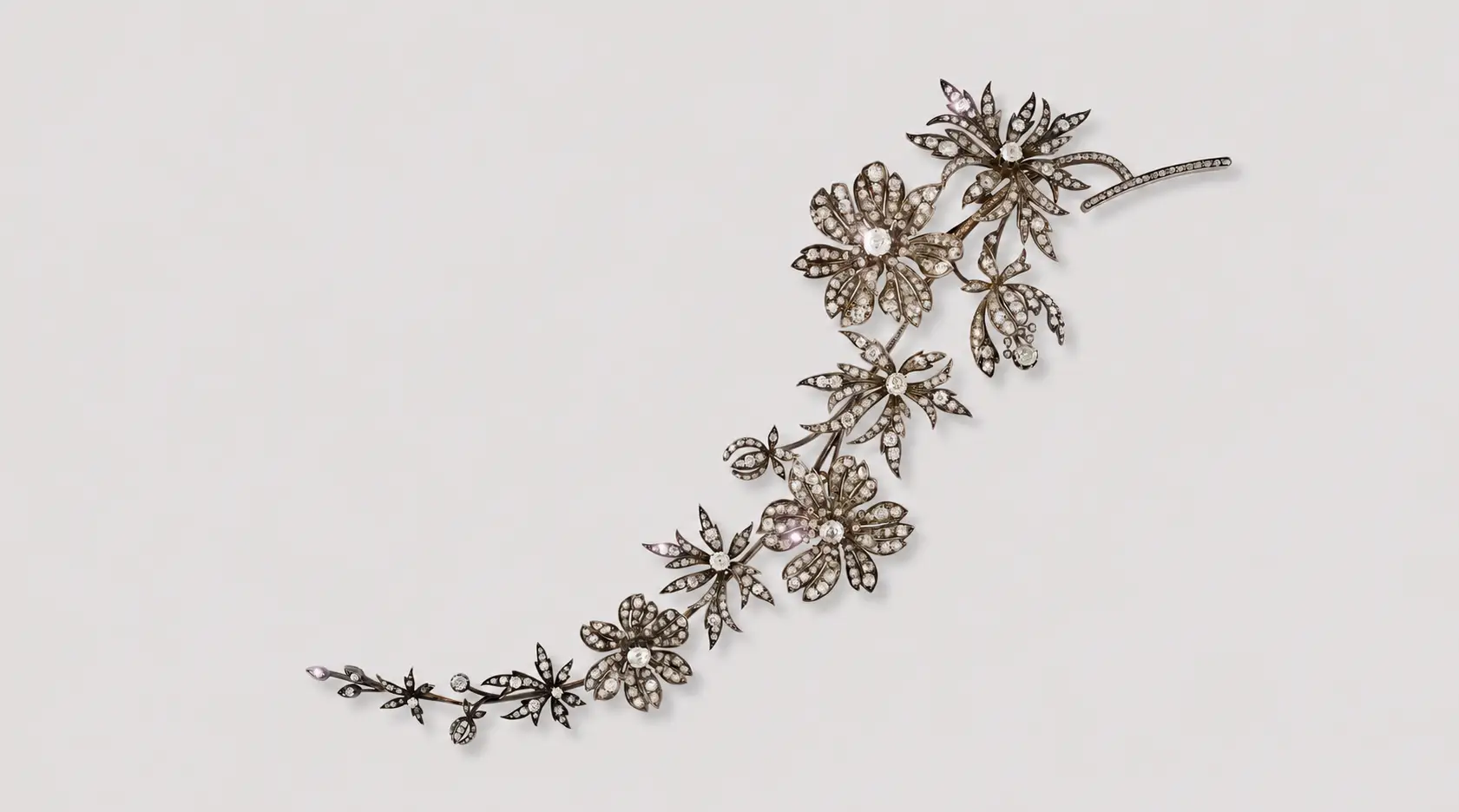
Among the highlights is a floral brooch by Alphonse Auger, a traine de corsage made in Paris in around 1890 and loaned by Wartski in London.
Afghanistan, Oman or the Black Forest? follows silver through global traditions of jewellery and exchange.
Ancient silver finds dating back to the fifth millennium BC were excavated in the mountainous region between Asia Minor and Afghanistan. Silver has also been mined in the Black Forest since the Middle Ages, giving the exhibition a local connection as well as a global one.
Objects linked to Afghanistan, Oman and the Black Forest show how the metal has been used as adornment, payment and a marker of identity in different parts of the world.
The exhibition also includes selected works from the 21st International Silver Triennial, a global competition and travelling exhibition for contemporary silversmithing.
The 2025/2026 edition brings together 67 works by 59 designers from 15 countries, ranging from traditional utilitarian objects to sculptural pieces. Those works will remain at the museum as part of Silver Lining until 6 January 2027.
The Herion pieces on display, meanwhile, form part of the museum’s “What Is Jewellery?” presentation. Visitors can explore this history through a digital excavation table, where children and adults can take on the role of archaeologists and uncover silver treasures from around the world. The original objects can then be seen in the exhibition room.
The foyer exhibition, Notes in the Margin, examines clothing as a form of beauty, function, memory and cultural expression.
It places decorative and festive elements of traditional costume alongside contemporary fashion details, including pleats, fringes, shiny fabrics and high-quality materials such as silk and wool.
The display also refers to traditional hairstyles including braids, loose hair and upswept styles.
The compositions draw on shapes and patterns from everyday life, reinterpreting them as reduced fragments of clothing.
The artists reduce clothing to fragments described as “textile notes”, creating a dialogue between garments, photographs and the architecture of the Reuchlinhaus.
The museum, in Pforzheim, Germany, says the display is process-led rather than fixed, allowing ideas to develop further towards functional clothing.
Further information
Produced with support from Schmuckmuseum Pforzheim. Admission to the special exhibitions is €12.50, with a reduced price of €10. To find out more about Silver Lining and plan a visit, visit www.schmuckmuseum.de
READ MORE: ‘Germany’s Jewellery Museum in Pforzheim unveils landmark exhibition on dining culture‘. A major exhibition now open in Pforzheim charts how eating evolved from raw instinct into a disciplined cultural act, and how tableware, etiquette and design came to define civilisation, hierarchy and social behaviour. Dinner Is Served brings together objects ranging from gold-plated bowls and a shoe-shaped drinking cup to a Roman pocket knife to reveal a global history of dining customs, showing how the simple act of bringing food to the mouth became loaded with meaning. Here, its curator Katja Poljanac explores what our tables say about who we are.
Do you have news to share or expertise to contribute? The European welcomes insights from business leaders and sector specialists. Get in touch with our editorial team to find out more.
Main image: Traine de Corsage Diamonds, silver Alphonse Auger, Paris, about 1890 On loan from Wartski in London, Photo Wartski.