What began at Bletchley Park as a serious effort to govern artificial intelligence is starting to look more like a showcase for those selling it. Nimalan Nadesalingam argues that academia has been sidelined as safety gives way to spectacle, influence and commercial power
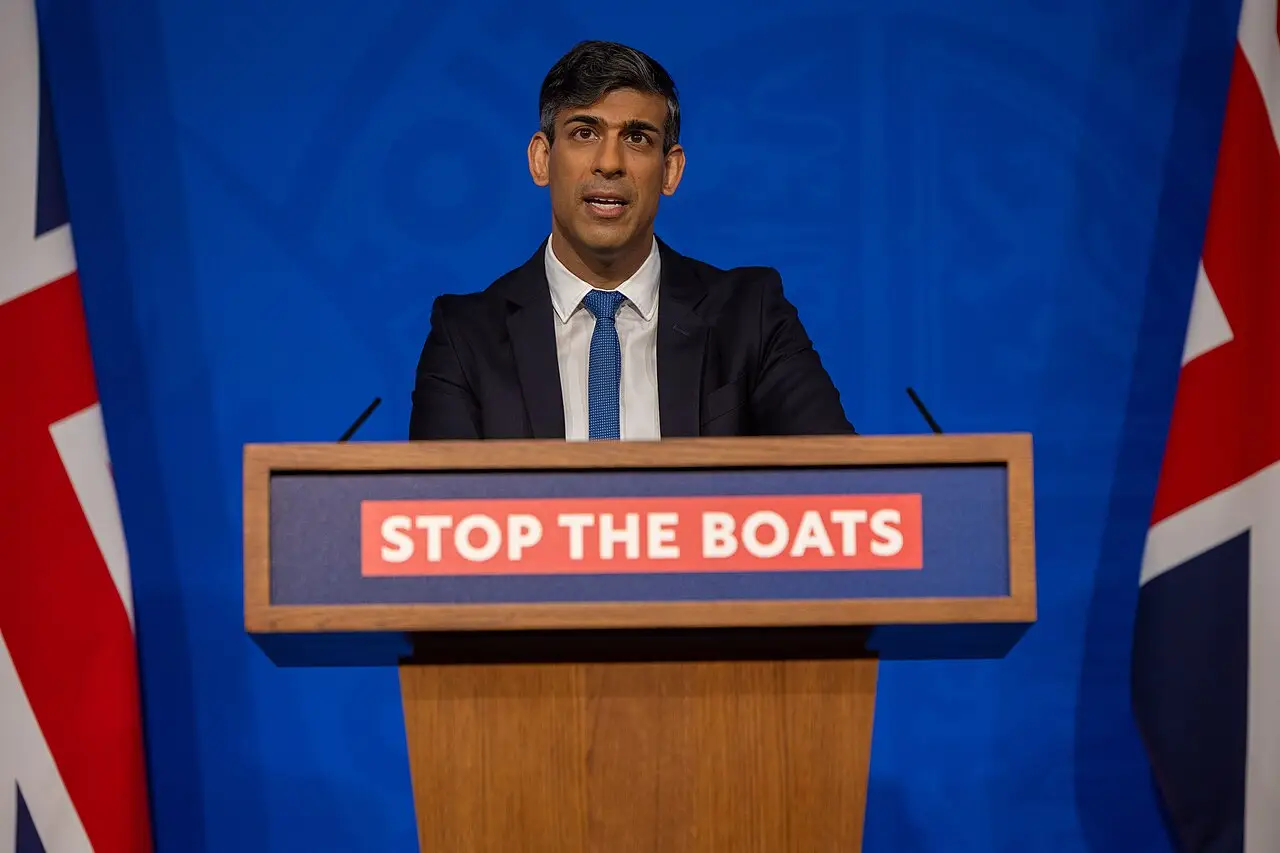
In 2023, some of the world’s sharpest minds gathered at Bletchley Park to talk seriously about artificial intelligence. The inaugural AI Safety Summit brought together leading academics, industry experts and government representatives to confront the risks at the frontier of the technology and the international rules needed to keep it in check. Rishi Sunak chatted with Elon Musk – livestreamed, naturally, on X – while researchers, policymakers and technology leaders debated governance, safeguards and shared principles for AI safety.
Alan Turing would have been proud.
Together, they produced the Bletchley Declaration, the first international statement of shared principles for AI governance, backed by dozens of countries including China, the United States and the European Union. Non-binding and short on detail though it was, it still marked an important moment, showing that the world’s major powers understood AI was not simply a commercial race but a political and regulatory challenge too.
In the two years after what was widely hailed as a groundbreaking meeting, many in academia assumed universities would remain central to both the summit and the agenda it set. But they were wrong.
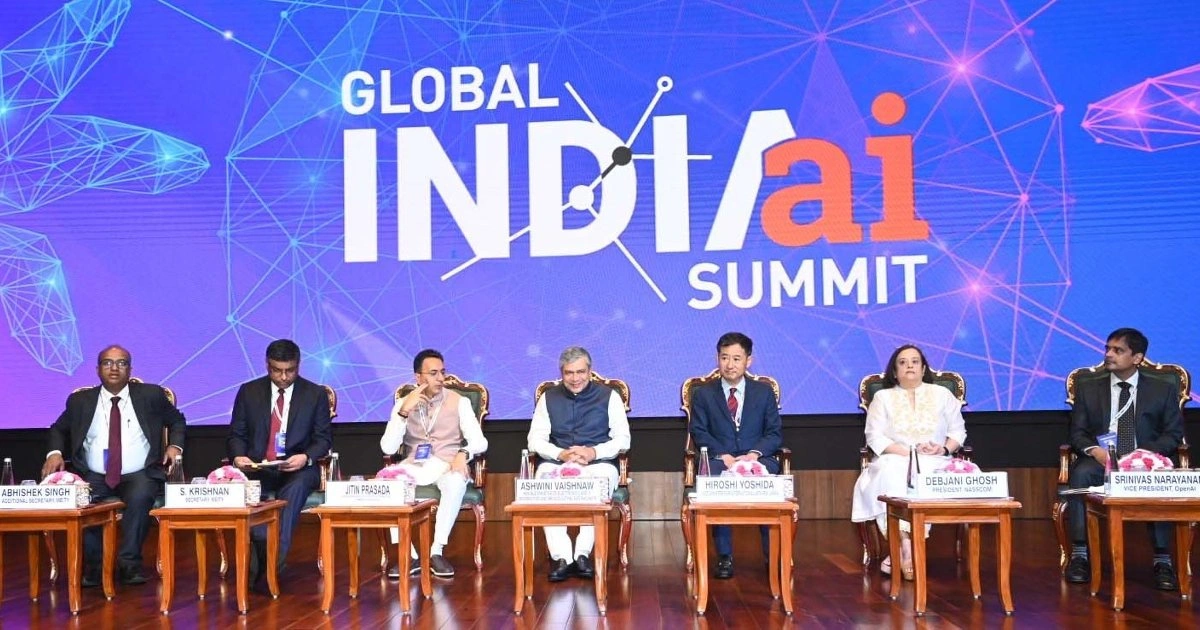
The three summits since – in South Korea, France and, most recently, New Delhi – have each dropped “Safety” from the title. You do not need Turing’s brain to decode what that tells us about the summit’s changing priorities. Academics are being edged out, safety is no longer the organising principle, and the centre of gravity has moved towards growth, deployment and commercial opportunity. The latest summit made that clear in its seven-part agenda, which ranged from human capital and inclusion to innovation, economic growth and the wider social uses of AI.
With their dense rows of corporate stands and exhibitions, the summits are starting to resemble less a space for sober reflection than a high-end trade fair, where technology firms lobby governments to push AI deeper into economies and public services.
Around 150 academics attended the India summit, which on paper sounds impressive. But in reality, they were heavily outnumbered by the many hundreds from industry, who dominated the more prominent platforms and appeared to command the greater prestige.
Academics were largely shut out of its top-level political set pieces, too. Narendra Modi appeared in pre-summit discussions alongside senior ministers and chief executives from Indian technology companies including Wipro and Mindtree, before later holding a separate roundtable with CEOs. No equivalent platform was given to university voices.
To the legions of social media followers who treat famous investors and founders as visionaries, none of this will come as much of a surprise. In AI, the centre of gravity now lies with the companies that control the data, the computing power, the products and much of the talent. Researchers make for less fashionable public symbols than billionaire founders and corporate
evangelists, after all.
But as questions of law and ethics and power and public trust move closer to the centre of the AI debate, the case for proper academic involvement is stronger than ever before. Universities helped build the modern digital world through publicly funded research, academic collaboration and deep expertise across the disciplines now most relevant to AI, from computer science and economics to law, politics, sociology and human rights. They also have a long tradition of working across borders, which matters in a field whose consequences will be global. When the summit reaches Switzerland next year, academics must reclaim their place by putting risk, ethics and governance back at the top of the agenda.
The task now is to steer the process back towards the principles first set out at Bletchley Park in 2023 – governance, safeguards and shared responsibility – and away from the trade-fair razzmatazz that has since taken hold.
Nimalan Nadesalingam is an experienced global transformation leader, author of ‘Transformative Change’ and associate professor specialising in the deployment and adoption of AI. He is currently pursuing his doctoral research on organisational AI skills needs vs university curriculum.
READ MORE: ‘What Mexico’s giant data breach tells us about the new hacking age‘. A huge hack of Mexican government systems exposed nearly 195 million identities and showed how everyday AI tools are being used to build attacks step by step. Has ChatGPT and other platforms opened hacking up to the masses, asks Ian Copeland, Techno-Sociology & Futures correspondent?
Do you have news to share or expertise to contribute? The European welcomes insights from business leaders and sector specialists. Get in touch with our editorial team to find out more.
Main image: AI India (India Government)