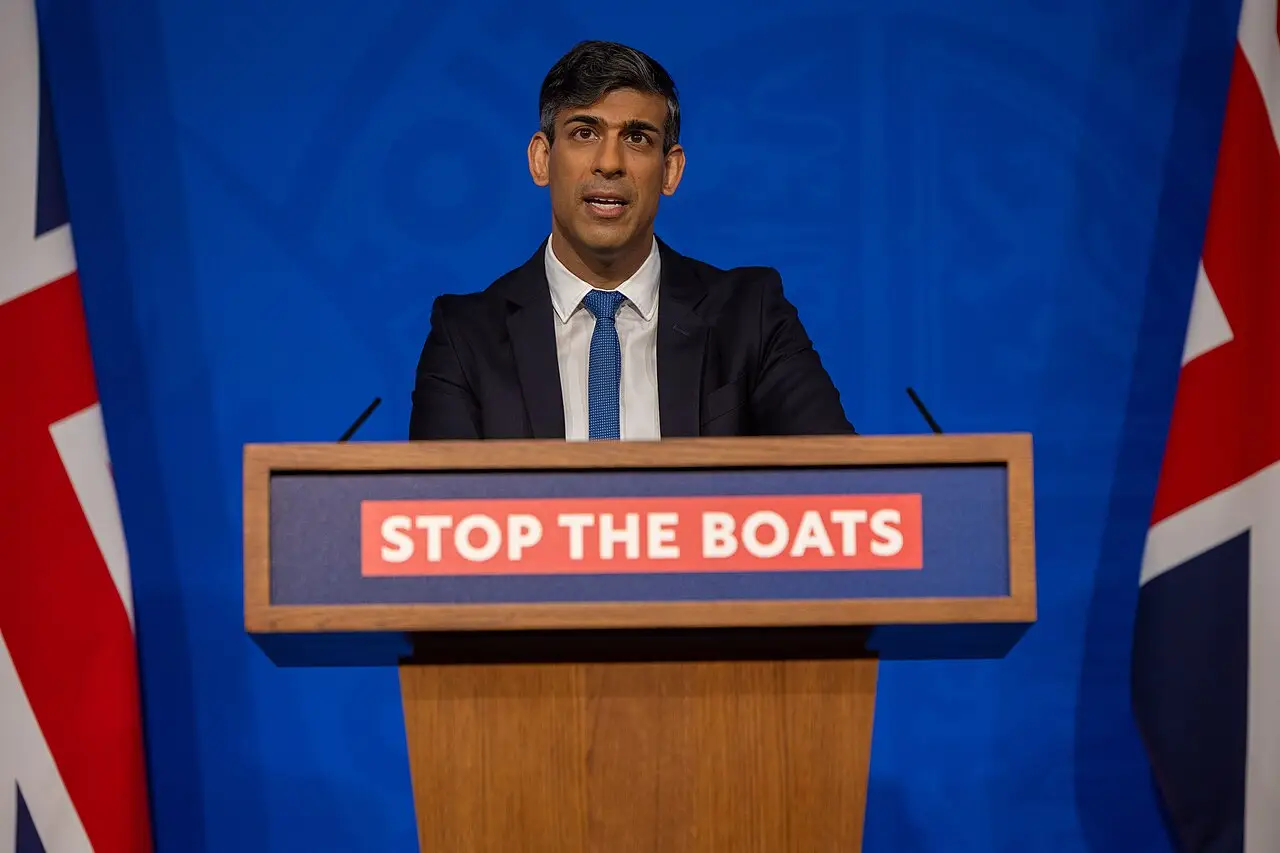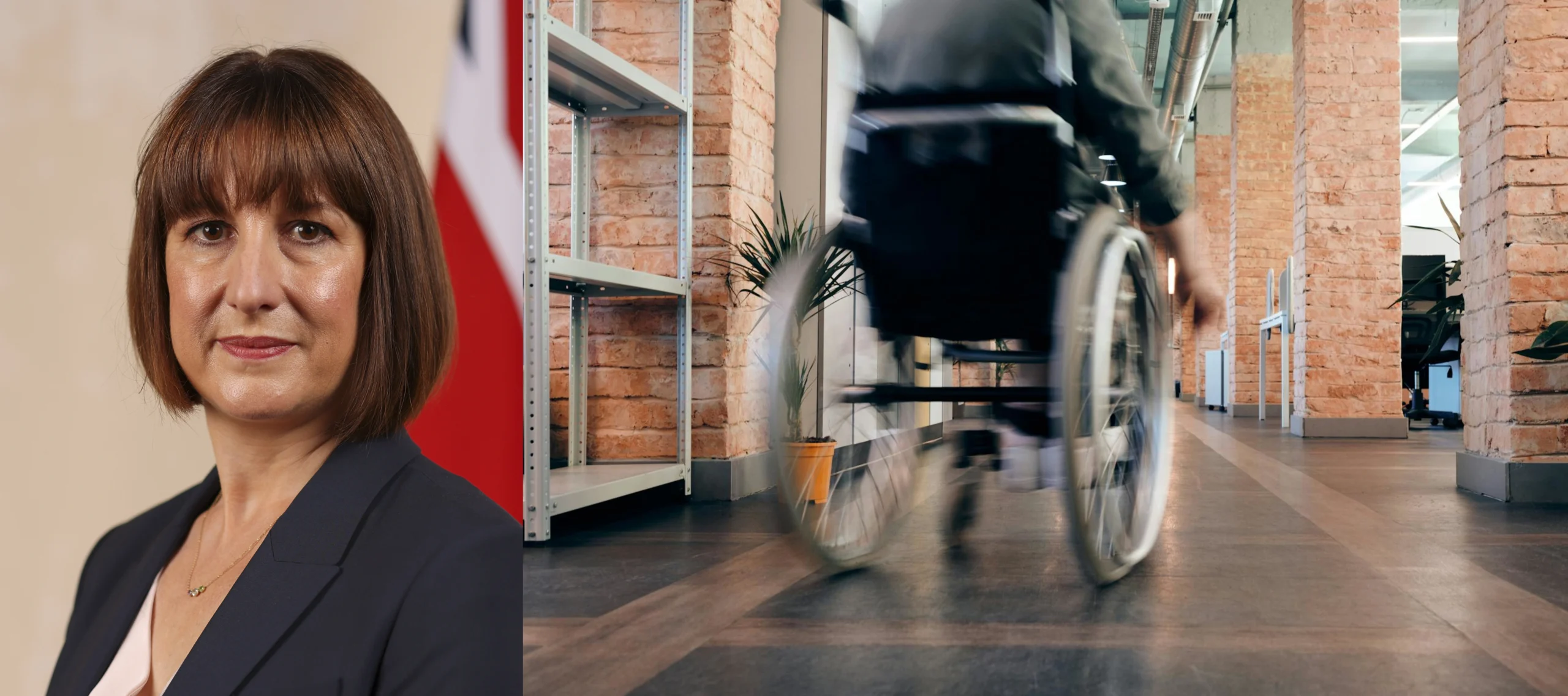
UK Chancellor Rachel Reeves’ autumn Budget outlines stability on paper, but its measures leave disabled people facing a future of weaker support, tighter assessments and widening gaps in care, warns our Disability Rights and Inclusion correspondent, Matthew Kayne
Yesterday’s budget was billed as a blueprint for “stability, fairness and growth”, but for millions of disabled people like me, it landed with a familiar message: we are expected to carry the burden of a financial crisis we didn’t create, through cuts we can’t absorb.
Budgets don’t just shape the economy — they shape lives. They determine whether disabled people can heat our homes, access care, travel, work, or simply exist with dignity. And this year’s Budget, for all its polished promises, leaves disabled people exposed, overlooked and quietly sacrificed.
Yes, the Chancellor spoke about welfare “reform,” targeted support and new efficiency measures. But behind the polished language is a harsh truth: disability support is being squeezed — again.
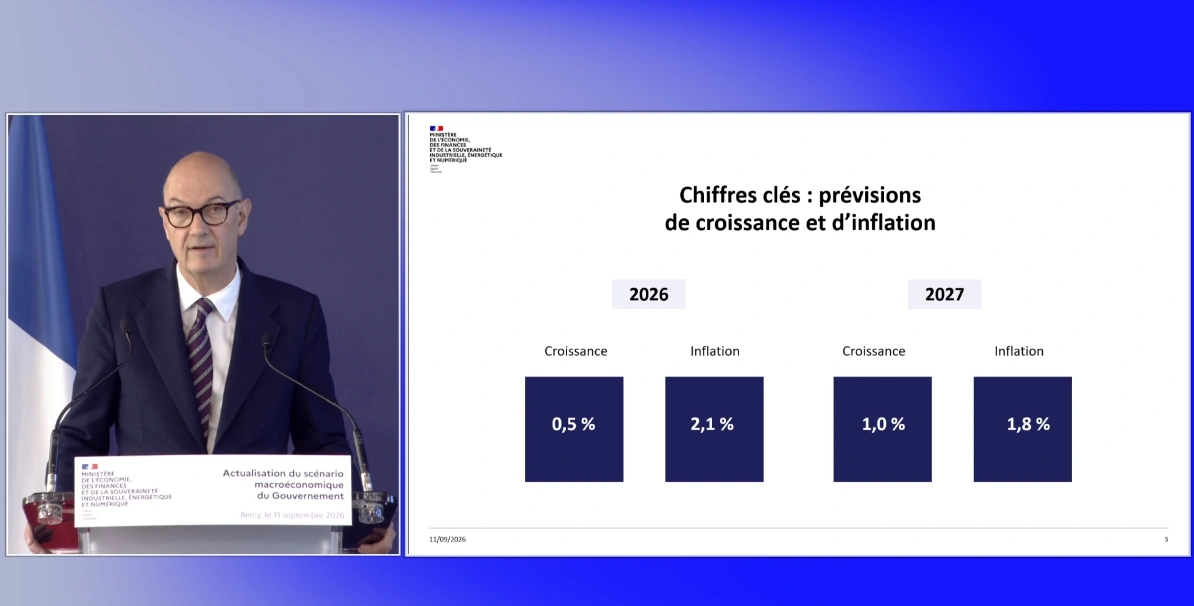
Forecasts show disability-related benefits will fall by over £4 billion a year by 2029. That isn’t “reform.” It’s erosion — slow enough to dodge headlines, sharp enough to hurt.
For disabled people, this means tougher assessments, less financial stability, and more pressure on those living one crisis away from collapse.
Politicians must remember that benefits aren’t luxuries. They are survival, and new injections of money simply don’t match the scale of need. Disabled people can expect more delays, reduced care hours, staff shortages and unsafe levels of support.
As someone who relies on care to live safely, these gaps aren’t technicalities — they are daily realities.
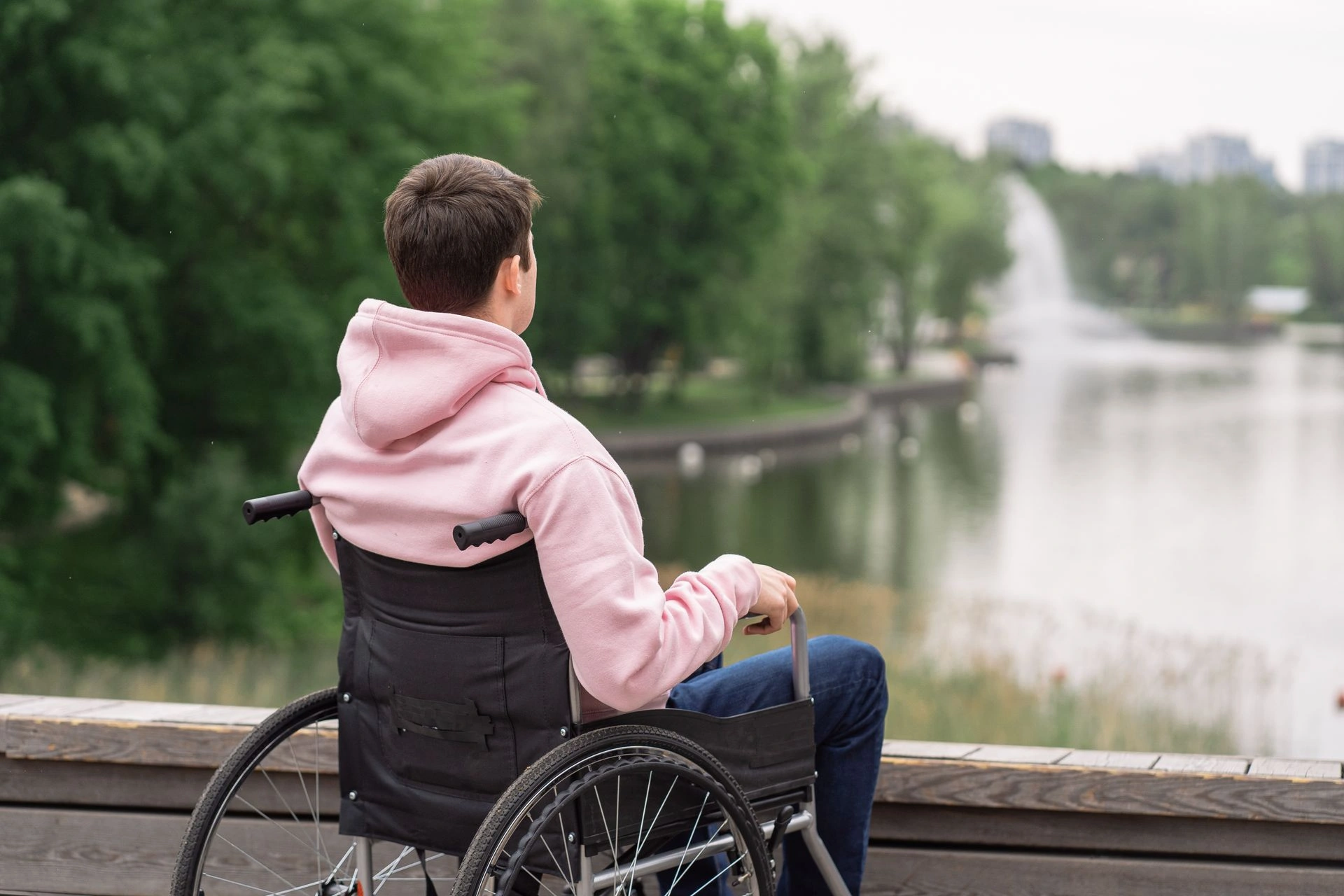
Accessibility barely featured. Once again we saw no commitments to accessible trains and buses, adapted housing, a functioning national wheelchair and equipment system, and universal access standards.
Mobility equipment and adaptations aren’t optional extras. They are freedom.
I live with cerebral palsy. Delays in wheelchair servicing have caused pain. Care gaps have left me struggling to function. Policies presented as “efficiencies” become suffering for people like me.
This budget means more uncertainty, more instability, and more fear for disabled people whose needs are already pushed to the margins.
This Budget prioritised image over impact — and disabled people will feel the consequences first.
Fairness must start with:
– Properly funded social care
– Reliable mobility equipment
– Benefits that match real costs
– National accessibility
– Respect for disabled lives
– Without these, “fairness” is just branding.
Disabled people deserve more than survival economics. We deserve to live, thrive, contribute, and be valued.
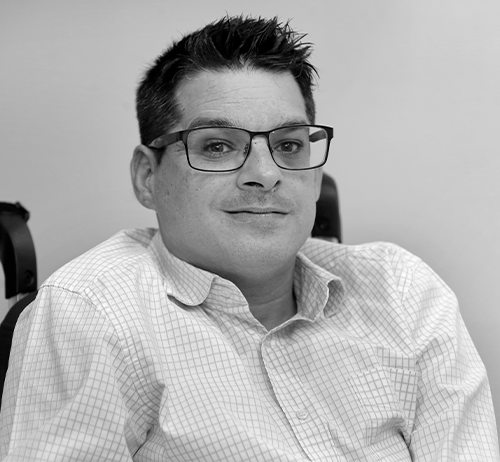
Matthew Kayne is broadcaster, political campaigner and disability rights advocate who has turned personal challenges into platforms for change. He is the founder and owner of Sugar Kayne Radio, an online station dedicated to uplifting music and meaningful conversations, and the leader of a national petition calling for reform of the UK’s wheelchair service. Living with cerebral palsy and a survivor of bladder cancer, Matthew channels his lived experience into advocacy, broadcasting, and songwriting and uses Ai to assist with written communication as it helps him work around physical barriers to typing and text production. His long-term ambition is to bring this experience into politics as an MP, championing disability rights, healthcare access, and workplace inclusion.
READ MORE: ‘The fight for independence disabled people shouldn’t have to wage‘. After 15 years in a care home, our Disability Rights and Workplace Inclusion Correspondent, Matthew Kayne, knows what it feels like to have even the smallest choices taken away. From daily routines dictated by rotas to support determined by budgets, he says disabled people are too often denied dignity, and are forced to fight for the freedom most take for granted.
Do you have news to share or expertise to contribute? The European welcomes insights from business leaders and sector specialists. Get in touch with our editorial team to find out more.
Main image: Lauren Hurley / No 10 Downing Street – Number 10 Flickr page, OGL /Marcus Aurelius (Pexels)