Energy transition, stricter safety regulation and mounting environmental accountability are reshaping the demands placed on industrial operators worldwide. Marius Falck explores how Norway’s Optronics Group is advancing solid-state infrared gas detection through integrated engineering and scalable manufacturing to support safer operations across oil and gas, marine, infrastructure and emerging energy sectors
In a market driven by energy transition, tighter safety regulations, and growing environmental responsibility, reliable gas detection has become a cornerstone of modern industry. From offshore platforms to marine vessels and green energy facilities, the ability to detect hazardous gases quickly and accurately is essential.
Against this backdrop, Optronics Group has established itself as a trusted European specialist in high-end optical gas detection. Based in Norway, the company designs and manufactures precision detectors for explosive and toxic gases, serving sectors including oil and gas, marine, infrastructure, and green energy.
Founded in 2018 by industry veterans Lasse Olav Irvam, Preben Hågensen Storås, and Even Rognlien, Optronics was created with a clear purpose: to bring advanced infrared gas detection expertise back to Norway and build a modern organisation capable of delivering reliable, scalable solutions to a global market.

In just seven years, the company has designed, certified, and delivered 25,000 (according to Optronics internal production data) optical gas detectors worldwide, while developing a tightly integrated operation known for both technical excellence and a strong company culture.
Rebuilding a Norwegian technology legacy
Optronics’ roots can be traced to some of the earliest breakthroughs within solid-state infrared gas detection, including the development of the first solid-state infrared source in collaboration with SINTEF, one of Europe’s leading independent research organisations. This technology set new benchmarks for stability and durability, particularly in demanding industrial environments.
When Simtronics’ production moved overseas in 2017, much of Norway’s leadership in this specialised field was lost. Rather than accept that shift, the founders of Optronics chose to start again, bringing core competence back home and rebuilding from the ground up.
Their ambition was to move the technology forward.
From the beginning, the focus was on developing robust optical detection systems supported by in-house engineering, streamlined production, and a strong commitment to sustainability.
Engineering excellence under one roof
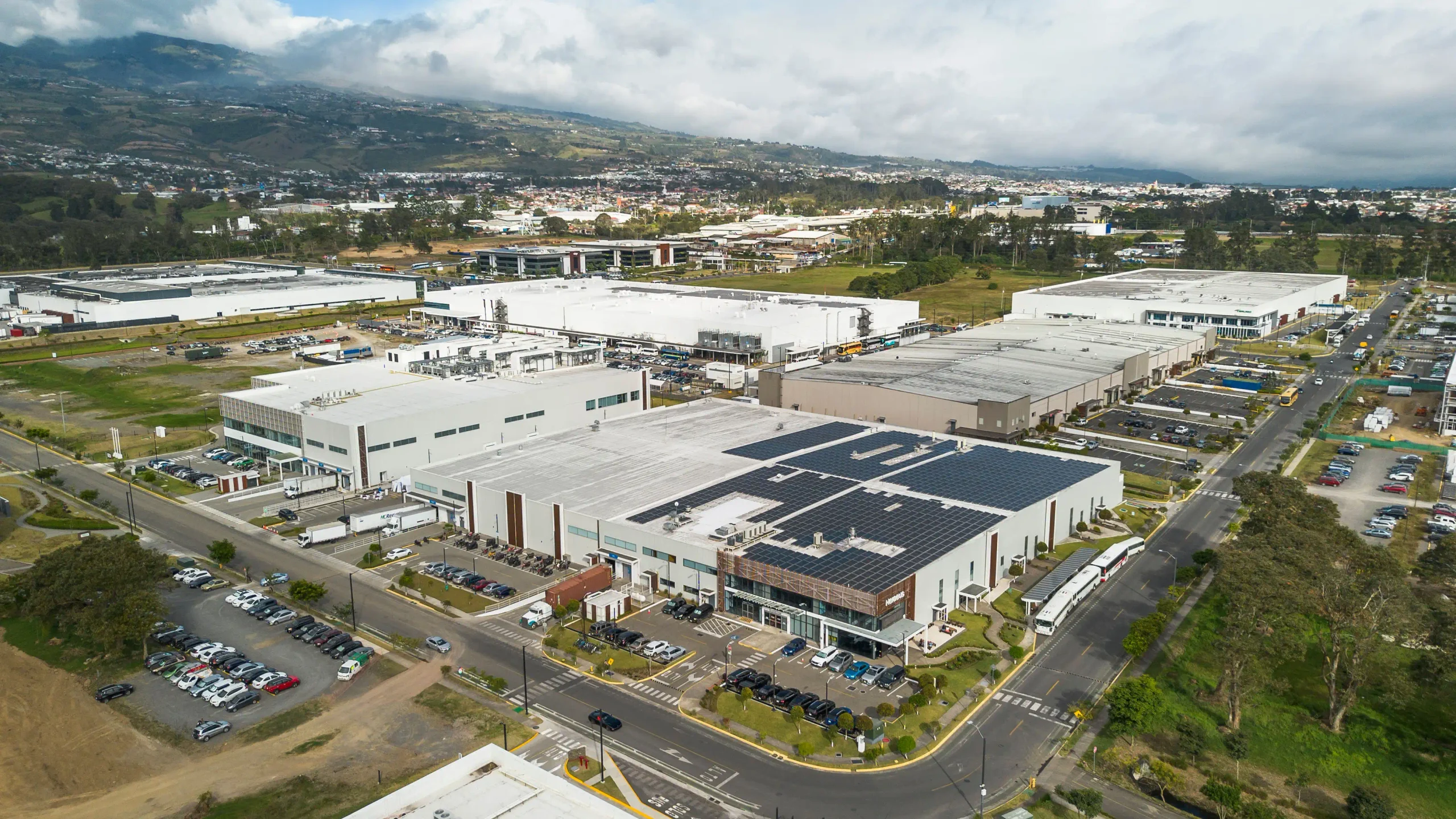
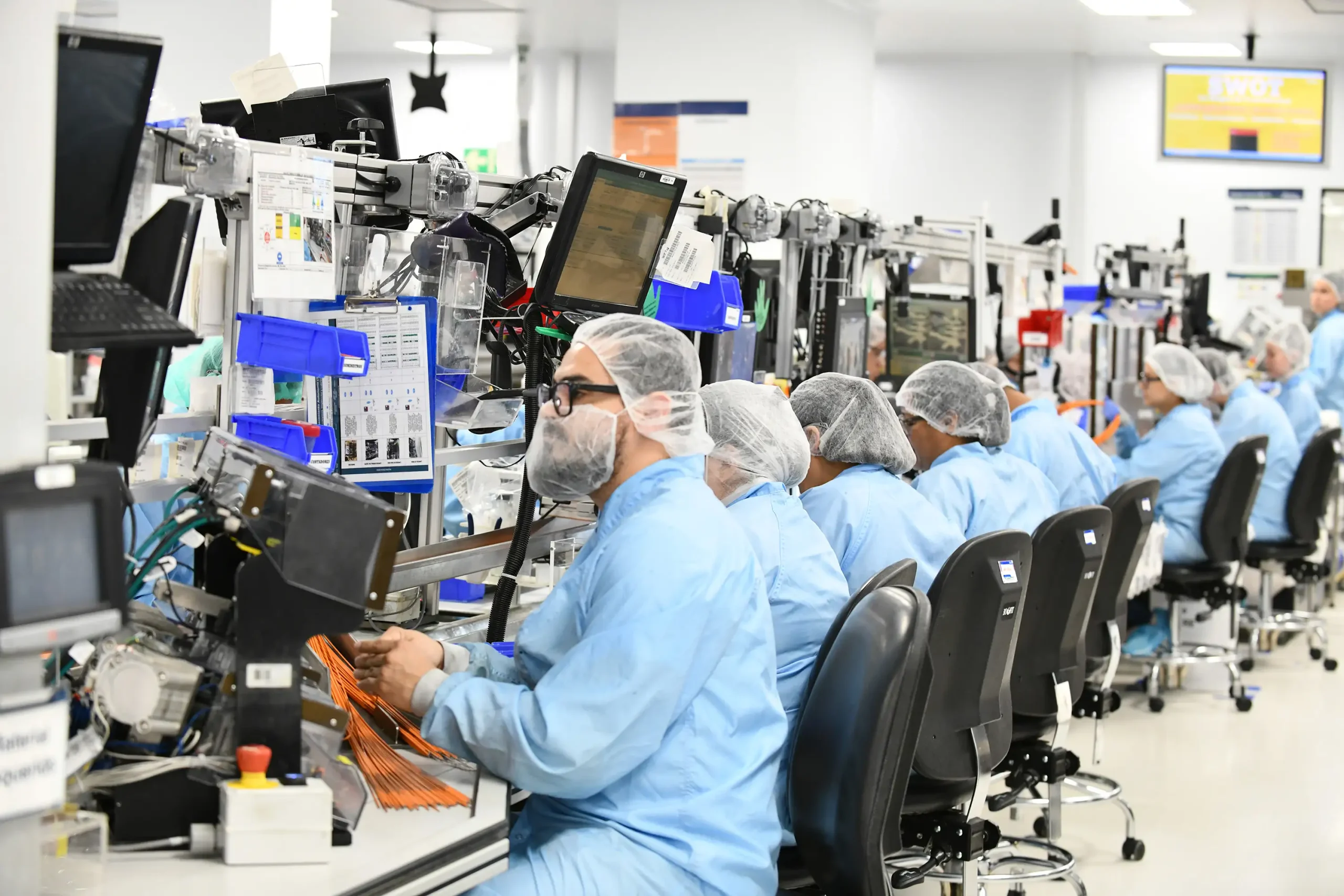
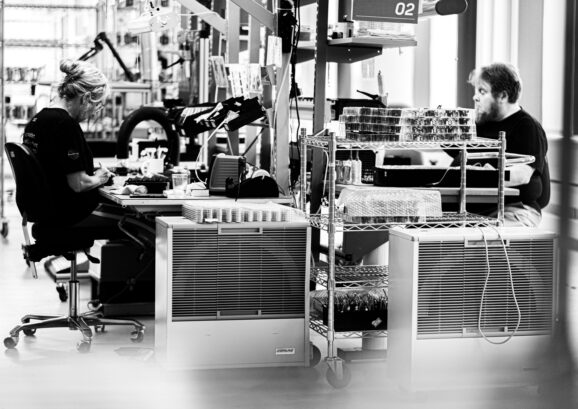
One of Optronics Group’s defining strengths is its fully integrated operating model. Research and development, design for manufacturing, laboratory testing, production, supply chain, and management all operate from the same facility.
This structure gives the company direct control over every stage of product development, from microchips to final assembly. It also enables faster decision-making, closer collaboration between teams, and consistent quality across every unit produced.
At the centre of Optronics’ current product range is the PG11 optical point detector, designed to detect flammable gases and CO2. Certified to international standards including ATEX, IECEx, and North American standards, the PG11 combines explosion-proof construction with lifetime factory calibration and advanced condition monitoring.
The detector is built around Optronics’ proprietary solid-state infrared “SafeSource” technology, which delivers long-term stability even in extreme temperatures, vibration, and harsh operating conditions. Its modular design allows easy integration into different systems, making it adaptable across industries while keeping production efficient.
For operators in high-risk environments, this means reduced maintenance, increased uptime, and dependable performance where safety is critical.
Every component is tested for reliability, right down to the smallest part. This end-to-end ownership of design and manufacturing has become a key differentiator, allowing Optronics to deliver consistent quality while continuing to innovate.
Scalable production with sustainability at the core
Alongside performance and reliability, sustainability plays a central role in Optronics’ operations. The company currently has an annual production capacity of around 20,000 units, with systems in place to scale quickly as demand grows.
Distribution is handled through a network of carefully selected international partners, using a bulk shipping model that reduces transport frequency, packaging volume, and emissions.
Recycled materials are incorporated throughout production and packaging, and logistics are continuously optimised to minimise environmental impact.
Optronics integrates sustainability into everyday engineering and operational decisions, from research and development to final delivery.
Supporting critical industries worldwide
Optronics’ gas detectors are used across a wide range of sectors where safety and reliability are essential.
In oil and gas, early detection of flammable and toxic gases helps prevent accidents and protect both personnel and infrastructure. The PG11 is designed to withstand extreme temperatures and vibration, making it suitable for offshore installations and processing facilities.
In the marine sector, Optronics’ systems are certified to meet current maritime standards, providing dependable protection on vessels operating in challenging conditions.
Infrastructure industries such as pulp and paper, food production, and chemical manufacturing rely on gas detection to prevent leaks that could lead to contamination, explosions, or environmental harm.
At the same time, Optronics is expanding its presence in green energy applications including LNG, biogas, and carbon capture and storage. In these areas, reliable gas detection is essential to prevent explosions, poisoning, and asphyxiation during production and storage.
A people-first technology company
While Optronics is recognised for optical precision and engineering capability, CEO Lasse Olav Irvam believes the company’s success ultimately comes down to people.
All departments work side by side, creating what Irvam describes as a one-team culture. The emphasis is on direct collaboration, shared responsibility, and continuous learning.
Rather than relying solely on automation, Optronics invests in individual strengths and long-term development. Engineers, production specialists, and leadership work closely together, accelerating innovation through daily interaction and practical problem-solving.
This human-centred approach has helped the company remain agile in a changing global landscape, while staying focused on its core values of safety, quality, and sustainability.
Looking ahead
As industries face increasing regulatory pressure and the global energy system continues to evolve, demand for accurate and dependable gas detection is expected to grow.
Optronics Group is preparing for the next phase.
Building on its existing platforms, the company is developing new optical concepts aimed at further improving performance, simplifying installation, and expanding application areas. While details remain confidential, Optronics indicates that an upcoming product generation will introduce meaningful advances for the gas detection market.
By combining integrated engineering, scalable manufacturing, and a strong people-driven culture, Optronics Group is positioning itself as a long-term partner for industries where safety matters most.
In a field shaped by rapid technological change and large global players, Optronics continues to stand out through clarity of purpose: delivering reliable detection systems that protect people, infrastructure, and the environment, today and into the future.

Marius Falck is Market Assistant at Optronics Group, where he has worked for four years within Optronics Technology. His role spans market analysis, customer engagement and product communication, with a focus on industrial safety, optical gas detection and the evolving regulatory landscape shaping global energy and infrastructure sectors.
Further information
Produced with the support of Optronics Group. All product information and performance claims are provided by the company. For further information about Optronics Group and its optical gas detection solutions, visit www.optronics-technology.com
READ MORE: ‘UK hedgehog charity backs bid to put endangered mammal on new banknotes‘. British Hedgehog Preservation Society urges public to vote in Bank of England consultation after rural populations fell by between 30 and 75 per cent since 2000.
Do you have news to share or expertise to contribute? The European welcomes insights from business leaders and sector specialists. Get in touch with our editorial team to find out more.