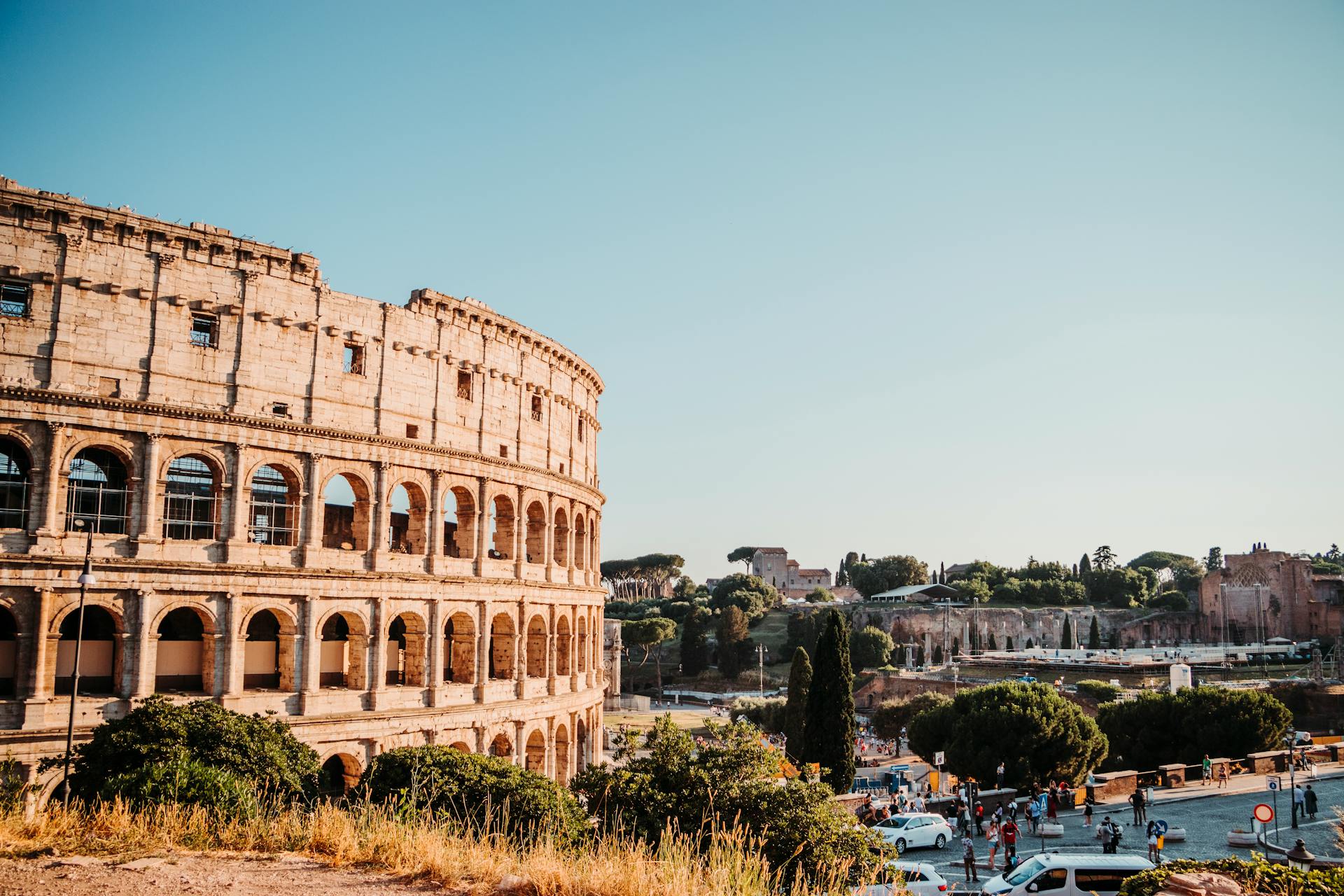
Rome is celebrating its Holy Year, with millions more visitors expected than at other times. To protect La Città Eterna, green businesses are working together to make the city a model of eco-friendly tourism, finds travel writer and author Emma Strandberg
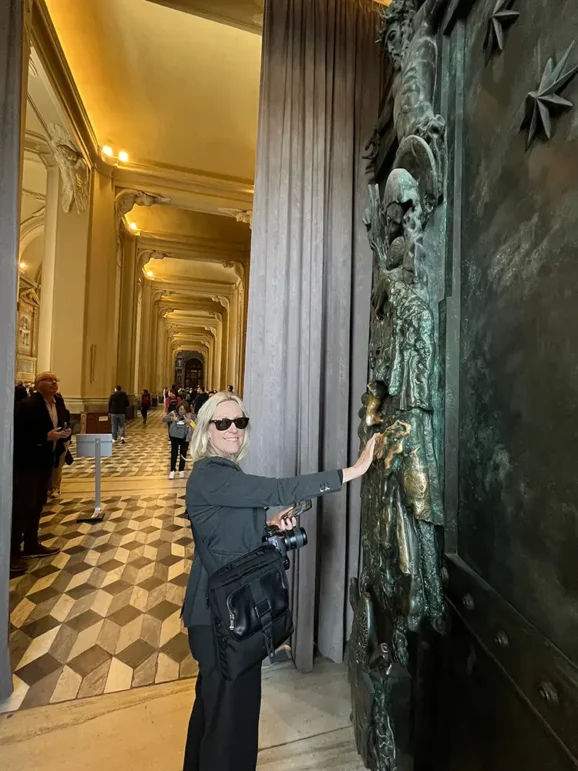
Rome is opening its Holy Doors to pilgrims and visitors as it celebrates its first Holy Year in a quarter of a century. A Holy Year, or Jubilee, is a special year of forgiveness, reconciliation, and spiritual renewal in the Catholic Church, occurring every 25 years. Pilgrims journey to Rome to pass through the Holy Doors of the city’s four major basilicas, an act that symbolises the passage to salvation.
Some 32 million tourists are expected to visit the Eternal City throughout 2025, and the impact of this influx will be significant. While the Jubilee message is one of spiritual enlightenment, it is also driving Rome to address environmental challenges and promote responsible tourism. Tour operators, local businesses, and city authorities are working together to balance preserving the city’s ancient heritage with the demands of modern tourism.
How to Visit Rome Sustainably
As a traveller, I have consciously adapted my trips to be more sustainable. I take direct flights where possible, opt for walking, cycling, and public transport (and preferably electric public transport) instead of taxis, limit food waste, and reduce my energy consumption by turning off lights and reusing linens. I also support local businesses, pack reusable items like water bottles, and book tours with companies committed to sustainability. My recent trip to Rome was no exception, and the city made it easier than ever to explore in an eco-conscious way.
Where to Stay: Rome has a growing number of eco-conscious hotels and accommodations. Some great options include the Bio Hotel Raphaël – committed to sustainability and offers organic cuisine and eco-friendly amenities – or for something less expensive, The Beehive, a budget-friendly, eco-conscious guesthouse with a relaxed atmosphere and a focus on sustainability.
What to See: During my three-night stay, I aimed to enter through the Holy Doors of all four major basilicas: St. Peter’s Basilica, St. John Lateran, St. Paul Outside the Walls, and Santa Maria Maggiore. I also wanted to experience some of Rome’s lesser-known gems and ensure that my visit aligned with the city’s sustainability efforts.
One of the best ways to explore Rome without harming the environment is by booking a sustainable tour. I chose Liv Tours, a member of Green Step Sustainable Tourism. Liv Tours takes sustainability seriously and supports several local initiatives, including ReTake Roma, a non-profit focused on keeping the city clean.
My journey began with an early morning small-group tour of the Vatican, giving me access to the Sistine Chapel and Vatican Museums before the crowds. Thanks to a hidden door leading from the Chapel, I entered St. Peter’s Basilica and passed through my first Holy Door. I was a guest of Liv Tours and if you want a similar small-group experience, visit their website here. You can also book tickets through the Vatican Museums’ official website here.
After visiting the Vatican, I explored more of Rome on foot and by bicycle, significantly reducing my carbon footprint. I cycled past the Knights of Malta Keyhole, took in the stunning view of the Arch of Janus, and wandered through the Roseto Comunale, Rome’s beautiful rose garden.
One of my favourite discoveries was the Doria Pamphilj Gallery, a private collection of art inside a lavish palace. Unlike the Vatican, it was quiet, immersive, and packed with masterpieces by Caravaggio, Raphael, and Titian. For those who love history and art but want to escape the crowds, this is an unmissable stop.
I also explored the Circus Maximus, where chariot races once thrilled ancient Romans, and stopped by Fontana del Babuino, an offbeat fountain that locals believe grants good luck to those who touch it.
Sustainable Dining in Rome
Rome is taking major strides in reducing food waste. Many restaurants now provide take-home boxes, and apps like Too Good to Go help diners purchase surplus food at a discount.
I dined at Ristorante Peppino, where the pasta was fresh and locally sourced. For dessert, I indulged in gelato at Gelateria dei Gracchi, which prides itself on using organic ingredients.
Holy Doors and Final Pilgrimage
Continuing my pilgrimage, I made my way to St. John Lateran, the original Holy Door, before taking an e-taxi to St. Paul Outside the Walls. The basilica’s golden bronze door was installed for the Millennial Jubilee 2000 and stood as a breathtaking reminder of the city’s long spiritual history.
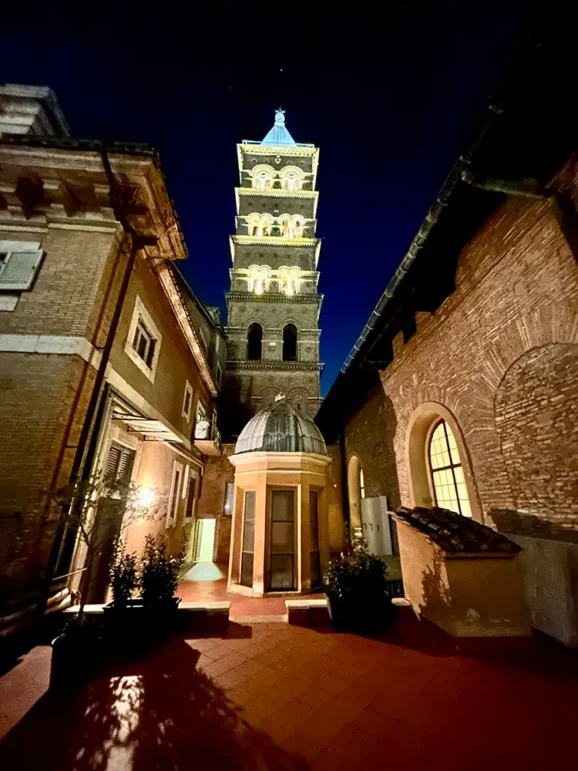
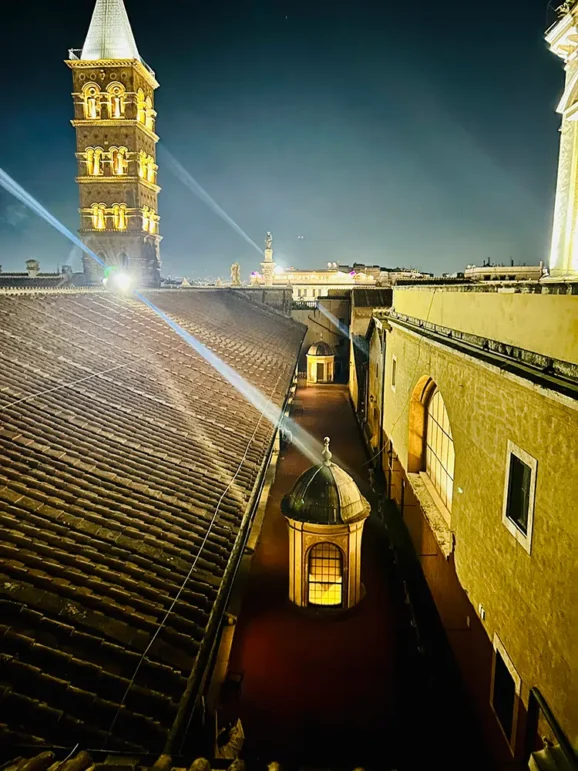
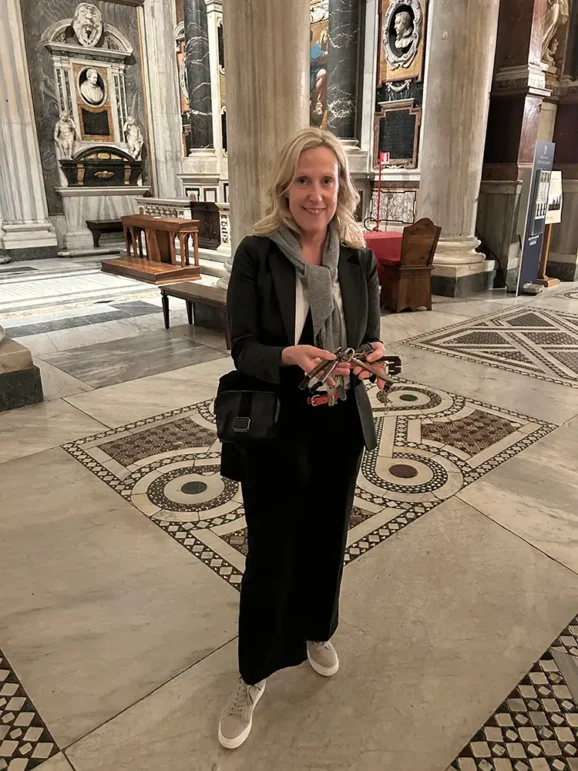
On my last evening, I visited Santa Maria Maggiore for a VIP tour. As dusk fell, I stepped through its Holy Door, passed Pietro Bracci’s four angels, and climbed up to the Loggia Gallery, which offered stunning rooftop views. After descending Bernini’s hidden spiral staircase, I found myself in the crypt, where I met the Basilica’s keyholder. He placed the heavy keys in my hands, a small but profound moment of connection to Rome’s history.

Rome’s Green Future
Rome is increasingly committed to sustainability. The G20 Garden at Parco dell’Appia Anticahighlights global initiatives in biodiversity. Eco-tours by bike and electric cart are easily available, and when booking a taxi, I was consistently offered an electric alternative.
Even Rome’s cafes and restaurants are part of the movement. Many now encourage bringing your own reusable coffee cups, and some markets offer discounts for shoppers who bring their own containers.
My Final Thoughts
Rome is a city of history, faith, and incredible beauty, but it is also a place that must be protected. The Jubilee 2025 brings millions of visitors, and we all have a responsibility to travel sustainably. By choosing eco-conscious hotels, supporting local businesses, reducing waste, and opting for sustainable transport, we can ensure that La Città Eterna remains a treasure for generations to come.
Here’s a list of ways that you, too, can visit Rome and other cities sustainably:
1. Use Public Transport
Metro and Trains: Rome has an extensive metro system and train services connecting major attractions, making it easy to travel around without a car.
Buses and Trams: The city’s buses and trams are eco-friendly and connect areas that may not be served by the metro.
2. Walk or Cycle
Walking Tours: Rome is a city rich in history, and walking is a great way to explore its historic streets. Opt for guided walking tours to learn more while minimising your carbon footprint.
Bike Rentals: Many cities, including Rome, offer bike-sharing programs for eco-conscious travellers.
3. Use Electric Scooters
E-Scooter Rentals: E-scooters are available for rent throughout many cities, including Rome, as an easy and low-emission mode of transport.
4. Stay in Eco-Friendly Hotels
Green-certified Accommodations: Look for hotels that have eco-certifications such as Green Key, which use energy-saving techniques, minimise waste, and conserve water.
5. Choose Sustainable Activities
Eco Tours: Seek out tour operators who promote sustainability, such as those that focus on environmental education, historical preservation, or responsible wildlife viewing.
Local Experiences: Support local artisans and businesses by shopping and dining at places that use locally sourced, organic ingredients.
6. Support Sustainable Dining
Farm-to-Table Restaurants: Choose restaurants that prioritise organic, local, and seasonal ingredients to reduce food miles and waste.
Vegetarian and Vegan Options: Opt for plant-based meals to reduce your environmental impact.
7. Travel by Train Instead of Plane
Rail Travel: When traveling between cities or regions, use trains, which are more energy-efficient and environmentally friendly compared to flying.
Intercity Rail Passes: Many countries offer passes that make long-distance train travel easier and more affordable.
8. Use Car-Sharing or Electric Cars
Car-Sharing Services: If you need to rent a car, consider using a car-sharing service that offers electric or hybrid vehicles.
Electric Car Rentals: Rent electric cars instead of traditional gas-powered ones for less environmental impact.
9. Offset Carbon Emissions
Carbon Offsetting: Use services to offset your carbon footprint for travel and accommodation, supporting projects that reduce or remove emissions elsewhere.
10. Visit Less Crowded, Sustainable Destinations
Explore Beyond the Main Tourist Spots: Avoid overcrowded places to reduce over-tourism pressure on popular sites and support local communities that benefit from visitors.
Green Spaces: Visit parks and nature reserves to enjoy a more sustainable and relaxing experience in the city.

Emma Strandberg is an acclaimed travel writer and photographer who lives on the rugged west coast of Sweden. Her wildly popular books have been described as “authentic” and “gripping” by the Daily Express, and as a “triumph of travel writing” by The Sun.
Images: supplied/courtesy Griffin Wooldridge/Pexels