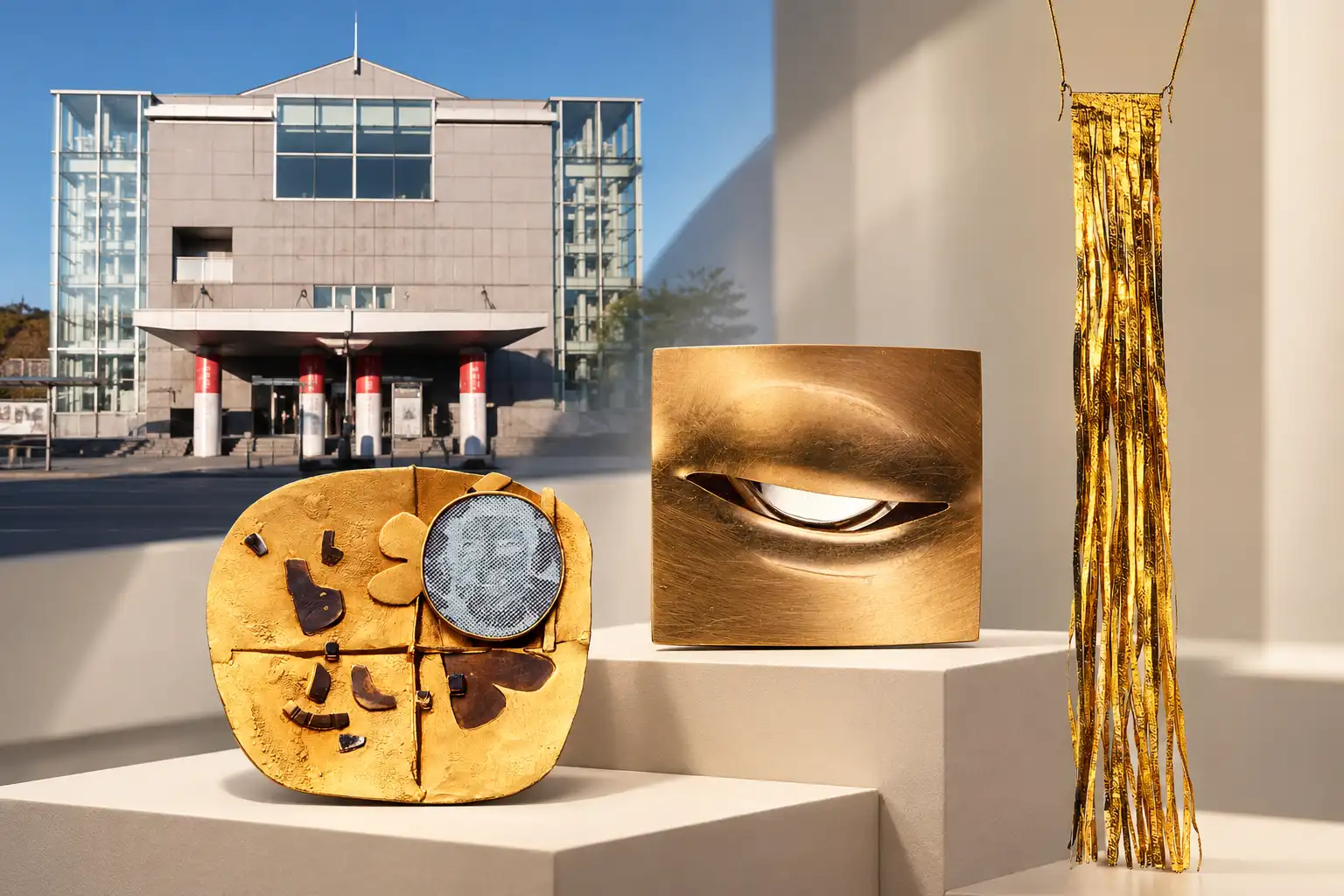
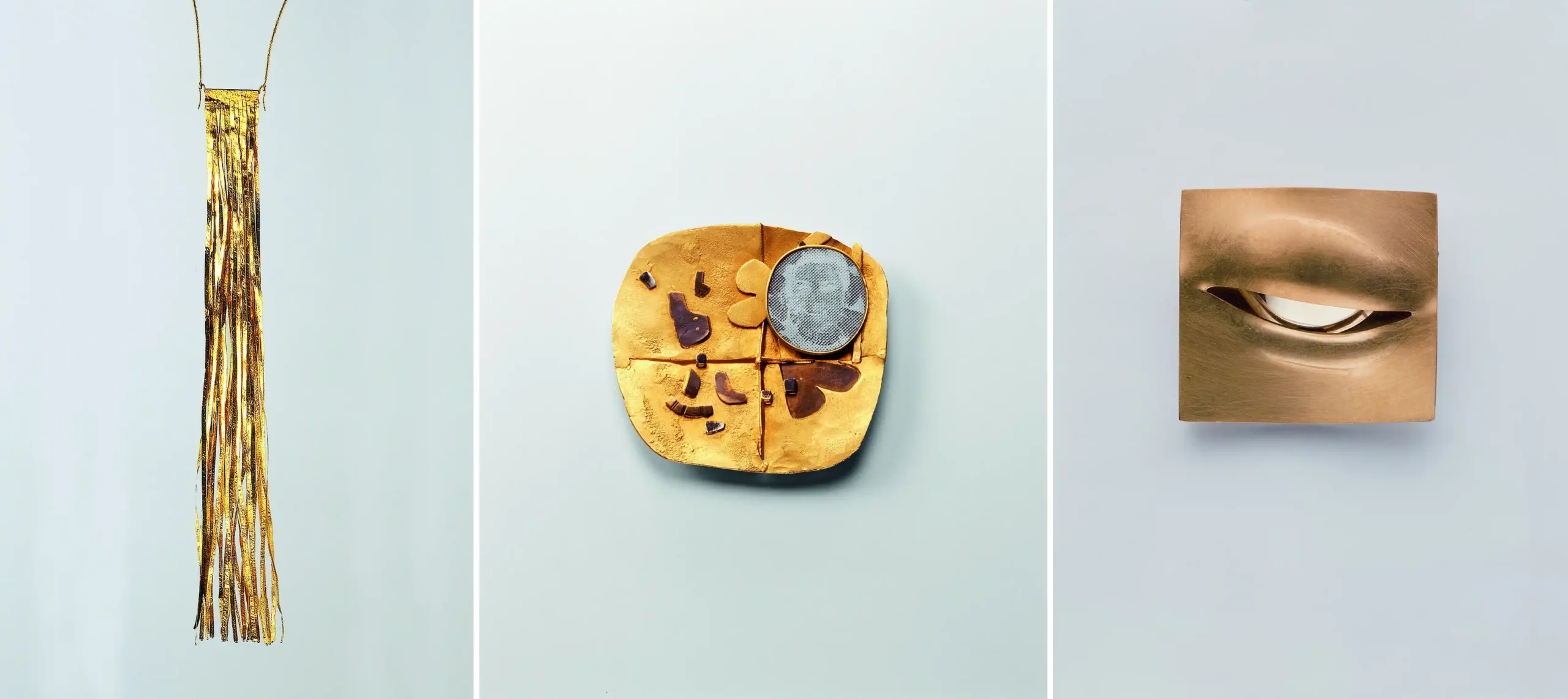
Around 20 pieces from Germany’s Jewellery Museum in Pforzheim have gone on display in Japan as part of a major international exhibition exploring the relationship between jewellery, art and cultural identity, including works by some of the most influential designers of the 20th-Century
Historic jewellery from Germany’s renowned Jewellery Museum in Pforzheim has returned to Japan after more than half a century as part of a major exhibition bringing together 350 works by international artists.
The pieces are on display at the National Museum of Modern Art in Kyoto (MoMAK), where Reflections in Jewellery: Memory and Identity examines how jewellery developed from a symbol of wealth and social status into a means of artistic expression.
Around 20 works have been loaned by the Pforzheim museum, including creations by Japanese designers Yasuki Hiramatsu and Yasuhiko Hishida, whose pioneering work helped establish contemporary jewellery as an art form in their home country.
Other pieces include designs by Pforzheim-born artist Reinhold Reiling, alongside works by Hermann Jünger, Swedish designer Sigurd Persson and Italian artists Bruno Martinazzi and Mario Pinton.
The exhibition, which opened on 24 October, traces the development of modern jewellery in Japan and the influence of European artists on its designers during the second half of the 20th century.
Jewellery was relatively uncommon in Japan until the 1960s, when Hiramatsu, Hishida and other artists established the Japan Jewellery Designers Association in 1964. The organisation helped introduce Western design trends and promoted jewellery for its artistic qualities rather than simply the value of its materials.
International exhibitions subsequently brought new approaches to Japan, including experimental pieces that challenged conventional ideas about jewellery, its purpose and its relationship with the wearer.
The 1967 exhibition Schmuck ’67. Tendenzen also helped introduce contemporary Japanese jewellery to European audiences, establishing an important cultural exchange that continues today, with works exhibited at the time now forming part of the Kyoto display.
Further collaboration followed, including the Three School Project launched in 1993, which brought together artists from Tokyo, Munich and Amsterdam. Swiss jewellery artist Otto Künzli was among those involved.
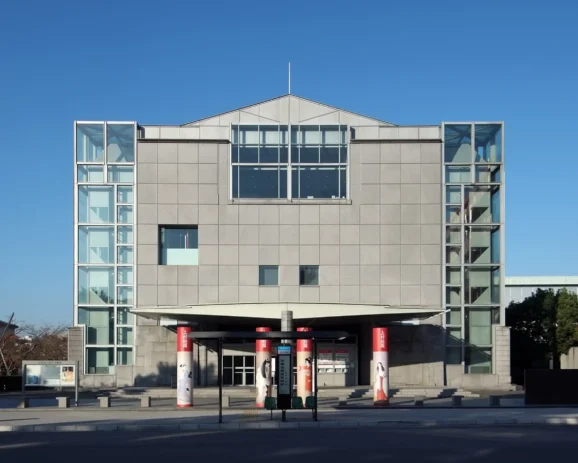
Curated by MoMAK, the exhibition also includes works from Japan’s Hiko Mizuno College of Jewelry collection and examines how contemporary artists have used jewellery to explore personal identity, memory and cultural traditions.
Friederike Zobel, director of Pforzheim’s Jewellery Museum, said: “The fact that some of our pieces are returning to their country of origin, and that developments in Europe had such an influence on Japan, is a fascinating aspect of contemporary jewellery art.
“We are delighted to have been approached to contribute to this exhibition.”
Further information
Produced with the support of Schmuckmuseum Pforzheim. For more information about the museum and its collections, visit www.schmuckmuseum.de
Reflections in Jewellery: Memory and Identity is on display at the National Museum of Modern Art in Kyoto until 17 January 2027, before moving to the Iwami Art Museum (20 March–14 June 2027) and the Yamanashi Prefectural Museum of Art (3 July–29 August 2027). Further exhibition details are available at www.momak.go.jp/English/
READ MORE: Jewellery Museum explores silver’s cosmic origins in new exhibition. Pforzheim’s Jewellery Museum is staging Silver Lining, a programme spanning contemporary silversmithing, diamonds, ancient silver, global adornment and contemporary fashion.
Do you have news to share or expertise to contribute? The European welcomes insights from business leaders and sector specialists. Get in touch with our editorial team to find out more.
Main image: Historic jewellery from Germany’s Jewellery Museum in Pforzheim features in a major exhibition at Kyoto’s National Museum of Modern Art, bringing together around 350 works exploring jewellery, memory and identity. Credits: Jewellery photography: Rüdiger Flöter / Schmuckmuseum Pforzheim. Museum photograph: Wiiii / Wikimedia Commons / CC BY-SA 3.0. Composite: The European