Deb Lyon explores Nice, where art, food and the light that captivated Matisse make the Côte d’Azur capital an irresistible city break
“Welcome to the capital of the Côte d’Azur!” our train driver chirruped as we pulled into the Gare de Nice-Ville, slightly ahead of time. Our five-and-a-half-hour journey from Paris Gare de Lyon (with working WiFi, no less) had slipped by effortlessly, seated in deep, comfortable chairs, watching concrete give way to arable, arable to vineyard, vineyard to mountain, mountain to beach. There can be few more enjoyable ways to arrive in the Belle Époque grandeur of Nice than by train, having seen so many of France’s visual glories unroll past your window along the way.
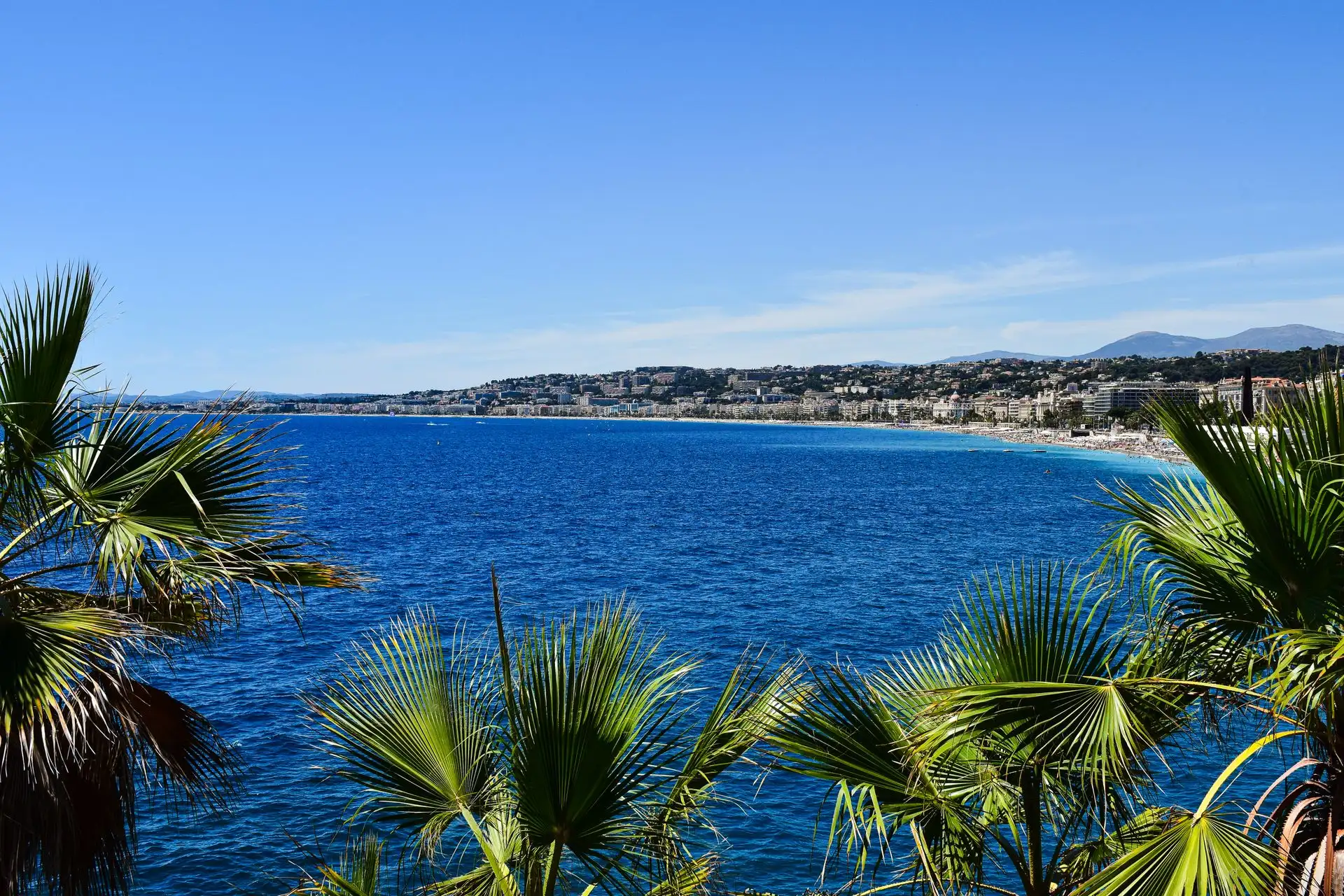
It’s a city I know well and love dearly, having visited most years since childhood. Ordering a meal here decades ago in my early, faltering, schoolgirl French – and, miraculously, being understood – sparked a lifelong love for the country, people and language which has guided and informed much of my adult life. There’s something about the light on the higgledy-piggledy pastel buildings of the old town; the sight of fresh washing hanging from an ornate, wrought-iron balcony; the clarity of the Nice sky that Matisse described as, “the blue of sapphires, of the peacock’s wing, of an Alpine glacier, and the kingfisher melted together. And yet none of these…”
We only had a couple of days to enjoy this charming city, so pulled together a mixed (but packed) itinerary of food, fun, culture and exploration. There’s so much to do in Nice that a bit of preparation will ensure you get the most out of it. With plenty of flights, even out of season, its compact size and easy accessibility (the airport is practically walking distance to the centre), it’s the perfect destination for a weekend break. And of course, you can always get the train.
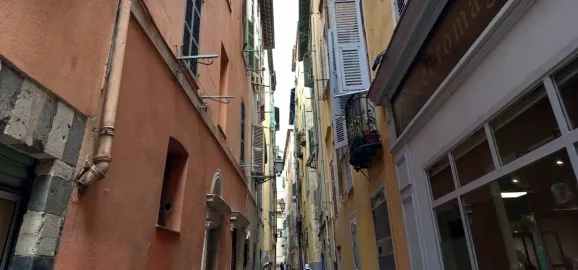
Although it’s the fifth largest city in France, Nice doesn’t feel all that populous. Even in the height of summer, within a few streets of the old town it seems a laid back, untouristy kind of place. Vieux Nice is a great area to start your adventures, the earlier in the morning the better, as is so often the case. Strolling the narrow streets is the best way to explore and it’s impossible to get lost. Immerse yourself in the hues of pink, yellow and orange houses, the classic Art Nouveau frontages of vintage shops, the jasmine-scented peace of tucked-away, shaded squares before heading down to the Cours Saleya for the bustling market.
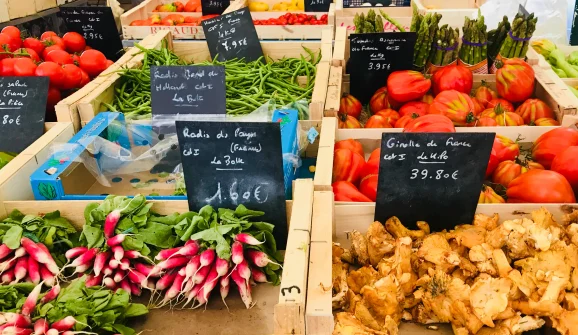
Flowers, vegetables, fruits, nuts, spices, olives, cheeses and other delicacies are sold here Tuesday to Sunday; on Mondays, the famous flea market holds court, offering antique china, silverware, linens and furniture. Taste the famous ‘socca’ as you wander – this thin, chickpea pancake is the street food of choice in Nice.
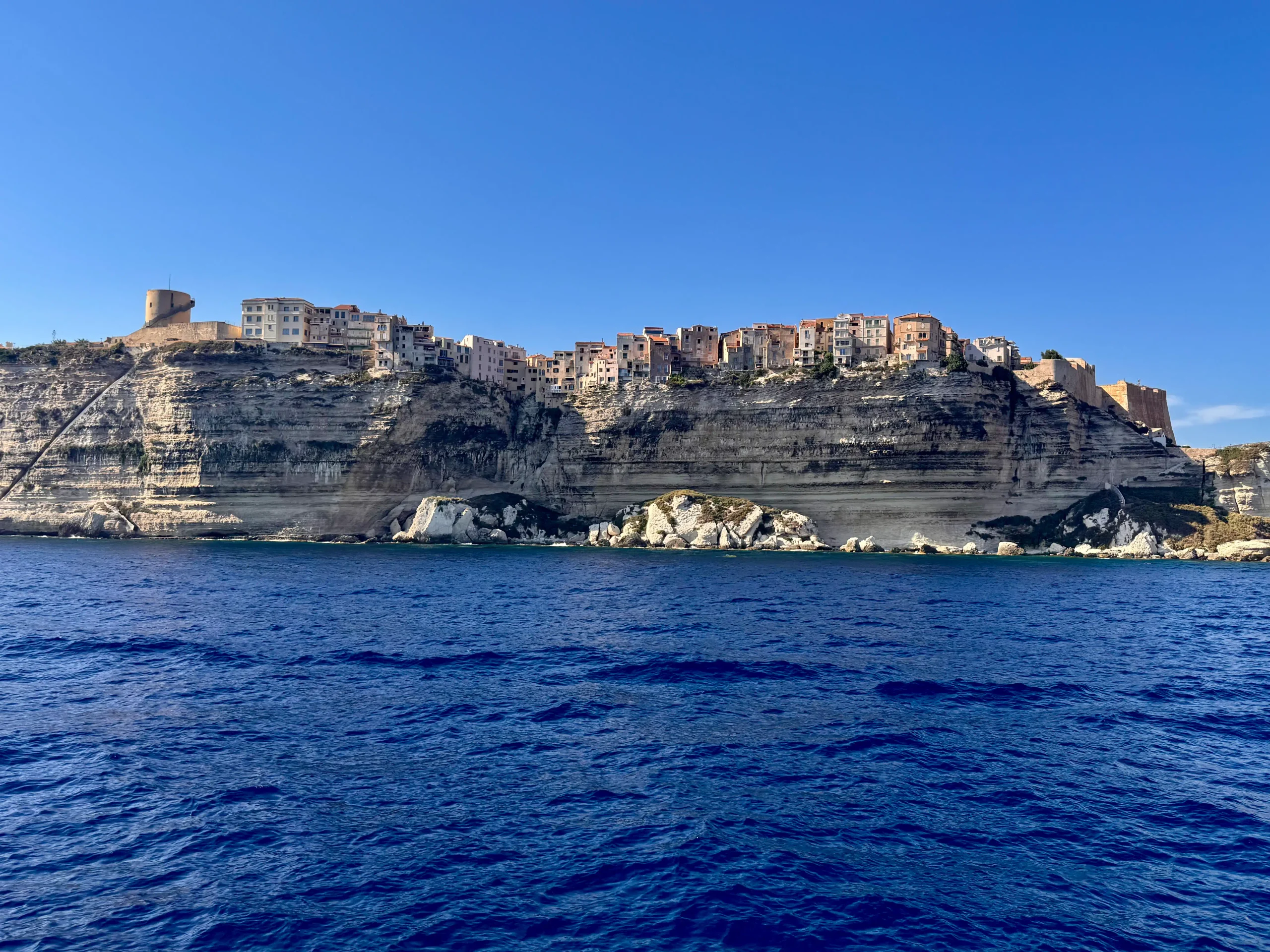
After the market, head to the sun-drenched old port. Officially known as Port Lympia, named after the Lympia watercourse that once crossed the area, it’s a great place to snap even more Insta-friendly pastel buildings, grab a coffee and ogle the super yachts moored up in its harbour, as well as the ferries departing regularly for Corsica and Sardinia. If you fancy strolling a little further away from the town, Le Plongeoir is a unique place for lunch, set in an iconic location on a rock pillar perched above the waves.
From the port, it’s absolutely worth the walk up to Castle Hill. This historic park offers fantastic views of the Bay of Angels, the Old Town and beyond; you can either climb the 213 stairs or take a public, slightly rickety lift. I chose the former. As well as the ruins of the fortified castle that once graced its plateau, there’s a shaded play area for little ones, exotic plants, a beautiful artificial waterfall and a café. But the views from the observation deck are the thing. Don’t miss them, especially at sunrise or sunset. On a clear day, you really can see forever.
Back down the hill, the Promenade des Anglais beckons for a leisurely stroll along the seafront taking in the sunbathers, cyclists, rollerbladers and joggers. The Prom, as locals call it, was so named for the British winter visitors who helped establish the original seaside path in 1824.
To your left as you walk away from Castle Hill are several private pebbled beach clubs, where you can book a sun bed for a few hours or the whole day. To your right, you’ll spy a host of glorious Belle Époque hotels such as the Negresco with its striking pink dome, designer shops and pricey cafés. Look out for the iconic blue metal chairs along the way, designed by Charles Tordo, the symbol of the Promenade des Anglais for the people of Nice.
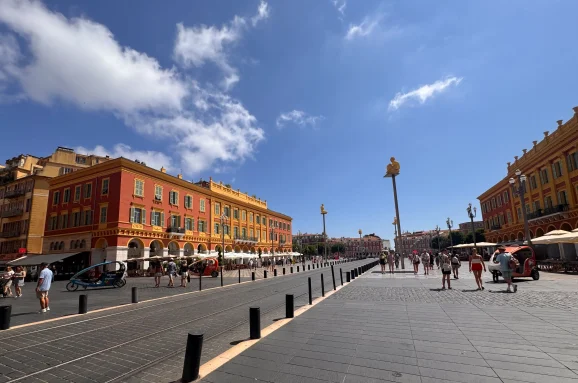
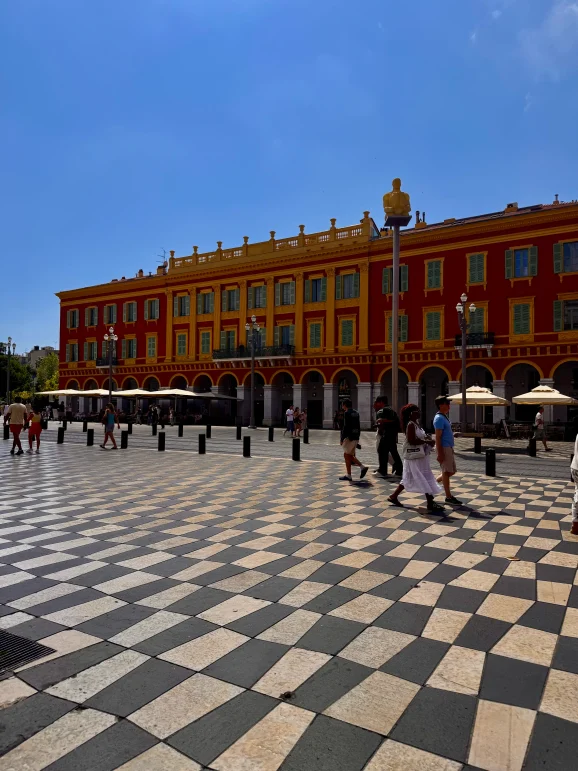
When you’ve had enough of watching the sun worshippers and the pleasure seekers, cross back towards town for a short walk to the famous Place Masséna. The central square in Nice, it has undergone a staggering revitalisation over the past two decades with the rebuilding of the tramline system, transforming this historic hub into a harmonised and aesthetically stunning place for locals and tourists alike. Its black-and-white square paving is instantly recognisable; we have fond memories of our small daughter thinking this was a huge hopscotch board built entirely for her own pleasure and spending a good hour jumping back and forth across it.
From there, it’s a must to explore the Promenade du Paillon, a 12-hectare urban park that leads away from the square. Named after the Paillon River, it is a green corridor running for more than one kilometre through the city with the famous Miroir d’Eau, a 3,000-square-metre shallow pool with dancing water jets. Entry is free.
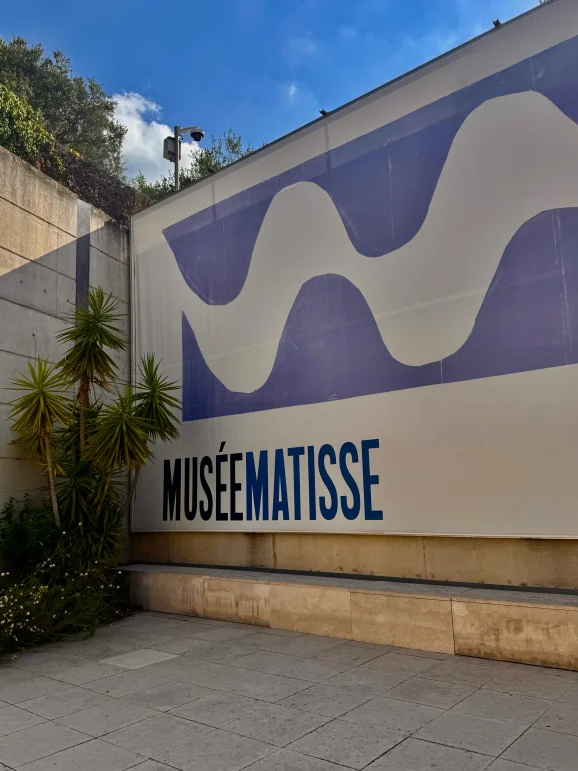
If you’re into culture, Nice is absolutely the place for you. It has world-class art galleries, historic villas, iconic museums and archaeological sites to explore, without needing to leave the city centre. This was the focus for our second day. We headed up to Cimiez hill (a quick cab ride from the centre), one of the most chi-chi areas in Nice, peppered with gorgeous Belle Époque villas and within the city’s UNESCO World Heritage site. The Matisse Museum is located here, in the Garin de Cocconato villa; a burnt-red, Genoese mansion with a trompe l’œil facade, a stone’s throw from where Matisse lived from 1938 in an apartment at the Regina.
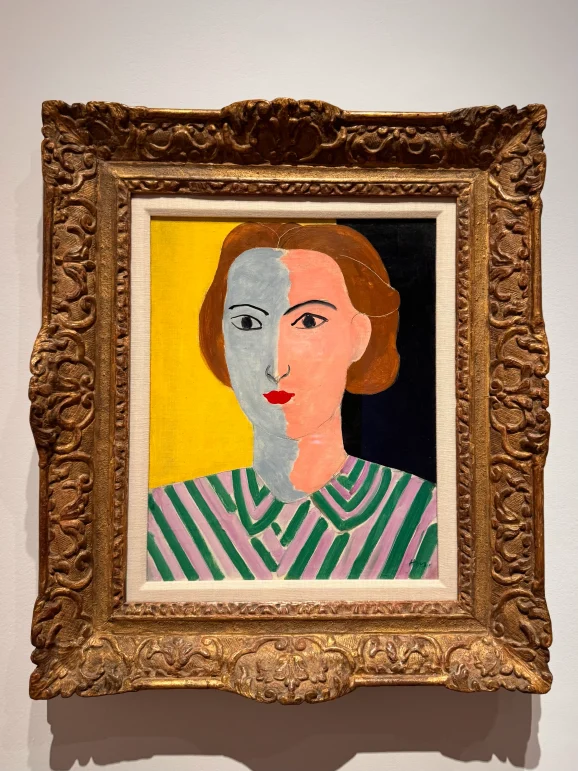
We’ve explored this wonderful museum on previous visits, but the draw this time was the Henri Matisse/Yves Saint Laurent exhibition (which runs until September 28). Looking at the threads that bind these two creative powerhouses together across the decades, and highlighting their transcendence of the traditional boundaries between fine and applied art, this exhibition was a triumph. It showcases paintings, drawings, garments, accessories and archival documents, including stunning photography of these creative minds at work.
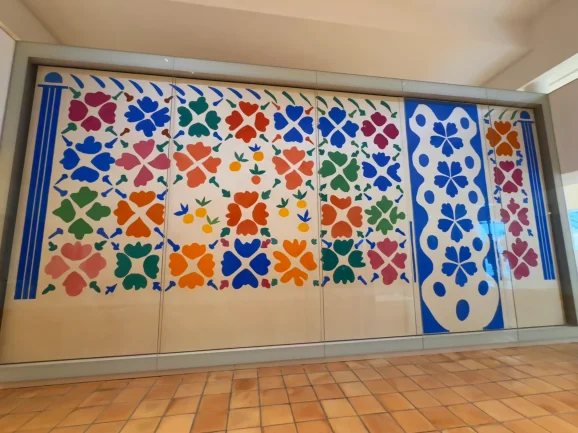
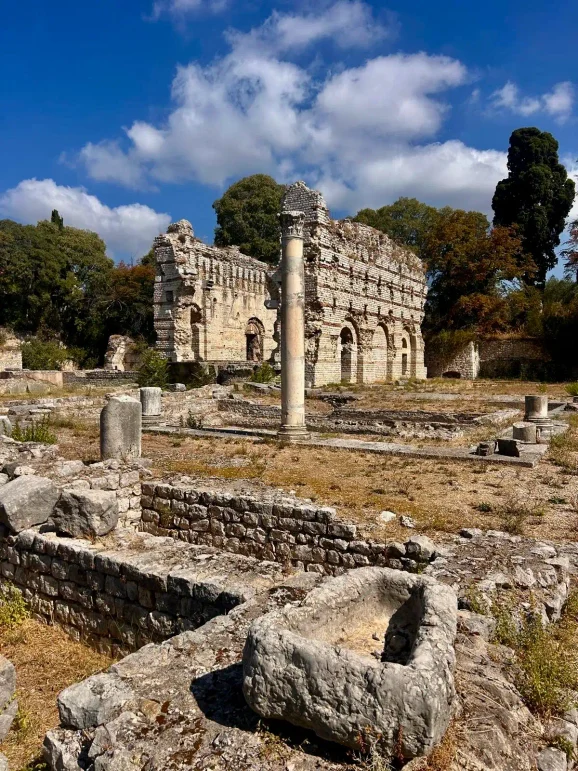
The villa which houses the museum was built in 1685 over the ruins of the ancient Roman city of Cemenelum. After extensive archaeological excavations in the 1950s and 1960s, a huge site was uncovered, including three complete thermal bath complexes. These sit in the Cimiez Archaeological Museum, next door to the Matisse Museum, and are covered by the same Nice Museums Pass, so it’s definitely worth a visit. On leaving, you come immediately to the ruins of the 1st-century Roman amphitheatre, the Arènes de Cimiez, which is free to explore. As you wander, you can’t help but think what remains beneath this beautiful residential suburb.
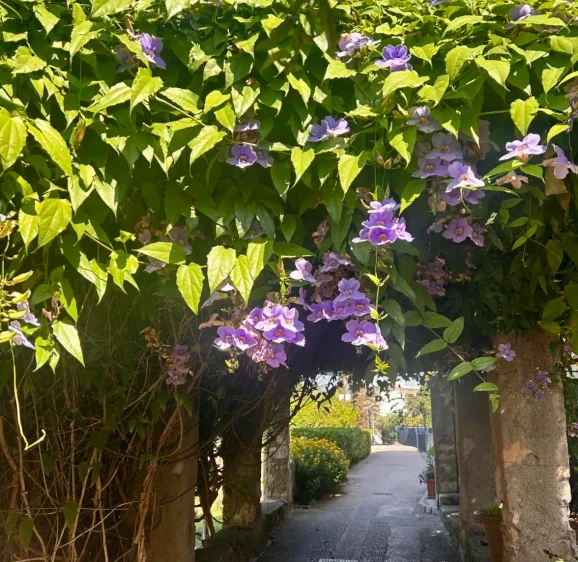
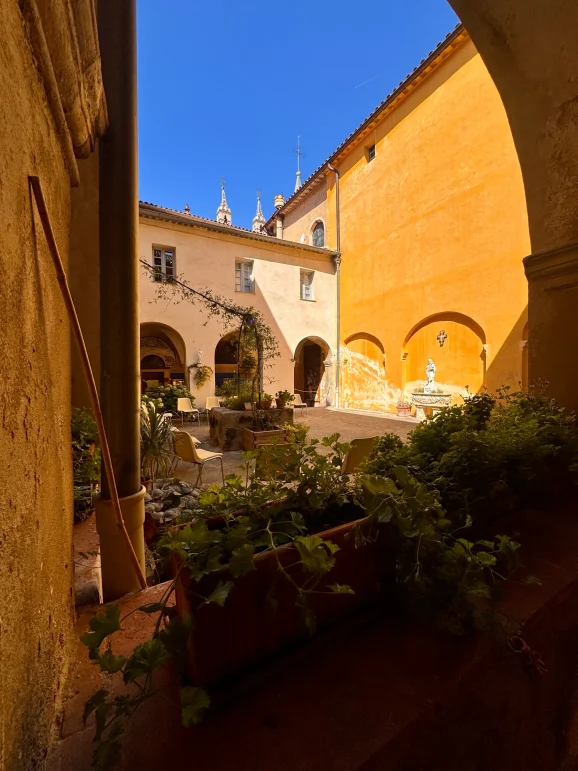
A hidden gem in this part of town is the garden of the Cimiez Monastery, a short stroll through the shaded park that surrounds the Matisse Museum. The park itself is famous for its glorious olive trees and was formerly home to the Nice Jazz Festival. The peaceful monastery garden has kept its ancient layout, festooned with climbing roses and Mediterranean plants, pergolas, citrus fruit, olive and cypress trees. The views from the terrace offer terrific city views, surely a very different aspect to the original one the monks would have enjoyed. The 15th-century church, with its imposing baroque altarpiece, and the peeling frescoes and courtyard of the medieval cloister are serene refuges for a moment of contemplation away from the heat.
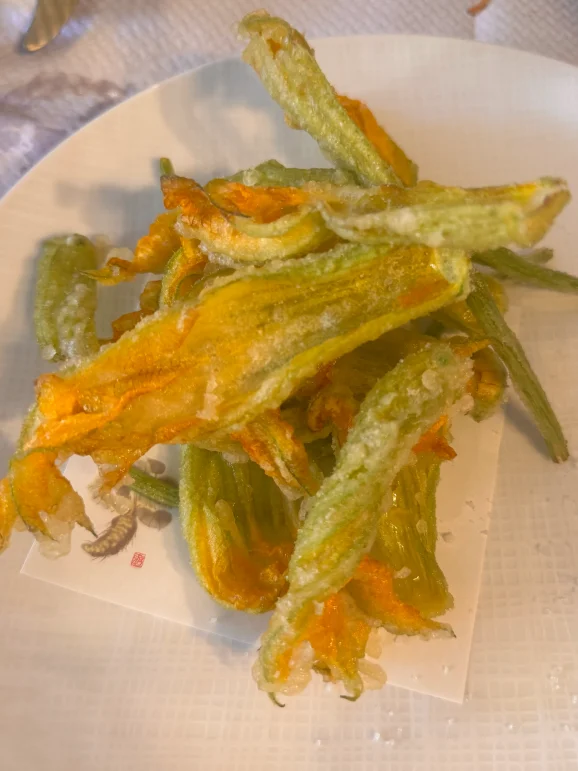
Back down from the Cimiez, we had one of the best lunches of our whole lives – no mean feat, as I’ve eaten a lot of lunches – at Chez Davia on Rue Grimaldi. This institution, family-run since 1953, offers authentic Niçoise cooking in a small, intimate restaurant. Every plate shines, but the deep-fried courgette flowers and the pesto pasta were beyond stunning, the crème brûlée infused with lavender a revelation, the lemon tart historic. Just go.
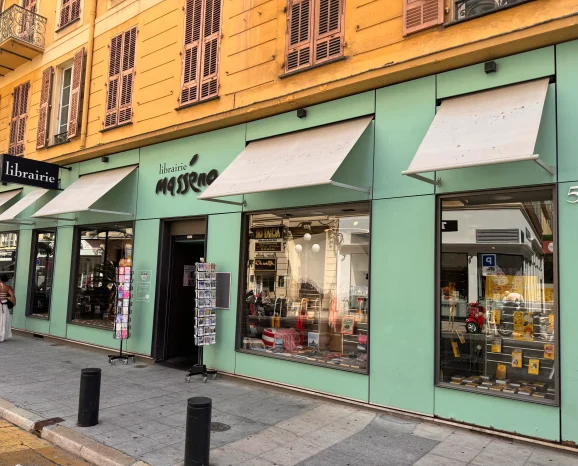
Shopping was the final call of the holiday, and again Nice doesn’t disappoint. A particular favourite of mine, as a bookish soul, is the Librairie Masséna for French literature and its sister shop next door, Masséna Around The World, for English-speaking books of all literary genres.
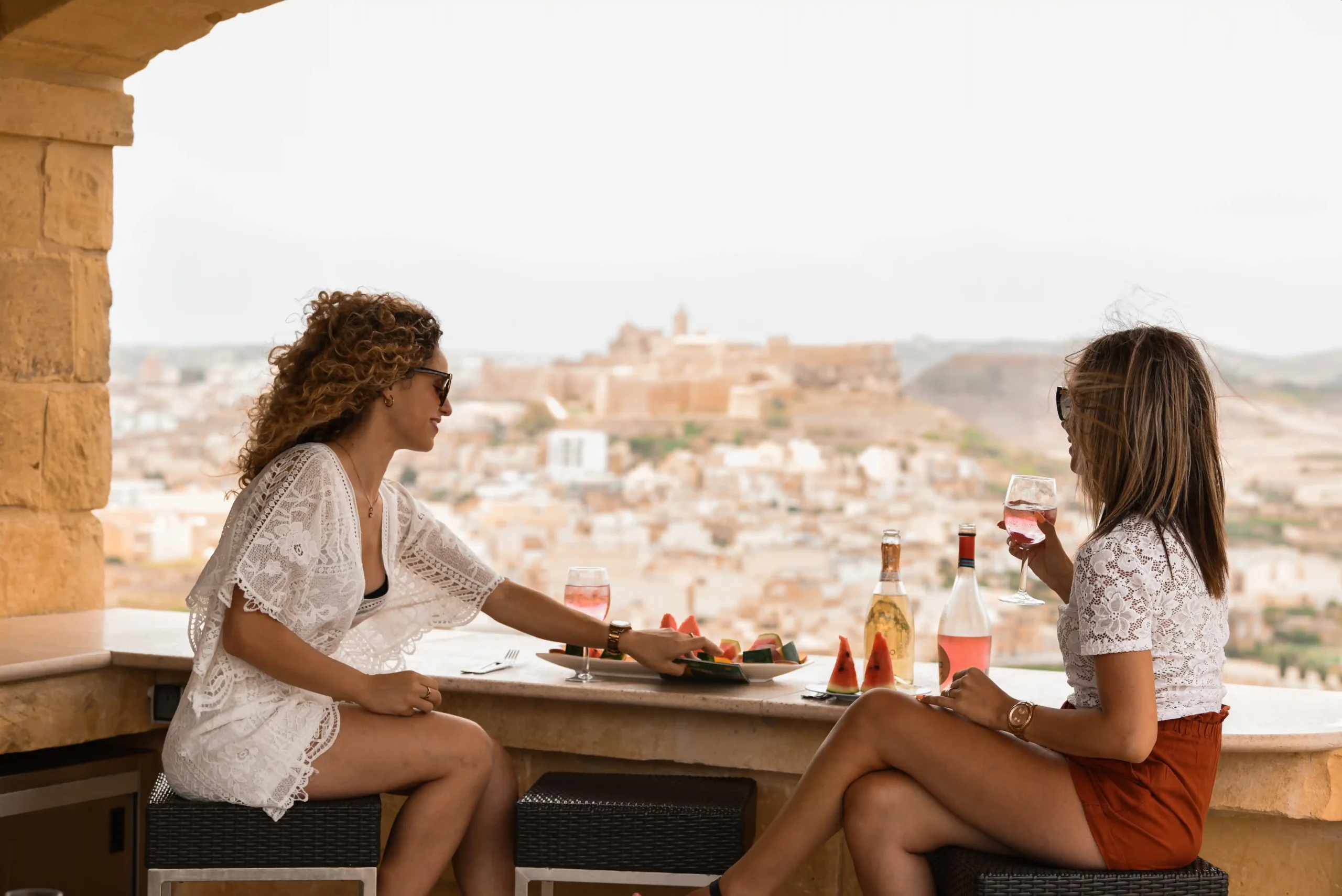
Nice by night is equally stunning, whether it’s watching a sunset over the Baie des Anges from Castle Hill, sipping a cocktail at the Negresco or enjoying the panoramic views from one of the many rooftop bars (The Calade at the Radisson Blu is a good option). A stroll through the Old Town, listening to the musicians and performers or shopping at the night markets, feels as though you’ve stepped back in time to a gentler era. La Petite Maison is a classic choice for dinner, an institution famous for its singular owner Madame Nicole and its whole roast black leg chicken marinated in lemon, which stays in the memory. Alternatively, for a peaceful meal in a historic cloister, try the 1604 at the Hotel du Couvent, a former convent converted now into an elegant hotel (also a perfect place to stay).
If you’ve got another day to play with, there are plenty of options for short trips along the coast on the famous Blue Train – east to Beaulieu, Eze sur Mer, Villefranche and Monaco; west to Cannes and Antibes. But quite honestly, there’s more than enough to do in Nice. I’ve only scratched the surface here.
Every time I return, I understand better the attraction Matisse felt to this beautiful city. “When I realised that every morning I would see this light again, I could not describe my joy. I decided not to leave Nice, and I stayed there practically all my life.”
If only we all could.
Deborah Lyon is a writer, editor and hospitality entrepreneur based in the Lake District. She left London two decades ago to restore a derelict Victorian estate near Windermere, now The Heaning — a five-acre collection of self-catering properties rooted in local craftsmanship and Cumbrian heritage. Alongside running the estate, she writes about landscape, place and belonging, drawing inspiration from the fells and literary traditions that surround her. Her first novel, the acclaimed children’s book Timewaif & The Roman Road, was praised for its evocation of Roman Cumbria and its “human stories told with tenderness and truth”. She is also the author of Lake District Unlocked, a family travel guide to the region’s hidden landmarks.
READ MORE: ‘New direct flights from Paris and Athens open easier route to Alaska‘. Alaska Airlines will launch new European services to Seattle next summer, giving travellers one-stop connections onwards to Alaska, Hawaii and destinations across the US West Coast.
Do you have news to share or expertise to contribute? The European welcomes insights from business leaders and sector specialists. Get in touch with our editorial team to find out more.
Main Image: AXP Photography /Pexels