
More than half of US travellers now use AI to plan holidays

John E. Kaye

Holidaymakers are racing ahead of the travel industry on AI, with most now using the technology while only 22 per cent of destination organisations offer their own trip-planning tools
More than half of U.S travellers now use artificial intelligence to plan holidays, with four-in-10 discovering new destinations through the technology and almost three-in-10 changing their plans on its recommendation.
The study found 54 per cent had already used AI for travel planning and 75 per cent expected to do so on future trips.
Use was highest among younger holidaymakers, with 69 per cent of Millennials and 63 per cent of Gen Z travellers saying they use AI assistants as often as social media when planning trips.
Travellers are turning to the technology for everything from choosing where to go to finding attractions, comparing prices and putting together itineraries.
Six-in-10 use AI to research attractions, restaurants and transport, 56 per cent to compare prices and 43 per cent to organise their trip.
But tourism organisations appear to be lagging behind their customers. Only 22 per cent of destination marketing organisations offer AI trip-planning tools on their websites and just 26 per cent have a documented AI strategy.
That compares with 63 per cent of travellers who said they would use an AI planner provided directly by a destination website, while one-in-four said they were less likely to use a site without AI features.
Michelle Denogean, of Mindtrip, which carried out the research in partnership with Sabre, Sojern and MMGY Travel Intelligence, said: “Travellers aren’t waiting for the industry to catch up. AI is already reshaping how people discover destinations, build itineraries, and make travel decisions.
“The organisations that move now have an opportunity to become more useful, more visible, and more valuable to travellers.”
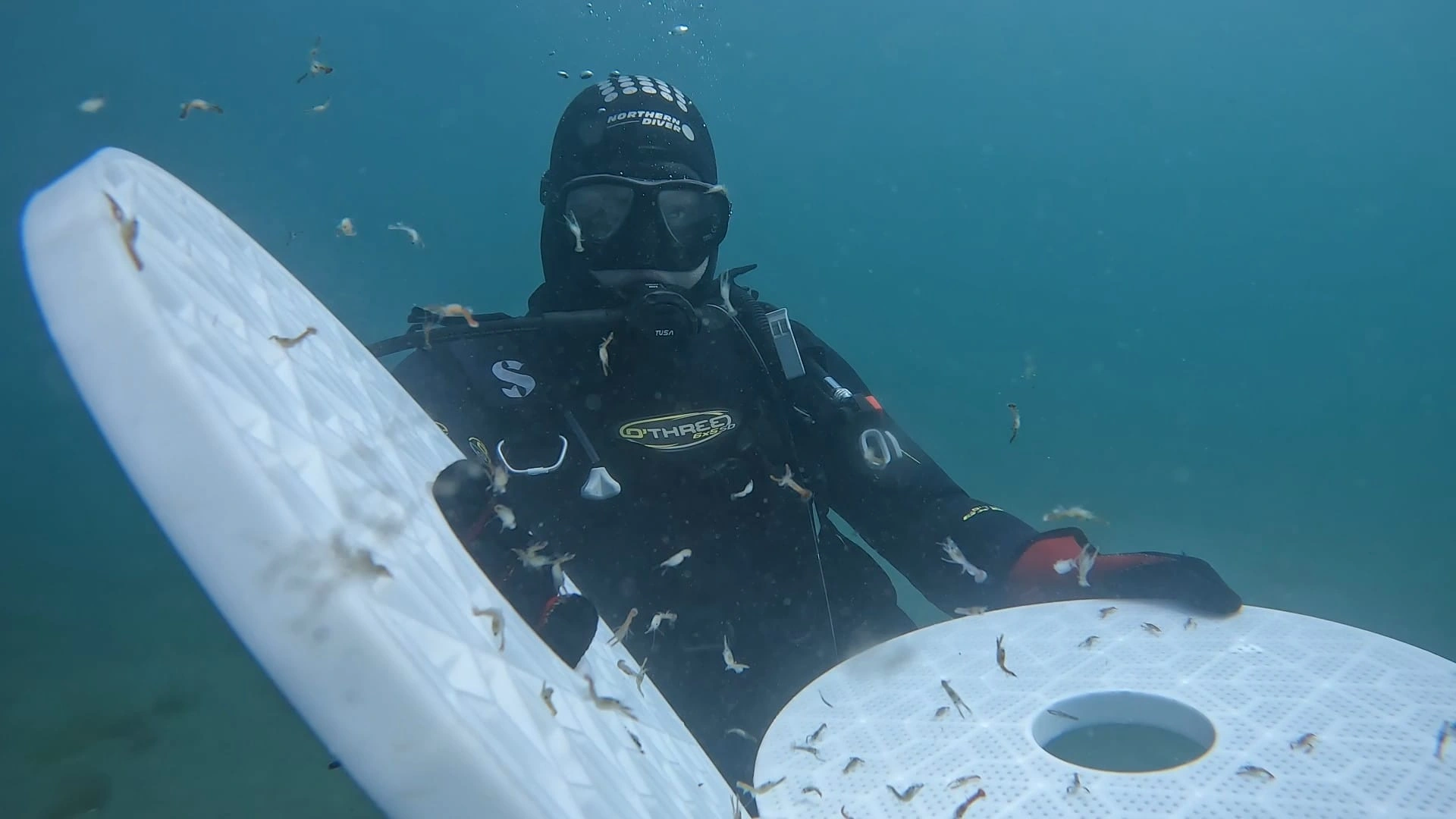
READ MORE: Diving in to … save Britain’s baby lobsters. Joining the world’s first-of-its-kind baby lobster release course, The European’s Ben Hooper discovers how a pioneering marine biologist and diving instructor, working alongside the National Lobster Hatchery, is helping give Britain’s lobsters a better chance of survival in the face of commercial fishing, warming seas and growing octopus predation.
Do you have news to share or expertise to contribute? The European welcomes insights from business leaders and sector specialists. Get in touch with our editorial team to find out more.
Main image: Leeloo The First via Pexels
TOP STORIES
-
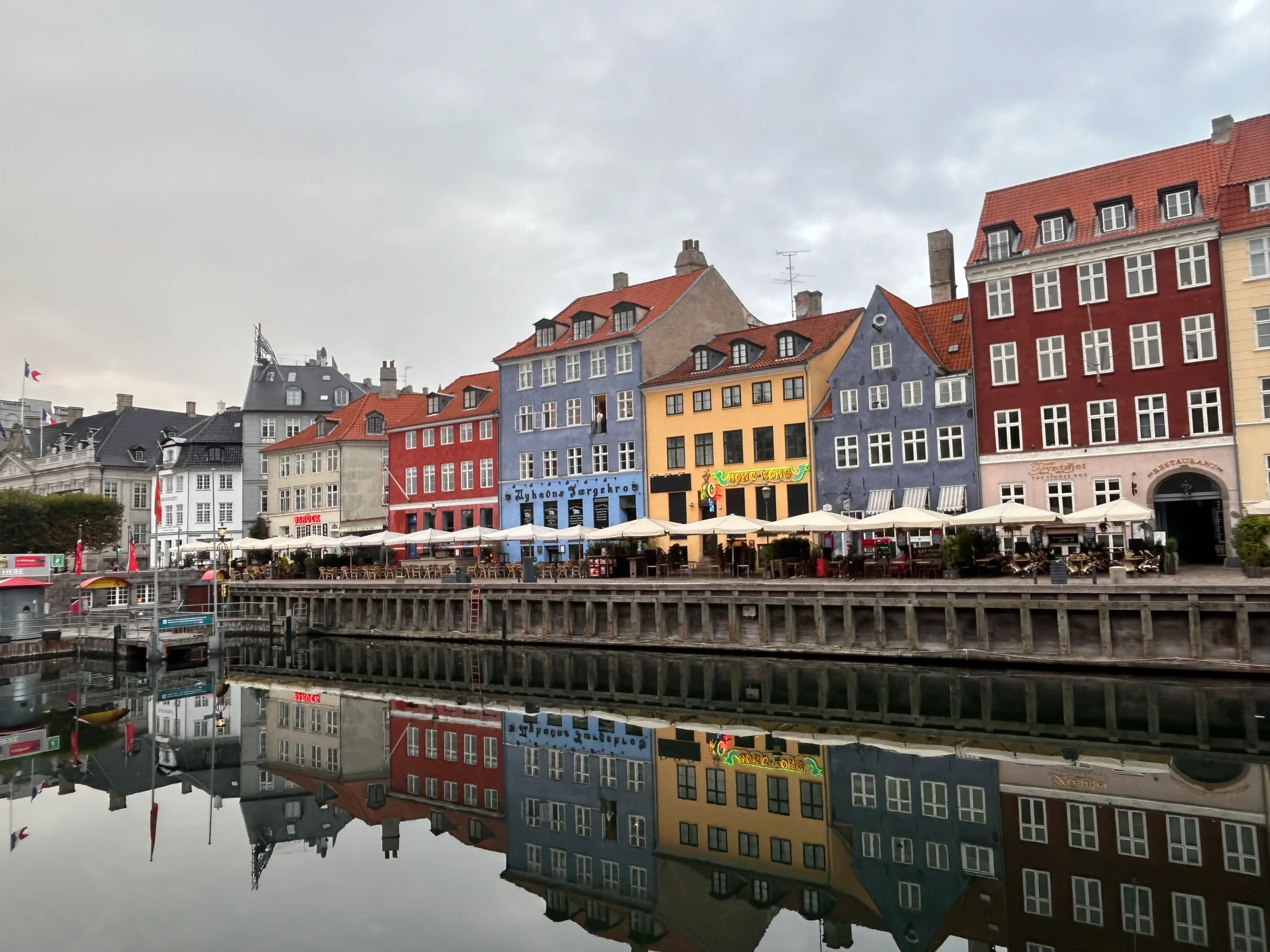
 Copenhagen’s the European city break that keeps you coming back
 -
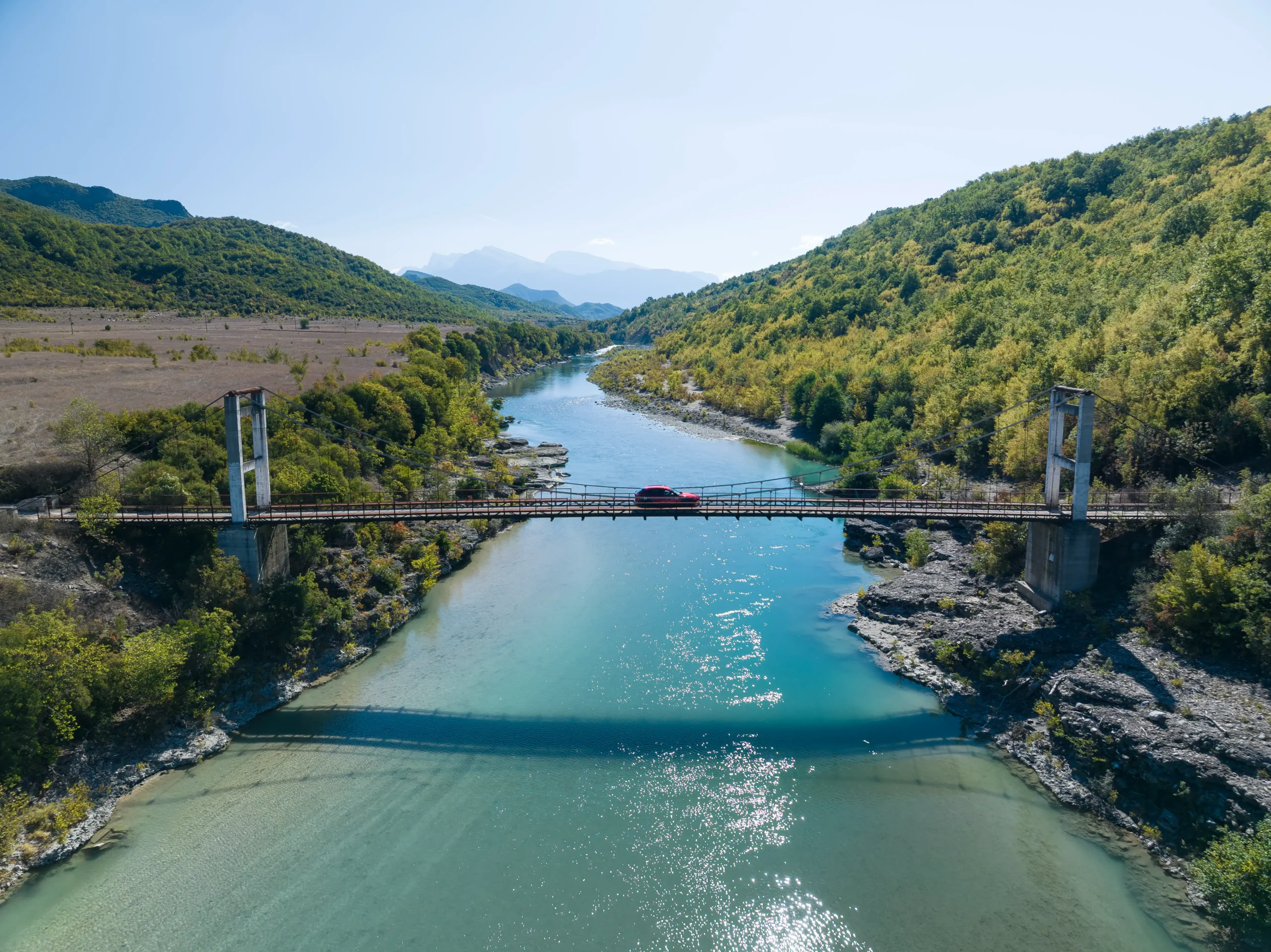
Albania's wild heart on a 560-kilometre road trip through the Balkans
-
Gamers face gridlock as latest Grand Theft Auto download 'nears two days'
-
Jaguar puts controversial rebrand on the road with £130K 1,030PS Type 01
-
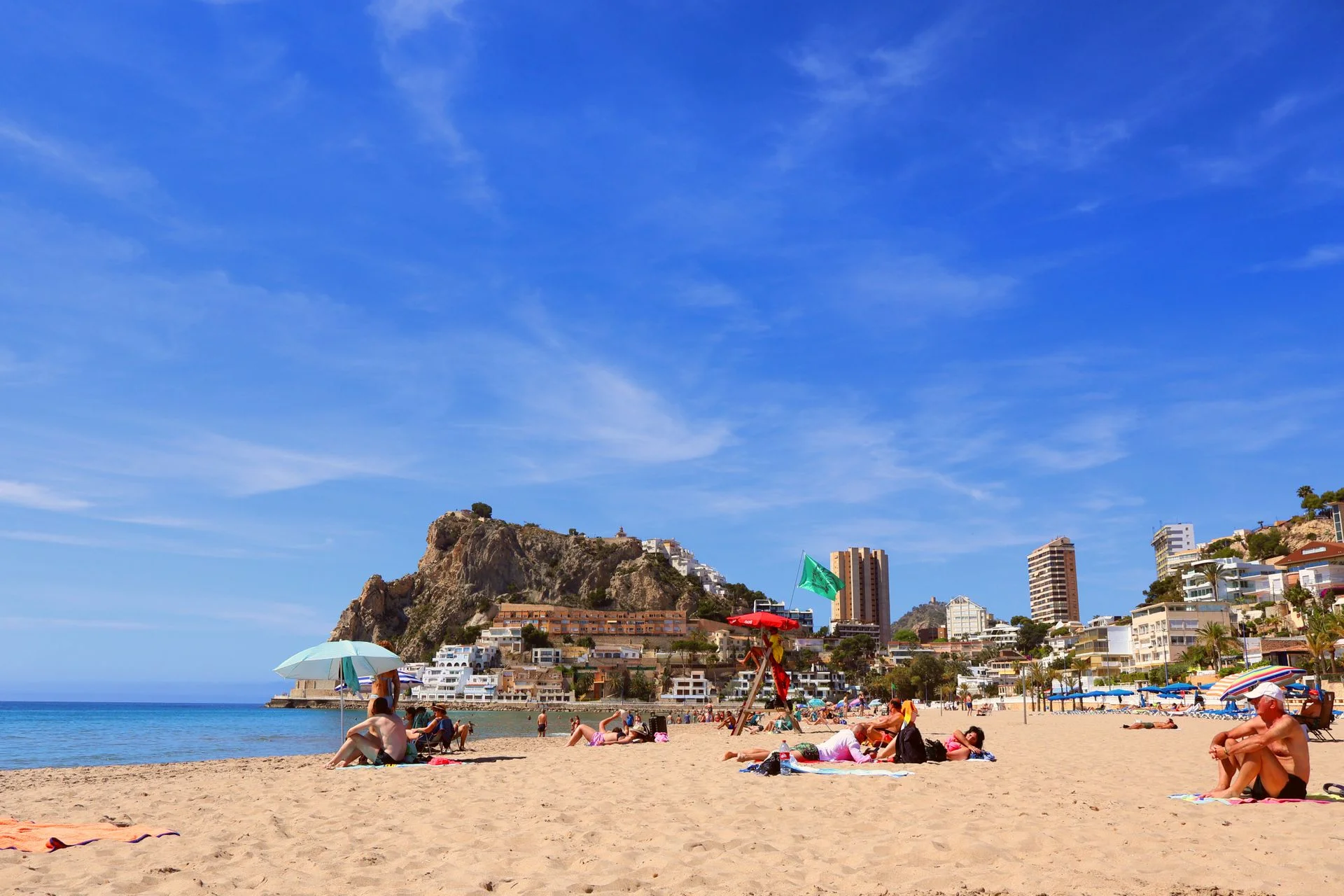
Spain crowned Europe’s top retirement destination
-
Yeah, baby! BMW M350 xDrive makes UK debut at 1970s-themed Bicester Scramble
-
I was one of the last Western women in Tehran after the Iranian Revolution
-
World's first luxury theme park to open in Mexico with £1.1bn of rides, fine entertainment and deliberately limited crowds
-
Meltdowns, pre-race tears and 'joyous bedlam': inside Goodwood’s wildest race of the weekend
-
British Museum bans photos of Bayeux Tapestry after visitors hold up queues
-
Two Mediterranean islands, one perfect autumn escape
-
Inside the world’s wildest new mini golf course with caves, 13ft waterfalls… and sharks
-
This Japanese ski resort has just been named the world’s best place for seasonal work
-
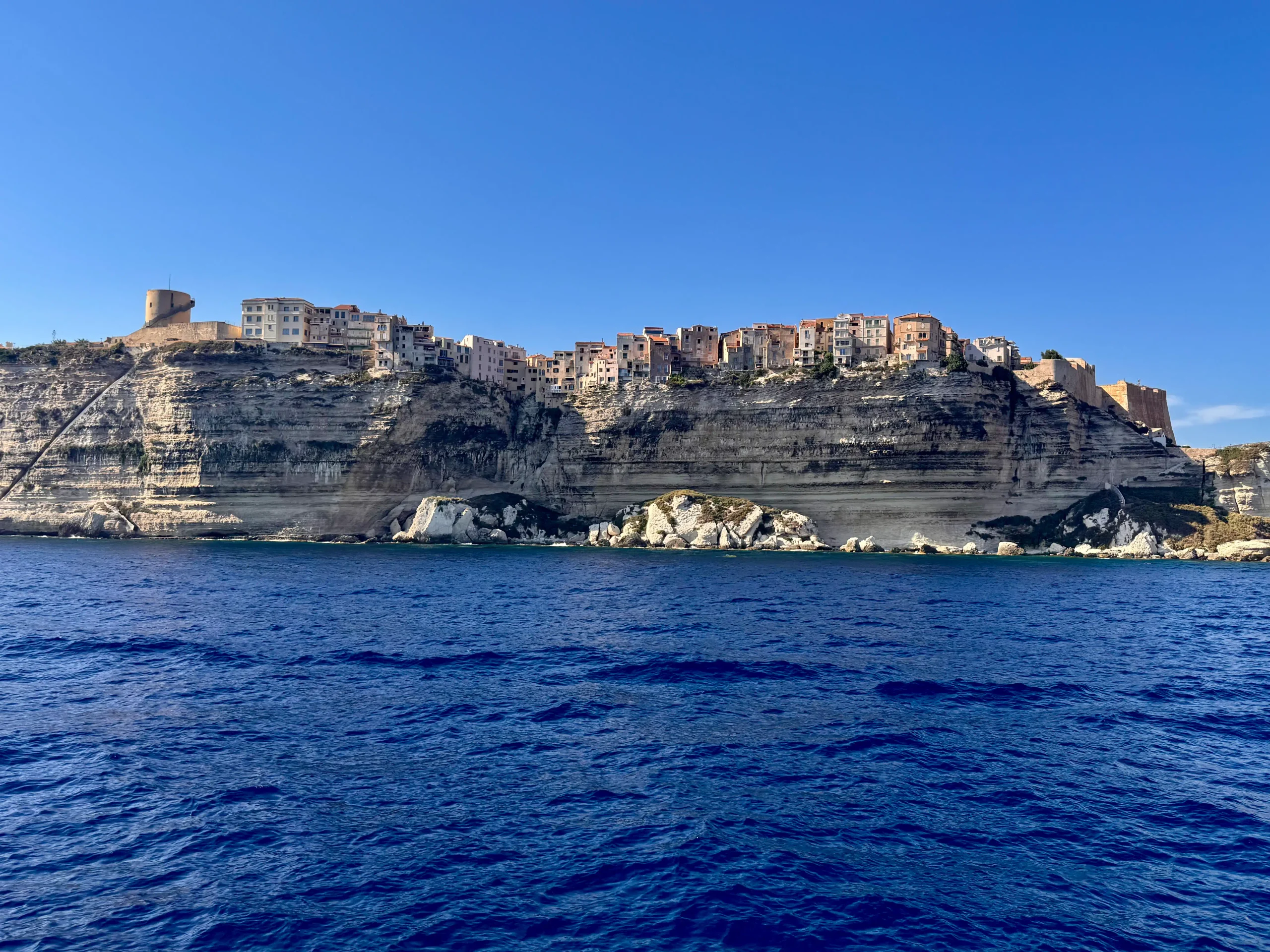
This French city could be the ultimate European weekend break
-
In search of Vancouver Island’s sea wolves
-
Del Boy’s bent cop nemesis inspired David Jason to become a TV detective
-
Is Mazda’s new £39,000 EV the ideal commuter?
-
Gozo at working pace: Malta’s low-key answer to remote life
-
Britons flock to Greece as tourist numbers jump 15%
-
Winter in paradise: the best time to see Mauritius
-
More than half of US travellers now use AI to plan holidays
-
The Maldives with kids? It’s child’s play
-
The New Forest – Britain’s forgotten gem
-
Diving in to … save Britain’s baby lobsters
-
Jewellery Museum explores silver’s cosmic origins in new exhibition














TOP STORIES
-
Copenhagen’s the European city break that keeps you coming back
-
Albania's wild heart on a 560-kilometre road trip through the Balkans
-
Gamers face gridlock as latest Grand Theft Auto download 'nears two days'
-
Jaguar puts controversial rebrand on the road with £130K 1,030PS Type 01
-
Spain crowned Europe’s top retirement destination
-
Yeah, baby! BMW M350 xDrive makes UK debut at 1970s-themed Bicester Scramble
-
I was one of the last Western women in Tehran after the Iranian Revolution
-
World's first luxury theme park to open in Mexico with £1.1bn of rides, fine entertainment and deliberately limited crowds
-
Meltdowns, pre-race tears and 'joyous bedlam': inside Goodwood’s wildest race of the weekend
-
British Museum bans photos of Bayeux Tapestry after visitors hold up queues
-
Two Mediterranean islands, one perfect autumn escape
-
Inside the world’s wildest new mini golf course with caves, 13ft waterfalls… and sharks
-
This Japanese ski resort has just been named the world’s best place for seasonal work
-
This French city could be the ultimate European weekend break
-
In search of Vancouver Island’s sea wolves
-
Del Boy’s bent cop nemesis inspired David Jason to become a TV detective
-
Is Mazda’s new £39,000 EV the ideal commuter?
-
Gozo at working pace: Malta’s low-key answer to remote life
-
Britons flock to Greece as tourist numbers jump 15%
-
Winter in paradise: the best time to see Mauritius
-
More than half of US travellers now use AI to plan holidays
-
The Maldives with kids? It’s child’s play
-
The New Forest – Britain’s forgotten gem
-
Diving in to … save Britain’s baby lobsters
-
Jewellery Museum explores silver’s cosmic origins in new exhibition



